Purple Coral Pea (Hardenbergia): A Beautiful Addition to Your Garden
Plants play a crucial role in our lives, providing us with oxygen, food, and enhancing the beauty of our surroundings. One such stunning plant is the Purple Coral Pea, scientifically known as Hardenbergia. This climbing vine is native to Australia and is popular for its vibrant purple flowers, making it a sought-after plant for garden enthusiasts. In this comprehensive guide, we will delve into the various aspects of the Purple Coral Pea, including its culture, uses, maintenance, and more. Whether you are a seasoned gardener or a novice plant enthusiast, this article will provide valuable insights into cultivating and caring for this exquisite plant.
What is Purple Coral Pea (Hardenbergia)?
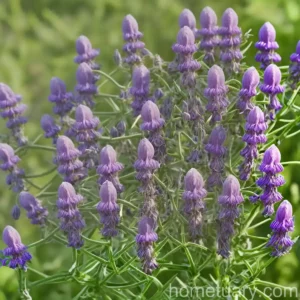
The Purple Coral Pea, or Hardenbergia, is a species of flowering plant in the pea family, Fabaceae. It is native to Australia, where it thrives in various habitats, from coastal regions to woodlands. Hardenbergia is known for its vigorous climbing nature, adorned with clusters of purple, pea-shaped flowers that bloom in late winter and early spring. Its lush green foliage and vibrant blooms make it a stunning addition to gardens, landscapes, and even indoor spaces.
Whether you are looking to add a pop of color to your garden, create a vibrant floral display on a trellis, or introduce a low-maintenance ground cover, the Purple Coral Pea is a versatile and aesthetically pleasing choice. Its adaptability to different growing conditions and minimal care requirements make it an ideal plant for both experienced gardeners and those new to plant cultivation.
Key Takeaways – Purple Coral Pea (Hardenbergia)
Before diving into the specifics of cultivating and caring for the Purple Coral Pea, let’s outline some key takeaways that encapsulate the plant’s characteristics and appeal:
- Plant Type: Climbing Vine
- Native Habitat: Australia
- Flower Color: Purple
- Foliage: Evergreen
- Growth Habit: Vigorous Climber
- Uses: Ground Cover, Ornamental Climber
- Maintenance: Low-Maintenance
- Adaptability: Drought-Tolerant, Hardy
- Blooming Season: Late Winter to Early Spring
- Symbolism: Beauty, Resilience, Adaptability
Now that we have a brief overview of the Purple Coral Pea, let’s explore the various aspects of its culture, uses, and maintenance, providing you with valuable insights for cultivating and caring for this captivating plant.
Culture of Purple Coral Pea
Understanding the cultural requirements of the Purple Coral Pea is essential for successfully cultivating and maintaining this plant. From soil and sunlight preferences to watering needs, here’s a comprehensive look at the culture of the Hardenbergia vine.
Uses
The Purple Coral Pea (Hardenbergia) offers a myriad of uses in garden and landscaping settings. Whether you are looking to cover bare patches of soil, adorn trellises and arbors, or introduce a splash of color to your outdoor spaces, the plant’s versatility makes it an invaluable addition to any garden. Some common uses of Hardenbergia include:
- Ground Cover: The sprawling nature of Purple Coral Pea makes it an ideal ground cover plant, filling in spaces with its lush foliage and colorful blooms.
- Ornamental Climber: When trained on trellises, pergolas, or fences, the Purple Coral Pea adds a vertical dimension to gardens, creating a captivating display of cascading flowers and foliage.
- Container Planting: Due to its adaptable nature, Hardenbergia thrives in containers, making it suitable for patios, balconies, and other confined spaces.
Water
Proper watering is crucial for the health and vitality of the Purple Coral Pea. While Hardenbergia is known for its drought tolerance once established, it is essential to provide adequate moisture, especially during the establishment phase and periods of extreme heat.
- Establishment: Newly planted Purple Coral Pea requires regular watering to encourage root development. Water deeply after planting and maintain consistent moisture until the plant shows signs of new growth.
- Mature Plants: Once established, Hardenbergia can withstand periods of drought. During prolonged dry spells, provide supplemental irrigation to prevent wilting and promote blooming.
Sunlight
Like many plants, the Purple Coral Pea thrives in specific light conditions. Understanding its sunlight preferences is essential for ensuring optimal growth and flowering.
- Full Sun: Hardenbergia appreciates full sun exposure, particularly in cooler climates. When grown in full sun, the plant tends to produce more abundant blooms and lush foliage.
- Partial Shade: In hotter regions, providing some afternoon shade can prevent excessive heat stress on the plant, especially during the peak of summer.
Fertilizer
While the Purple Coral Pea is relatively low-maintenance, occasional fertilization can boost its growth and flowering performance. Here are some key considerations for fertilizing Hardenbergia:
- Timing: Apply a balanced, all-purpose fertilizer in spring, just before new growth begins. Refrain from over-fertilizing, as this can lead to excessive foliage growth at the expense of flowers.
- Application: Sprinkle the fertilizer evenly around the base of the plant, ensuring it is well-incorporated into the soil. Water the plant thoroughly after fertilization to help the nutrients reach the root zone.
Soil
The type of soil in which the Purple Coral Pea is planted plays a significant role in its overall health and vigor. Understanding the soil preferences of Hardenbergia is crucial for providing it with a suitable growing medium.
- Well-Draining: Hardenbergia thrives in well-draining soil that prevents waterlogging and root suffocation. Sandy loam or loamy soil with good drainage is ideal for cultivating this plant.
- pH Level: While Hardenbergia is adaptable to a range of soil pH levels, slightly acidic to neutral soil (pH 6.0-7.0) is optimal for promoting healthy growth and blooming.
Pruning
Pruning is an essential aspect of maintaining the Purple Coral Pea’s shape and promoting abundant flowering. Proper pruning practices help prevent the plant from becoming overly woody and encourage a tidy, attractive appearance.
- Timing: Prune Hardenbergia after the flowering period, typically in late spring or early summer. This allows the plant to develop new growth and set flower buds for the following season.
- Techniques: Remove any dead, diseased, or overgrown stems, as well as spent flowers. Additionally, trim back excessive growth to maintain the desired shape and size of the plant.
Propagation
Propagating the Purple Coral Pea allows you to expand your plant collection and share its beauty with others. Several methods can be used to propagate Hardenbergia, including seed propagation and vegetative propagation.
- Seed Propagation: Collect mature seed pods from the plant and sow the seeds in a well-draining seed-starting mix. Keep the soil consistently moist and provide warmth and bright, indirect light to encourage germination.
- Vegetative Propagation: Hardenbergia can also be propagated through semi-hardwood cuttings. Take 4-6 inch cuttings from the tips of healthy stems, remove the lower leaves, and place the cuttings in a propagation medium. Provide warmth and humidity to facilitate root development.
Container Popularity
Due to its adaptability and relatively contained growth habit, the Purple Coral Pea is a popular choice for container planting. Whether you have limited outdoor space or want to add vertical interest to your patio or balcony, growing Hardenbergia in containers offers numerous benefits:
- Space Utilization: Containers allow you to maximize space by vertically growing the plant, making it suitable for small gardens, urban settings, and compact outdoor areas.
- Portability: Container-grown Purple Coral Pea can be easily moved and positioned to create focal points or provide screening in different parts of the garden.
- Visual Impact: The cascading nature of Hardenbergia in containers adds a touch of elegance and color to any outdoor space, enhancing the overall aesthetic.
Common Diseases
While the Purple Coral Pea is relatively resistant to diseases and pests, it may encounter certain issues under unfavorable growing conditions. Being aware of common diseases and their symptoms can help you take proactive measures to maintain the plant’s health.
- Leaf Spot: Fungal leaf spot may occur in humid or excessively wet conditions, leading to the development of dark, water-soaked spots on the leaves. To prevent leaf spot, avoid overhead watering and improve air circulation around the plant.
- Root Rot: Prolonged waterlogging or poorly-drained soil can result in root rot, causing the plant to wilt and exhibit yellowing or browning of the foliage. Ensure proper drainage and avoid overwatering to prevent this condition.
- Powdery Mildew: In humid or poorly ventilated environments, Purple Coral Pea may be susceptible to powdery mildew, characterized by a white, powdery growth on the leaves. Maintain adequate spacing between plants and ensure good air circulation to minimize the risk of powdery mildew.
Disease Diagnosis
Prompt diagnosis of plant diseases is crucial for implementing timely and effective solutions. When assessing the health of your Purple Coral Pea, be on the lookout for the following signs and symptoms of common diseases:
- Discolored or Spotted Leaves
- Wilting or Drooping Foliage
- Abnormal Growth Patterns
- Presence of Powdery Residue on Foliage
- Yellowing or Browning of Leaves
- Stunted Growth or Reduced Flowering
If you notice any of these symptoms, it is essential to closely examine the plant, identify the underlying cause, and take appropriate measures to address the issue.
Common Pests
While the Purple Coral Pea is not highly susceptible to pest infestations, it may occasionally attract certain common garden pests. Being vigilant about pest presence and taking proactive steps to manage infestations is key to preserving the health and beauty of the plant.
- Aphids: These small, sap-sucking insects may cluster on the tender growth of Purple Coral Pea, causing distortion and yellowing of the leaves. Control aphid populations by spraying the plant with a strong stream of water or using horticultural oil or insecticidal soap.
- Spider Mites: Spider mites are microscopic pests that feed on plant sap, often leading to stippled and discolored leaves. Increase humidity around the plant and apply insecticidal soap to deter and manage spider mite infestations.
By staying proactive and regularly inspecting your Purple Coral Pea for signs of pest activity, you can effectively manage any infestations that may arise, preserving the plant’s vigor and aesthetics.
Botanist’s Tips
As a plant scientist with a passion for gardening and horticulture, I have several tips and recommendations for cultivating and caring for the Purple Coral Pea:
- Training and Support: Provide sturdy support structures for Hardenbergia when grown as a climber, ensuring that the plant has ample space to spread and thrive. Regularly guide the vines along the trellis or support system to encourage upward growth.
- Companion Planting: Pair the Purple Coral Pea with other ornamental plants that complement its vibrant blooms, such as white-flowering shrubs or evergreen foliage plants. This creates a visually appealing contrast and enhances the overall garden design.
- Seasonal Attention: Monitor the plant’s moisture needs, pruning requirements, and overall health throughout the changing seasons. Adjust your care practices to accommodate seasonal variations and ensure the plant’s well-being year-round.
Fun Facts
Discover some fascinating facts about the Purple Coral Pea that highlight its uniqueness and allure:
- In Indigenous Australian cultures, Hardenbergia holds symbolic significance, representing resilience, adaptability, and beauty amidst challenging environments.
- The vibrant purple blooms of the Purple Coral Pea not only enhance garden aesthetics but also attract pollinators, such as bees and butterflies, contributing to biodiversity and ecological balance.
- The medicinal properties of Hardenbergia have been recognized in traditional herbal medicine, where various parts of the plant are used to address specific health concerns.
Links to External Resources
For further information and resources on the Purple Coral Pea (Hardenbergia), explore the following links:
- Australian Native Plants Society: Hardenbergia spp.
- Royal Horticultural Society: Ground cover plants
- Gardening Australia: Climbing Plants
- Better Homes & Gardens: Flowering Vines
- PlantNetwork: Hardy Garden Plants
In conclusion, the Purple Coral Pea (Hardenbergia) stands out as a captivating and versatile plant with its vibrant purple blooms, climbing habit, and adaptability to diverse growing conditions. Whether used as a ground cover, ornamental climber, or container plant, Hardenbergia adds visual appeal and ecological value to gardens and landscapes. By understanding its cultural requirements, recognizing potential diseases and pests, and leveraging botanist’s tips, you can cultivate and care for the Purple Coral Pea with confidence, creating a flourishing and beautiful garden environment.