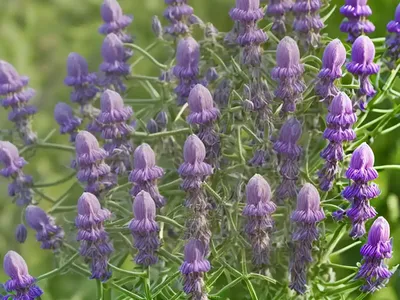
Lupinus Concordini Walp. (Lupinus Cosentinii)
Lupinus cosentinii, also known as Lupinus concordini Walp., is a stunning plant belonging to the Lupinus genus. This species is highly esteemed for its.
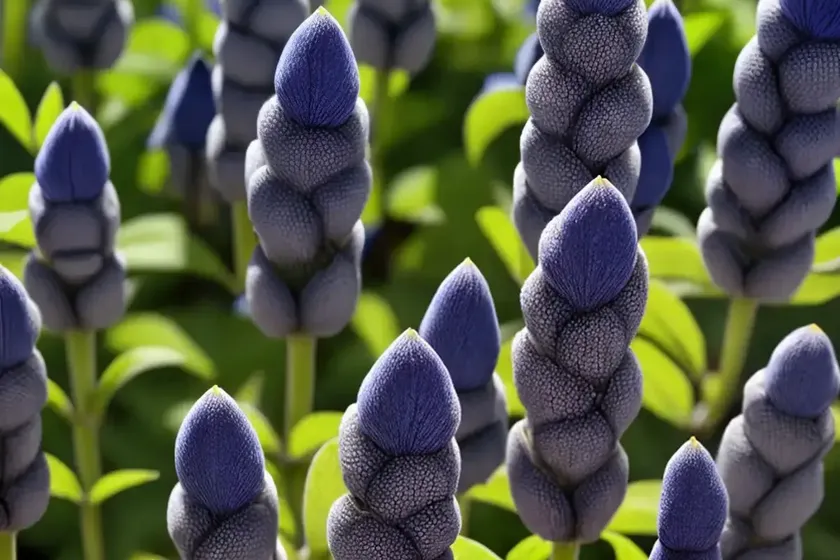
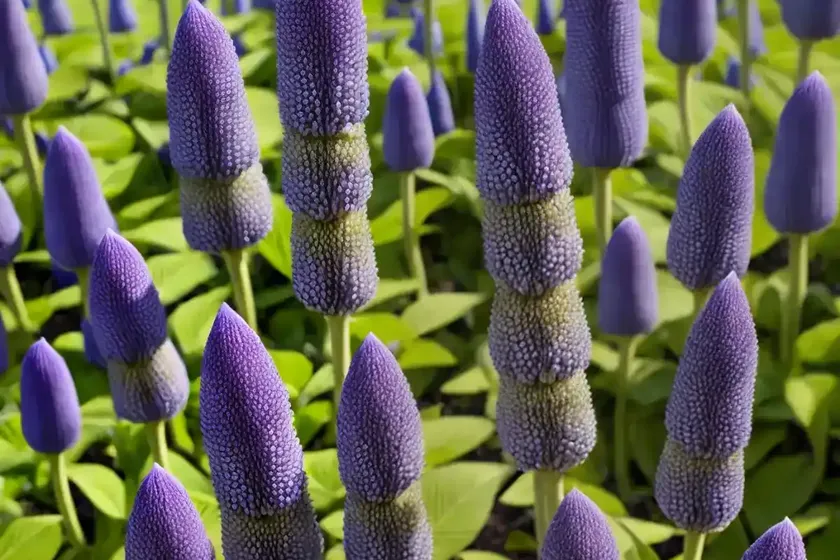

Lupinus cosentinii, also known as Lupinus concordini Walp., is a stunning plant belonging to the Lupinus genus. This species is highly esteemed for its ornamental value, as well as its ecological significance. In this comprehensive guide, we will delve into the description, characteristics, habitat, care tips, and much more to ensure that you have all the information you need to cultivate and appreciate this remarkable plant.
Table of Contents
- Introduction to Lupinus cosentinii
- Description and Characteristics
- Habitat and Native Range
- Cultivation
- Uses
- Water Requirements
- Sunlight Preferences
- Fertilizer Recommendations
- Soil Requirements
- Pruning
- Propagation Methods
- Container Gardening
- Popularity and Common Varieties
- Diseases and Pest Management
- Common Diseases
- Common Pests
- Botanist’s Tips
- Fun Facts
- Links to External Resources
1. Introduction to Lupinus cosentinii
Lupinus cosentinii, commonly known as Blue Lupine, is a perennial herbaceous plant from the Fabaceae family. It is native to the Mediterranean region, particularly in areas such as Italy and Malta. This plant is recognized for its vibrant, elongated clusters of blue flowers that adorn the landscape during its flowering season, making it a popular choice for ornamental and ecological purposes.
2. Description and Characteristics
Lupinus cosentinii is characterized by its distinct features, including:
- Leaf: The plant has palmate leaves consisting of 5-10 leaflets. The leaflets are oblong and possess a smooth texture.
- Flower: The flowers emerge in upright racemes, with an intense blue hue that captivates the observer. These vibrant flowers provide an attractive display during the blooming season.
- Stem: The stem of Lupinus cosentinii is erect, and it can reach a height of approximately 20-80 cm.
3. Habitat and Native Range
Lupinus cosentinii is indigenous to the Mediterranean region, predominantly found in Italy and Malta. It thrives in open areas, including grasslands, scrublands, and woodland margins. These habitats provide the ideal conditions for the plant to flourish, showcasing its captivating blossoms and contributing to the ecological landscape.
4. Cultivation
Uses
Lupinus cosentinii serves various purposes, such as:
- Ornamental: The striking blue flowers make Lupinus cosentinii a coveted ornamental plant, enhancing gardens, parks, and landscapes with its vibrant presence.
- Ecological Significance: As a leguminous plant, Lupinus cosentinii enriches the soil through nitrogen fixation, contributing to the fertility and health of the ecosystem.
Water Requirements
Lupinus cosentinii thrives in well-drained soil, and it benefits from consistently moist conditions, particularly during its active growth period. It is essential to ensure that the plant does not endure extended periods of drought, as adequate moisture levels are crucial for its overall health and vitality.
Sunlight Preferences
This species exhibits a preference for full sun to partial shade. Providing ample sunlight is essential for promoting vigorous growth and abundant flowering. In regions with intense heat, a partial shade environment can offer protection from excessive sun exposure.
Fertilizer Recommendations
When cultivating Lupinus cosentinii, it is beneficial to apply a balanced, slow-release fertilizer to support its growth and blooming potential. The fertilizer should be incorporated into the soil during the initial planting phase and applied periodically during the growing season to sustain the plant’s nutritional requirements.
Soil Requirements
Lupinus cosentinii thrives in well-drained, moderately fertile soil with a neutral to slightly acidic pH. It is essential to avoid waterlogged or compacted soil, as these conditions can hinder the plant’s development and lead to potential issues such as root rot.
Pruning
Pruning can be implemented to remove spent flowers and promote a neat and tidy appearance. Additionally, dead or damaged foliage can be trimmed to enhance the plant’s overall health and aesthetic value.
Propagation Methods
Lupinus cosentinii can be propagated through various techniques, including:
- Seeds: The plant produces seeds that can be collected and sown in suitable growing medium to establish new plants.
- Cuttings: Stem cuttings can be utilized to propagate Lupinus cosentinii, providing an efficient method for expanding its presence in the garden.
Container Gardening
Lupinus cosentinii can be cultivated in containers, offering flexibility in terms of placement and design. When opting for container gardening, it is crucial to select a spacious pot with proper drainage to accommodate the plant’s root system and ensure its well-being.
5. Popularity and Common Varieties
Lupinus cosentinii has garnered popularity among gardeners and enthusiasts due to its captivating blooms and ecological benefits. Several cultivated varieties have been developed to showcase an array of colors and characteristics, further enhancing its appeal in horticultural settings.
6. Diseases and Pest Management
Common Diseases
Lupinus cosentinii may be susceptible to certain diseases, including:
- Powdery Mildew: This fungal disease can manifest as powdery white patches on the foliage, potentially impacting the plant’s vigor and appearance.
- Root Rot: Excessive moisture and poorly drained soil can predispose the plant to root rot, leading to decline and wilting.
Common Pests
Pests such as aphids and spider mites may target Lupinus cosentinii, posing potential threats to its foliage and overall health. Vigilance and proactive pest management measures can aid in preserving the plant’s well-being and vitality.
7. Botanist’s Tips
Enthusiasts and botanists can enhance their experience with Lupinus cosentinii by considering the following tips:
- Companion Planting: Selecting compatible companion plants can complement the aesthetic and ecological attributes of Lupinus cosentinii, creating harmonious garden compositions.
- Pollinator Support: By attracting pollinators such as bees and butterflies, Lupinus cosentinii contributes to the vital role of pollination in the garden ecosystem.
8. Fun Facts
- In folklore and mythology, Lupinus cosentinii is associated with symbolism and cultural significance, reflecting its enduring appeal across different traditions and narratives.
- The plant’s striking blue flowers not only captivate human admirers but also serve as a valuable nectar source for pollinators, further showcasing its ecological significance.
9. Links to External Resources
For further information and resources on Lupinus cosentinii, the following links are recommended:
By incorporating the care tips and insights provided in this guide, individuals can cultivate and appreciate Lupinus cosentinii, fostering its beauty and ecological contributions in garden settings. Whether as an ornamental centerpiece or an ecological ally, this remarkable plant enriches the horticultural landscape with its vibrant presence and enduring allure.