Wintergreen Barberry (Berberis Julianae)
In a world where diversity reigns supreme, the beauty and utility of plants are often overshadowed by their more glamorous counterparts in the animal.
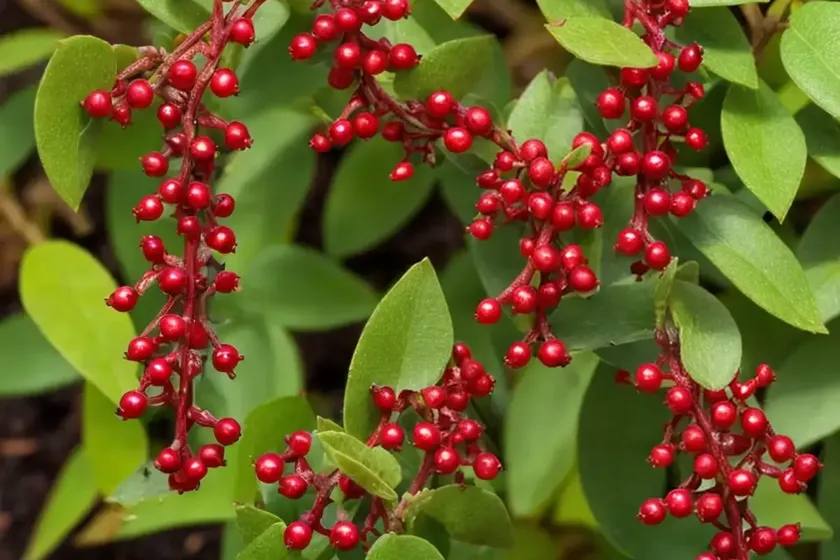
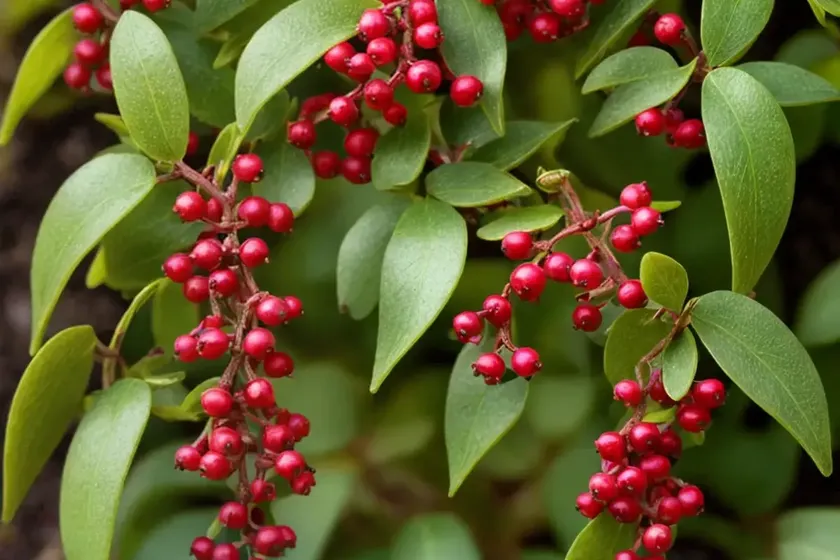
In a world where diversity reigns supreme, the beauty and utility of plants are often overshadowed by their more glamorous counterparts in the animal kingdom. However, if we take a closer look, we will realize that plants are equally fascinating and crucial for our survival. In this extensive guide, we will delve into the captivating world of Wintergreen Barberry, scientifically known as Berberis Julianae. This evergreen shrub is not only visually appealing but also offers a myriad of benefits and uses, making it an indispensable component of any landscape.
What is Wintergreen Barberry (Berberis Julianae)?
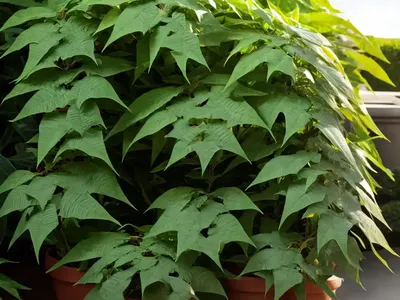
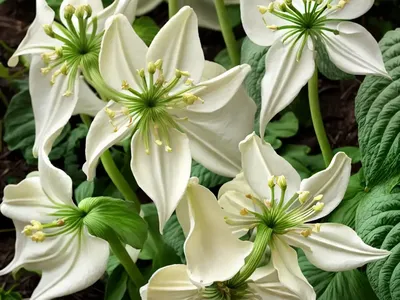
Wintergreen Barberry, or Berberis Julianae, is a prominent member of the Berberidaceae family. The species is native to China and has been widely adopted in various parts of the world due to its ornamental value and functional attributes. It is an evergreen shrub characterized by glossy, dark green leaves and vibrant, golden-yellow flowers. In addition to its aesthetic allure, Wintergreen Barberry is celebrated for its hardiness, making it suitable for diverse environmental conditions.
Key Takeaways – Wintergreen Barberry (Berberis Julianae)
Before we delve into the specifics of caring for Wintergreen Barberry, it is essential to highlight the key takeaways associated with this species. Understanding these critical points will not only aid in its cultivation but also enrich our appreciation for this remarkable plant.
-
Wintergreen Bush: Berberis Julianae, also known as Wintergreen Barberry, is an evergreen bush with lustrous dark green foliage, adding a touch of elegance to any landscape throughout the year.
-
Barberry Plant: Recognized for its versatility and adaptability, the Barberry plant, especially the Wintergreen variety, has garnered attention for its resilience and aesthetic appeal.
-
Berberis Julianae: The scientific nomenclature for Wintergreen Barberry, Berberis Julianae, symbolizes its botanical significance and cultural relevance in horticulture.
-
Evergreen Shrub: As an evergreen shrub, Wintergreen Barberry retains its foliage year-round, embodying resilience and steadfastness in the face of changing seasons.
-
Wintergreen Barberry Care: The care regimen for Wintergreen Barberry involves specific requirements related to water, sunlight, soil, and maintenance practices, contributing to its optimal growth and vitality.
Now that we have set the stage for understanding the significance and characteristics of Wintergreen Barberry, let’s explore the specific aspects related to its culture, uses, and care.
Culture
Understanding the cultural preferences of Wintergreen Barberry is crucial for nurturing its growth and ensuring its vitality. From soil requirements to pruning techniques, being well-versed in the cultural needs of this species is indispensable for its optimal development.
Water
The water requirements for Wintergreen Barberry are relatively moderate, making it suitable for regions with varying precipitation levels. When establishing young plants, it is essential to ensure consistent moisture while avoiding waterlogging. Once established, Wintergreen Barberry exhibits good drought tolerance, significantly reducing the need for frequent watering. However, during prolonged periods of dry weather, supplementary irrigation may be necessary to support its health and vigor.
Sunlight
Wintergreen Barberry thrives in locations with abundant sunlight, displaying enhanced foliage coloration and flower production in full sun exposure. Selecting a site with adequate sunlight is critical for maximizing the ornamental value of this species. While it can tolerate partial shade, Wintergreen Barberry tends to exhibit superior growth and vibrancy when provided with ample sunlight.
Fertilizer
Applying a balanced fertilizer in spring is beneficial for promoting the growth and development of Wintergreen Barberry. Opt for a slow-release fertilizer to supply essential nutrients gradually throughout the growing season. Avoid excessive application of nitrogen-rich fertilizers, as this may result in excessive vegetative growth at the expense of flowering and fruiting. Prioritize organic fertilizers to maintain soil fertility and support the overall well-being of the plant.
Soil
Wintergreen Barberry thrives in well-drained, slightly acidic to neutral soil. It is essential to avoid waterlogged or compacted soil, as this can impede root development and lead to detrimental effects on the plant’s health. Prior to planting, amend the soil with organic matter to enhance its structure and nutrient content. Regular soil testing can provide valuable insights into the pH levels and fertility status of the soil, facilitating targeted amendments and adjustments to ensure an optimal growing environment for Wintergreen Barberry.
Pruning
Pruning plays a vital role in shaping the form and structure of Wintergreen Barberry, in addition to promoting airflow and reducing the risk of disease. Conduct pruning during the dormant season, typically in late winter or early spring, to remove damaged or overcrowded branches. Additionally, selective pruning can be employed to maintain the desired size and shape of the plant, thereby enhancing its aesthetic appeal within the landscape.
Propagation
Propagation of Wintergreen Barberry can be achieved through various methods, including seed sowing, division, and softwood cuttings. Each approach offers unique advantages and challenges, catering to different preferences and circumstances.
Seed Sowing
Growing Wintergreen Barberry from seeds can be a rewarding yet time-consuming process. Collect mature berries from the plant and extract the seeds for sowing in a prepared seedbed. Germination may take several weeks to months, and the resulting seedlings can exhibit genetic variability. However, seed propagation offers the thrill of observing the entire lifecycle of the plant, from germination to maturity.
Division
Division involves separating the root ball of an established Wintergreen Barberry plant to propagate multiple individuals. This method is particularly effective for rejuvenating older specimens and expanding the plant population within a specific area. Care should be taken to ensure that each division possesses an adequate root system and foliage to facilitate successful establishment.
Softwood Cuttings
Utilizing softwood cuttings from actively growing shoots provides a reliable means of propagating Wintergreen Barberry. Select healthy, non-flowering shoots and prepare them for rooting in a suitable growing medium. Maintain optimal moisture and humidity levels to support root initiation and subsequent growth. This method allows for the rapid generation of genetically identical offspring, ensuring the retention of desirable traits from the parent plant.
Container Popularity
Wintergreen Barberry’s adaptability and ornamental value have contributed to its widespread popularity in container gardening. Its evergreen nature, vibrant foliage, and compact size make it an ideal candidate for container cultivation, offering versatility in design and placement within outdoor spaces.
Despite being well-suited for container growth, it is crucial to adhere to specific guidelines for maintaining Wintergreen Barberry in containers. Select a spacious container with adequate drainage holes to prevent waterlogging, and utilize a well-draining potting mix to promote healthy root development. Regular monitoring of moisture levels and timely repotting will ensure the sustained growth and vitality of Wintergreen Barberry in containers.
Uses
The utility of Wintergreen Barberry extends beyond its ornamental value, encompassing a wide range of applications that underscore its relevance in various settings. From landscape design to wildlife attraction, this versatile species serves as a valuable asset with multifaceted uses.
Landscape Design
Wintergreen Barberry holds immense appeal in landscape design, where it contributes to the creation of visually captivating and structurally diverse settings. Its vibrant foliage, compact habit, and resilience against adverse conditions render it an invaluable component in both formal and informal landscape compositions. Whether employed as a low hedge, specimen plant, or border accent, Wintergreen Barberry enriches the visual and textural dynamics of the landscape, infusing it with year-round interest and appeal.
Wildlife Attraction
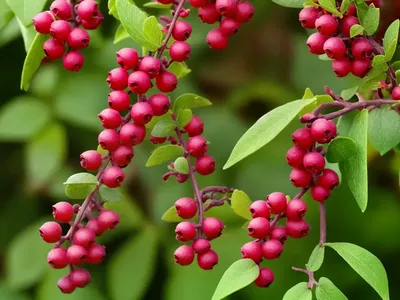
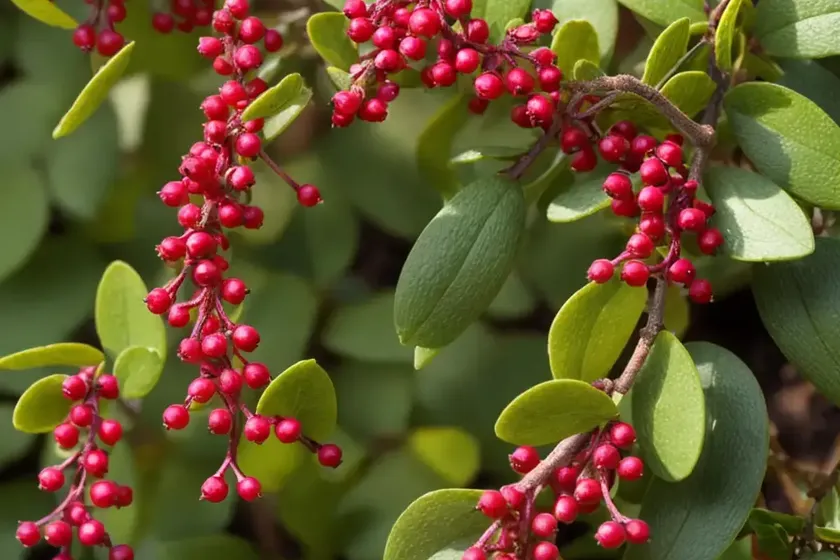
The attributes of Wintergreen Barberry extend beyond visual aesthetics, as the plant also exhibits wildlife-attracting properties. The dense foliage and thorny nature of the shrub provide cover and nesting sites for birds, fostering a hospitable environment for avian species. Furthermore, the berry-like fruits of Wintergreen Barberry serve as a food source for birds and small mammals, enhancing the ecological value of the plant within the natural ecosystem.
Privacy Screen
The dense growth and evergreen foliage of Wintergreen Barberry make it an excellent candidate for creating privacy screens and delineating boundaries within outdoor spaces. When strategically planted and maintained, the shrub forms an effective barrier, offering seclusion and shelter while imparting a sense of intimacy and enclosure. This application is particularly beneficial in urban and suburban landscapes, where privacy and spatial definition are highly sought after.
Medicinal Uses
In addition to its horticultural and landscaping significance, Wintergreen Barberry has been historically utilized for its medicinal properties in certain traditional systems of medicine. The bark, roots, and berries of the plant contain bioactive compounds that have been attributed with various therapeutic properties, ranging from antimicrobial and anti-inflammatory effects to digestive and circulatory benefits. While the utilization of Wintergreen Barberry for medicinal purposes necessitates careful consideration and expert guidance, its historical relevance in this domain underscores its cultural and botanical importance.
Common Diseases
Understanding the potential diseases that can afflict Wintergreen Barberry is integral to safeguarding its health and vitality. By familiarizing ourselves with these common ailments and their associated symptoms, we can take proactive measures to mitigate the risk of disease occurrence and minimize their impact on the plant.
Disease Diagnosis
Wintergreen Barberry is susceptible to certain diseases, including fungal infections and bacterial pathogens that can compromise its vigor and aesthetic appeal. Common diseases that affect Barberry plants include:
Powdery Mildew (Erysiphe berberidis)
Powdery mildew manifests as a white, powdery coating on the foliage, accompanied by stunted growth and distortion of leaves. This fungal disease thrives in humid conditions and can spread rapidly if left unchecked, necessitating prompt intervention to prevent its escalation.
Leaf Spot (Myrothecium roridum)
Leaf spot presents as circular, dark lesions on the foliage, leading to premature leaf drop and diminished vitality. It is essential to monitor for the early signs of leaf spot and implement cultural practices to minimize its prevalence and impact on Wintergreen Barberry.
Canker (Cryptocline taxicola)
Canker disease is characterized by the formation of sunken, necrotic lesions on the stems and branches of Wintergreen Barberry. Pruning out affected areas and promoting optimal growing conditions are crucial for managing canker and preventing its recurrence.
Diagnosing and addressing these diseases necessitates a combination of preventive measures and targeted interventions, with an emphasis on promoting the overall vigor and resilience of Wintergreen Barberry.
Common Pests
Pests can pose a significant threat to the health and aesthetics of Wintergreen Barberry, warranting vigilant monitoring and timely intervention to minimize their impact. Familiarizing ourselves with the common pests that afflict Barberry plants is essential for implementing effective pest management strategies.
Aphids
Aphids are common pests that can infest the foliage of Wintergreen Barberry, causing yellowing of leaves and distortion of growth. The application of horticultural oils and insecticidal soaps can help control aphid populations while minimizing adverse effects on beneficial insects.
Spider Mites
Spider mites are microscopic pests that feed on the foliage of Wintergreen Barberry, resulting in stippled and discolored leaves. Regularly inspecting the undersides of leaves and employing measures such as high-pressure water sprays can aid in managing spider mite infestations and preserving the plant’s health.
Scale Insects
Scale insects pose a threat to Wintergreen Barberry by feeding on its sap and diminishing its vigor. Pruning out heavily infested areas and deploying biological control agents can aid in regulating scale insect populations and preventing widespread damage to the plant.
By remaining vigilant and implementing integrated pest management practices, we can uphold the health and vitality of Wintergreen Barberry while curbing the impact of common pests.
Botanist’s Tips
Drawing upon the insights of experienced botanists and horticulturists can enrich the cultivation and appreciation of Wintergreen Barberry. The following tips encapsulate valuable guidance from experts in the field, offering practical advice and recommendations for fostering the optimal growth and well-being of this esteemed shrub.
- Prune Strategically: Employ strategic pruning techniques to shape and maintain the form of Wintergreen Barberry, promoting airflow and reducing the risk of disease incidence.
- Monitor Soil Moisture: Regularly assess soil moisture levels to avoid water stress and maintain adequate hydration for Wintergreen Barberry, especially during periods of prolonged dry weather.
- Implement Integrated Pest Management: Adopt a holistic approach to pest management, leveraging natural predators and targeted interventions to regulate pest populations and minimize chemical inputs.
- Embrace Biodiversity: Incorporate Wintergreen Barberry within diverse plant compositions to foster ecological balance and create varied habitats for wildlife within the landscape.
- Encourage Wildlife Interaction: Facilitate interactions with wildlife by strategically siting Wintergreen Barberry to serve as a food source and shelter for birds and small mammals, contributing to the ecological richness of the environment.
- Promote Soil Health: Prioritize soil health through the incorporation of organic matter, regular soil testing, and the implementation of sustainable practices that nurture a conducive growing medium for Wintergreen Barberry.
The cumulative wisdom encapsulated in these botanist’s tips not only enriches our understanding of Wintergreen Barberry but also empowers us to cultivate and steward this remarkable species with care and intention.
Fun Facts
Unearthing the intriguing facets of Wintergreen Barberry unveils a world of fascination and wonder. These fun facts shed light on the unique and captivating attributes of the plant, enhancing our appreciation for its botanical marvel.
-
Wildlife Magnet: Wintergreen Barberry is cherished for its ability to attract a diverse array of wildlife, ranging from songbirds and pollinators to beneficial insects, thus contributing to the ecological tapestry of the landscape.
-
Thorny Deterrent: The thorny nature of Wintergreen Barberry serves as a natural deterrent against intruders and browsing animals, making it a valuable candidate for hedging and boundary delineation.
-
Ornamental Appeal: The glossy, dark green foliage and vibrant, golden-yellow flowers of Wintergreen Barberry bestow it with year-round ornamental appeal, ensuring a striking presence in any landscape.
-
Traditional Uses: Throughout history, various parts of Wintergreen Barberry have been utilized for their medicinal properties within certain cultural traditions, highlighting its historical significance in herbal medicine.
-
Drought Tolerance: Wintergreen Barberry exhibits commendable tolerance to drought and dry conditions, rendering it a resilient and adaptable species for arid and semi-arid environments.
-
Foliage Diversity: In addition to its evergreen nature, Wintergreen Barberry is adorned with a dynamic range of foliage colors, from deep green in the warmer months to hues of bronze and red in the autumn, contributing to a visually captivating display.
By embracing these fun facts, we not only enrich our knowledge of Wintergreen Barberry but also uncover the enchanting allure that defines this exceptional plant.
Links to External Resources
To delve deeper into the realm of Wintergreen Barberry and augment our understanding of its cultivation and significance, the following external resources provide valuable insights, research findings, and practical guidance pertaining to this esteemed species.
-
American Horticultural Society – A comprehensive repository of horticultural information, including articles, guides, and resources on Wintergreen Barberry and related topics.
-
Royal Horticultural Society – Access a wealth of expertise and advisory materials, including cultivation advice and botanical profiles, to further explore Wintergreen Barberry.
-
Missouri Botanical Garden – Engage with scientific research, conservation efforts, and educational resources to deepen our understanding of Wintergreen Barberry and its ecological significance.
-
University Extension Services – University extension services offer publications, workshops, and expert advice on horticultural practices and plant care, including insights related to Wintergreen Barberry.
In conclusion, the enduring allure of Wintergreen Barberry, or Berberis Julianae, extends beyond its visual elegance to encompass botanical significance, ecological contributions, and practical utility. By embracing the insights and recommendations outlined in this comprehensive guide, we are poised to embark on a journey of discovery and stewardship, cultivating a deeper appreciation for the unparalleled charm and resilience of Wintergreen Barberry within our landscapes and ecosystems.