Purple Coneflower (Echinacea purpurea ‘Red Knee High’)
Purple coneflower, scientifically known as Echinacea purpurea ‘Red Knee High’, is a stunning perennial plant that belongs to the Asteraceae family. This popular garden flower is native to the eastern United States and is cherished for its ornamental, wildlife-attracting, and medicinal properties. In this comprehensive guide, we will explore the cultural requirements, uses, cultivation tips, and much more about the beautiful purple coneflower.
Key Takeaways
Before delving into the intricate details of cultivating and caring for the purple coneflower, let’s take a quick overview of the key takeaways associated with this plant.
- Botanical Name: Echinacea purpurea ‘Red Knee High’
- Varieties: Purple coneflower varieties
- Gardening Focus: Red Knee High coneflower
- Plant Type: Perennial flowering plant
- Uses: Ornamental, medicinal, wildlife attraction
- Cultural Requirements: Water, sunlight, fertilizer, and soil
- Maintenance: Pruning, propagation, container gardening
- Popularity: Widely cultivated and admired in gardens
- Common Diseases: Disease diagnosis and prevention
- Pests: Common pests and pest control
- Botanist’s Tips: Expert tips on cultivation and care
- Fun Facts: Interesting trivia about the purple coneflower
- External Resources: Links to reliable external sources for further exploration
Now, let’s embark on a journey to understand the fascinating world of purple coneflowers, uncovering their cultural needs, uses, and the secrets to successful cultivation.
What is Purple Coneflower?
Plant Description
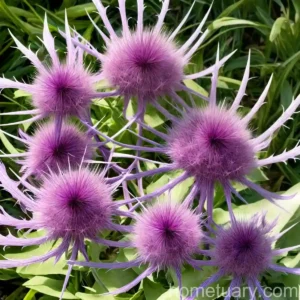
Purple coneflower, Echinacea purpurea ‘Red Knee High’, is a herbaceous perennial flowering plant that typically reaches heights between 18 to 30 inches. This coneflower variety is renowned for its deep purple, daisy-like flowers with prominent coppery-orange centers. The sturdy, upright stems adorned with showy blossoms make this plant an exceptional addition to garden landscapes and floral arrangements.
Echinacea purpurea ‘Red Knee High’ features distinctive dark green foliage, serving as an excellent contrast to the vibrant blooms. The plant’s cylindrical, spiky seed heads add visual interest in late summer and fall, while also attracting birds and pollinators to the garden.
Native Habitat
The native range of Echinacea purpurea, including the ‘Red Knee High’ variety, encompasses the eastern regions of the United States. In the wild, it thrives in open woods, prairies, and dry to moist soils, showcasing its adaptability to a range of growing conditions.
Ornamental and Medicinal Uses
With its captivating blooms and beneficial properties, Echinacea purpurea ‘Red Knee High’ is valued for both its ornamental and medicinal attributes. As a garden plant, it adds color and allure to perennial borders, cottage gardens, and naturalistic landscapes. Additionally, its medicinal properties have made it a staple in herbal remedies and wellness products, primarily to support immune system function.
Culture
To successfully cultivate and maintain Echinacea purpurea ‘Red Knee High’, it is essential to understand its cultural requirements, including water, sunlight, fertilizer, soil, and pruning.
Water
Purple coneflowers, including the ‘Red Knee High’ variety, exhibit good drought tolerance once established. However, regular watering is crucial during the initial stages of growth and establishment. The general rule of thumb is to provide about 1 inch of water per week, especially during dry spells or prolonged periods of high temperatures.
Sunlight
Echinacea purpurea thrives in full sun to partial shade conditions. For optimal growth and prolific flowering, it should receive at least 6 hours of direct sunlight per day. Adequate sunlight promotes sturdy plant growth, enhances flower production, and ensures vibrant bloom coloration.
Fertilizer
Although purple coneflowers are generally low-maintenance plants, they benefit from an annual application of a balanced, slow-release fertilizer in early spring. A granular fertilizer with an N-P-K ratio of 10-10-10 or similar is suitable for promoting healthy foliage and robust flowering.
Soil
Well-drained, moderately fertile soils are ideal for purple coneflower cultivation. The plants prefer loamy or sandy soils with a slightly acidic to neutral pH (6.0-7.0). As native prairie plants, they have an innate tolerance for different soil types, as long as the soil does not become waterlogged.
Pruning
Pruning is a simple but effective practice to maintain the vigor and visual appeal of purple coneflowers. Deadheading spent flowers not only encourages prolonged blooming but also prevents self-seeding, thus managing and controlling the spread of the plants within the garden.
Uses
Ornamental Value
As a popular garden ornamental, Echinacea purpurea ‘Red Knee High’ enchants gardeners and admirers with its striking blooms and architectural presence. Its upright growth habit and colorful blossoms make it suitable for various garden settings, ranging from formal landscapes to wild and naturalistic plantings.
Medicinal Properties
Echinacea purpurea has a long-standing reputation in traditional herbal medicine for its immune-boosting properties. The roots, flowers, and other aerial parts of the plant are used to produce herbal supplements, teas, tinctures, and extracts. Research has shown that Echinacea purpurea extracts may help support the body’s natural defense mechanisms.
Propagation
Seeds
Purple coneflowers can be propagated from seeds, which are readily available from reputable seed suppliers. Sow the seeds indoors about 8-10 weeks before the last frost date in your region. Once the seedlings have developed several sets of true leaves, they can be transplanted into the garden or larger containers.
Division
Dividing established clumps of purple coneflowers is another effective propagation method. Divide the plants in early spring or early fall, ensuring that each division has a healthy portion of roots and several growing points. Replant the divisions at the appropriate spacing in prepared soil with good drainage.
Container Gardening
For gardeners with limited space or those who prefer growing plants in containers, Echinacea purpurea ‘Red Knee High’ is well-suited for container cultivation. Select a large, sturdy container with drainage holes and fill it with well-draining potting mix. Place the container in a sunny location and water the plant regularly to keep the soil evenly moist.
Popularity
Echinacea purpurea ‘Red Knee High’ holds a special place in the hearts of gardeners and plant enthusiasts worldwide. Its popularity can be attributed to its stunning flowers, low maintenance requirements, and diverse uses in gardens and natural medicine. This perennial plant has earned a reputation as a garden staple, coveted for its beauty and botanical contributions.
Common Diseases
Disease Diagnosis
While purple coneflowers are generally resilient, they can occasionally be affected by certain fungal diseases such as powdery mildew, aster yellows, and Botrytis blight. These diseases can cause cosmetic damage and affect the overall health of the plants. It is essential to promptly diagnose any signs of disease and take appropriate measures to manage the conditions effectively.
Disease Prevention
Preventive measures such as providing adequate air circulation, avoiding overhead watering, and maintaining clean garden practices can significantly reduce the risk of diseases affecting purple coneflowers. Additionally, using disease-resistant cultivars and promptly removing and disposing of any infected plant material can help in preventing the spread of diseases.
Common Pests
Pest Control
Like many garden plants, purple coneflowers may encounter pest issues, including aphids, spider mites, and Japanese beetles. Regular inspection of the plants for signs of pest activity, such as distorted foliage or unusual discoloration, can aid in early pest detection. Utilizing organic insecticidal soaps or neem oil can help control minor pest infestations without harming beneficial insects.
Botanist’s Tips
Cultivating and caring for Echinacea purpurea ‘Red Knee High’ can be a rewarding experience for both seasoned gardeners and beginners. Here are some valuable tips from botanists and experienced growers to ensure success with this distinctive plant:
- Selecting Cultivars: Explore different purple coneflower varieties to discover unique flower colors, plant sizes, and growth habits that suit your gardening preferences.
- Garden Design: Incorporate purple coneflowers into mixed borders, pollinator gardens, and naturalized landscapes to attract beneficial insects and wildlife while adding visual interest.
- Dry Landscapes: Given their drought tolerance, purple coneflowers are suitable choices for xeriscapes and water-wise gardens, contributing to sustainable landscape designs.
- Mulching: Apply a layer of organic mulch around the base of the plants to conserve soil moisture, suppress weeds, and insulate the roots during temperature fluctuations.
- Overwintering: In regions with cold winters, provide a layer of mulch or protective cover to insulate the root zone and shield the plants from the harshest winter conditions.
Fun Facts
To further appreciate the allure and uniqueness of Echinacea purpurea ‘Red Knee High’, here are some captivating fun facts about this beloved plant:
- Coneflower Etymology: The common name “coneflower” is derived from the raised, cone-shaped centers of the flowers, which are distinctive to the Echinacea genus.
- Native American Use: Native American tribes historically used various Echinacea species for medicinal purposes, including treating wounds, infections, and respiratory ailments.
- Butterfly Magnet: Purple coneflowers are butterfly magnets, attracting a diverse array of butterfly species with their nectar-rich blooms and perching spots.
- Hardy Perennial: Echinacea purpurea ‘Red Knee High’ is a tough, hardy perennial that can thrive for many years with minimal care, making it an enduring garden favorite.
- Herbal Elixir: Echinacea purpurea extracts are commonly used in herbal elixirs and teas, often marketed as immune-supportive supplements during seasonal wellness concerns.
Links to External Resources
For further insights into the cultivation, uses, and health benefits of Echinacea purpurea ‘Red Knee High’, consider exploring the following reputable external resources:
- University of Maryland Medical Center: Echinacea
- Missouri Botanical Garden: Echinacea purpurea
- American Horticultural Society: Purple Coneflower
- The Old Farmer’s Almanac: Growing Coneflowers
- Penn State Extension: Coneflowers for the Garden
We’ve only scratched the surface of the captivating world of Echinacea purpurea ‘Red Knee High’ and its botanical wonders. As you embark on your journey with this delightful plant, consider the intriguing history, versatile uses, and natural beauty it brings to gardens and landscapes.
Whether you are drawn to its magnificent blooms, herbal properties, or its role in supporting pollinators, the purple coneflower stands as a testament to the enduring allure of garden plants, inspiring fascination and appreciation for the natural world.