The Beauty of Orange Meadowbrite Coneflower (Echinacea ‘Art’s Pride’)
Coneflowers are renowned for their stunning and vibrant displays. Among the numerous varieties, the Echinacea ‘Art’s Pride,’ commonly known as Orange Meadowbrite Coneflower, stands out for its distinctive orange blooms. This blog post delves into the fascinating world of Echinacea ‘Art’s Pride,’ covering its culture, uses, care tips, and interesting facts.
What is Orange Meadowbrite Coneflower (Echinacea ‘Art’s Pride’)?
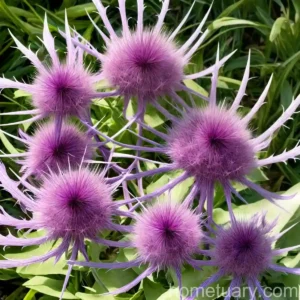
Echinacea ‘Art’s Pride’ is a striking perennial cone flower characterized by its dazzling orange petals and prominent cone-shaped centers. This vibrant variety is part of the Meadowbrite series, known for its remarkable flower color and landscape appeal. Echinacea ‘Art’s Pride’ is a member of the Echinacea purpurea family and is revered for its resilience, making it an excellent choice for various garden settings.
Key Takeaways – Orange Meadowbrite Coneflower (Echinacea ‘Art’s Pride’)
Before we dive into the specifics, here are the key takeaways about Orange Meadowbrite Coneflower (Echinacea ‘Art’s Pride’):
- Vibrant orange blooms that add a striking pop of color to gardens.
- A perennial plant with resilient characteristics, suitable for various garden types.
- Part of the Meadowbrite series, known for its captivating flower colors.
- Ideal for attracting butterflies and pollinators, enhancing wildlife-friendly gardens.
- Offers medicinal properties traditionally associated with Echinacea plants.
Now, let’s explore the various aspects of Orange Meadowbrite Coneflower, from its culture and uses to care tips and interesting facts.
Culture of Orange Meadowbrite Coneflower (Echinacea ‘Art’s Pride’)
Water
Orange Meadowbrite Coneflower thrives in moderately moist soil. When establishing the plant, regular watering is essential to support healthy growth. After the plant is established, it is relatively drought-tolerant, making it suitable for regions with varying moisture levels. However, during prolonged dry spells, providing supplemental water can help maintain vibrant blooms and overall plant health.
Sunlight
Echinacea ‘Art’s Pride’ flourishes in full sun to partial shade. To ensure robust flowering and compact growth, position the plant in an area that receives at least 6 hours of sunlight per day. In regions with hot summers, providing some afternoon shade can prevent the plant from becoming overly stressed and maintain the intensity of its orange blooms.
Fertilizer
For Orange Meadowbrite Coneflower, a balanced, slow-release fertilizer applied in early spring can provide the necessary nutrients for vigorous growth and prolific flowering. A general-purpose fertilizer with a ratio such as 10-10-10 can support the plant’s overall health and blooming capacity. It’s important to follow the specific instructions on the fertilizer packaging regarding application rates and frequency.
Soil
Well-draining, loamy soil is ideal for Orange Meadowbrite Coneflower. The plant prefers soil with good drainage to prevent waterlogging, which can adversely affect its root system. Amending the soil with organic matter, such as compost, can enhance its structure and fertility, creating an optimal environment for the coneflower to thrive.
Pruning and Deadheading
Regular deadheading can prolong the blooming period of Orange Meadowbrite Coneflower, encouraging the development of new blooms. As the flowers fade, promptly removing them not only enhances the plant’s appearance but also redirects its energy towards producing additional blooms. In late fall or early spring, cutting back the stems to ground level can help rejuvenate the plant and promote vigorous growth in the following season.
Propagation
Orange Meadowbrite Coneflower can be propagated through division or seeds. Division is typically carried out in early spring or late summer, carefully separating the root clumps to create new plantings. When propagating from seeds, sow them in a well-prepared seedbed in fall or early spring, ensuring consistent moisture for successful germination.
Growing Echinacea ‘Art’s Pride’ in Containers
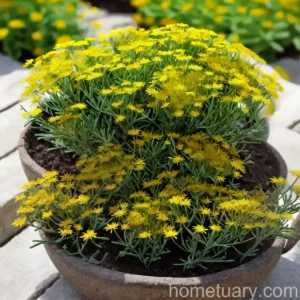
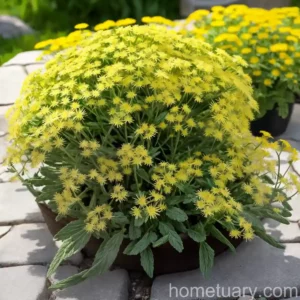
Orange Meadowbrite Coneflower can thrive in containers, adding a burst of color to patios, balconies, and other outdoor spaces. When growing this plant in containers, it’s crucial to select a pot with adequate drainage holes to prevent waterlogging. Using a high-quality potting mix designed for perennial plants can provide the necessary nutrients and proper aeration for healthy growth. Regular watering and monitoring of soil moisture levels are essential when growing Echinacea ‘Art’s Pride’ in containers.
Popularity of Orange Meadowbrite Coneflower (Echinacea ‘Art’s Pride’)
Orange Meadowbrite Coneflower has gained popularity among gardening enthusiasts and landscapers for its captivating orange blooms and resilience. The plant’s vibrant color and long-lasting flowers make it a sought-after choice for adding visual interest to gardens, landscapes, and wildlife-friendly habitats. In addition, its appeal to pollinators and low-maintenance characteristics further contribute to its widespread popularity.
Common Diseases and Pest Management
Common Diseases
Orange Meadowbrite Coneflower is generally resistant to many common plant diseases. However, maintaining good air circulation around the plant, avoiding overhead watering, and providing proper spacing can help prevent issues such as powdery mildew and aster yellows. Additionally, ensuring optimal growing conditions, including well-draining soil and appropriate sunlight, can minimize the risk of disease development.
Disease Diagnosis
If the plant shows signs of disease, such as powdery white spots on the leaves or distorted growth, prompt diagnosis and treatment are crucial. It’s advisable to consult with local garden centers, extension services, or plant health professionals to accurately identify the specific disease affecting the coneflower and determine an effective course of action.
Common Pests
Orange Meadowbrite Coneflower is relatively resistant to pest infestations. However, it may occasionally attract aphids, which can be managed through natural predators, insecticidal soaps, or horticultural oils. Regular inspection of the plant for signs of pest activity and early intervention can help maintain its overall health and vigor.
Botanist’s Tips for Growing and Caring for Orange Meadowbrite Coneflower
- Plant Orange Meadowbrite Coneflower in well-draining soil and provide adequate spacing to promote healthy growth and prevent disease.
- Deadhead the spent blooms regularly to encourage continuous flowering and maintain the plant’s appearance.
- Consider companion planting with other pollinator-friendly species to enhance the ecological value of the garden and support biodiversity.
- Monitor the soil moisture levels, especially during the establishment phase and prolonged dry spells, to ensure the plant’s hydration needs are met.
Fun Facts about Echinacea ‘Art’s Pride’
- The vibrant orange petals of Echinacea ‘Art’s Pride’ make it an eye-catching addition to garden landscapes and floral arrangements.
- Echinacea plants, including Orange Meadowbrite Coneflower, have historically been utilized for their purported medicinal properties, adding to their cultural significance.
- The resilience and adaptability of Orange Meadowbrite Coneflower reflect the diverse and hardy nature of native coneflower species.
Links to External Resources
- Coneflower – FineGardening.com
- Growing Echinacea – TheSpruce.com
- Coneflower Care Guide – GardeningKnowHow.com
In conclusion, Orange Meadowbrite Coneflower (Echinacea ‘Art’s Pride’) stands out as a captivating and resilient perennial plant with vibrant orange blooms. From its cultural preferences to its popularity in gardens and landscaping, this versatile coneflower offers an array of benefits and visual appeal. Whether used for attracting pollinators, adding color to flower beds, or enhancing container displays, Echinacea ‘Art’s Pride’ is a standout choice for gardeners seeking a touch of vibrant orange in their landscapes.