Purple Coneflower (Echinacea ‘Balscblum’ DOUBLE SCOOP BUBBLE GUM): A Comprehensive Guide
Plants have always fascinated humanity with their beauty, utility, and diversity. One such enchanting plant is the Purple Coneflower (Echinacea ‘Balscblum’ DOUBLE SCOOP BUBBLE GUM). In this comprehensive guide, we will delve into the various aspects of this stunning plant, from its cultural requirements to its uses, diseases, and pests. Furthermore, we will touch upon its propagation methods, fun facts, and interesting trivia, making this guide an indispensable resource for plant enthusiasts and professionals alike.
What is the Purple Coneflower (Echinacea ‘Balscblum’ DOUBLE SCOOP BUBBLE GUM)?
The Purple Coneflower, scientifically known as Echinacea ‘Balscblum’ DOUBLE SCOOP BUBBLE GUM, is a vibrant and visually striking herbaceous perennial. Belonging to the daisy family (Asteraceae), this floral beauty is native to North America and is renowned for its prominent and eye-catching flowers.
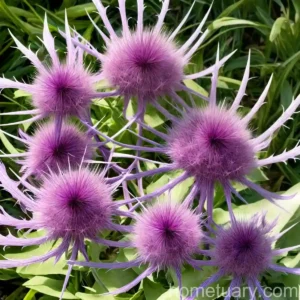
The ‘Balscblum’ DOUBLE SCOOP BUBBLE GUM variety of Echinacea is distinguished by its particularly alluring shades of purple and pink, making it a sought-after choice for gardens and landscapes. This cultivar’s captivating hues and unique morphological features set it apart from other Echinacea varieties, making it a delightful addition to any horticultural setting.
Key Takeaways – Purple Coneflower (Echinacea ‘Balscblum’ DOUBLE SCOOP BUBBLE GUM)
- Scientific Name: Echinacea ‘Balscblum’ DOUBLE SCOOP BUBBLE GUM
- Common Name: Purple Coneflower
- Plant Type: Herbaceous Perennial
- Unique Attribute: Distinctive purple and pink flower shades
- Family: Asteraceae
- Native Range: North America
- Appeal: Attracts pollinators and wildlife
- Cultivar: ‘Balscblum’ DOUBLE SCOOP BUBBLE GUM
- Flower Characteristics: Dainty and eye-catching
- Uses: Medicinal, Ornamental
With this overview in mind, let’s delve deeper into the various aspects of the Purple Coneflower, ranging from its cultural requirements to its uses, diseases, and pests.
Culture
Purple Coneflowers, like other members of the Echinacea genus, are known for their relatively easygoing nature. However, providing them with the right cultural conditions is essential to ensure their optimal growth and development.
Water
- Optimal Watering: Purple Coneflowers prefer well-drained soil and moderate moisture levels.
- Watering Frequency: Water the plants whenever the top inch of the soil feels dry to the touch. Avoid over-watering, as excessively wet conditions can lead to root rot.
- Establishment Period: Newly planted Purple Coneflowers require more regular watering until they establish a robust root system. Once established, they display moderate drought tolerance.
Sunlight
- Sun Exposure: These coneflowers thrive in full sun to partial shade conditions. However, they tend to produce the most vibrant blooms when exposed to ample sunlight.
Soil
- Preferred Soil Type: Well-draining, loamy soil with a slightly acidic to neutral pH (around 6.0 to 7.0).
- Soil Amendments: Amending the soil with organic matter, such as compost, can improve its structure and fertility.
- Soil Moisture: Avoid waterlogged or excessively dry soils. A well-balanced moisture level is crucial for the plant’s well-being.
Fertilizer
- Fertilization Frequency: Purple Coneflowers are relatively light feeders and typically do well without excessive fertilization. A balanced, general-purpose fertilizer in spring can support their growth. Avoid excessive nitrogen, as it may lead to lanky growth.
Pruning
- Deadheading: Regular deadheading – the removal of spent blooms – can prolong the flowering period and encourage the development of new flower buds.
Propagation
- Propagation Methods: Purple Coneflowers can be propagated through division, seeds, or cuttings.
- Seed Propagation: The seeds require a period of cold stratification before germination. Sow them in the fall or early spring for best results.
- Division: Dividing established clumps in early spring can help rejuvenate the plants and yield new individuals.
- Cutting Propagation: Softwood cuttings taken in spring or early summer can root to produce new plants.
Container Popularity
- Container Gardening: Purple Coneflowers can thrive in containers, making them an excellent choice for balconies, patios, and small garden spaces.
Uses
The Purple Coneflower boasts a versatile range of uses, from its ornamental appeal to its medicinal properties. Let’s explore the diverse roles this captivating plant can play in different settings.
Ornamental Role
- Garden Displays: These coneflowers make stunning additions to flower beds, borders, and mixed perennial plantings, adding vibrancy with their captivating blooms.
- Wildlife Gardens: Their nectar-rich flowers attract pollinators, such as butterflies and bees, contributing to the biodiversity of the garden.
- Cut Flower Arrangements: The long-lasting blooms of Purple Coneflowers make them excellent candidates for cut flower arrangements, adding a touch of elegance to indoor spaces.
Medicinal Uses
- Traditional Medicine: Echinacea species, including the Purple Coneflower, have a long history of use in traditional Native American medicine for various purposes, including immune system support.
- Herbal Preparations: The plant’s roots, flowers, or leaves are used to prepare herbal remedies, such as teas and tinctures, in the realm of natural health and wellness.
Common Diseases
While Purple Coneflowers are relatively resilient, they can still be susceptible to certain diseases and health issues. Being aware of these potential ailments can help in preemptive management and maintenance strategies.
Disease Diagnosis
- Powdery Mildew: This fungal disease can manifest as a powdery white coating on the leaves and stems, causing them to wither or become distorted.
- Root Rot: Excessive soil moisture, particularly in poorly draining soils, can lead to root rot, resulting in yellowing foliage and wilting.
- Bacterial Leaf Spot: Water-soaked lesions on the leaves and stems, often accompanied by yellowing or browning, can indicate bacterial leaf spot.
Common Pests
Pest Control
- Aphids: These small pests can congregate on the tender new growth and flower buds, sucking the plant’s juices and potentially transmitting diseases.
- Japanese Beetles: These voracious pests can skeletonize the foliage and flowers, leading to aesthetic damage if left unchecked.
Botanist’s Tips
Fun Facts
- Color Variations: Purple Coneflowers are known for their diverse color variations, with cultivars displaying shades of purple, pink, and sometimes white, adding to their allure in garden settings.
- Wildlife Attraction: Beyond their visual appeal, these coneflowers draw various pollinators, including bees, butterflies, and hummingbirds, contributing to the ecological dynamics of the garden or landscape.
Links to External Resources
For further detailed information, feel free to refer to the following authoritative resources:
- The American Society for the Prevention of Cruelty to Plants – Coneflower Cultivars
- Royal Horticultural Society – Growing Echinacea
- National Gardening Association – Echinacea Species Profile
- Missouri Botanical Garden – Echinacea Plant Care and Collection
- University of Maryland Medical Center – Echinacea for Immune Support
Conclusion
The Purple Coneflower, particularly the ‘Balscblum’ DOUBLE SCOOP BUBBLE GUM variety, stands as an exquisite testament to the beauty and adaptability of plant life. Whether adorning garden landscapes with their captivating blooms, contributing to the natural health and wellness domain through their herbal uses, or enriching local ecosystems with their wildlife-attracting qualities, these coneflowers continue to hold a special place in the realm of horticulture and beyond.
Understanding the cultural nuances, uses, potential challenges, and propagation methods associated with the Purple Coneflower can equip enthusiasts and professionals alike with the knowledge and tools to appreciate, nurture, and harness the manifold benefits of this extraordinary plant. As you embark on your journey with the Purple Coneflower, may these insights serve as guiding beacons, further illuminating your path to a deeper appreciation and understanding of this botanical gem.
For more information and in-depth insights into the Purple Coneflower and its intricacies, we encourage you to explore the additional resources provided, ensuring a holistic and enriched understanding of this captivating plant.