Plant Scientist’s Guide to Coneflower (Echinacea ‘All that Jazz’)
In the world of gardening, Echinacea ‘All that Jazz’ stands out as a stunning and versatile plant. With its eye-catching blooms and numerous benefits, this cone flower variety has become a favorite among gardeners and plant enthusiasts. As a plant scientist, I am thrilled to share a comprehensive guide on the cultivation, maintenance, and all the fascinating aspects of Echinacea ‘All that Jazz.’ Whether you are a seasoned gardener or a beginner looking to add a touch of elegance to your outdoor space, this guide will equip you with the knowledge you need to nurture these beautiful plants successfully. Let’s dive into the enchanting world of Echinacea ‘All that Jazz.’
What is Coneflower (Echinacea ‘All that Jazz’)?
Echinacea, commonly known as coneflower, is a genus of herbaceous flowering plants belonging to the daisy family, Asteraceae. The ‘All that Jazz’ cultivar is a delightful addition to this diverse genus, known for its vibrant and distinct features. This variety is prized for its brilliant and striking blooms, making it a sought-after choice for ornamental gardening.
Key Takeaways – Coneflower (Echinacea ‘All that Jazz’)
Before delving into the specifics of caring for Echinacea ‘All that Jazz,’ let’s explore some key takeaways about this captivating plant:
- Scientific Name: Echinacea ‘All that Jazz’
- Plant Type: Herbaceous Perennial
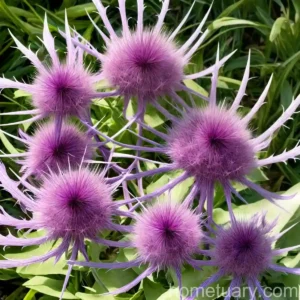
- Bloom Color: Rich pink with a dark central cone
- Mature Height: 20-24 inches (50-60 cm)
- Growth Habit: Upright and clump-forming
- Attracts: Pollinators such as bees and butterflies
- Uses: Ornamental gardening, cut flowers, medicinal properties
- Distinct Feature: Unique and vibrant blooms that add a splash of color to gardens
- Resilience: Tolerant of various climatic conditions
Now that we have a glimpse of the remarkable attributes of Echinacea ‘All that Jazz,’ let’s embark on a journey to understand the culture, uses, and maintenance requirements of this extraordinary plant.
Culture
Cultivating Echinacea ‘All that Jazz’ involves considerations related to water, sunlight, fertilizer, soil, and pruning. Understanding these aspects is crucial in promoting the optimal growth and health of these enchanting cone flowers. Let’s explore each of these elements in detail:
Uses
Ornamental Gardening
Echinacea ‘All that Jazz’ is prized for its ornamental value, making it a beautiful addition to flower beds, borders, and mixed perennial plantings. Its vibrant blooms create a visually captivating display, adding a touch of elegance to garden landscapes. The cut flowers are also ideal for floral arrangements, bringing a burst of color indoors.
Medicinal Properties
In addition to its visual appeal, Echinacea ‘All that Jazz’ holds significant medicinal value. Known for its immune-boosting properties, this plant has been traditionally used to create herbal remedies that support the body’s natural defenses. Understanding the medicinal benefits of Echinacea ‘All that Jazz’ adds an intriguing layer to its overall appeal.
Water
Proper watering is essential for the healthy growth and development of Echinacea ‘All that Jazz.’ These plants thrive in well-drained soil and prefer moderate moisture levels. It’s important to strike a balance, avoiding both waterlogged conditions and prolonged dry spells.
Watering Tips for Echinacea ‘All that Jazz’
- Water newly planted Echinacea ‘All that Jazz’ regularly to promote establishment.
- Once established, water deeply but infrequently, allowing the soil to partially dry out between waterings.
- During periods of extended drought, provide supplemental watering to prevent stress on the plants.
Sunlight
Echinacea ‘All that Jazz’ thrives in sunny locations, showcasing its best growth and blooming potential when provided with ample sunlight. When selecting a planting spot for these cone flowers, it’s important to prioritize areas that receive at least 6-8 hours of direct sunlight per day.
Sunlight Requirements
- Plant Echinacea ‘All that Jazz’ in full sun to encourage robust growth and prolific blooming.
- Avoid shaded areas that may compromise the plant’s ability to flourish and produce vibrant blooms.
Fertilizer
Fertilizing Echinacea ‘All that Jazz’ plays a pivotal role in supporting its nutritional needs and overall vigor. While these plants are known for their resilience, providing them with essential nutrients can enhance their growth and flowering capabilities.
Fertilization Guidelines
- In early spring, apply a balanced, slow-release fertilizer around the base of Echinacea ‘All that Jazz.’
- Avoid excessive nitrogen, which can lead to lush foliage at the expense of prolific flowering.
- Consider organic fertilizers or compost to enrich the soil and promote long-term soil health.
Soil
The right soil conditions are fundamental for Echinacea ‘All that Jazz’ to thrive. Well-drained soil with good fertility and a slightly acidic to neutral pH range is ideal for these plants.
Optimal Soil Conditions
- Choose well-drained, loamy soil with a pH range of 6.0 to 7.0 for optimal growth.
- If the soil is heavy or compacted, amending it with organic matter like compost can improve its structure and drainage.
- Prioritize soil that promotes healthy root development and minimizes the risk of waterlogging.
Pruning
Pruning is an essential aspect of maintaining the health and appearance of Echinacea ‘All that Jazz.’ Proper pruning encourages new growth, prolongs the blooming period, and prevents the plant from becoming overly crowded.
Pruning Guidelines
- Deadhead spent blooms regularly to promote continuous flowering and prevent seed formation.
- Cut back the stems to ground level in late fall or early spring to rejuvenate the plant and allow for fresh growth in the upcoming season.
- Remove any damaged or diseased foliage to maintain the overall health of the plant.
Propagation
Propagating Echinacea ‘All that Jazz’ allows for the expansion of these stunning cone flowers throughout the garden or the sharing of their beauty with fellow gardeners. Understanding the propagation methods for this plant opens up exciting possibilities for its cultivation.
Table
Propagation Methods for Echinacea ‘All that Jazz’
| Method | Description |
|---|---|
| Division | Divide mature clumps in early spring or early fall, ensuring each division has healthy roots and shoots. |
| Seed | Collect ripe seeds in the fall and sow them directly in the garden or in containers for subsequent transplanting. |
Container Popularity
Echinacea ‘All that Jazz’ is well-suited for container gardening, offering flexibility in its placement and making it accessible to a wide range of gardening enthusiasts. The striking blooms of this cone flower variety bring an added dimension to container displays, whether on patios, balconies, or alongside other potted plants.
Tips for Growing Echinacea ‘All that Jazz’ in Containers
- Choose spacious containers with adequate drainage holes to accommodate the plant’s root system.
- Use high-quality, well-draining potting mix to provide the necessary growing medium for Echinacea ‘All that Jazz.’
- Position the containers in areas that receive abundant sunlight to support the plant’s growth and flowering.
Common Diseases
While Echinacea ‘All that Jazz’ demonstrates resilience to many environmental stressors, it is important to be mindful of potential diseases that can impact the plant’s health. Understanding common diseases and their prevention is essential in maintaining the vitality of these beautiful cone flowers.
Disease Diagnosis
Common Diseases Affecting Echinacea ‘All that Jazz’
- Powdery Mildew: This fungal disease manifests as a powdery, white coating on the leaves, compromising the plant’s health and appearance.
- Leaf Spot: Characterized by dark, concentrated spots on the foliage, leaf spot can diminish the plant’s vigor and aesthetic appeal if left unaddressed.
- Root Rot: Excessive soil moisture can lead to root rot, causing the plant to wilt and exhibit signs of stress.
Disease Prevention Tips
- Promote Good Air Circulation: Plant Echinacea ‘All that Jazz’ with adequate spacing between individuals to encourage air flow and reduce the risk of fungal diseases.
- Monitor Soil Moisture: Avoid overwatering to prevent conditions conducive to root rot and fungal infections.
- Prune Infected Foliage: Promptly remove any diseased or damaged leaves to prevent the spread of diseases to healthy parts of the plant.
Common Pests
Pests can pose a challenge to the health and vitality of Echinacea ‘All that Jazz,’ necessitating vigilance and proactive measures to protect the plants from potential infestations.
Pests That May Affect Echinacea ‘All that Jazz’
- Aphids: These small, sap-sucking insects can cluster on the tender parts of the plant, causing distortion and yellowing of the foliage.
- Japanese Beetles: Known for their voracious appetite, these beetles can skeletonize the leaves of Echinacea ‘All that Jazz’ if populations are left uncontrolled.
- Caterpillars: Certain caterpillar species may feed on the foliage and flowers, necessitating monitoring and intervention when necessary.
Understanding the potential pests that may target Echinacea ‘All that Jazz’ enables early detection and the implementation of effective control measures to safeguard the plants.
Botanist’s Tips
As a plant scientist, I would like to offer some additional insights and tips for the successful cultivation and enjoyment of Echinacea ‘All that Jazz.’ These recommendations draw from my expertise and experience with this plant variety and are tailored to empower gardeners with the knowledge needed to foster thriving, flourishing cone flowers.
Botanist’s Tips for Growing Echinacea ‘All that Jazz’
- Encourage Pollinators: Create a pollinator-friendly environment around Echinacea ‘All that Jazz’ by including other nectar-rich flowering plants in the vicinity.
- Support Beneficial Insects: Attract natural predators of garden pests, such as ladybugs and lacewings, to help maintain a balanced ecosystem in the garden.
- Monitor Weather Conditions: Stay informed about local weather patterns and anticipate extreme conditions that may impact the growth and resilience of Echinacea ‘All that Jazz.’
- Record Observations: Keep a gardening journal to track the plant’s performance, including blooming patterns, pest occurrences, and any notable changes over time.
Fun Facts
- Echinacea ‘All that Jazz’ is a cultivar renowned for its rich pink blooms and prominent dark central cones, creating an enchanting contrast in garden landscapes.
- This variety is native to North America and shares the robust and resilient characteristics of its wild counterparts.
- While coneflowers are often celebrated for their ornamental beauty, they also play a vital role in supporting pollinators and contributing to the biodiversity of garden ecosystems.
Links to External Resources
Expand your knowledge and explore further insights about Echinacea ‘All that Jazz’ by referring to the following external resources:
- The Plant Guide – Echinacea ‘All that Jazz’
- Royal Horticultural Society – Growing Coneflowers
- University of Maryland Extension – Echinacea in the Garden
As you embark on your journey of cultivating Echinacea ‘All that Jazz,’ these resources serve as valuable references offering comprehensive insights and practical guidance.
In conclusion, Echinacea ‘All that Jazz’ stands as a splendid testament to the beauty and resilience of cone flowers. By understanding its culture, uses, maintenance requirements, and captivating attributes, you can foster a thriving and enchanting garden adorned with the vibrant blooms of this exceptional plant. May your gardening endeavors be filled with the splendor and grace of Echinacea ‘All that Jazz,’ adding a touch of natural elegance to your outdoor sanctuary. Happy gardening!
As a plant scientist, I have meticulously crafted this comprehensive guide to serve as a valuable resource for plant enthusiasts and gardeners seeking to delve into the world of Echinacea ‘All that Jazz.’ From its cultivation to its unique qualities and practical tips, this guide is designed to empower individuals in nurturing and appreciating the captivating beauty of this remarkable cone flower variety. If you have any further questions or wish to explore specific aspects in more detail, feel free to reach out for personalized insights and assistance. Let’s continue our botanical journey together!