The Purple Coneflower (Echinacea purpurea ‘Green Envy’): A Comprehensive Guide
As a plant scientist with a passion for exploring the diverse world of plants, I am excited to delve into the captivating realm of the purple coneflower (Echinacea purpurea ‘Green Envy’). This extraordinary flowering plant has garnered attention for its unique green-tinged petals and a myriad of cultural, medicinal, and aesthetic attributes. In this comprehensive guide, we will explore the intricacies of the purple coneflower, understanding its culture, uses, best practices for cultivation, and its place in the realm of botany and horticulture. Let’s embark on this fascinating journey into the world of the purple coneflower!
What is the Purple Coneflower (Echinacea purpurea ‘Green Envy’)?
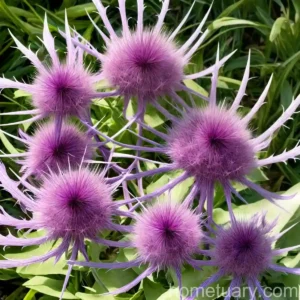
The purple coneflower, scientifically known as Echinacea purpurea ‘Green Envy’, is a captivating perennial plant belonging to the Asteraceae family. This unique variety of Echinacea purpurea is revered for its stunning flowers, which boast vibrant purple-pink hues with eye-catching green centers, providing a remarkable visual display in gardens and landscapes. Echinacea purpurea ‘Green Envy’ is a cultivar that has gained popularity among gardeners and plant enthusiasts due to its distinctive appearance and numerous beneficial properties.
Key Takeaways – Purple Coneflower (Echinacea purpurea ‘Green Envy’)
Before we delve into the various aspects of the purple coneflower, let’s take a moment to highlight key takeaways about this exceptional plant. These key points will serve as a roadmap for our exploration, offering insights into its culture, uses, and vital aspects of care.
- Plant Name: Purple Coneflower (Echinacea purpurea ‘Green Envy’)
- Scientific Name: Echinacea purpurea ‘Green Envy’
- Common Variants: Green Envy coneflower, Echinacea Green Envy
- Distinct Feature: Notable for its green-tipped petals amidst the traditional purple-pink coloration
- Cultural Significance: Sought after for its ornamental value and medicinal uses
- Preferred Habitat: Thrives in well-drained soil and sunlight-rich environments
- Gardening Benefits: Attracts pollinators and wildlife, suitable for landscaping and ornamental gardening
- Medicinal Properties: Known for its potential health benefits and herbal remedies
Now, we are set to explore the various facets of the purple coneflower, from its cultural significance to best practices for ensuring its optimal growth and vitality.
Culture of the Purple Coneflower (Echinacea purpurea ‘Green Envy’)
The culture of the purple coneflower encompasses its historical significance, traditional uses, and its role in contemporary horticulture and landscaping. Understanding the cultural context of this distinctive plant provides valuable insights into its broader significance and the reasons behind its enduring popularity.
Historical Significance and Traditional Uses
The purple coneflower, Echinacea purpurea, holds a storied history deeply rooted in Native American culture and traditional medicine. Indigenous peoples, particularly those from the Great Plains region, revered the Echinacea genus for its medicinal properties, utilizing various parts of the plant for a range of purposes, including treating infections, relieving pain, and enhancing overall wellness.
Echinacea purpurea, in particular, was highly esteemed for its immune-boosting properties and was employed as a natural remedy for ailments such as colds, flu, and other respiratory conditions. The plant’s roots, flowers, and leaves were often prepared as infusions, tinctures, or poultices to harness their healing potential. The historical significance of Echinacea purpurea as a medicinal plant has contributed to its enduring reputation as a symbol of health and natural wellness.
Modern Horticultural Significance and Residential Uses
In contemporary horticulture, the purple coneflower has transcended its historical roots to become a beloved ornamental plant, sought after for its remarkable aesthetic appeal and versatility in garden landscapes. Echinacea purpurea ‘Green Envy’, with its distinct green-tipped petals, has captured the attention of professional landscapers, dedicated home gardeners, and plant enthusiasts alike, elevating the presence of this unique variety in gardens and public spaces.
The purple coneflower’s ornamental value lies in its striking floral displays, which not only add vibrant colors to outdoor settings but also attract pollinators, such as butterflies and bees, contributing to the biodiversity and ecological balance of garden environments. Furthermore, its resilient nature and adaptable growth habits make it an ideal choice for sustainable landscaping and low-maintenance garden designs, further enhancing its appeal among horticultural enthusiasts.
Uses in Contemporary Medicine and Herbal Remedies
Beyond its ornamental value, Echinacea purpurea continues to be esteemed for its potential health benefits and herbal remedies. While the scientific evidence supporting its medicinal properties is a subject of ongoing research and debate, many individuals turn to Echinacea-based supplements and products for immune support, especially during cold and flu seasons.
Echinacea purpurea ‘Green Envy’ has garnered attention not only for its potential as a garden adornment but also for its association with the broader Echinacea genus, known for its historical and contemporary use in herbal remedies and natural wellness practices. Its unique appearance, coupled with the potential health-related properties traditionally associated with Echinacea species, contributes to its allure as a multi-faceted plant with cultural, ornamental, and potential medicinal significance.
Best Practices for Cultivating Purple Coneflower (Echinacea purpurea ‘Green Envy’)
- Water
- Sunlight
- Fertilizer
- Soil
- Pruning
- Propagation
- Container Culture
Watering Purple Coneflower (Echinacea purpurea ‘Green Envy’)
Proper watering is essential for the optimal growth and vitality of the purple coneflower, striking a balance between providing adequate moisture and avoiding waterlogged conditions that can hinder its development. Understanding the specific watering needs of Echinacea purpurea ‘Green Envy’ is fundamental to promoting healthy foliage and vibrant floral displays.
- Watering Frequency: Purple coneflowers benefit from regular watering, especially during the initial stages of growth and establishment. In warm climates or during dry periods, it is essential to provide supplemental irrigation to support the plant’s hydration needs. However, it is crucial to avoid overwatering, as excessive moisture can lead to root rot and other detrimental conditions.
- Moisture Considerations: While Echinacea purpurea ‘Green Envy’ appreciates consistent moisture, it thrives in well-drained soil and is tolerant of drier conditions once established. Therefore, it is advisable to allow the soil to dry out between watering sessions while ensuring that the plant does not experience prolonged periods of drought stress.
- Watering Methods: When watering the purple coneflower, it is preferable to deliver water directly to the soil at the base of the plant, allowing it to permeate the root zone effectively. Avoiding overhead irrigation can help minimize the risk of foliar diseases and promote a healthier growing environment for the plant.
Sunlight Requirements for Purple Coneflower (Echinacea purpurea ‘Green Envy’)
Adequate sunlight is integral to the growth, blooming, and overall vitality of the purple coneflower. Understanding its sunlight requirements allows gardeners to provide optimal growing conditions, ensuring that Echinacea purpurea ‘Green Envy’ thrives and displays its characteristic vibrant flowers.
- Sun Exposure: Purple coneflowers, including Echinacea purpurea ‘Green Envy’, flourish in full sun to partial shade conditions. Providing at least 6 to 8 hours of direct sunlight daily promotes robust growth and prolific flowering. While these plants can tolerate some shade, especially in hotter climates, maximizing sun exposure typically results in more vigorous and floriferous specimens.
- Shade Considerations: In regions with intense heat or extended periods of high temperatures, providing partial shade during the hottest part of the day can help mitigate stress on the plant and reduce the risk of sunburn and heat-related damage. However, it is essential to strike a balance, ensuring that the plant receives sufficient sunlight to support its physiological processes and flower production.
Fertilizing Echinacea purpurea ‘Green Envy’
Fertilization plays a critical role in promoting the overall health, vigor, and flowering capacity of Echinacea purpurea ‘Green Envy’. Employing appropriate fertilization practices provides the plant with essential nutrients, contributing to its resilience and aesthetic appeal.
- Nutrient Requirements: Purple coneflowers, like Echinacea purpurea ‘Green Envy’, benefit from well-balanced fertilizers, with an emphasis on nitrogen, phosphorus, and potassium (NPK). While these plants are adaptable and can thrive in relatively poor soils, supplemental fertilization can enhance their performance, especially in garden settings that may have nutrient-depleted or compacted soil.
- Fertilization Schedule: Providing a balanced, slow-release fertilizer in early spring as new growth emerges can support the plant’s development and set the stage for robust flowering later in the season. Additionally, a light application of fertilizer during the growing season, preferably after the first bloom cycle, can sustain the plant’s nutritional needs and bolster its resilience.
- Organic Amendments: Incorporating organic fertilizers and soil amendments, such as compost, well-rotted manure, or organic-based fertilizers, can enhance soil fertility and structure, fostering a conducive growing environment for Echinacea purpurea ‘Green Envy’ and promoting long-term plant health.
Soil Requirements for Echinacea purpurea ‘Green Envy’
The soil composition and quality profoundly impact the growth, establishment, and overall performance of Echinacea purpurea ‘Green Envy’. Understanding the soil requirements is essential for creating an optimal growing environment that supports the plant’s vitality and floral abundance.
- Well-Drained Soil: Purple coneflowers, including Echinacea purpurea ‘Green Envy’, thrive in well-drained soils with good porosity and aeration. Soggy or waterlogged conditions can be detrimental to the plant’s root system, emphasizing the importance of soil that facilitates efficient water movement and prevents standing water around the roots.
- pH Preferences: Echinacea purpurea ‘Green Envy’ exhibits a preference for slightly acidic to neutral soils, with a pH range of 6.0 to 7.0. Ensuring the soil pH falls within this range promotes optimal nutrient uptake and physiological processes, contributing to the plant’s overall health and resilience.
- Soil Structure: Incorporating organic matter, such as compost or well-rotted organic material, into the soil can improve its structure, fertility, and moisture retention capabilities. Amending compacted or nutrient-deficient soils with organic additions creates a conducive substrate for Echinacea purpurea ‘Green Envy’ to thrive.
Pruning Guidelines for Purple Coneflower (Echinacea purpurea ‘Green Envy’)
Pruning is an integral aspect of maintaining the health, appearance, and flowering capacity of Echinacea purpurea ‘Green Envy’. Strategic pruning practices contribute to the vitality and aesthetic appeal of these plants while addressing potential issues that may arise during the growing season.
- Deadheading Spent Blooms: Regularly removing faded or spent blooms not only promotes a tidy appearance but also encourages the plant to produce additional flowers, extending the blooming period and enhancing the overall floral display. Deadheading also prevents the formation of seeds, redirecting the plant’s energy towards growth and flower production.
- Disease and Pest Management: Pruning can aid in the early detection and management of diseases or pest infestations by allowing for close inspection of the plant’s foliage, stems, and overall health. Promptly removing affected or damaged parts can help prevent the spread of issues and promote the plant’s recovery.
- End-of-Season Cleanup: As the growing season comes to a close, trimming back the foliage and spent stems can facilitate a tidy appearance and prepare the plant for the dormant phase. Clearing away dead or decaying plant material minimizes overwintering sites for pests and diseases, promoting a healthier start to the following growing season.
Propagation Techniques for Echinacea purpurea ‘Green Envy’
Propagating Echinacea purpurea ‘Green Envy’ allows gardeners to expand their plantings, share specimens with fellow enthusiasts, and replenish existing stocks. Adopting appropriate propagation techniques ensures successful establishment and robust growth of new purple coneflower plants.
- Seed Propagation: Echinacea purpurea ‘Green Envy’ can be propagated from seeds, which are typically collected from mature flower heads during the fall. Sowing the seeds in well-prepared soil in a sheltered location and providing adequate moisture and sunlight can yield new plants, with germination typically occurring in the following spring.
- Division: Dividing mature clumps of Echinacea purpurea ‘Green Envy’ allows for the creation of additional plants while rejuvenating the parent specimen. Dividing the clumps in early spring or fall, ensuring that each division has sufficient roots and shoots, can facilitate successful establishment and robust growth in the new locations.
- Root Cuttings: Generating new plants from root cuttings is another viable propagation method for Echinacea purpurea ‘Green Envy’. By carefully selecting healthy, thick roots and following proper cutting and planting procedures, gardeners can propagate new plants that mirror the characteristics of the parent specimens.
Container Culture for Purple Coneflower (Echinacea purpurea ‘Green Envy’)
While the purple coneflower is often associated with garden borders and naturalistic plantings, it can also thrive in container settings, offering versatile options for gardening enthusiasts with limited space or specific design preferences. Embracing container culture expands the possibilities for incorporating Echinacea purpurea ‘Green Envy’ into diverse outdoor environments.
- Container Selection: Choosing well-draining containers of appropriate size and depth is crucial for accommodating the root systems of Echinacea purpurea ‘Green Envy’ and facilitating adequate air circulation around the roots. Selecting containers crafted from durable, weather-resistant materials ensures longevity and suitability for outdoor conditions.
- Growing Medium: Employing a high-quality potting mix with good drainage properties and an airy structure supports the growth and development of purple coneflowers in containers. Avoiding heavy, compacted soil mixes promotes healthier root growth and minimizes the risk of waterlogging.
- Watering and Maintenance: Containerized Echinacea purpurea ‘Green Envy’ may require more frequent watering, especially during hot and dry periods, to maintain adequate soil moisture levels. Regular monitoring of the soil moisture and addressing any maintenance needs, such as deadheading spent blooms and addressing pest issues, ensures the plants thrive in their container environment.
Popularity of Echinacea purpurea ‘Green Envy’
Echinacea purpurea ‘Green Envy’ has captured the attention of gardening enthusiasts, horticultural professionals, and landscape designers, attaining a considerable level of popularity within the realm of ornamental plants and garden flora. Its distinct appearance, cultural significance, and versatile uses contribute to its widespread appeal and increased demand among consumers.
-
Garden and Landscaping Applications: Echinacea purpurea ‘Green Envy’ is a sought-after addition to gardens, public parks, and landscaped areas, where its vibrant floral displays and unique coloration contribute to visually captivating environments. Its compatibility with various garden styles, including cottage gardens, wildflower meadows, and pollinator-friendly landscapes, enhances its versatility and broadens its appeal across diverse settings.
-
Economic Significance: The popularity of Echinacea purpurea ‘Green Envy’ has translated into economic value, as nurseries, garden centers, and plant suppliers have witnessed increased demand for this distinctive variety. Its appeal to home gardeners and landscaping professionals has spurred its commercial availability, contributing to its prominence in the horticultural market.
-
Educational and Botanical Interest: Beyond its ornamental charm, Echinacea purpurea ‘Green Envy’ is a subject of interest for botanical enthusiasts, educators, and researchers, particularly due to its unique floral traits and potential genetic implications. The cultivation and study of this variety contribute to broader botanical knowledge, enriching our understanding of plant genetics and ornamental diversity.
Common Diseases of Purple Coneflower (Echinacea purpurea ‘Green Envy’)
- Disease Diagnosis
- Common Pests
- Botanist’s Tips
Disease Diagnosis
While Echinacea purpurea ‘Green Envy’ is generally resilient and tolerant of various growing conditions, it is susceptible to certain diseases that can affect its overall health and appearance. Understanding the common diseases and potential ailments that may afflict these plants is essential for early detection and effective management.
-
Botrytis Blight: This fungal disease, caused by Botrytis cinerea, can lead to the development of grayish mold on the plant’s foliage and flowers, especially during periods of prolonged moisture. Improving air circulation, practicing proper watering techniques, and promptly removing affected plant parts can help mitigate the impact of Botrytis blight.
-
Powdery Mildew: Powdery mildew, resulting from a range of fungal species, manifests as a powdery, white coating on the leaves and stems of Echinacea purpurea ‘Green Envy’, diminishing its aesthetic appeal. Maintaining adequate spacing between plants, ensuring good air movement, and employing suitable fungicidal treatments can help suppress powdery mildew outbreaks.
-
Root Rot: Excessive soil moisture, poorly drained conditions, or the presence of pathogens such as Phytophthora or Pythium can contribute to root rot, compromising the plant’s root system and vitality. Implementing proper watering practices, ensuring well-drained soil, and using disease-resistant cultivars can aid in preventing the onset of root rot.
-
Aster Yellows: This phytoplasma disease can induce abnormal growth, yellowing of leaves, and malformed flowers in affected Echinacea purpurea ‘Green Envy’ plants. Controlling the insect vectors that transmit aster yellows, such as leafhoppers, and removing and disposing of infected plants are critical for managing this disease and preventing its spread.
Common Pests of Purple Coneflower (Echinacea purpurea ‘Green Envy’)
- Common Pests
- Botanist’s Tips
Common Pests
Pests can pose significant challenges to the health and vigor of Echinacea purpurea ‘Green Envy’, necessitating proactive pest management strategies to safeguard its growth and flowering capacity.
-
Aphids: These sap-sucking insects can congregate on the tender shoots, buds, and undersides of leaves, causing distortion and stunted growth in affected plants. Employing insecticidal soaps, introducing natural predators such as ladybugs, and practicing good garden hygiene can help control aphid infestations.
-
Japanese Beetles: The voracious feeding habits of Japanese beetles can result in skeletonized leaves and compromised floral displays on Echinacea purpurea ‘Green Envy’. Employing physical barriers, such as floating row covers, and utilizing pheromone traps and targeted insecticides can assist in managing Japanese beetle populations.
-
Spider Mites: These tiny arachnids can inflict damage by piercing and feeding on plant