Plant Scientist’s Guide to Coneflower (Echinacea purpurea ‘Balsomselo’ SOMBRERO SANDY YELLOW)
In the world of gardening and landscaping, coneflowers (Echinacea purpurea) hold a special place. Their vibrant colors, ease of care, and multiple landscape uses make them a popular choice among home gardeners, professional landscapers, and even wildlife enthusiasts. In this comprehensive guide, we’ll delve into the specifics of a particular coneflower variety – Echinacea purpurea ‘Balsomselo’ SOMBRERO SANDY YELLOW. We’ll explore its cultural requirements, uses, care, and maintenance, along with interesting facts and essential tips for ensuring its optimal growth. Whether you’re a seasoned gardener or a novice plant enthusiast, this guide will equip you with the knowledge to cultivate and appreciate the beauty of this stunning coneflower variety.
What is Coneflower (Echinacea purpurea ‘Balsomselo’ SOMBRERO SANDY YELLOW)?
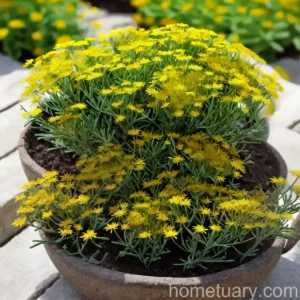
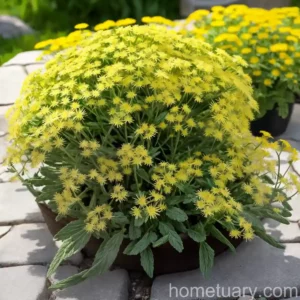
Echinacea purpurea ‘Balsomselo’ SOMBRERO SANDY YELLOW, commonly known as coneflower, is a striking perennial plant that belongs to the Asteraceae family. This cultivar is prized for its captivating and vibrant sandy yellow blooms, which can bring a cheerful touch to any garden or landscape. Its botanical name, Echinacea purpurea, suggests the vibrant purple coneflowers that are the hallmark of the species. However, the ‘SOMBRERO SANDY YELLOW’ variety exhibits a unique color variation, adding diversity to this popular plant species.
Key Takeaways – Coneflower (Echinacea purpurea ‘Balsomselo’ SOMBRERO SANDY YELLOW)
- Cultural Requirements:
- Uses
- Water
- Sunlight
- Fertilizer
- Soil
- Pruning
- Propagation
- Container Popularity
- Common Diseases:
- Disease Diagnosis
- Common Pests:
- Botanist’s Tips
- Fun Facts
- Links to External Resources
Culture
Uses
Echinacea purpurea ‘Balsomselo’ SOMBRERO SANDY YELLOW serves various practical and aesthetic purposes in gardens, landscapes, and even in the field of herbal medicine. Some of its primary uses include:
-
Ornamental Purposes: The vibrant yellow blooms of this coneflower variety make it a standout ornamental plant in garden beds, borders, and containers. Its striking appearance contributes to the visual appeal of the landscape, attracting attention from humans and pollinators alike.
-
Medicinal Applications: Like other Echinacea purpurea varieties, ‘Balsomselo’ can be used for its reputed medicinal properties. Its roots and above-ground parts are often used in herbal remedies and supplements, believed to support immune health and overall wellness.
-
Wildlife Attraction: The nectar-rich flowers of Echinacea purpurea ‘Balsomselo’ SOMBRERO SANDY YELLOW attract bees, butterflies, and other beneficial pollinators, making it a valuable addition to wildlife-friendly gardens.
Water
Proper watering is essential to the health and vitality of coneflowers, including the ‘Balsomselo’ variety. While these plants are relatively drought-tolerant once established, they still require consistent moisture, especially during the active growing season. Here are some key watering considerations for this coneflower variety:
-
Establishment Phase: Newly planted coneflowers need regular watering to encourage root establishment and initial growth. Water deeply immediately after planting and continue to provide regular moisture for the first few weeks.
-
Regular Maintenance: Once established, coneflowers generally thrive with about 1 inch of water per week. However, in hot and dry climates, or during prolonged periods of drought, additional watering may be necessary to keep the soil consistently moist but not waterlogged.
-
Watering Techniques: Water at the base of the plants to ensure that the moisture reaches the root zone. Avoid overhead watering, as it can lead to foliar diseases and may not effectively hydrate the roots.
Sunlight
Coneflowers, including Echinacea purpurea ‘Balsomselo’ SOMBRERO SANDY YELLOW, are renowned for their tolerance to a range of light conditions. However, to ensure their optimal growth and flowering, it’s important to provide them with suitable sunlight exposure. Here are the key sunlight requirements for this coneflower variety:
-
Full Sun: Coneflowers thrive in full sun, which is typically defined as at least 6-8 hours of direct sunlight per day. When planted in a sunny location, ‘SOMBRERO SANDY YELLOW’ coneflowers tend to produce more abundant blooms and exhibit stronger, more compact growth habits.
-
Partial Shade: While coneflowers prefer full sun, they can tolerate light to moderate shade, especially in regions with hot summers. In such areas, providing afternoon shade can help prevent heat stress and prolong the longevity of the flowers.
-
Sun-Related Considerations: When selecting a location for planting Echinacea purpurea ‘Balsomselo’ SOMBRERO SANDY YELLOW, consider the natural light patterns in your garden. Avoid areas with dense shade or those prone to prolonged waterlogging, as excessive moisture can lead to root rot and other issues.
Fertilizer
Proper fertilization can significantly impact the growth, vigor, and flowering performance of Echinacea purpurea ‘Balsomselo’ SOMBRERO SANDY YELLOW. When applied judiciously, fertilizers can provide essential nutrients that support the plant’s overall health. Follow these guidelines for fertilizing your ‘SOMBRERO SANDY YELLOW’ coneflowers:
-
Soil Assessment: Before applying any fertilizer, conduct a soil test to assess the existing nutrient levels and pH. This information will guide you in determining the specific fertilizer needs of your coneflowers.
-
Balanced Fertilizers: Use a balanced, slow-release fertilizer with an NPK (nitrogen, phosphorus, and potassium) ratio of 10-10-10 or similar. Apply the fertilizer in early spring, just as the new growth begins, following the manufacturer’s recommended rates.
-
Organic Options: Alternatively, consider using organic fertilizers, such as compost or well-aged manure, to enrich the soil and provide a steady supply of nutrients to the coneflowers. Organic amendments improve soil structure and promote beneficial microbial activity.
-
Caution with Nitrogen: While nitrogen is essential for lush foliage and robust growth, excessive nitrogen levels can promote excessive vegetative growth at the expense of flowering. Always follow the recommended application rates to avoid over-fertilization.
Soil
Coneflowers generally thrive in well-drained, slightly acidic to neutral soil with good fertility. When it comes to Echinacea purpurea ‘Balsomselo’ SOMBRERO SANDY YELLOW, providing the right soil conditions is crucial for its successful establishment and long-term growth. Consider the following soil-related aspects when cultivating this coneflower variety:
-
Drainage: Ensure that the planting site has adequate drainage to prevent waterlogging, which can lead to root rot and other moisture-related issues. If the soil is heavy or poorly drained, consider amending it with organic matter to improve its structure.
-
pH Levels: Coneflowers prefer slightly acidic to neutral soil with a pH range of 6.0 to 7.0. Conduct a soil pH test, and if necessary, adjust the pH using appropriate amendments to create a favorable growing environment for ‘SOMBRERO SANDY YELLOW’ coneflowers.
-
Soil Preparation: Prior to planting, prepare the soil by loosening it to a depth of at least 12 inches and incorporating organic matter, such as compost or peat moss, to enhance its fertility, structure, and moisture retention capacity.
-
Mulching: Apply a 2-3 inch layer of organic mulch, such as shredded bark or pine straw, around the base of the coneflowers to conserve soil moisture, suppress weed growth, and maintain more stable soil temperatures.
Pruning
Pruning plays a crucial role in maintaining the health, appearance, and longevity of Echinacea purpurea ‘Balsomselo’ SOMBRERO SANDY YELLOW. By removing spent blooms and managing the plant’s growth, you can encourage continuous flowering and prevent the development of disease and pest issues. Here are some essential pruning considerations for this coneflower variety:
-
Deadheading: Regularly deadhead the fading flowers of ‘SOMBRERO SANDY YELLOW’ coneflowers to promote the production of new blooms and prevent the formation of seed heads. Use clean, sharp pruning shears to remove the spent flowers to a pair of healthy leaves or a lateral shoot.
-
Cutting Back: In late fall or early spring, consider cutting back the entire plant to a height of 4-6 inches above the ground. This practice helps rejuvenate the coneflowers, removes old and diseased foliage, and prepares the plants for vigorous growth in the upcoming season.
-
Division: Every 3-4 years, especially if the clumps become overcrowded, consider dividing the ‘SOMBRERO SANDY YELLOW’ coneflowers in early spring or early fall. This process involves lifting the entire clump, dividing it into smaller sections, and replanting the divisions with adequate spacing.
-
Pruning Timing: Avoid heavy pruning or division during the peak of summer or during the flowering season, as it can stress the plants and impact their blooming performance.
Propagation
Echinacea purpurea ‘Balsomselo’ SOMBRERO SANDY YELLOW can be propagated through various methods, allowing you to expand your plant collection or share its beauty with fellow gardening enthusiasts. Consider the following propagation techniques for this captivating coneflower variety:
-
Division: As mentioned in the pruning section, division is an effective means of propagating ‘SOMBRERO SANDY YELLOW’ coneflowers. Simply lift the established clumps, divide them into smaller sections, and replant the divisions in suitable locations.
-
Seed Propagation: Collecting and sowing the seeds of Echinacea purpurea ‘Balsomselo’ is another viable method of propagation. Harvest mature seeds from the dried flower heads and sow them directly in well-prepared soil in the garden or in seed-starting trays indoors.
-
Root Cuttings: For a more precise and controlled propagation method, consider taking root cuttings from established ‘SOMBRERO SANDY YELLOW’ coneflowers. Select healthy, non-flowering stems, and carefully cut them into 2-3 inch segments. Plant these cuttings in a well-draining propagation medium and provide them with consistent moisture and warmth.
-
Propagation Considerations: Regardless of the method chosen, it’s important to provide the propagated plants with appropriate care and environmental conditions to ensure their successful establishment and subsequent growth.
Container Popularity
Echinacea purpurea ‘Balsomselo’ SOMBRERO SANDY YELLOW is well-suited for container cultivation, offering a compact yet vibrant display of sunny yellow blooms. When grown in containers, this coneflower variety can serve as a versatile and portable ornamental feature, allowing you to enjoy its beauty on patios, balconies, or other outdoor spaces. Here are some key points to consider when growing ‘SOMBRERO SANDY YELLOW’ coneflowers in containers:
-
Container Selection: Choose a spacious, well-draining container with adequate drainage holes at the bottom. The container should be large enough to accommodate the mature size of the coneflowers and provide ample room for root growth.
-
Potting Medium: Use a high-quality, well-draining potting mix that provides good aeration and moisture retention. Consider adding perlite or coarse sand to improve the soil structure and prevent waterlogging.
-
Watering and Maintenance: Container-grown coneflowers may require more frequent watering than those planted in the ground, as the soil in containers tends to dry out more quickly. Monitor the soil moisture regularly and water the plants whenever the top inch of the soil feels dry to the touch.
-
Positioning: Place the containers in a location that receives ample sunlight, ideally at least 6-8 hours of direct sunlight per day. Rotate the containers periodically to ensure uniform sun exposure and balanced growth.
-
Overwintering: In regions with harsh winters, consider protecting the container-grown ‘SOMBRERO SANDY YELLOW’ coneflowers from extreme cold by providing insulation or moving the containers to a sheltered location.
Common Diseases
Despite their overall resilience, coneflowers, including Echinacea purpurea ‘Balsomselo’ SOMBRERO SANDY YELLOW, can be susceptible to certain diseases under unfavorable growing conditions. Being aware of common diseases and their symptoms is essential for timely intervention and effective disease management. Let’s explore some prevalent diseases that can affect this coneflower variety and potential strategies for diagnosis and control:
Disease Diagnosis
-
Powdery Mildew: Powdery mildew is a fungal disease that can manifest as a white, powdery growth on the leaves and stems of coneflowers. It thrives in humid conditions and can weaken the plants if left unchecked. To diagnose powdery mildew, inspect the foliage for the characteristic white, powdery patches, especially during periods of high humidity. To manage powdery mildew, improve air circulation around the plants, avoid overhead watering, and consider applying fungicidal sprays as per the manufacturer’s recommendations.
-
Botrytis Blight: Also known as gray mold, botrytis blight can affect coneflowers during periods of prolonged wetness or high humidity. This fungal disease often occurs as brownish discoloration on the flowers and foliage, accompanied by a fuzzy gray mold. To diagnose botrytis blight, observe the plants for signs of wilting, browning, or decaying flowers. Implementing proper plant spacing, ensuring adequate air circulation, and removing and disposing of affected plant parts can help manage botrytis blight.
-
Root Rot: Root rot is a potentially devastating condition that affects the roots of coneflowers, typically due to prolonged waterlogged conditions. To diagnose root rot, carefully dig up affected plants and inspect the roots for signs of discoloration, mushiness, and decay. Improve drainage in the planting area, and avoid overwatering to prevent the onset of root rot.
-
Aster Yellows: Aster yellows is a phytoplasma-based disease that affects various flowering plants, including coneflowers. Its symptoms include abnormal growth, yellowing or reddening of foliage, and the development of deformed flowers. To diagnose aster yellows, observe the plants for indications of stunted growth and atypical flower formation. There is no cure for aster yellows, so prevention through proper sanitation and removing affected plants is crucial.
Common Pests
Coneflowers, including Echinacea purpurea ‘Balsomselo’ SOMBRERO SANDY YELLOW, are relatively resistant to pest infestations, but certain insects may still pose a threat to their health and appearance. Recognizing common pests and implementing proactive pest management measures is essential for preserving the vitality of these beautiful plants. Let’s explore some of the prevalent pests that can affect this coneflower variety and potential strategies for pest control:
-
Aphids: These small, soft-bodied insects can cluster on the undersides of coneflower leaves and feed on the plant’s sap, leading to distorted growth and the development of sticky honeydew. To control aphids, consider spraying the affected plants with a strong stream of water to dislodge the insects, or use insecticidal soaps or horticultural oils as directed.
-
Japanese Beetles: Japanese beetles can cause significant damage to coneflowers by skeletonizing the foliage and devouring the flowers. To manage Japanese beetles, handpick and dispose of the beetles, apply floating row covers as a physical barrier, or consider using biological controls such as nematodes to target the beetle larvae in the soil.
-
Caterpillars: Various caterpillar species, such as the larvae of butterflies and moths, can feed on coneflower foliage, potentially causing defoliation. To control caterpillars, inspect the plants regularly for the presence of larvae and handpick them as needed. Bacillus thuringiensis (Bt) is a naturally occurring bacterial insecticide that effectively targets caterpillars without harming beneficial insects.
-
Spider Mites: Spider mites are tiny arachnids that can infest coneflowers and cause stippling and discoloration of the leaves. To manage spider mites, encourage natural predators such as ladybugs and predatory mites, and use a forceful spray of water to reduce mite populations. In severe cases, consider applying miticidal sprays or neem oil to control the infestation.
Botanist’s Tips
When cultivating Echinacea purpurea ‘Balsomselo’ SOMBRERO SANDY YELLOW or any other coneflower variety, it’s valuable to consider the following botanist’s tips to enhance the plant’s overall performance and your gardening experience:
-
Choose Well-Drained Locations: Select planting sites with well-drained soil and ample sunlight for optimal growth and flowering of coneflowers. Avoid low-lying areas where water tends to accumulate, as this can lead to root rot and other moisture-related problems.
-
Observe Pollinator Interactions: Coneflowers are renowned for their ability to attract bees, butterflies, and other pollinators. Take the time to observe these interactions in your garden, as they contribute to the ecological value of coneflowers and enrich the overall biodiversity of your landscape.
-
Encourage Naturalizing: Once established, coneflowers can naturalize and self-seed in favorable growing conditions. Allow a portion of the spent flower heads to remain on the plants to facilitate natural seed dispersal and encourage the development of new plants in the garden.
-
Practice Companion Planting: Pair coneflowers with compatible companion plants to create visually appealing and ecologically beneficial combinations. Plants such as rudbeckia, salvia, and ornamental grasses complement coneflowers and enhance the overall aesthetic of the landscape.
-
Monitor for Volunteer Seedlings: Keep an eye out for volunteer seedlings of coneflowers in the garden, especially in nearby areas where the plants have previously been grown. Transplant these seedlings to new locations or share them with other gardeners to expand the presence of coneflowers in your community.
Fun Facts
Drawing upon the fascinating aspects of Echinacea purpurea ‘Balsomselo’ SOMBRERO SANDY YELLOW and coneflowers in general, here are some fun and intriguing facts that add depth to our understanding and appreciation of these captivating plants:
-
Cultural Legacy: Coneflowers, including Echinacea purpurea, have a rich cultural legacy and have been historically valued by Native American tribes for their medicinal properties and symbolic significance.
-
Long-Lasting Blooms: The flowers of coneflowers, including the ‘SOMBRERO SANDY YELLOW’ variety, have a relatively long blooming period, often extending from mid-summer to early fall, providing a sustained display of color in the garden.
-
Traditional Medicinal Uses: Echinacea purpurea has a well-documented history of use in traditional herbal medicine, with various parts of the plant being used to support immune health and well-being.