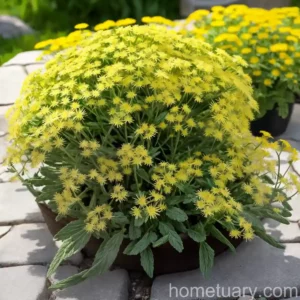
Plant Spotlight: Coneflower (Echinacea ‘Hot Papaya’)
In the world of gardening and landscaping, coneflowers are an incredibly popular and versatile option. Known for their beautiful and vibrant blooms, coneflowers (Echinacea) bring a splash of color to gardens and are adored by pollinators. Among the numerous varieties of coneflowers, Echinacea ‘Hot Papaya’ stands out with its stunning characteristics and wide-ranging uses. In this blog post, we will delve into the fascinating world of coneflowers, with a specific focus on Echinacea ‘Hot Papaya’. We will explore its culture, uses, care requirements, common diseases, pests, propagation methods, and much more. By the end of this post, you will have a comprehensive understanding of this distinct coneflower and how to cultivate it successfully in your garden.
What is Coneflower (Echinacea ‘Hot Papaya’)?
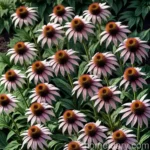
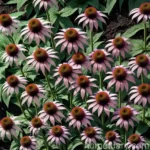
Echinacea ‘Hot Papaya’ is a striking variety of coneflower renowned for its brilliant and fiery orange-red blossoms. This perennial plant, a member of the Asteraceae family, is native to North America and is a popular choice for both professional landscapers and amateur gardeners. The ‘Hot Papaya’ cultivar is a hybrid coneflower selected for its vibrant flower color and exceptional garden performance. With its long-lasting blooms and attractive foliage, Echinacea ‘Hot Papaya’ has become a favorite in many gardens and horticultural settings.
Key Takeaways – Coneflower (Echinacea ‘Hot Papaya’)
Before we delve into the specific care requirements and cultural preferences of Echinacea ‘Hot Papaya’, let’s take a look at the key considerations and takeaways that we will explore in detail throughout this blog post.
- Plant Name: Echinacea ‘Hot Papaya’
- Family: Asteraceae
- Common Name: Hot Papaya Coneflower
- Color: Orange-red
- Uses: Garden borders, cut flowers, pollinator gardens
- Water: Moderate
- Sunlight: Full sun to partial shade
- Soil: Well-draining, fertile
- Fertilizer: Balanced, slow-release
- Pruning: Deadheading for prolonged bloom
- Propagation: Division, seeds
- Container: Suitable for container gardening
- Popularity: Widely favored for its striking color and garden performance
- Common Diseases: Powdery mildew, aster yellows
- Common Pests: Aphids, leafhoppers
- Fun Facts: Attracts butterflies, deer-resistant, herbal and medicinal uses
- Botanist’s Tips: Enhance drought tolerance, companion planting for ecological benefits
- External Resources: Links to further reading and resources
Now, with these key takeaways in mind, let’s explore each aspect of Echinacea ‘Hot Papaya’ in detail, from its cultural preferences to its ecological and practical uses in the garden.
Culture
Understanding the cultural requirements of Echinacea ‘Hot Papaya’ is essential for cultivating healthy and vibrant plants. From watering to sunlight exposure and soil conditions, let’s explore the ideal cultural practices for this captivating coneflower.
Water
Proper watering is crucial for the health and vigor of Echinacea ‘Hot Papaya’. As a general guideline, coneflowers prefer consistent moisture but are relatively drought-tolerant once established. When watering, it’s important to allow the soil to dry slightly between waterings to prevent waterlogged conditions, which can lead to root rot.
- Watering Guidelines:
- Newly Planted: Water regularly to establish roots.
- Established Plants: Allow soil to dry slightly between waterings. Water deeply when necessary, especially during prolonged dry periods.
Sunlight
Like many coneflower varieties, Echinacea ‘Hot Papaya’ thrives in full sun to partial shade. Adequate sunlight exposure is essential for promoting robust growth and prolific flowering. In regions with hot summers, some afternoon shade can be beneficial to protect the plants from wilting.
- Sunlight Recommendations:
- Ideal: Full sun for at least 6-8 hours daily.
- Tolerable: Some afternoon shade in hot climates.
Fertilizer
To support healthy growth and abundant blooms, Echinacea ‘Hot Papaya’ benefits from balanced, slow-release fertilizers. A well-balanced fertilizer with an N-P-K ratio of 10-10-10 or similar can provide the necessary nutrients without promoting excessive foliage growth at the expense of flowering.
- Fertilizing Tips:
- Application: Apply a balanced fertilizer in spring as new growth emerges.
- Frequency: A single application in spring may suffice, but a light feeding in mid-summer can encourage continued blooming.
Soil
The soil requirements for Echinacea ‘Hot Papaya’ are relatively straightforward. Well-draining and fertile soils are ideal for promoting healthy growth and preventing issues such as root rot. Amending the soil with organic matter can improve drainage and soil fertility, creating an optimal foundation for the plants.
- Soil Preferences:
- Type: Well-draining, loamy soil.
- pH: Slightly acidic to neutral (pH 6.0-7.0).
- Amendments: Incorporate organic matter such as compost during planting or as a top dressing.
Uses
Echinacea ‘Hot Papaya’ offers a wide array of practical and aesthetic uses in gardens and landscapes. From its ornamental value to its ecological benefits, let’s explore the diverse uses of this striking coneflower.
Garden Borders
One of the primary uses of Echinacea ‘Hot Papaya’ is as a stunning addition to garden borders. The vibrant orange-red blossoms create eye-catching displays when mass-planted or incorporated into mixed perennial borders. The long flowering period and attractive foliage add depth and color to garden compositions.
- Planting Ideas:
- Mass Planting: Create a bold statement by planting multiple ‘Hot Papaya’ coneflowers en masse.
- Mixed Borders: Combine with other perennials and ornamental grasses for dynamic and diverse borders.
Cut Flowers
The vivid and long-lasting flowers of Echinacea ‘Hot Papaya’ make it an excellent choice for cut flower arrangements. Whether used fresh in floral displays or dried for winter arrangements, the striking blooms of ‘Hot Papaya’ add a pop of color and texture to bouquets.
- Cutting Tips:
- Harvesting: Cut stems with mature flowers for fresh arrangements or allow flowers to dry on the plant for dried bouquets.
- Longevity: Stunning as cut flowers, ‘Hot Papaya’ blossoms retain their color and form exceptionally well.
Pollinator Gardens
Coneflowers, including Echinacea ‘Hot Papaya’, are prized for their immense appeal to pollinators. Bees, butterflies, and other beneficial insects are attracted to the nectar-rich blooms, making this coneflower an essential component of pollinator-friendly gardens.
- Pollinator Attraction:
- Nectar Source: ‘Hot Papaya’ coneflowers provide abundant nectar for pollinators throughout the flowering season.
- Habitat Support: By planting ‘Hot Papaya’ and other coneflower varieties, you can contribute to the conservation of pollinator populations.
Medicinal and Herbal Uses
Beyond its ornamental value, Echinacea has a long-standing reputation for its medicinal properties. Various parts of the plant, particularly the roots and aerial parts, have been used traditionally for their immune-boosting and therapeutic benefits. While Echinacea ‘Hot Papaya’ is primarily cultivated for ornamental purposes, it is important to appreciate its historical and contemporary uses in herbal medicine.
- Herbal Remedies:
- Immune Support: Echinacea has been used to support immune function and overall health.
- Herbal Preparations: Tinctures, teas, and capsules are common forms for consuming Echinacea for its beneficial properties.
Pruning
Maintaining the vitality and aesthetics of Echinacea ‘Hot Papaya’ involves strategic pruning and deadheading. By removing spent blooms and shaping the plants, you can prolong the flowering period and promote tidier growth.
- Pruning Techniques:
- Deadheading: Remove spent flowers regularly to encourage continuous blooming.
- Winter Cleanup: Cut back stems to the basal foliage in late winter or early spring to rejuvenate the plants.
Propagation
For gardeners interested in propagating Echinacea ‘Hot Papaya’ to expand their plantings or share with others, understanding the propagation methods is essential. This coneflower can be propagated effectively through division and seed sowing.
Division
Dividing mature clumps of Echinacea ‘Hot Papaya’ is a straightforward and reliable method of propagation. Divisions can be replanted to create new plantings or shared with fellow gardeners.
- Division Guidelines:
- Timing: Early spring or early fall is the ideal time for dividing established clumps.
- Soil Preparation: Amend the planting site with organic matter to enrich the soil for the divided plants.
Seed Sowing
Collecting and sowing seeds of Echinacea ‘Hot Papaya’ is an exciting way to propagate this coneflower and observe the diversity of seedlings. Harvested seeds can be sown directly in the garden or started indoors before transplanting.
- Seed Propagation Tips:
- Harvesting Seeds: Allow spent flowers to develop seed heads, then collect and store the seeds for sowing.
- Germination: Start seeds indoors in early spring or sow directly in the garden after the last frost date.
Container Popularity
Echinacea ‘Hot Papaya’ is well-suited for container gardening, allowing gardeners to enjoy its vibrant blooms and ecological benefits on decks, patios, and balconies. The compact nature of this coneflower makes it particularly suitable for containers, adding versatility to its uses in various gardening settings.
- Container Gardening Tips:
- Container Size: Choose a spacious container with adequate drainage for healthy root development.
- Soil Structure: Use a well-draining potting mix enriched with compost for optimal growth.
Common Diseases
Coneflowers, including Echinacea ‘Hot Papaya’, are generally resistant to pests and diseases, but there are a few common issues to be aware of. Recognizing and addressing these diseases promptly can help maintain the health and vigor of the plants.
Disease Diagnosis
Being able to identify common diseases of coneflowers is crucial for implementing appropriate management strategies. From powdery mildew to aster yellows, understanding the symptoms and prevention measures can help protect ‘Hot Papaya’ and other coneflowers in the garden.
- Common Diseases:
- Powdery Mildew: White, powdery spots on leaves, usually in humid conditions.
- Aster Yellows: Abnormal yellowing of foliage and distorted growth caused by phytoplasma.
Common Pests
While coneflowers are relatively resistant to most pests, aphids and leafhoppers can occasionally pose minor challenges. Monitoring for pest presence and promptly addressing infestations can help protect the health and appearance of Echinacea ‘Hot Papaya’.
- Pest Control:
- Aphids: Spray affected plants with a strong stream of water or use insecticidal soap if pest populations are high.
- Leafhoppers: Monitor for leafhopper activity and consider targeted treatments if damage is significant.
Botanist’s Tips
Drawing from botanical insights and practical gardening knowledge, specific tips and recommendations can enhance the success and ecological impact of cultivating Echinacea ‘Hot Papaya’ in gardens.
Enhancing Drought Tolerance
In regions with periodic dry spells or limited water availability, enhancing the drought tolerance of ‘Hot Papaya’ coneflowers through cultural practices and plant selection can contribute to the plants’ resilience and long-term viability.
- Drought-Tolerant Strategies:
- Mulching: Apply a layer of organic mulch around plants to conserve soil moisture and reduce evaporation.
- Watering Practices: Train plants for deep root growth by watering deeply and less frequently.
Companion Planting for Ecological Benefits
Integrating Echinacea ‘Hot Papaya’ with compatible companion plants can create mutually beneficial relationships in the garden. When planning garden compositions, consider plant combinations that support pollinators, deter pests, and enhance overall garden health.
- Companion Plant Ideas:
- Bee Balm (Monarda): Attracts pollinators and complements the color of ‘Hot Papaya’ coneflowers.
- Lavender (Lavandula): Aromatic foliage that repels pests and provides nectar for pollinators.
Fun Facts
Before concluding our exploration of Echinacea ‘Hot Papaya’, let’s uncover some engaging and lesser-known facts about this captivating coneflower.
Wildlife Attraction
In addition to its pollinator-attracting capabilities, Echinacea ‘Hot Papaya’ is known to create habitat and foraging opportunities for a diverse array of wildlife, including birds, small mammals, and beneficial insects.
- Wildlife Benefits:
- Habitat Plant: Provides cover and food sources for wildlife, contributing to ecosystem diversity.
- Bird Forage: Seed heads of ‘Hot Papaya’ coneflowers serve as food for various bird species, enhancing the garden’s ecological value.
Culinary and Medicinal Uses
While primarily regarded for its ornamental and ecological functions, parts of the Echinacea plant have historical uses in culinary and herbal preparations.
- Culinary Uses:
- Edible Petals: The petals of Echinacea flowers can be used as a colorful and edible garnish for salads and desserts.
- Herbal Teas: Infusions made from Echinacea petals have been used traditionally in teas and beverages.
External Resources
To expand your knowledge and gain further insights into Echinacea ‘Hot Papaya’ and coneflower cultivation, consider exploring the following external resources:
- The American Conferenece of Phytopathological Societies
- The American Society for Horticultural Science
- Botanical Society of America
- Perennial Plant Association
- Royal Horticultural Society
- University Extension Services
Now equipped with comprehensive knowledge of Echinacea ‘Hot Papaya’, you can confidently cultivate this captivating coneflower and appreciate its diverse uses in your garden. From its vibrant blooms to its ecological contributions, ‘Hot Papaya’ is a delightful addition to any landscape, offering both visual appeal and ecological benefits. Whether you’re a seasoned gardener or a novice enthusiast, Echinacea ‘Hot Papaya’ provides an opportunity to immerse yourself in the rewarding world of coneflower cultivation.