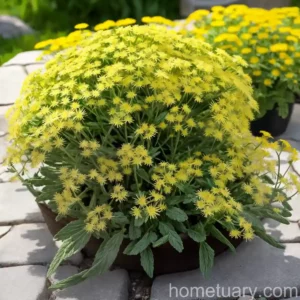
Purple Coneflower (Echinacea purpurea ‘Fragrant Angel’)
Purple coneflower, also known as Echinacea purpurea ‘Fragrant Angel,’ is a stunning perennial plant that belongs to the Asteraceae family. Renowned for its vibrant flowers and multiple medicinal uses, this versatile plant has garnered attention both in gardens and commercial cultivation. In this comprehensive guide, we will delve into the various aspects of this captivating plant, including its culture, uses, care, and propagation, to help you better understand and appreciate the beauty and benefits of the purple coneflower.
What is purple coneflower (Echinacea purpurea ‘Fragrant Angel’)?
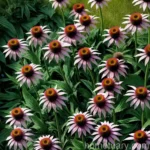
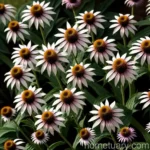
Purple coneflowers, specifically the ‘Fragrant Angel’ variety, are prized for their elegant, daisy-like flowers with distinctive cone-shaped centers. These plants are native to North America, primarily found in the eastern and central regions of the United States. Echinacea purpurea ‘Fragrant Angel’ is a cultivated variety selected for its fragrance, unique color, and robust growth habits.
The flowers of this variety boast a captivating blend of pale, creamy petals that form a harmonious contrast with the prominent orange-brown cones in the center. This striking combination adds a touch of elegance and charm to gardens, making it a favorite among horticulturists and garden enthusiasts.
Moreover, beyond its aesthetic appeal, purple coneflowers possess valuable medicinal properties, particularly in traditional herbal medicine. The roots, flowers, and upper parts of the plant are utilized for various therapeutic purposes, owing to their potential immunostimulant and anti-inflammatory effects. This makes ‘Fragrant Angel’ a sought-after plant not only for ornamental gardening but also for its functional and health-related attributes.
Key Takeaways – Purple Coneflower (Echinacea purpurea ‘Fragrant Angel’)
Before we delve into the specific details of the culture, uses, and care of purple coneflowers, let’s highlight some key takeaways regarding this captivating plant:
- ‘Fragrant Angel’ is a cultivated variety of Echinacea purpurea, known for its fragrant, pale, creamy flowers and hardy nature.
- It is valued for its ornamental appeal in gardens, attracting pollinators while adding visual interest.
- Purple coneflowers have been traditionally used for their medicinal properties, particularly in boosting the immune system and combating inflammation.
Now, let’s explore the various aspects of purple coneflower, from its cultural requirements to maintenance and common diseases, to gain a comprehensive understanding of this enchanting plant.
Culture
Cultural practices play a crucial role in ensuring the healthy growth and development of purple coneflowers. Understanding the specific requirements of this plant is essential for creating an optimal environment for it to thrive. Here are the essential cultural aspects to consider when growing Echinacea purpurea ‘Fragrant Angel’:
Water
Purple coneflowers are known for their tolerance to dry conditions, making them well-suited for xeriscaping and arid environments. However, while these plants are moderately drought-tolerant once established, adequate moisture is necessary, especially during the initial stages of growth and flowering.
Watering Tips:
- Establishment Phase: Ensure consistent moisture during the early stages of growth to promote healthy root development and establishment.
- Mature Plants: Once established, purple coneflowers require minimal additional irrigation, relying on natural rainfall in most cases. However, during prolonged dry spells, providing supplemental water can help maintain their vigor and flowering performance.
Sunlight
Purple coneflowers thrive in locations with abundant sunlight, exhibiting optimum flowering and robust growth when exposed to full sun conditions. In garden settings, it is recommended to provide a minimum of 6-8 hours of direct sunlight for these plants to achieve their full potential.
Sunlight Requirements:
- Full Sun: Place purple coneflowers in areas that receive ample sunlight throughout the day to promote healthy growth and prolific flowering.
- Partial Shade: While these plants prefer full sun, they can tolerate partial shade, especially in regions with intense afternoon sunlight or during exceptionally hot periods.
Fertilizer
When it comes to fertilizing purple coneflowers, a balanced and minimal approach is preferred. These plants do not require heavy feeding and thrive in moderately fertile soils. Excessive fertilization can lead to overly lush growth, potentially compromising the plant’s resilience and natural charm.
Fertilizer Guidelines:
- Organic Matter: Prior to planting, enrich the soil with organic matter, such as compost, to provide a nutrient-rich foundation for the plants.
- Minimal Fertilization: Once established, occasional light applications of a balanced fertilizer in spring can suffice to support healthy growth and flowering.
Soil
The choice of soil can significantly impact the performance and vitality of purple coneflowers. Well-drained, loamy soils with good aeration and structure are ideal for these plants. Additionally, the pH level of the soil should be slightly acidic to neutral, ranging between 6.0 to 7.0 for optimal growth.
Soil Considerations:
- Drainage: Ensure that the planting site offers excellent drainage to prevent waterlogging, which can be detrimental to the plants.
- Soil Preparation: Prior to planting, amend the soil with organic matter to enhance its structure and fertility, providing an ideal foundation for the purple coneflowers.
Pruning
Pruning plays a pivotal role in maintaining the vigor, shape, and flowering performance of purple coneflowers. While these plants have relatively low maintenance requirements, periodic pruning can help rejuvenate the foliage, promote additional flowering, and prevent overcrowding.
Pruning Tips:
- Deadheading: Remove spent flowers promptly to encourage continuous blooming and prevent self-sowing.
- Spring Cleanup: In early spring, trim back any remaining foliage from the previous year to promote fresh growth and enhance the plant’s appearance.
Propagation
The propagation of purple coneflowers can be achieved through several methods, including seed sowing, division, and stem cuttings. Each approach offers unique advantages and is suitable for different situations, allowing gardeners to expand their purple coneflower population efficiently.
Propagation Methods:
-
Seed Sowing: Sowing seeds directly in the garden or starting them indoors offers a cost-effective and straightforward means of propagation. However, patience is required as it may take some time for the plants to reach maturity and start blooming.
-
Division: Dividing established clumps allows for the creation of new plants while rejuvenating the parent specimens. This method is particularly beneficial for crowded or overgrown purple coneflowers.
-
Stem Cuttings: Propagating from stem cuttings provides a quicker and more controlled approach to obtaining new plants that are genetically identical to the parent. This method is ideal for preserving specific traits of a favored Echinacea purpurea ‘Fragrant Angel’ specimen.
Container Popularity
The adaptability and ornamental charm of purple coneflowers have made them a favored choice for container gardening. When grown in containers, these plants offer versatility, allowing individuals with limited garden space to enjoy their beauty and benefits. Furthermore, containers facilitate precise control over soil conditions, water, and sunlight exposure, contributing to the overall well-being of the plants.
Container Gardening Tips:
- Selection of Containers: Choose spacious containers with adequate drainage holes to accommodate the vigorous growth habit and root system of purple coneflowers.
- Soil Considerations: Utilize well-draining potting mix to ensure optimal root health and prevent waterlogged conditions.
- Sunlight: Position the containers in locations that receive ample sunlight to support robust flowering and overall vitality.
Common Diseases
While purple coneflowers are generally resilient, certain diseases can affect their health and appearance if proper precautions are not taken. Understanding the common diseases and their management is essential to safeguard the plants and maintain their beauty and vigor.
Disease Diagnosis
Common diseases that may affect purple coneflowers include:
- Powdery Mildew: This fungal disease appears as a powdery white coating on the leaves and stems, often caused by high humidity and poor air circulation.
- Septoria Leaf Spot: Characterized by dark spots with a distinctive margin on the foliage, septoria leaf spot can cause leaf yellowing and defoliation if left unchecked.
- Root Rot: Excessive soil moisture and poor drainage can lead to root rot, causing symptoms such as wilting, stunted growth, and decay of the root system.
Disease Management
To mitigate the impact of diseases and preserve the health of purple coneflowers, several preventive and management measures can be implemented:
- Proper Spacing: Ensure adequate spacing between plants to promote air circulation and reduce the risk of foliar diseases.
- Watering Practices: Water the plants at the base to minimize leaf wetting and mitigate the risk of fungal diseases, particularly powdery mildew.
- Sanitation: Remove and dispose of any infected plant debris to prevent the spread of diseases and maintain a clean growing environment.
Common Pests
Purple coneflowers are generally resistant to pests, thanks to their natural deterrent properties and robust constitution. However, certain pests may still pose a threat to the plants, necessitating vigilance and prompt intervention to mitigate potential damage.
Notable Pests
- Aphids: These tiny, sap-sucking insects can cluster on the tender shoots and buds of purple coneflowers, causing deformation and discoloration of the affected plant parts.
- Japanese Beetles: These voracious feeders can skeletonize the foliage and flowers of purple coneflowers, compromising their aesthetic appeal and overall health.
Pest Control Measures
When faced with pest infestations, the following control measures can be implemented to safeguard purple coneflowers:
- Natural Predators: Encourage the presence of natural predators, such as ladybugs and lacewings, to help keep aphid populations in check.
- Physical Removal: Handpick or use a gentle spray of water to dislodge and remove Japanese beetles from the plants.
Botanist’s Tips
For those seeking to cultivate and appreciate the beauty of purple coneflowers, here are some valuable tips from botanists to enhance the success and enjoyment of growing Echinacea purpurea ‘Fragrant Angel’:
- Companion Planting: Pair purple coneflowers with complementary plants, such as ornamental grasses, salvias, and rudbeckias, to create visually appealing and ecologically beneficial garden compositions.
- Wildlife Habitat: Harness the pollinator-attracting qualities of purple coneflowers to support local biodiversity and promote a thriving ecosystem in your garden.
Fun Facts
- Purple coneflowers, including the ‘Fragrant Angel’ variety, are known to attract an array of pollinators, including bees, butterflies, and hummingbirds, enriching the garden with lively activity and ecological significance.
- Echinacea purpurea has a rich history in Native American traditional medicine, revered for its potential health benefits and immune-boosting properties, which continue to be studied and utilized today.
Links to External Resources
For further information and resources on purple coneflower (Echinacea purpurea ‘Fragrant Angel’), refer to the following sources: