Blanket Flower (Gaillardia aristata BARBICAN YELLOW RED RING)
The Gaillardia aristata Barbican Yellow Red Ring, commonly known as the blanket flower, is a beautiful and vibrant perennial plant that originates from North America. This stunning flower is a popular choice for gardeners due to its colorful and long-lasting blooms, as well as its low maintenance requirements. In this comprehensive guide, we will delve into the various aspects of the blanket flower, including its culture, uses, care requirements, common diseases and pests, as well as propagation and container gardening tips.
What is the Blanket Flower (Gaillardia aristata BARBICAN YELLOW RED RING)?
The blanket flower, scientifically known as Gaillardia aristata, belongs to the Asteraceae family and is native to North America. This herbaceous perennial plant is renowned for its large, daisy-like flowers that come in an array of vibrant colors. The Barbican Yellow Red Ring variety specifically stands out for its striking red and yellow blooms, which add a pop of color to any garden landscape.
The name blanket flower is derived from its resemblance to vibrant blankets traditionally woven by Native Americans. The plant’s colorful blooms and the way its petals overlap are reminiscent of these traditional blankets, hence the name. The blanket flower has become a beloved choice for garden landscapes, borders, and containers due to its striking appearance and hardy nature.
Key Takeaways – Blanket Flower (Gaillardia aristata BARBICAN YELLOW RED RING)
Before we delve into the detailed aspects of the blanket flower, let’s highlight the key takeaways for easy reference:
- Botanical Name: Gaillardia aristata Barbican Yellow Red Ring
- Common Name: Blanket flower
- Plant Type: Herbaceous perennial
- Flower Colors: Vibrant red and yellow
- Uses: Garden landscapes, borders, containers
- Water Requirements: Moderate
Culture
When it comes to the culture of the blanket flower, it’s essential to understand the ideal conditions for its growth and development. This includes its preferred water, sunlight, soil, and fertilizer requirements. Let’s explore each of these aspects in detail.
Uses
The blanket flower is a versatile plant that can be used in various capacities within garden landscapes. Here are some common uses of the Gaillardia aristata Barbican Yellow Red Ring:
-
Garden Landscapes: The vibrant blooms of the blanket flower make it an ideal choice for adding color and visual interest to garden landscapes. Whether planted in clusters or as border plants, the blanket flower can create stunning focal points in any garden setting.
-
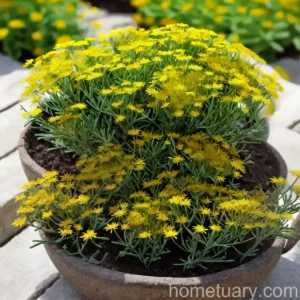
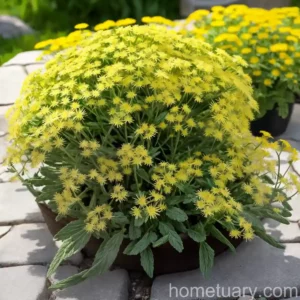
Containers: Due to its compact growth habit and colorful blooms, the blanket flower thrives in containers and pots. This makes it a popular choice for balcony gardens, patios, and small outdoor spaces.
Water
Proper watering is crucial for the health and vigor of the blanket flower. While the plant is relatively tolerant of drought conditions, it thrives best when provided with moderate and consistent moisture. Here are some tips for watering the blanket flower:
-
Established Plants: Once established, the blanket flower can tolerate drier conditions. However, it’s still important to provide supplemental water during extended periods of drought or high temperatures.
-
Newly Planted Seedlings: During the initial establishment phase, newly planted blanket flower seedlings should be watered more frequently to help them develop strong root systems.
-
Watering Technique: When watering the blanket flower, it’s important to ensure that the soil is moist but not waterlogged. Allow the top layer of soil to dry out slightly between waterings to prevent issues such as root rot.
Sunlight
The blanket flower thrives in full sunlight, making it an ideal choice for gardens and landscapes with ample sun exposure. Here are some key considerations regarding sunlight requirements for the Gaillardia aristata Barbican Yellow Red Ring:
-
Optimal Sun Exposure: Plant the blanket flower in an area that receives at least 6-8 hours of direct sunlight per day. Insufficient sunlight can lead to reduced blooming and overall plant vigor.
-
Southern Exposure: The blanket flower particularly benefits from a southern exposure, where it can receive maximum sunlight throughout the day.
-
Shade Tolerance: While the blanket flower prefers full sun, it can tolerate partial shade. However, blooming may be reduced in areas with limited sunlight.
Fertilizer
Proper fertilization can enhance the growth and blooming potential of the blanket flower. When it comes to fertilizing Gaillardia aristata Barbican Yellow Red Ring, consider the following guidelines:
-
Balanced Fertilizer: Use a balanced, all-purpose fertilizer with an NPK ratio of 10-10-10 or similar. Apply the fertilizer in early spring as new growth emerges.
-
Moderate Application: Avoid over-fertilizing the blanket flower, as excessive nutrients can lead to lush foliage but reduced flowering. Follow the recommended application rates on the fertilizer label.
-
Organic Alternatives: For gardeners preferring organic options, consider using compost or well-decomposed manure as a natural source of nutrients for the blanket flower.
Soil
The soil composition plays a critical role in the overall health and growth of the blanket flower. Understanding the ideal soil conditions for Gaillardia aristata Barbican Yellow Red Ring is essential for its long-term success. Consider the following soil-related factors:
-
Well-Draining Soil: The blanket flower thrives in well-draining soil that prevents waterlogging and root rot. Sandy or loamy soil types are ideal, as they allow excess moisture to drain away from the roots.
-
Soil pH: The ideal soil pH for the blanket flower ranges from slightly acidic to neutral (pH 6.0-7.0). Conduct a soil test to determine the pH of the planting area and amend the soil if necessary.
-
Soil Amendments: Prior to planting, incorporate organic matter such as compost or peat moss into the soil to improve its structure and fertility. This helps create an optimal growing environment for the blanket flower.
Pruning
Pruning plays a vital role in maintaining the neat and tidy appearance of the blanket flower, as well as promoting continuous blooming. Proper pruning techniques for Gaillardia aristata Barbican Yellow Red Ring include the following:
-
Deadheading: Regular deadheading of spent flowers encourages the plant to produce new blooms, extending the flowering period. Simply remove faded flowers by snipping them off at the base of the stem.
-
Cutting Back: In late summer or early fall, consider cutting back the blanket flower’s stems by 1/3 to promote a flush of new growth and blooms. This rejuvenates the plant and prevents leggy growth.
-
Winter Clean-Up: In regions with cold winters, consider cutting back the blanket flower to ground level in late fall or early winter. This helps the plant conserve energy and prepare for the dormant season.
Propagation
The propagation of the blanket flower allows gardeners to expand their plantings and share this beautiful species with others. Propagation methods for Gaillardia aristata Barbican Yellow Red Ring include the following techniques:
-
Seed Propagation: Blanket flower seeds can be sown directly in the garden or started indoors. Sow the seeds in well-prepared soil in spring after the threat of frost has passed. Keep the soil consistently moist until germination occurs.
-
Division: As the blanket flower matures, it forms clumps with multiple stems. In early spring, carefully dig up the plant and divide the clumps into smaller sections, ensuring each division has healthy roots and shoots. Replant the divisions in suitable locations.
Container Popularity
The blanket flower’s compact growth habit and colorful blooms make it an excellent choice for container gardening. Whether grown in individual containers or mixed with other annuals and perennials, Gaillardia aristata Barbican Yellow Red Ring thrives in container settings. Consider the following tips for growing the blanket flower in containers:
-
Container Selection: Choose well-draining containers with adequate drainage holes to prevent waterlogging. The size of the container should accommodate the growth habit of the blanket flower.
-
Potting Mix: Use a high-quality potting mix that provides good aeration and moisture retention. Consider adding perlite or vermiculite to improve drainage.
-
Watering Needs: Container-grown blanket flowers may require more frequent watering, especially during hot and dry periods. Monitor the soil moisture regularly and adjust the watering frequency as needed.
-
Fertilization: Apply a balanced, water-soluble fertilizer to container-grown blanket flowers every 4-6 weeks during the growing season to support healthy growth and continuous blooming.
Common Diseases
While the blanket flower is generally resistant to many diseases, it can still be affected by certain common issues that gardeners should be aware of. Identifying and addressing these diseases promptly is crucial for maintaining the health of Gaillardia aristata Barbican Yellow Red Ring. Some common diseases that may affect the blanket flower include:
-
Powdery Mildew: This fungal disease manifests as a powdery white coating on the leaves and stems of the blanket flower. It thrives in humid conditions and can weaken the plant over time.
-
Root Rot: Excessive soil moisture or poor drainage can lead to root rot in the blanket flower. Symptoms include wilting, yellowing leaves, and a foul odor from the roots.
-
Bacterial Leaf Spot: Characterized by dark, water-soaked spots on the leaves, bacterial leaf spot can affect the overall appearance and vigor of the blanket flower.
-
Gray Mold (Botrytis): In damp and cool conditions, the blanket flower may be susceptible to gray mold, which presents as fuzzy gray growth on the foliage and flowers.
-
Crown Rot: If the crown of the blanket flower is consistently subjected to excessive moisture, it may develop rot, leading to stunted growth and overall decline.
-
Viral Diseases: While less common, viral diseases such as aster yellows can affect the blanket flower, causing stunted growth, distorted blooms, and overall decline.
Disease Diagnosis
Diagnosing and treating diseases in the blanket flower requires careful observation and prompt action. When identifying potential diseases in Gaillardia aristata Barbican Yellow Red Ring, consider the following diagnostic steps:
-
Visual Symptoms: Carefully inspect the foliage, stems, and blooms for any unusual discoloration, spots, or growths. Take note of changes in the overall appearance of the plant.
-
Environmental Conditions: Consider the prevailing environmental factors, such as moisture levels, humidity, and air circulation, which can contribute to the development of certain diseases.
-
Laboratory Analysis: In cases of uncertain diagnosis, consider sending samples of affected plant parts to a diagnostic laboratory for professional analysis and identification of potential pathogens.
-
Treatment Options: Once a disease is diagnosed, follow the recommended treatment measures, which may include cultural practices, fungicidal applications, and sanitation to prevent the spread of the disease.
Common Pests
In addition to diseases, the blanket flower may also face challenges from various pests that can impact its growth and blooming capabilities. Being aware of these common pests and their control methods is essential for maintaining the overall health of Gaillardia aristata Barbican Yellow Red Ring. Some prevalent pests that may affect the blanket flower include:
-
Aphids: These small, sap-sucking insects can congregate on the tender growth of the blanket flower, causing distortion of leaves and the transmission of viral diseases.
-
Thrips: Thrips can cause damage to the blooms of the blanket flower by feeding on the flower heads, leading to discoloration and premature wilting.
-
Spider Mites: These tiny arachnids can infest the blanket flower, causing stippling and discoloration of the foliage, especially in hot and dry conditions.
-
Whiteflies: Whiteflies are small, white insects that can gather on the undersides of the blanket flower’s leaves, leading to reduced vigor and the transmission of plant viruses.
-
Caterpillars: Certain caterpillar species may feed on the foliage of the blanket flower, causing visible damage and defoliation if populations are left unmanaged.
-
Snails and Slugs: These moisture-dependent pests can feed on the leaves and tender shoots of the blanket flower, particularly in damp and shaded areas.
Botanist’s Tips
For gardeners and plant enthusiasts looking to cultivate the blanket flower successfully, here are some valuable botanist’s tips for growing and caring for Gaillardia aristata Barbican Yellow Red Ring:
-
Selecting Varieties: Explore the various blanket flower varieties available, each offering unique colors and growth habits. Consider incorporating multiple varieties to create diverse and visually striking garden displays.
-
Companion Planting: Pair the blanket flower with compatible companion plants that complement its growth habits and cultural requirements. This can enhance the overall aesthetics of the garden and provide ecological benefits.
-
Wildlife Attraction: The blanket flower’s vibrant blooms are known to attract pollinators such as bees and butterflies, making it a valuable addition to wildlife-friendly gardens.
-
Disease Prevention: Practice good garden hygiene and cultural management practices to prevent common diseases from affecting the blanket flower. This includes proper watering, adequate air circulation, and sanitation.
-
Seasonal Maintenance: Regularly evaluate the health and vigor of the blanket flower throughout the growing season, making adjustments to cultural practices as needed to support its overall well-being.
-
Landscape Design: Incorporate the blanket flower into landscape designs that capitalize on its striking colors, growth habits, and drought tolerance. Consider mass plantings, borders, or mixed perennial displays for maximum impact.
Fun Facts
To further appreciate the unique qualities and characteristics of the blanket flower, here are some fun and interesting facts about Gaillardia aristata Barbican Yellow Red Ring:
-
The blanket flower’s vibrant blooms are reminiscent of traditional Native American blankets, inspiring its common name.
-
Gaillardia aristata is a native wildflower in North America, known for its resilience and adaptability to a wide range of growing conditions.
-
The blanket flower’s daisy-like blooms make it a popular choice for cut flower arrangements, adding a touch of color and cheer to indoor spaces.
-
Due to its heat tolerance and water-wise nature, the blanket flower is well-suited for sustainable and xeriscape gardens.
-
Certain varieties of blanket flowers are renowned for their extended blooming periods, providing a long-lasting display of color in garden settings.
Links to External Resources
For further information and resources on the blanket flower (Gaillardia aristata Barbican Yellow Red Ring), consider exploring the following external links:
-
The National Gardening Association – Gaillardia aristata: Blanketflower
-
University of Florida – Blanketflower for Florida Landscapes
-
The Spruce – Growing Blanket Flowers for Hot, Dry, Sunny Sites
By exploring these resources, gardeners and plant enthusiasts can gain a deeper understanding of the blanket flower and its cultural requirements, uses, and maintenance guidelines.
In conclusion, the blanket flower (Gaillardia aristata Barbican Yellow Red Ring) stands out as a striking and versatile perennial plant that adds vibrant color and visual appeal to garden landscapes, containers, and wildflower meadows. By understanding its cultural needs, caring for its health, and appreciating its unique qualities, gardeners can cultivate thriving and visually stunning displays of this beloved North American wildflower.
By incorporating the insights and tips provided in this comprehensive guide, gardeners are empowered to create engaging and sustainable garden spaces featuring the captivating beauty of the blanket flower.
The article provides a comprehensive overview of the “blanket flower (Gaillardia aristata BARBICAN YELLOW RED RING)” including details on its culture, uses, care requirements, common diseases and pests, as well as propagation and container gardening tips. The content covers various facets of the plant, catering to gardening enthusiasts and horticulture professionals. The information is presented in an organized and engaging manner, with key takeaways, external resource links, and practical tips to enhance the reader’s understanding of the subject matter.