The Wonderful World of Coneflower (Echinacea purpurea ‘Purity’)
Coneflower, scientifically known as Echinacea purpurea ‘Purity’, is a classic and popular herbaceous perennial plant, widely acclaimed for its stunning beauty and medicinal properties. As a plant scientist passionate about exploring the diverse world of flora, I am thrilled to dive into the multifaceted realm of coneflowers. In this comprehensive guide, we will explore the cultural aspects, uses, care tips, and more, delving into the essence of this remarkable plant.
What is Coneflower (Echinacea purpurea ‘Purity’)?
Coneflower, or Echinacea purpurea ‘Purity’, is a member of the Asteraceae family, known for its stunning daisy-like flowers. These plants are native to eastern and central North America and have made their mark in gardens, landscaping, and herbal medicine.
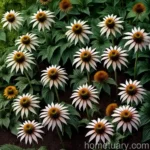
The ‘Purity’ variety is specifically cherished for its pure white flowers, adding a touch of elegance to any garden or landscape. It is a clump-forming perennial that typically grows to a height of 2 to 3 feet, and it boasts a long flowering period, making it a delightful addition to any outdoor space.

Key Takeaways – Coneflower (Echinacea purpurea ‘Purity’)
Before we delve deeper into the specifics of coneflower culture and care, let’s capture the key takeaways associated with this exquisite plant:
-
Echinacea purpurea ‘Purity’ Variety: The ‘Purity’ variety of Echinacea purpurea is renowned for its distinctive white flowers, adding a touch of purity and elegance to gardens and landscapes.
-
Medicinal and Ornamental Uses: Coneflowers are celebrated not only for their aesthetic appeal but also for their various medicinal properties, making them a versatile and beneficial addition to any outdoor space.
-
Adaptability: Echinacea purpurea ‘Purity’ is known for its adaptability to a variety of growing conditions, making it suitable for both novice and experienced gardeners.
Now, let’s explore the intricate details of coneflower culture, uses, and care regimen.
Culture
Understanding the cultural requirements of coneflowers is essential for fostering healthy and vibrant plants. Let’s explore the key cultural aspects that contribute to the optimal growth and development of Echinacea purpurea ‘Purity’.
Water
Coneflowers, including the ‘Purity’ variety, generally prefer well-draining soil and moderate watering. Overly wet conditions can lead to root rot, so it’s essential to strike a balance between keeping the soil evenly moist and not waterlogged.
- Regular Watering: Provide consistent moisture, especially during dry periods, but allow the soil to dry out slightly between waterings.
- Avoid Overwatering: Prevent waterlogged conditions and ensure adequate drainage to protect the plant’s root system.
Sunlight
As sun-loving plants, coneflowers thrive in full sun to partial shade conditions. Adequate sunlight is crucial for promoting robust growth and profuse flowering.
- Full Sun: Aim to plant Echinacea purpurea ‘Purity’ in locations that receive at least 6 to 8 hours of sunlight per day for optimal performance.
- Partial Shade: While these plants prefer full sun, they can tolerate some afternoon shade, especially in hot climates.
Fertilizer
When it comes to fertilizing coneflowers, a balanced approach is key. These plants do not require excessive fertilization, and a light feeding regimen can support healthy growth and flowering.
- Moderate Fertilization: Use a balanced, slow-release fertilizer in spring, and consider a second application in midsummer to support continuous blooming.
- Avoid Over-Fertilization: Refrain from overfeeding, as excessive nitrogen can lead to lush foliage at the expense of flower production.
Soil
Echinacea purpurea ‘Purity’ thrives in well-drained, loamy soil with a slightly acidic to neutral pH. Good soil structure and fertility play a crucial role in nurturing vigorous and resilient plants.
- Well-Draining Soil: Ensure the soil has good drainage to prevent waterlogging, especially during periods of heavy rainfall.
- Soil Amendments: Incorporate organic matter, such as compost, during planting to enhance soil fertility and structure.
Pruning
Pruning coneflowers, including the ‘Purity’ variety, serves both aesthetic and practical purposes. Proper pruning can encourage bushier growth, prolong flowering, and rejuvenate the plants.
- Deadheading: Regularly remove spent flowers to stimulate continuous blooming and prevent seed formation, promoting energy redirection to new blooms.
- Spring Pruning: Cut back the withered foliage in early spring to make way for fresh growth and enhance the overall appearance of the plants.
Propagation
Propagation methods such as division and seed sowing offer opportunities to expand your coneflower collection and share the beauty of Echinacea purpurea ‘Purity’ with others.
- Division: Divide mature clumps in early spring or fall, ensuring that each division has adequate roots and shoots for successful establishment.
- Seed Sowing: Collect and sow seeds in fall or early spring, providing a protective mulch layer to safeguard the seeds and enhance germination.
Container Popularity
Coneflowers, including the ‘Purity’ variety, are increasingly favored for container gardening, a trend that resonates with enthusiasts seeking versatile and space-efficient planting options.
- Container Selection: Choose spacious containers with adequate drainage holes to accommodate the robust root systems of coneflowers.
- Soil Mix: Use a well-draining potting mix enriched with organic matter to provide the necessary support and nutrients for container-grown coneflowers.
Common Diseases
While coneflowers are generally resilient, they can be susceptible to certain diseases that may impact their overall vigor and appearance.
- Powdery Mildew: Watch for signs of powdery white mildew on the foliage, especially during humid conditions. Prune affected areas and provide proper air circulation to mitigate its spread.
- Aster Yellows: Keep an eye out for distorted, yellowing growth, which can indicate the presence of aster yellows, a phytoplasma disease. Promptly remove and discard infected plants to prevent further spread.
Disease Diagnosis
Accurate diagnosis of plant diseases is crucial for implementing appropriate management strategies. When identifying potential diseases on coneflowers, including the ‘Purity’ variety, consider the following diagnostic factors:
- Symptoms: Observe and document any abnormal symptoms or changes in the plant’s appearance, such as discoloration, distortion, or unusual growth patterns.
- Environmental Conditions: Assess the prevailing environmental factors, including temperature, humidity, and moisture levels, as they can influence disease development.
- Pathogen Identification: If possible, seek professional assistance for pathogen identification and tailored control measures based on the specific disease affecting the plants.
Common Pests
Coneflowers, like many ornamental plants, can attract certain pests that may compromise their health and aesthetics if left unmanaged.
- Aphids: Monitor for clusters of small, soft-bodied insects on the stems and undersides of leaves, and employ targeted control methods such as insecticidal soap if infestations occur.
- Japanese Beetles: Watch for feeding damage characterized by skeletonized foliage, and consider using traps or physical removal to mitigate their impact on coneflowers.
Botanist’s Tips
As a plant enthusiast and botanist, I offer the following tips to enrich your experience with Echinacea purpurea ‘Purity’ and foster the optimal growth and well-being of these captivating plants:
- Encourage Pollinators: Leverage the attractiveness of coneflowers to bees, butterflies, and other pollinators by incorporating them into pollinator-friendly garden designs.
- Companion Planting: Explore companion plants that complement the visual appeal and growth habits of coneflowers, creating harmonious and balanced planting schemes.
Fun Facts
Dive into the enchanting world of coneflowers with these intriguing and delightful fun facts about Echinacea purpurea ‘Purity’:
- Medicinal Legacy: The Echinacea genus, to which coneflowers belong, has a rich history of use in traditional medicine, and it continues to be valued for its immune-boosting properties.
- Historical Significance: Native American tribes utilized various parts of coneflowers for medicinal and ceremonial purposes, highlighting the cultural significance of these plants.
As we unravel the captivating facets of coneflowers, it’s essential to access reliable and insightful resources that deepen our understanding and appreciation of these remarkable plants. Below are external links to valuable resources that offer comprehensive guidance on coneflower culture, care, and uses.
Links to External Resources
- The American Phytopathological Society – Explore detailed information on coneflowers and their management, including disease resistance and cultural practices.
- The Herb Society of America – Access a wealth of knowledge on the historical and contemporary uses of Echinacea in herbal medicine and culinary applications.
In essence, Echinacea purpurea ‘Purity’ epitomizes the harmonious blend of ornamental allure and medicinal significance, captivating gardeners, herbalists, and nature enthusiasts alike. As we savor the elegance and resilience of these plants, may our journey into the world of coneflowers be accompanied by an enduring sense of wonder and appreciation for the natural wonders that grace our lives.
So, whether you are a gardening aficionado seeking to enhance your outdoor haven or an avid herbalist drawn to the healing potential of botanical treasures, Echinacea purpurea ‘Purity’ stands as a captivating muse, inviting us to embrace its beauty and embrace the bountiful gifts it has to offer.
With this comprehensive guide to Echinacea purpurea ‘Purity’, we embark on a journey of exploration, celebration, and cultivation, casting a radiant spotlight on the timeless allure and profound significance of coneflowers.