All about Purple Coneflower (Echinacea purpurea ‘Cygnet White’)
Introduction
Plants are a vital component of Earth’s ecosystem, playing a crucial role in maintaining ecological balance and providing numerous benefits to human health and wellbeing. In this blog post, we will delve into the captivating world of Purple Coneflowers (Echinacea purpurea ‘Cygnet White’). These enchanting plants are valued not only for their ornamental beauty but also for their cultural significance, medicinal properties, and ecological contributions.
What is Purple Coneflower (Echinacea purpurea ‘Cygnet White’)?
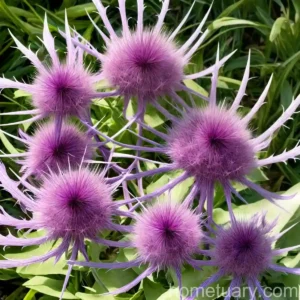
Echinacea purpurea ‘Cygnet White’, commonly known as Purple Coneflower, is a stunning perennial plant that belongs to the Asteraceae family. This cultivar is distinguished by its captivating white flowers with prominent, copper-orange cones, adding a touch of elegance to gardens and landscapes. The plant is native to eastern and central North America and is renowned for its resilience, making it a popular choice among gardeners and landscapers.
Key Characteristics of Purple Coneflower (Echinacea purpurea ‘Cygnet White’)
- Scientific Name: Echinacea purpurea ‘Cygnet White’
- Family: Asteraceae
- Common Name: Purple Coneflower ‘Cygnet White’
- Flower Color: White with copper-orange cones
- Plant Type: Herbaceous perennial
- Native Habitat: Eastern and central North America
Key Takeaways – Purple Coneflower (Echinacea purpurea ‘Cygnet White’)
Before we dive into the specifics of caring for Purple Coneflowers, let’s explore a summary of the key takeaways related to Echinacea purpurea ‘Cygnet White’:
- Echinacea purpurea ‘Cygnet White’: A captivating variety of Purple Coneflower with beautiful white flowers.
- Benefits of Growing Echinacea purpurea ‘Cygnet White: This cultivar adds ornamental value to gardens, attracts pollinators, and has cultural and medicinal significance.
- Caring for Purple Coneflowers: Echinacea purpurea ‘Cygnet White’ requires well-drained soil, ample sunlight, and moderate watering.
- Landscaping with Echinacea purpurea ‘Cygnet White: These plants are ideal for enhancing biodiversity, attracting wildlife, and creating sustainable landscapes.
With these key points in mind, let’s delve into the detailed care and cultivation practices for Purple Coneflowers to help you unleash the full potential of Echinacea purpurea ‘Cygnet White’ in your garden or landscape.
Culture
Cultivating Purple Coneflowers involves understanding their cultural requirements, including soil, water, sunlight, and fertilizer needs. By providing the ideal growing conditions, you can ensure the health and vigor of Echinacea purpurea ‘Cygnet White’, promoting abundant blooms and overall resilience.
Uses
Purple Coneflowers have a wide range of uses, each celebrated for its own specific qualities.
- Ornamental Use: They are highly valued for their ornamental beauty and are often utilized in garden beds, borders, and mixed perennial plantings.
- Wildlife Gardens: Purple Coneflowers attract butterflies, bees, and other pollinators, making them a valuable addition to wildlife-friendly gardens.
- Medicinal Purposes: Echinacea purpurea is renowned for its medicinal properties, with traditional uses in supporting immune health.
Water
In terms of water requirements, Purple Coneflowers exhibit moderate drought tolerance once established. However, regular watering is essential during the plant’s establishment phase and during prolonged dry spells. Proper watering practices are critical in preventing waterlogged soil, which can lead to root rot and other issues.
Sunlight
Sunlight plays a crucial role in the growth and blooming of Purple Coneflowers. Echinacea purpurea ‘Cygnet White’ thrives in full sunlight, requiring at least 6 hours of direct sunlight per day for optimal growth and flowering. Placing them in a sunny location will ensure vibrant blooms and sturdy, healthy plants.
Fertilizer
When it comes to fertilization, Purple Coneflowers generally have low to moderate fertility needs. Excessive fertilization can lead to lush foliage at the expense of flower production. A balanced, slow-release fertilizer applied in spring as new growth emerges can help support healthy growth and flowering without promoting excessive vegetative growth.
Soil
Well-drained soil with a slightly acidic to neutral pH is ideal for Purple Coneflowers. They prefer soil that is rich in organic matter and offers good drainage, as they are susceptible to root rot in waterlogged conditions. Amending heavy clay soils with organic matter can improve drainage and create a more favorable growing environment for Echinacea purpurea ‘Cygnet White’.
Pruning
Pruning can play a role in maintaining the health and appearance of Purple Coneflowers. Deadheading spent blooms can promote continuous flowering and prevent self-seeding, which is beneficial if you want to control their spread or preserve the energy of the plant for further growth and development.
Propagation
Purple Coneflowers can be propagated through several methods, including division, seed sowing, and stem cuttings. Each propagation method has its own advantages and challenges, offering gardeners flexibility in expanding their collection of Echinacea purpurea ‘Cygnet White’ or sharing these beautiful plants with others.
Container Popularity
The popularity of container gardening has led to an increased interest in growing Purple Coneflowers in pots. Echinacea purpurea ‘Cygnet White’ can thrive in containers, provided they have adequate space, drainage, and access to sunlight. Container-grown Purple Coneflowers can serve as stunning focal points on patios, balconies, and other outdoor spaces, offering a touch of natural beauty in a confined environment.
Common Diseases
While Purple Coneflowers are generally resilient, they can be susceptible to certain diseases that can impact their growth and appearance. Understanding common diseases and their symptoms is crucial for implementing timely intervention and preventing the spread of pathogens.
Disease Diagnosis
Diagnosing diseases in Purple Coneflowers involves keen observation of symptoms such as foliage discoloration, wilting, and abnormal growth patterns. Common fungal diseases, including powdery mildew and aster yellows, can affect Purple Coneflowers, leading to diminished aesthetic appeal and compromised plant health.
Common Pests
Pests can also pose a threat to Purple Coneflowers, albeit to a lesser extent than diseases. Keeping an eye out for common pests and employing suitable pest control measures can help safeguard the wellbeing of Echinacea purpurea ‘Cygnet White’.
Botanist’s Tips
As a plant scientist, here are some expert tips to ensure the successful cultivation and enjoyment of Purple Coneflowers:
- Soil Preparation: Prior to planting, ensure the soil is well-drained and amended with organic matter to create an optimal growing environment.
- Sunlight Optimization: Provide ample sunlight for Purple Coneflowers to support robust growth and abundant flowering.
- Watering Practices: Implement a consistent watering regimen, especially during the establishment phase, to promote healthy root development.
Fun Facts
Delve into some fascinating fun facts about Purple Coneflowers and their captivating qualities:
- Did you know that Echinacea purpurea ‘Cygnet White’ is often used in traditional medicine for its immune-boosting properties?
- Purple Coneflowers are renowned for their ability to attract pollinators, contributing to the biodiversity of garden ecosystems.
- The ornamental value of Echinacea purpurea ‘Cygnet White’ extends beyond its blooming period, with attractive seed heads adding visual interest in late summer and fall.
Links to External Resources
For more in-depth information on Purple Coneflowers and their cultivation, the following resources offer valuable insights and guidance:
- University of Vermont Extension – Growing Coneflowers
- Missouri Botanical Garden – Echinacea purpurea
- North Carolina State University – Echinacea purpurea Production Guide
- Royal Horticultural Society – Echinacea purpurea ‘Cygnet White’
- University of Massachusetts Amherst – Echinacea Production and Marketing
This concludes our extensive exploration of the enchanting world of Purple Coneflower (Echinacea purpurea ‘Cygnet White’). By understanding their cultural requirements, benefits, and ornamental value, we can fully appreciate the beauty and resilience of these captivating plants. Whether used in gardens, landscapes, or containers, Purple Coneflowers are not only aesthetically pleasing but also contribute to the ecological richness of their surroundings. As we continue to embrace the wonders of the plant kingdom, Purple Coneflowers stand as a testament to nature’s enduring allure and its countless offerings to humanity.
If you are looking for more resources on caring for Purple Coneflowers, do check these articles, and have a great time exploring the beautiful world of Purple Coneflowers!
References
- University of Vermont Extension – Growing Coneflowers. Available at: https://www.uvm.edu/sites/default/files/extension-moving/Climate-Change/pppechinacea.pdf
- Missouri Botanical Garden – Echinacea purpurea. Available at: https://www.missouribotanicalgarden.org/PlantFinder/PlantFinderDetails.aspx?taxonid=278873
- North Carolina State University – Echinacea purpurea Production Guide. Available at: https://content.ces.ncsu.edu/echinacea-production-guide
- Royal Horticultural Society – Echinacea purpurea ‘Cygnet White’. Available at: https://www.rhs.org.uk/Plants/105860/i-Echinacea-purpurea-i-Cygnet-White/Details
- University of Massachusetts Amherst – Echinacea Production and Marketing. Available at: https://ag.umass.edu/newsletters/new-england-greenhouse-update/ne-greenhouse-update-newsletter-vol-24-issue-12