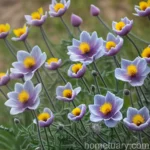
Pulsatilla vulgaris subsp. grandis (Greater Pasque Flower)
Pulsatilla vulgaris subsp. grandis, commonly known as the Greater Pasque Flower, is a stunning perennial plant that belongs to the Ranunculaceae family. This beautiful flower is native to Europe, particularly the Alpine region, and is cherished for its early spring blooms and feathery, silvery seed heads. With its rich cultural history, unique morphology, and various uses, the Pulsatilla vulgaris subsp. grandis has garnered significant attention not only among horticulturists and botanists but also among herbalists and garden enthusiasts.
In this comprehensive guide, we will delve into the various aspects of the Greater Pasque Flower, ranging from its cultural significance to its propagation, care, and landscaping uses. Whether you are already cultivating this splendid plant or contemplating adding it to your garden, this article aims to provide you with a wealth of knowledge to ensure the successful growth and maintenance of Pulsatilla vulgaris subsp. grandis.
Table of Contents
- What is Pulsatilla vulgaris subsp. grandis?
- Key Takeaways
- Culture
- Uses
- Water
- Sunlight
- Fertilizer
- Soil
- Pruning
- Propagation
- Container Popularity
- Common Diseases
- Disease Diagnosis
- Common Pests
- Botanist’s Tips
- Fun Facts
- Links to External Resources
What is Pulsatilla vulgaris subsp. grandis?
Pulsatilla vulgaris subsp. grandis, commonly known as the Greater Pasque Flower, is a subspecies of Pulsatilla vulgaris, a herbaceous perennial plant characterized by its finely-dissected foliage and vibrant, bell-shaped flowers. This subspecies is distinguished by its larger blooms and robust nature, making it a sought-after choice for gardeners seeking a charming and resilient addition to their landscape.
The plant typically reaches a height of about 30-45 centimeters and boasts deeply cut, fern-like foliage. The star attraction, however, is the nodding flowers that appear in early spring, showcasing a delightful blend of deep purples and blues, often with contrasting golden stamens. As the blooms fade, they give way to striking, silvery seed heads which extend the visual appeal of the plant well into the summer months.
Pulsatilla vulgaris subsp. grandis does best when grown in well-drained, alkaline soils and enjoys a sunny position. While it is a hardy and relatively low-maintenance plant, providing a suitable growing environment and adhering to a few key cultural practices can greatly enhance its overall performance in the garden. Let’s explore the key takeaways and various aspects of cultivating and harnessing the beauty of the Greater Pasque Flower.
Key Takeaways – Pulsatilla vulgaris subsp. grandis (Greater Pasque Flower)
1. Pulsatilla vulgaris grandis
- Pulsatilla vulgaris grandis is a subspecies of Pulsatilla vulgaris, known for its larger and showier blooms compared to the species.
- This subspecies is well-regarded for its robust nature and striking visual appeal.
2. Greater Pasque Flower
- The Greater Pasque Flower, as the name suggests, is a larger and more expansive variant of the Pasque Flower, attracting attention with its stunning flowers and feathery seed heads.
- Its early spring blooms make it a valuable addition to any garden, signaling the end of winter and the onset of the growing season.
3. Large Pasque Flower
- In comparison to other Pasque Flowers, the large size and robust growth habit of the Greater Pasque Flower make it an attractive choice for gardeners seeking a distinct and eye-catching plant.
4. Pulsatilla vulgaris subspecies grandis
- Belonging to the subspecies grandis, this Pulsatilla vulgaris variant boasts remarkable vigor, making it a favored selection for horticultural purposes.
5. Plantain Pasque Flower
- The Greater Pasque Flower is also referred to as the “Plantain Pasque Flower,” owing to its resemblance to the Plantago genus and the traditional use of Pasque Flowers in herbal medicine.
For someone interested in gardening or exploring the world of botanical wonders, the Pulsatilla vulgaris subsp. grandis presents a captivating subject, offering a unique blend of aesthetic allure and cultural significance.
Culture
#1. Water
Pulsatilla vulgaris subsp. grandis, being a native of Alpine regions, is accustomed to well-drained soils and relatively drier conditions. While establishing the plant, it is crucial to provide consistent moisture to aid in root development and initial growth. However, once established, the Greater Pasque Flower is remarkably drought-tolerant and is best left on the drier side. Overly wet conditions can lead to root rot and other detrimental issues. The watering frequency should be adjusted according to the prevailing weather conditions, ensuring that the soil remains slightly moist but not waterlogged.
#2. Sunlight
Adequate sunlight is crucial for the healthy growth and prolific blooming of Pulsatilla vulgaris subsp. grandis. As a rule of thumb, it thrives in full to partial sun, requiring a minimum of 6 hours of direct sunlight per day. In regions with scorching summers, providing some protection from intense midday sun can prevent the plant from wilting or scorching. When selecting a planting site, choose a location with ample sunlight and good air circulation to promote the plant’s overall vigor and flowering potential.
#3. Fertilizer
In nutrient-poor soils, supplementing with a balanced, slow-release fertilizer in early spring can provide the plant with the necessary nutrients for robust growth and prolific blooms. However, it is essential to avoid excessive fertilization, especially with high nitrogen content, as this can lead to lush foliage at the expense of flowering. A light application of a balanced fertilizer or a top dressing of compost in spring should suffice to support the plant’s nutritional needs.
#4. Soil
The ideal soil for Pulsatilla vulgaris subsp. grandis is well-drained, alkaline to neutral, and moderately fertile. Sandy loam or rocky soils with good drainage are particularly well-suited for this plant. High clay content and water-logged conditions should be avoided to prevent root rot and other moisture-related issues. Amending the soil with organic matter such as compost or well-rotted manure can enhance its structure and fertility, creating an optimal growing environment for the Greater Pasque Flower.
#5. Pruning
Pulsatilla vulgaris subsp. grandis generally does not require extensive pruning. However, the removal of spent blooms and any withered or damaged foliage can improve the plant’s appearance and prevent the development of diseases. Pruning, if needed, should be performed after flowering to allow the plant to channel its energy into seed production and root development. Care should be taken to avoid cutting into the crown of the plant or causing damage to the emerging foliage.
Uses
#1. Medicinal Properties of Pulsatilla vulgaris
The Pasque Flower, including the Pulsatilla vulgaris subsp. grandis, has a long history of traditional medicinal use. Its roots were employed in herbal medicine for their purported antimicrobial and anti-inflammatory properties. However, it is important to note that the plant contains potentially toxic compounds and should only be used under the guidance of a qualified herbalist or healthcare professional. The plant’s medicinal applications are best left to experts in botanical medicine and should not be attempted without proper knowledge and understanding of its potential risks and benefits.
#2. Horticultural Significance
The Greater Pasque Flower is valued as an ornamental garden plant, appreciated for its early spring blooms, distinct foliage, and intriguing seed heads. It serves as a beautiful addition to rock gardens, perennial borders, and wildflower meadows, introducing a touch of wild elegance and color to the landscape. Additionally, the Pasque Flower is a robust and long-lived perennial, offering years of beauty and charm to the discerning gardener. Its attractiveness to pollinators further enhances its ecological value, contributing to the biodiversity and vitality of the garden.
#3. Pasque Flower Symbolism
Historically, Pasque Flowers have held symbolic significance in various cultures. In European folklore, the Pasque Flower has been associated with rebirth, renewal, and protection against evil spirits. Its early spring blooms are often seen as a symbol of hope and the triumph of life over adversity. These symbolic associations have contributed to the plant’s widespread cultivation and its use in ceremonial and decorative contexts.
Propagation
#1. Growing Greater Pasque Flower from Seeds
Propagation of Pulsatilla vulgaris subsp. grandis can be accomplished from seeds, providing a cost-effective and rewarding method to expand one’s plant collection. To grow Pasque Flowers from seeds:
– Harvest ripe seeds from the plant in late spring to early summer, when the seed heads have turned silvery and the seeds are mature.
– Store the seeds in a cool, dry place until the following autumn, ensuring that they are free from moisture and pests.
– In autumn, sow the seeds in prepared, well-draining soil in a location that receives ample sunlight.
– Seedlings will emerge in the following spring, and with proper care, they will develop into robust plants, ready to grace the garden with their enchanting blooms.
#2. Pasque Flower Propagation via Division
Division is another reliable method for propagating Pulsatilla vulgaris subsp. grandis. This can be undertaken in early spring or in autumn, as the plant emerges from dormancy or prepares for winter. The process involves carefully lifting the plant from the ground and dividing the root ball into smaller sections, each containing healthy roots and shoots. These divisions can then be replanted in prepared soil, ensuring that they receive adequate moisture and protection from direct midday sun while they establish themselves in their new location.
Container Popularity
Pulsatilla vulgaris subsp. grandis is well-suited for container cultivation, adding an enchanting touch to patios, balconies, and other outdoor living spaces. When grown in containers, the plant’s cultural needs must be tended to with additional care to ensure its well-being and flowering potential.
#1. Soil and Container Selection
Select a large, well-draining container with ample drainage holes to prevent waterlogging. A mixture of potting soil and perlite can be employed to improve the soil structure and aeration, creating a conducive environment for the plant’s roots to thrive.
#2. Sunlight and Watering
Position the container in a location with sufficient sunlight, ensuring that the plant receives at least 6 hours of direct sun daily. Water the plant as needed, allowing the top layer of soil to dry out before providing additional moisture. Container-grown plants may require more frequent watering, especially during hot and dry periods.
#3. Fertilization and Pruning
Fertilize the plant sparingly in spring with a balanced, slow-release fertilizer to support its growth and flowering. Minimal pruning may be necessary to remove withered foliage or spent blooms, maintaining the plant’s appearance and health.
#4. Overwintering
During the winter months, container-grown Pulsatilla vulgaris subsp. grandis may benefit from additional protection against extreme cold. Providing some insulation around the container and shielding it from harsh winds can safeguard the plant from winter damage, ensuring its vigor and readiness to bloom in the following spring.
Common Diseases
Common Diseases of Pulsatilla vulgaris subsp. grandis
- Botrytis Blight (Gray Mold) – Botrytis cinerea, a fungal pathogen, can cause gray mold on the plant’s foliage and flowers, especially in humid conditions. To prevent this condition, provide good air circulation, avoid overhead watering, and promptly remove any affected foliage to reduce the risk of spread.
- Root Rot – Excessive moisture, particularly in poorly draining soils, can lead to the development of root rot in Pulsatilla vulgaris subsp. grandis. Practicing moderation in watering and ensuring well-drained soils can help prevent this damaging condition.
- Powdery Mildew – Powdery mildew, caused by various fungal species, can manifest as a white, powdery growth on the plant’s foliage. Adequate spacing, good air circulation, and the removal of affected foliage can mitigate the impact of powdery mildew on Pasque Flowers.
- Viral Diseases – Viral infections can cause stunted growth, mottling, and other aberrations in the plant. Viral diseases are often spread by pests and contaminated tools, emphasizing the importance of practicing good sanitation and control measures to prevent their transmission.
Knowing the symptoms and preventative measures for these common diseases is vital for maintaining the health and beauty of Pulsatilla vulgaris subsp. grandis, allowing gardeners to intervene early and effectively to protect their cherished plants.
Disease Diagnosis
Diagnosing and Managing Plant Diseases
Diagnosing diseases in Pulsatilla vulgaris subsp. grandis requires keen observation and an understanding of common disease symptoms. Here are some key steps in diagnosing and managing plant diseases:
– Symptom Recognition: Identifying the specific symptoms exhibited by the plant, such as leaf spots, wilting, or discoloration, can provide clues to the underlying issue.
– Pathogen Identification: Determining the possible causative agents, whether fungal, bacterial, or viral, can inform the appropriate control and management strategies.
– Cultural Practices: Employing good cultural practices, such as proper watering, soil management, and sanitation, can minimize disease pressure and promote overall plant health.
– Integrated Pest and Disease Management: Utilizing a combination of physical, cultural, and biological control methods can effectively manage diseases while minimizing the reliance on chemical interventions.
– Consulting Experts: Seeking advice from plant pathologists, horticulturists, or extension services can provide valuable insights into disease management specific to Pulsatilla vulgaris subsp. grandis.
Early diagnosis and intervention are crucial in preventing the spread and escalation of plant diseases, safeguarding the vitality and longevity of garden plants.
Common Pests
Common Pests Affecting Pulsatilla vulgaris subsp. grandis
- Aphids – These small, sap-sucking insects can colonize the tender shoots and foliage of the Greater Pasque Flower, causing deformation and weakening of the plant. Regular scouting and the use of natural predators can help control aphid infestations.
- Spider Mites – Spider mites, characterized by their webbing and stippling on the leaves, can damage the plant by feeding on its sap. Increasing humidity and employing predatory mites can aid in managing spider mite populations.
- Slugs and Snails – These voracious herbivores can feed on the tender foliage and flowers of Pulsatilla vulgaris subsp. grandis, causing unsightly damage. Employing physical barriers and natural predators, such as predatory beetles, can offer effective control of slugs and snails.
- Thrips – Thrips can feed on the plant’s flowers and foliage, causing stippling and distortion of the tissues. Natural predators and insecticidal soaps can be used to manage thrips infestations.
Understanding the signs of pest infestation and implementing appropriate control measures can aid in mitigating the impact of pests on the health and appearance of the Greater Pasque Flower.
Botanist’s Tips
Botanical Insights for Growing Pulsatilla vulgaris subsp. grandis
- Selecting Suitable Cultivars: When choosing Pulsatilla vulgaris subsp. grandis for your garden, explore the diverse cultivars and variants available to find the most suitable options for your specific growing conditions and aesthetic preferences.
- Integrating Companion Plants: Consider the use of companion plants that complement the color, texture, and cultural needs of the Pasque Flower, creating harmonious and visually appealing plant combinations in the garden.
- Observation and Adjustments: Regularly monitor the plant for signs of stress, pests, or diseases, and make adjustments to its cultural care as needed to ensure its ongoing well-being and performance.
- Celebrating Native Flora: Embrace the rich heritage and ecological value of native flora by incorporating Pulsatilla vulgaris subsp. grandis into gardens and landscapes, promoting biodiversity and conservation.
- Sharing Horticultural Knowledge: Engage with fellow gardeners and plant enthusiasts to exchange experiences and knowledge on growing and appreciating the beauty of the Greater Pasque Flower, fostering a community of plant lovers and advocates for horticultural diversity.
Applying these tips can enhance the success and enjoyment of cultivating Pulsatilla vulgaris subsp. grandis, enriching the gardening experience and nurturing a thriving and vibrant garden environment.
Fun Facts
Fascinating Trivia about Pulsatilla vulgaris subsp. grandis
- Cultural Significance: The Pasque Flower has been associated with varied cultural and religious traditions, symbolizing rebirth, protection, and the arrival of spring in different regions.
- Pollinator Magnet: The vibrant blooms of the Greater Pasque Flower attract an array of pollinators, including bees and butterflies, fostering biodiversity in the garden ecosystem.
- Historical Medicinal Use: Pasque Flowers, including the Pulsatilla vulgaris subsp. grandis, have been historically utilized in herbal medicine for their purported healing properties and symbolic significance in traditional healing practices.
- Symbol of Hope: The early spring blooms of the Pasque Flower serve as a beacon of hope and rejuvenation, inspiring gardeners and nature enthusiasts with their resilient and captivating allure.
- Ecological Value: In its natural habitat, Pulsatilla vulgaris subsp. grandis contributes to the ecological tapestry, supporting wildlife and showcasing the beauty of native wildflowers in diverse landscapes.
These fun facts shed light on the enchanting allure and captivating attributes of the Greater Pasque Flower, offering a deeper appreciation for its ecological, aesthetic, and cultural significance.
Links to External Resources
For further information on Pulsatilla vulgaris subsp. grandis, its cultivation, and related botanical topics, consider exploring the following authoritative resources:
1. Royal Horticultural Society (RHS) – Link
2. Missouri Botanical Garden (MOBOT) – Link
3. American Horticultural Society (AHS) – Link
4. Botanical Society of America (BSA) – Link
5. The Herb Society of America – Link
These reputable organizations provide valuable insights, resources, and guidance on gardening, horticulture, and plant conservation, serving as invaluable knowledge hubs for plant enthusiasts and horticultural practitioners.
In conclusion, Pulsatilla vulgaris subsp. grandis, the Greater Pasque Flower, stands as a quintessential emblem of early spring, offering captivating blooms, intriguing seed heads