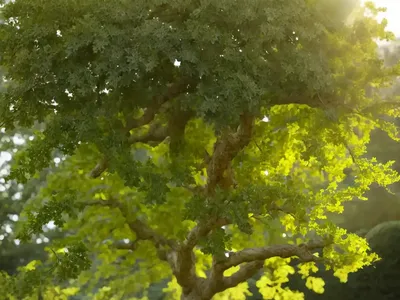
Quercus Robur (English Oak)
Quercus robur, commonly known as the English Oak or Pedunculate Oak, is a majestic and enduring symbol of strength and resilience. This iconic tree species.
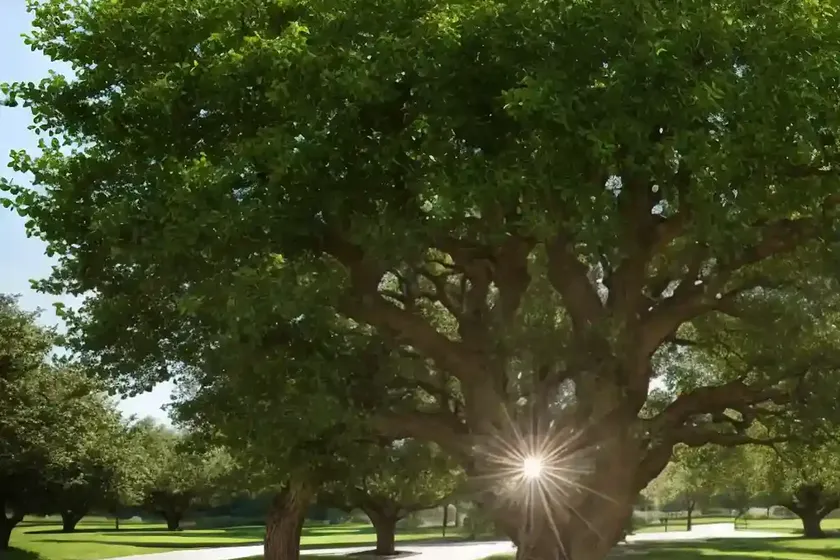
Quercus robur, commonly known as the English Oak or Pedunculate Oak, is a majestic and enduring symbol of strength and resilience. This iconic tree species is esteemed for its stately presence and deeply-rooted cultural significance. As a plant scientist, I am excited to delve into the world of Quercus robur, exploring its biological characteristics, cultural uses, care requirements, and ecological importance. Join me as we unravel the intricate tapestry of the English Oak and discover the multitude of ways in which it enriches our lives.
Key Takeaways: Quercus robur (English Oak)
- Scientific Name: Quercus robur
- Common Names: English Oak, Pedunculate Oak
- Family: Fagaceae
- Habitat: Native to Europe, West Asia, and North Africa
- Growth Rate: Moderate to fast
- Lifespan: 500 years or more
- Environmental Impact: Wildlife support, ecosystem stability
- Cultural Significance: Historical, folklore, and symbolic importance
- Conservation Status: Least Concern (IUCN)
- Notable Features: Distinctive lobed leaves, strong and durable wood
Now, let’s delve deeper into the captivating world of Quercus robur, examining its cultural significance, care requirements, and ecological contributions.
Culture
The English Oak holds a revered position in various cultures and societies. Revered for its longevity, strength, and resilience, the Quercus robur has been ingrained in the traditions and folklore of numerous civilizations.
-
Symbolism: The English Oak is often associated with concepts of endurance, wisdom, and protection. In many cultures, it signifies stability, strength, and the enduring spirit of nature. Its imposing presence in landscapes has provided inspiration for countless poets, writers, and artists throughout history.
-
Historical Significance: This iconic tree played a pivotal role in ancient European cultures and was often revered as a sacred symbol. Its wood was used in the construction of legendary ships, such as the British naval flagship HMS Victory, showcasing the timber’s strength and durability.
-
Folklore Beliefs: In various folklores and myths, the English Oak is portrayed as a tree of significance, often associated with deities or revered as a symbol of protection. Its ancient and noble presence has contributed to its mystical reputation in folklore and storytelling.
-
Conservation Efforts: Due to its cultural significance and ecological importance, conservation efforts have been initiated to protect and preserve Quercus robur and its associated woodland habitats. These endeavors aim to ensure the sustained presence of this iconic species for future generations to admire and cherish.
Uses
The versatility of the English Oak extends beyond its cultural significance, as it offers a myriad of practical and aesthetic uses. From woodworking to landscape design, the Quercus robur continues to leave an indelible mark on various facets of human life.
-
Wood: Renowned for its strength and resilience, English Oak wood has been utilized in furniture making, shipbuilding, flooring, and architectural elements for centuries. Its robust nature renders it ideal for crafting durable and long-lasting products.
-
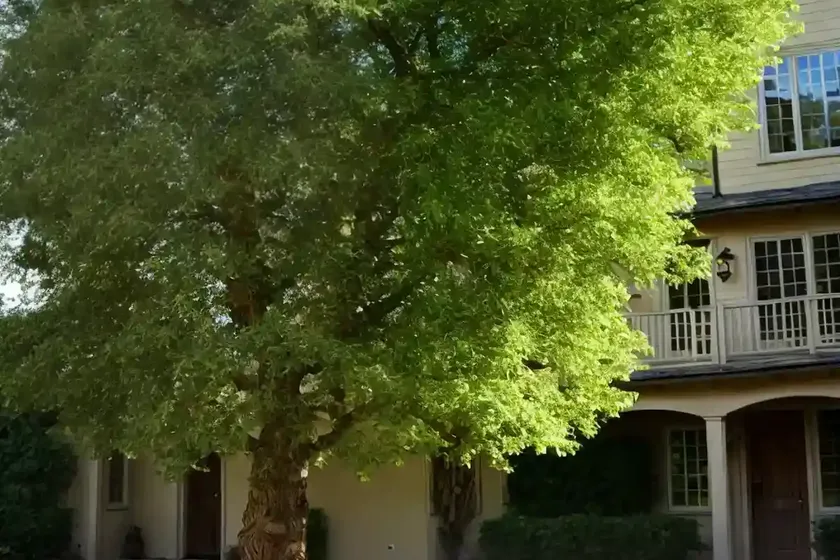
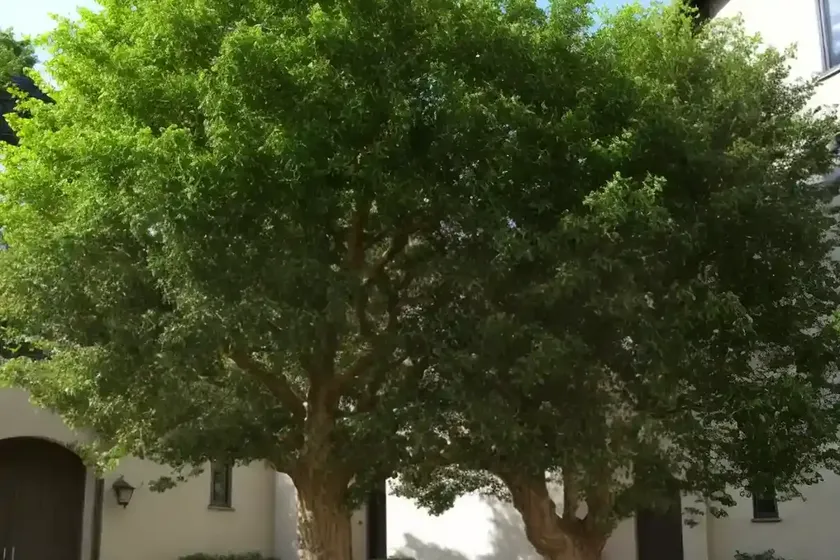
Landscape Design: Due to its majestic appearance and broad canopy, the English Oak is often employed in landscaping to provide shade and visual appeal. Its presence in parks, estates, and urban areas adds a sense of grandeur and natural beauty to the surroundings.
-
Wildlife Support: The English Oak fosters a rich ecosystem, offering habitat and sustenance for diverse species. Its acorns are a vital food source for numerous wildlife, including squirrels, deer, and birds, contributing to the intricate web of interactions within woodland ecosystems.
Planting and Care
Water
Quercus robur is notably resistant to drought conditions once established, preferring well-drained soil and moderate moisture levels. While it displays resilience in withstanding dry spells, adequate watering is necessary during extended periods of drought, especially for young trees and newly planted specimens.
Sunlight
Thriving in full sun to partial shade, the English Oak demonstrates adaptability to varying light conditions. When cultivating Quercus robur, it is essential to consider the site’s sunlight exposure, ensuring that the tree receives adequate sunlight to support healthy growth and robust foliage development.
Fertilizer
Generally, English Oak trees in natural settings do not require additional fertilization, as they can extract necessary nutrients from the soil. However, in urban or managed landscapes with nutrient-depleted soils, fertilization may be beneficial, particularly for young trees. Care should be taken to select a balanced fertilizer and adhere to recommended application rates to avoid over-fertilization.
Soil
The English Oak thrives in a range of soil types, including loam, clay, and acidic soils, provided they are well-drained. It is essential to avoid waterlogged or compacted soil, as these conditions can compromise the tree’s root health. Prior to planting, conducting a soil test to assess the pH and nutrient levels can aid in optimizing the planting site for the tree’s long-term vitality.
Pruning
Pruning practices for Quercus robur primarily focus on the removal of dead or damaged branches, shaping the tree’s canopy, and promoting structural integrity. Care should be taken to avoid excessive pruning, as English Oak trees are resilient and typically require minimal intervention in terms of pruning.
Propagation
Propagation of Quercus robur can be accomplished through methods such as seed germination and vegetative propagation. While the species is predominantly propagated through acorn planting, specialized propagation techniques, including grafting and cutting propagation, can be employed for specific cultivars and genetic preservation efforts.
Container Popularity
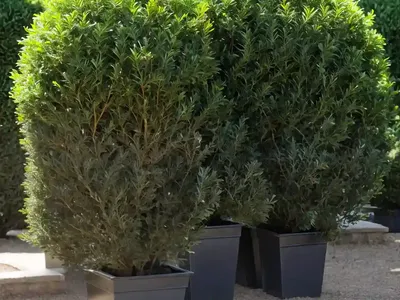
While English Oak trees are predominantly cultivated in open landscapes, they can also be grown in large containers under suitable conditions. Container planting may be advantageous for urban environments or small gardens, providing an opportunity to appreciate the tree’s grandeur within a confined space.
Common Diseases
Disease Diagnosis
Quercus robur may be susceptible to various diseases and disorders, a few of which are outlined below:
Powdery Mildew (Erysiphe alphitoides)
-
Symptoms: The presence of white powdery patches on the leaves and shoot tips, often leading to distorted growth and reduced photosynthetic efficiency.
-
Management: Fostering good air circulation, practicing proper sanitation, and utilizing fungicidal treatments can aid in mitigating the impact of powdery mildew on English Oak trees.
Oak Decline
-
Symptoms: Characterized by progressive canopy dieback, thinning foliage, and overall decline in tree vigor, often associated with complex interactions involving biotic and abiotic stressors.
-
Management: Investigating underlying stress factors, implementing appropriate cultural practices, and enlisting the assistance of arborists or plant health specialists can aid in managing oak decline and preserving tree health.
Common Pests
Acorn Weevil (Curculio glandium)
-
Signs of Infestation: Presence of exit holes and damaged acorns, indicative of acorn weevil larvae feeding within the acorns.
-
Control Measures: Collecting and destroying infested acorns, employing physical barriers, and implementing biological control agents can help manage acorn weevil populations and minimize their impact on acorn production.
Oak Processionary Moth (Thaumetopea processionea)
-
Impact: The caterpillars of this species can defoliate oak trees and pose potential health risks to humans and animals due to their urticating hairs.
-
Management: Utilizing pheromone traps, deploying biological control agents, and implementing targeted pesticide applications can aid in mitigating the impact of oak processionary moths on Quercus robur and surrounding environments.
Botanist’s Tips
As a plant scientist dedicated to the study and preservation of Quercus robur, here are a few essential tips for cultivating and caring for English Oak trees:
-
Site Selection: When selecting a planting site for an English Oak, prioritize well-drained soil, ample sunlight, and adequate space to accommodate the tree’s substantial size at maturity.
-
Mulching: Applying a layer of organic mulch around the base of the tree can help conserve soil moisture, regulate soil temperature, and mitigate weed competition.
-
Watering: While English Oak trees exhibit resilience to drought conditions once established, regular watering during the initial establishment phase and prolonged dry spells can enhance tree health and growth.
-
Seasonal Assessments: Conduct periodic assessments of the tree’s health, particularly during the growing season and fall, to identify any signs of stress, disease, or pest presence.
-
Conservation Advocacy: Engage in local conservation initiatives and educational outreach programs to promote awareness of the ecological and cultural significance of Quercus robur, fostering a commitment to its preservation.
Fun Facts
-
Majestic Lifespan: English Oak trees have the potential to live for over 500 years, showcasing their remarkable longevity and endurance.
-
Acorn Production: A single mature oak tree can produce thousands of acorns annually, contributing to the sustenance of diverse wildlife species.
-
Historical Connections: English Oak wood was prized for its use in constructing notable ships, including the famed HMS Victory, underscoring its historical significance in naval heritage.
Now, as we reflect on the captivating journey through the world of Quercus robur, it is evident that the English Oak transcends its botanical identity and emerges as a living testament to endurance, cultural significance, and ecological splendor.
Links to External Resources
For further exploration of Quercus robur and related topics, I recommend the following external resources:
- The English Oak Tree: History, Planting, and Care
- The Role of English Oak in Wildlife Conservation
- Cultural Significance and Symbolism of the English Oak
- Diseases and Pests Affecting Oak Trees
- Conservation Efforts for Quercus robur
As we conclude our exploration of the English Oak’s world, it is my hope that you have gained a deeper appreciation for the resplendent beauty and enduring legacy of Quercus robur. May the profound connections between culture, ecology, and sustainability exemplified by this iconic species inspire us to cherish and safeguard the natural wonders that enrich our lives.
From the noble acorns of the mighty English Oak, a tapestry of life unfolds, weaving threads of tradition, resilience, and timeless grandeur.
References:
- “Quercus robur.” Encyclopedia Britannica, https://www.britannica.com/plant/Quercus-robur.
- “Conserving the English Oak.” Royal Forestry Society, https://www.rfs.org.uk/whats-happening/frances-mansfield-reflects-on-a-trip-to-examine-the-oaks-of-nordic-forests/.
- “The English Oak: A Cultural Icon.” The Woodland Trust, https://www.woodlandtrust.org.uk/trees-woods-and-wildlife/british-trees/a-z-of-british-trees/english-oak/.
- “Quercus robur: English Oak.” Discover Wildlife, https://www.discoverwildlife.com/animal-facts/plants/of-brilliant-bugs-and-blossoming-beauty/.