Pulsatilla rubra (Red Pasque Flower) Care Guide
What is Pulsatilla rubra?
Pulsatilla rubra, commonly known as Red Pasque Flower, is a charming and delicate perennial belonging to the Ranunculaceae family. This plant is native to Europe and Asia and is renowned for its exquisite, brightly colored flowers. The name “Pasque” is derived from “Paschal,” referring to the Easter blooming period of the plant. Red Pasque Flower is a beloved addition to gardens and natural landscapes due to its stunning appearance and ease of cultivation.

Key Takeaways – Pulsatilla rubra (Red Pasque Flower)
Culture
- Hardy perennial
- Attractive foliage
- Unique seed heads
Uses
- Ornamental purposes
- Attracts pollinators
- Medicinal properties
Water
- Moderate watering
- Well-draining soil
Sunlight
- Full to partial sunlight
Fertilizer
- Light fertilization in spring
Soil
- Well-draining, neutral to slightly alkaline soil
Pruning
- Minimal pruning required
- Cutting back after flowering
Propagation
- Seeds
- Division
Container Popularity
- Suitable for container gardening
Common Diseases
- Powdery mildew
- Botrytis
Common Pests
- Aphids
- Slugs and snails
Botanist’s Tips
- Protect from excessive moisture
- Provide good air circulation
Fun Facts
- Symbolizes beginnings and rebirth
- Named after the Hebrew word “Pessakh”
Links to External Resources
Now, let’s delve into the detailed care guide for Pulsatilla rubra, covering all aspects of its cultivation, maintenance, and uses.
Culture
Pulsatilla rubra is a hardy perennial plant with a compact and bushy growth habit. It typically reaches a height of about 6-9 inches (15-23 cm) and spreads to a similar width. The feathery, finely dissected leaves emerge in early spring and remain attractive throughout the growing season. The striking, bell-shaped flowers of Pulsatilla rubra begin to appear in early spring, producing a stunning display that lasts for several weeks.
Uses
Ornamental Purposes
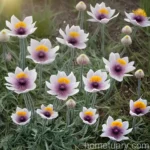
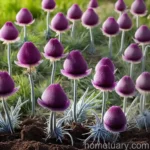
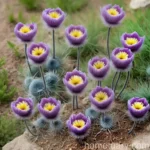
The Red Pasque Flower is widely cherished for its ornamental value. With its vibrant, red-violet flowers, it adds a splash of color to rock gardens, borders, and naturalized settings. The striking contrast of the bright blooms against the delicate foliage creates an eye-catching display in the garden.
Attracts Pollinators
The flowers of Pulsatilla rubra are a valuable source of early-season nectar for pollinators, particularly bees and butterflies. By cultivating this plant, gardeners can contribute to the conservation of pollinators and encourage biodiversity in their garden.
Medicinal Properties
Pulsatilla rubra has a history of traditional medicinal use, with applications in herbal remedies for various ailments. However, it is important to note that the plant contains toxic compounds and should not be ingested without proper medical supervision.
Water
Pulsatilla rubra requires moderate watering, particularly during periods of active growth and flowering. It is important to provide well-draining soil to prevent waterlogging, which can lead to root rot. Once established, Red Pasque Flower exhibits good drought tolerance and can withstand short periods of dry conditions.
Sunlight
This plant thrives in full to partial sunlight, preferring bright but indirect light. When grown in partial shade, it is essential to ensure that the site receives several hours of direct sunlight each day to support healthy flowering and foliage growth.
Fertilizer
Red Pasque Flower has minimal fertilizer requirements. A light application of a balanced, all-purpose fertilizer in early spring can provide the necessary nutrients for robust growth and flowering. It is crucial to avoid excessive fertilization, as this may lead to excessive foliage at the expense of flowers.
Soil
Pulsatilla rubra thrives in well-draining soil with a neutral to slightly alkaline pH. Amending the soil with organic matter such as compost or peat moss can enhance its structure and fertility. Additionally, incorporating a layer of mulch around the base of the plant helps retain soil moisture and regulates temperature fluctuations.
Pruning
Minimal pruning is necessary for Pulsatilla rubra. Deadheading the spent flowers after the blooming period can prolong the ornamental display and prevent self-seeding. In late summer or early fall, a light shearing or trimming of the foliage can promote a tidy appearance and prepare the plant for dormancy.
Propagation
Red Pasque Flower can be propagated via seeds or division. Collecting mature seeds from the plant after flowering allows for the expansion of its population. Additionally, dividing established clumps every few years rejuvenates the plants and prevents overcrowding, promoting vigor and vitality.
Container Popularity
Due to its compact size and striking appearance, Pulsatilla rubra is well-suited for container gardening. When grown in containers, it is important to select a well-draining potting mix and provide adequate space for the plant’s root system to develop.
Common Diseases
Pulsatilla rubra may be susceptible to certain diseases, including powdery mildew and botrytis. Practicing good garden hygiene, such as providing ample air circulation and avoiding overhead watering, can help mitigate the risk of these issues.
Common Pests
Several common garden pests, such as aphids, may occasionally affect Pulsatilla rubra. Regular monitoring and prompt intervention, such as the use of organic pest control methods, can effectively manage pest infestations. Additionally, keeping the garden free of debris and weeds reduces hiding spots for pests.
Botanist’s Tips
Protect from Excessive Moisture
To prevent the onset of fungal diseases, it is essential to protect Pulsatilla rubra from prolonged periods of excessive moisture. Avoid overwatering and select a planting site with well-draining soil to promote healthy root development.
Provide Good Air Circulation
Creating an environment with good air circulation around the plant can minimize the risk of foliar diseases. Proper spacing and strategic placement of Red Pasque Flower within the garden layout can facilitate the movement of air and reduce humidity levels.
Fun Facts
- The Red Pasque Flower symbolizes beginnings and rebirth, making it a cherished addition to spring gardens and landscapes.
- The name “Pasque” originates from the Hebrew word “Pessakh,” meaning Passover, reflecting the plant’s association with the Easter season and its blooming time.
Links to External Resources
As we continue to explore the comprehensive care guide for Pulsatilla rubra, it is evident that this captivating plant offers a myriad of benefits for gardeners and nature enthusiasts. From its captivating floral display to its pollinator-attracting properties, Red Pasque Flower holds a special place in horticulture and natural ecosystems.
Let’s delve into additional aspects of cultivating and appreciating this remarkable plant.
Plant Name: “Pulsatilla rubra (Red Pasque Flower)”
The botanical name of Pulsatilla rubra, combined with its common name “Red Pasque Flower,” reflects the plant’s distinct characteristics and cultural significance. As we delve deeper into its care and cultivation, it becomes evident that this plant holds tremendous value for ornamental, ecological, and cultural purposes.
Pasque Flower Varieties
While Pulsatilla rubra is a prominent species within the Pasque Flower genus, there are several other notable varieties and species that are cherished by plant enthusiasts. These variations in color, size, and growth habits contribute to the diverse and captivating nature of Pasque Flowers.
-
Pulsatilla vulgaris (Common Pasque Flower): Recognized for its violet-blue flowers and finely dissected foliage, this species is a familiar sight in spring gardens and natural landscapes.
-
Pulsatilla cernua (Nodding Pasque Flower): With its distinctive nodding blooms and graceful appearance, this species adds a touch of elegance to garden settings and rockeries.
-
Pulsatilla patens (Prairie Crocus): Native to North America, this species showcases a range of colors, including purple, white, and lavender, and contributes to regional biodiversity and conservation efforts.
Pulsatilla rubra Planting Tips
Red Pasque Flower Characteristics
-
Distinctive Flowers: The bright red-violet flowers of Pulsatilla rubra captivate the eye and herald the arrival of spring. Their bell-shaped structure and fluffy, contrasting stamens create a visually stunning display.
-
Attractive Foliage: The finely divided, silvery-green foliage of Red Pasque Flower provides an elegant backdrop for the vibrant blooms. Its delicate texture and low-growing habit make it an ideal choice for edging and border plantings.
-
Unique Seed Heads: After the blooming period, Pulsatilla rubra develops unique seed heads, adding an intriguing element to the garden. These ornamental structures contribute to the plant’s visual interest and provide seed sources for wildlife.
Pasque Flower Gardening
Habitat Requirements
Pulsatilla rubra has specific habitat requirements that are essential for its successful cultivation and long-term health. Understanding these requirements enables gardeners to create an environment that promotes the plant’s growth and natural behavior.
Soil Preferences
The Red Pasque Flower thrives in well-draining soil with a preference for neutral to slightly alkaline conditions. When selecting a planting site, it is crucial to assess the soil structure and pH to ensure compatibility with the plant’s needs. Amending the soil with organic matter, such as compost, can improve its texture and fertility.
Natural Habitat
Pulsatilla rubra is indigenous to diverse regions, including parts of Europe and Asia, where it thrives in open meadows, rocky slopes, and woodland margins. Observing its natural habitat provides valuable insights into its cultural significance and ecological role, inspiring gardeners to create reminiscent landscapes.
Growing Season
The growing season for Red Pasque Flower aligns with the arrival of spring, marking the onset of its active growth and flowering. By understanding the plant’s seasonal patterns and requirements, gardeners can optimize their care practices and appreciate the diverse phases of its life cycle.
Maintenance Tips
-
Regular Watering: During the active growing season, maintaining consistent soil moisture is crucial for the health and vigor of Pulsatilla rubra. By establishing a balanced watering routine, gardeners can support optimal growth and flowering.
-
Mulching: Applying a layer of mulch around the base of the plant helps conserve soil moisture, regulate temperature fluctuations, and suppress weed growth. Organic mulches, such as bark chips or straw, offer additional benefits by enriching the soil as they break down.
Bloom Time
The bloom time of the Red Pasque Flower corresponds with the early to mid-spring period, offering a captivating display of vibrant flowers that herald the arrival of the new season. The profusion of blooms and their striking coloration embodies the spirit of renewal and rejuvenation.
Hardiness Zones
Pulsatilla rubra exhibits adaptability to specific hardiness zones, providing guidance for gardeners seeking to incorporate this plant into their landscape. By considering its hardiness requirements, gardeners can make informed decisions regarding its suitability for their regional climate.
Landscape Uses
The ornamental value and ecological significance of Pulsatilla rubra make it an ideal choice for various landscape applications. Whether utilized as a focal point, a complementary element, or a wildlife-friendly feature, the plant enhances the visual appeal and ecological richness of gardens and natural settings.
Native Species
As a native species in certain regions, Red Pasque Flower contributes to the preservation of local ecosystems and biodiversity. By recognizing its status as a native plant, gardeners can play a pivotal role in supporting regional plant conservation and restoration efforts.
Pasque Flower Garden Design Ideas
The unique characteristics and cultural symbolism of Pulsatilla rubra inspire creative garden design concepts, showcasing its beauty and significance. Whether incorporated into themed plantings, naturalized areas, or traditional garden beds, the plant offers diverse possibilities for artistic expression.
Pest Control
Managing pests that may impact Pulsatilla rubra involves a holistic approach that prioritizes the plant’s health and ecological balance. By integrating natural pest control methods, such as companion planting and habitat enhancement, gardeners can uphold the plant’s vitality while fostering a resilient garden ecosystem.
Companion Plants
Selecting compatible companion plants to grow alongside Pulsatilla rubra enhances its visual appeal and ecological value. By considering factors such as growth habits, water requirements, and pollinator attraction, gardeners can create harmonious plant communities that benefit from mutual interactions.
Winter Care
Preparing Pulsatilla rubra for the winter season involves considerations for its cold hardiness and overall well-being during dormancy. Implementing appropriate winter care measures ensures the plant’s resilience and readiness for the upcoming growing season.
Wildlife Habitat
Pulsatilla rubra contributes to local wildlife habitats by providing essential resources, including nectar for pollinators, shelter for small organisms, and seed sources for foraging birds. Recognizing its role in supporting wildlife enriches the ecological significance of the plant within garden ecosystems.
Now that we have explored additional facets of cultivating and appreciating Pulsatilla rubra, from its habitat preferences to its role in garden design and ecosystem support, let’s delve deeper into specific aspects of plant health and maintenance.
Plant Diseases and Diagnosis
Pulsatilla rubra, like many ornamental plants, may encounter disease issues that require prompt attention and appropriate management strategies. By familiarizing ourselves with common plant diseases and their symptoms, we can effectively diagnose and address potential concerns.
Plant Diseases
Powdery Mildew
Powdery mildew, characterized by a powdery white coating on the leaves, stems, and flowers, may affect Pulsatilla rubra under conditions of high humidity and poor air circulation. Recognizing the early signs of this fungal disease is crucial for initiating timely intervention and preventing further spread.
Botrytis
Botrytis, or gray mold, can manifest as fuzzy gray or brown patches on the plant’s tissues, particularly during periods of excessive moisture and poor ventilation. Preventative measures, such as reducing humidity and promoting air movement, are essential for mitigating the risk of Botrytis infections.
Disease Diagnosis
Identifying plant diseases involves careful observation of the plant’s overall health, symptoms of distress, and environmental factors that may contribute to disease development. By conducting thorough assessments and seeking guidance from professional resources, gardeners can make informed decisions regarding disease management.
Plant Pests
In addition to disease concerns, Pulsatilla rubra may encounter various pests that can impact its growth and appearance. Addressing common pests through proactive measures and targeted interventions is essential for preserving the plant’s vitality and aesthetic appeal.
Aphids
Aphids, small sap-sucking insects, may infest the tender foliage and flowers of Pulsatilla rubra, leading to distorted growth and diminished vigor. Natural predators, such as ladybugs and lacewings, can contribute to the biological control of aphid populations in the garden.
Slugs and Snails
These mollusks are known for their voracious appetites and can cause extensive damage to the foliage of Pulsatilla rubra. Implementing physical barriers, such as copper tape or diatomaceous earth, helps deter slugs and snails while safeguarding the plant’s foliage.
As we explore the intricacies of plant health and pest management, it is evident that proactive care and attentive monitoring are essential for fostering the well-being of Pulsatilla rubra. By integrating sustainable and environmentally conscious practices, gardeners can create resilient and thriving garden ecosystems.
In conclusion, the care guide for Pulsatilla rubra (Red Pasque Flower) incorporates a comprehensive overview of its cultural significance, habitat preferences, and practical considerations for cultivation and maintenance. Through our exploration of its ornamental value, ecological contributions, and potential challenges, we have gained valuable insights into the multifaceted nature of this remarkable plant.
Whether growing it for its captivating blooms, supporting pollinators, or celebrating its symbolic meaning in garden design, Pulsatilla rubra enriches the horticultural landscape and fosters appreciation for the beauty and resilience of nature.
As we continue to cultivate and cherish plants such as Pulsatilla rubra, we honor their heritage, ecological roles, and enduring charm. By embracing the art and science of horticulture, we perpetuate the legacy of these plants and cultivate a deeper connection with the natural world.
Please feel free to explore further resources and references to deepen your understanding of Pulsatilla rubra and its role in horticulture, conservation, and cultural traditions.
Happy gardening!
References
-
Royal Horticultural Society. “Pulsatilla rubra.” https://www.rhs.org.uk/Plants/209134/Pulsatilla-rubra/Details
-
University of Maryland Extension. “Powdery Mildew.” https://extension.umd.edu/hgic/topics/powdery-mildew-ornamentals
-
Penn State Extension. “Botrytis Blight on Ornamentals.” https://extension.psu.edu/botrytis-blight-on-ornamentals
-
University of California Agriculture and Natural Resources. “Integrated Pest Management for Aphids.” https://ucanr.edu/sites/ucmgnapa/files/177813.pdf
-
University of Florida IFAS Extension. “Slugs and Snails.” https://edis.ifas.ufl.edu/publication/in780
-
The United States Department of Agriculture. “Plant Guide: Eastern Pasqueflower (Anemone patens). https://plants.usda.gov/plantguide/pdf/pg_anpat.pdf
-
North Carolina State University Extension. “Growing and Propagating Wildflowers.” https://content.ces.ncsu.edu/wildflowers-for-the-home-landscape
By accessing these valuable resources, readers can expand their knowledge of horticulture, plant health, and ecological stewardship, further enriching their journey as gardeners and nature enthusiasts.