Pulmonaria Longifolia ‘Bertram Anderson’ – The Charming Lungwort
Introduction
Pulmonaria longifolia ‘Bertram Anderson,’ commonly known as Lungwort, is a delightful perennial plant that has gained popularity among gardeners for its charming foliage and beautiful flowers. This species is native to Europe and belongs to the Boraginaceae family. Its unique characteristics and versatile uses make it an excellent choice for both experienced and novice gardeners. In this comprehensive guide, we will explore the key aspects of this fascinating plant, including its culture, uses, care requirements, and much more.
What is Pulmonaria Longifolia ‘Bertram Anderson’ (Lungwort)?
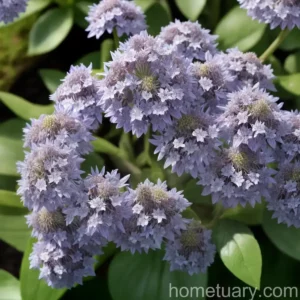
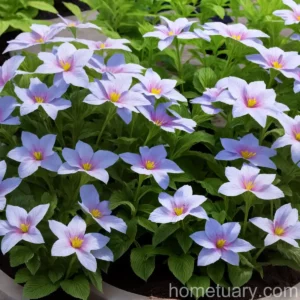
Pulmonaria longifolia ‘Bertram Anderson’ is a herbaceous perennial plant known for its attractive silver-spotted leaves and tubular flowers. This cultivar is a selection of the species Pulmonaria longifolia, which is valued for its ornamental qualities and ease of cultivation. Lungwort plants are valued for their early spring blooms, making them a valuable addition to gardens as they provide an early source of nectar for pollinators.
Key Takeaways – Pulmonaria Longifolia ‘Bertram Anderson’
- Scientific Name: Pulmonaria longifolia ‘Bertram Anderson’
- Common Name: Lungwort ‘Bertram Anderson’
- Family: Boraginaceae
- Hardiness Zones: 3-8
- Mature Height: 12-14 inches
- Mature Spread: 18-24 inches
- Exposure: Partial to full shade
- Bloom Time: Early spring
- Soil Requirements: Moist, well-draining soil
Culture
Pulmonaria longifolia ‘Bertram Anderson’ is known for its adaptability to various growing conditions, and its culture is relatively straightforward.
Water
This plant prefers consistently moist soil, especially during the growing season. Adequate watering is essential, particularly in drier climates or during periods of drought. Avoid waterlogged conditions, as excessive moisture can lead to root rot.
Sunlight
Lungwort plants thrive in partial to full shade. In warmer climates, providing afternoon shade can prevent leaf scorching and help maintain the plant’s vigor. While they can tolerate some sun, especially in cooler regions, excessive sunlight can negatively impact their growth and overall health.
Soil
Well-draining, humus-rich soil is ideal for Lungwort plants. A slightly acidic to neutral pH range is preferred, typically between 5.5 and 7.0. Amending the soil with organic matter can improve its structure and fertility, creating a favorable environment for the plant’s roots to thrive.
Fertilizer
Applying a balanced, slow-release fertilizer in early spring can support the plant’s growth and promote vigorous flowering. Avoid excess nitrogen, as this can lead to lush foliage at the expense of flower production. Always follow the recommended application rates to prevent fertilizer burn and minimize the risk of nutrient imbalances.
Uses
Pulmonaria longifolia ‘Bertram Anderson’ offers a wide range of uses in various garden settings and landscapes, making it a versatile and valuable addition to any outdoor space.
-
Shade Gardens: With its preference for partial to full shade, Lungwort is an excellent choice for adding color and texture to shaded garden areas. Its attractive foliage and early spring blooms can brighten up dim, secluded spaces.
-
Woodland Gardens: Lungwort’s natural habitat includes woodlands and forested areas, making it well-suited for woodland garden settings. Its ability to thrive in shade and moist soil conditions allows it to seamlessly integrate into these environments.
-
Pollinator Gardens: The early blooming flowers of Lungwort attract and provide nourishment for early-season pollinators such as bees and butterflies. By incorporating this plant into pollinator-friendly gardens, gardeners can support vital pollinator populations.
-
Groundcover: The low-growing, spreading habit of Pulmonaria longifolia ‘Bertram Anderson’ makes it well-suited for use as a groundcover, helping to suppress weeds and visually unify planting areas.
Pruning
Minimal pruning is typically necessary for Pulmonaria longifolia ‘Bertram Anderson.’ However, removing spent flower stems after blooming can improve the plant’s appearance and encourage additional flowering. Additionally, removing any damaged or diseased foliage can help maintain the plant’s overall health and vigor.
Propagation
Lungwort plants can be propagated through division or by taking stem cuttings. Division is best carried out in early spring or fall, while stem cuttings can be taken in late spring to early summer. Propagating Lungwort allows gardeners to expand their plantings or share this lovely species with fellow gardening enthusiasts.
Container Popularity
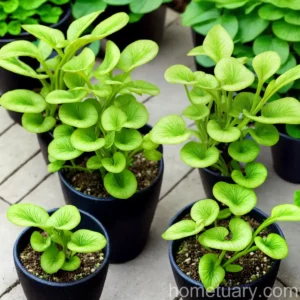
Pulmonaria longifolia ‘Bertram Anderson’ is also a popular choice for container gardening, especially for those with limited garden space. Its compact growth habit and attractive foliage make it an excellent candidate for containers, where it can be showcased on patios, balconies, or other outdoor living areas.
Container Common Diseases
When grown in containers, Lungwort may be susceptible to certain diseases. Common issues include fungal diseases such as powdery mildew and leaf spot. Proper watering practices, good air circulation, and regular monitoring can help prevent and address these problems.
Disease Diagnosis
Diagnosing diseases in Pulmonaria longifolia ‘Bertram Anderson’ involves a thorough inspection of the plant for symptoms such as leaf discoloration, wilting, or unusual spots. If signs of disease are present, it is essential to take prompt action to mitigate the spread of the issue and restore the plant’s health.
Common Pests
While Lungwort is relatively resistant to pests, it can occasionally attract slugs and snails, especially in humid or moist conditions. These pests can cause damage to the leaves and flowers. Implementing pest control measures such as beer traps or organic slug pellets can help manage these unwanted visitors.
Botanist’s Tips
- Plant Pulmonaria longifolia ‘Bertram Anderson’ in a location with well-draining soil and partial to full shade for optimal growth and performance.
- As the plant spreads gradually, provide ample space between individual specimens to accommodate their growth and prevent overcrowding.
- Regularly monitor the plant for signs of pests or diseases, particularly during periods of high humidity or persistent rainfall.
- Incorporate Lungwort into mixed planting schemes to add visual interest and diversity to garden beds or borders.
Fun Facts
- The common name “Lungwort” is believed to stem from the plant’s historical use in herbal medicine to treat lung-related ailments, owing to the lung-like appearance of its spotted leaves.
- Pulmonaria plants are known for their fascinating ability to change flower colors as they mature. The flowers typically emerge pink and gradually transition to shades of blue or purple.
- The unique spotted foliage of Lungwort adds visual appeal to shaded areas and has contributed to its popularity as an ornamental plant.
Links to External Resources
For additional information on Pulmonaria longifolia ‘Bertram Anderson’ (Lungwort), refer to the following resources:
– Royal Horticultural Society – Pulmonaria
– Missouri Botanical Garden – Pulmonaria longifolia
– University of Maryland Extension – Lungworts in the Garden
In conclusion, Pulmonaria longifolia ‘Bertram Anderson’ exemplifies the charm and adaptability of shade-loving perennials. Its distinctive foliage, early spring blooms, and versatile uses make it a valuable addition to diverse garden settings. By understanding its culture, care requirements, and landscape uses, gardeners can appreciate and successfully cultivate this delightful plant, enhancing the beauty and biodiversity of their outdoor spaces.