Bethlehem Sage (Pulmonaria saccharata ‘Dora Bielefeld’)
In the realm of gardening and horticulture, there are countless varieties of plants, each with its own unique charm and features. One such enchanting plant is the Bethlehem sage, scientifically known as Pulmonaria saccharata ‘Dora Bielefeld’. This perennial is celebrated for its vibrant blooms and attractive foliage, making it a popular choice among gardeners and botanical enthusiasts. In this comprehensive guide, we will delve into the various aspects of cultivating and caring for the Bethlehem sage, from its cultural needs and uses to its propagation and maintenance. Additionally, we’ll explore common diseases and pests that can affect the plant, along with tips from botanists to ensure its thriving growth. Let’s embark on a journey to discover the alluring world of Bethlehem sage.
What is Plant :Bethlehem sage (Pulmonaria saccharata ‘Dora Bielefeld’)?
Before delving into the intricate details of the Bethlehem sage, it’s crucial to understand its taxonomy and characteristics. Pulmonaria saccharata ‘Dora Bielefeld’ is a cultivar of the Pulmonaria saccharata species. It is a member of the Boraginaceae family, commonly referred to as the borage or forget-me-not family. The genus name “Pulmonaria” is derived from the Latin word “pulmo,” which means lung, alluding to the shape and speckled appearance of the leaves resembling lung tissue.
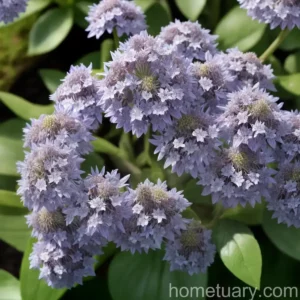
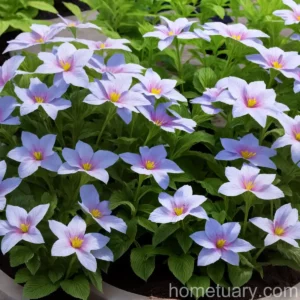
The ‘Dora Bielefeld’ variety, in particular, is cherished for its decorative foliage which features silver spots and zones on the leaves. Additionally, it produces enchanting clusters of flowers that transition in color, changing from pink to blue as they mature. This striking color transformation adds to its allure and contributes to its popularity among gardeners.
Key Takeaways – Bethlehem sage (Pulmonaria saccharata ‘Dora Bielefeld’)
The Bethlehem sage, with its specific variety Pulmonaria saccharata ‘Dora Bielefeld’, embodies a multitude of characteristics and requirements that make it an appealing addition to any garden or landscape. Let’s summarize the key takeaways of this captivating plant:
-
Cultural Uses: The Bethlehem Sage is primarily cultivated for its ornamental value, adding color and texture to shade gardens, woodland settings, and naturalized areas. Its striking flowers and attractive foliage make it a desirable choice for landscaping and decorative purposes.
-
Water: As a moisture-loving plant, the Bethlehem sage thrives in consistently moist soil and benefits from regular watering, especially during dry spells or warmer months.
-
Sunlight: While it prefers partial to full shade, it can tolerate some morning sun or dappled light. However, excessive direct sunlight can scorch its delicate foliage.
-
Fertilizer: It generally requires minimal fertilization, especially if grown in nutrient-rich soil. A light application of balanced fertilizer in early spring can support healthy growth.
-
Soil: The Bethlehem sage favors humus-rich, well-draining soil with a slightly acidic to neutral pH. Amending the soil with organic matter can enhance its growing conditions.
-
Pruning: Pruning and deadheading spent blooms can promote continuous flowering and maintain a tidy appearance. Additionally, cutting back faded foliage can rejuvenate the plant and prevent disease.
-
Propagation: This plant can be propagated through division or by collecting and sowing its seeds. Both methods are effective and can yield new plants for expansion or sharing with other gardening enthusiasts.
-
Container Popularity: Due to its compact growth habit and low maintenance needs, Bethlehem sage is well-suited for container gardening, particularly in shaded or urban environments.
-
Common Diseases: While generally resilient, Bethlehem sage can be susceptible to certain diseases such as powdery mildew and leaf spots, especially in humid conditions or overcrowded planting settings.
-
Common Pests: The plant may face challenges from aphids and slugs, particularly in damp or sheltered locations. Vigilant monitoring and appropriate pest management can help safeguard the plant from infestations.
-
Botanist’s Tips: Experienced botanists recommend providing consistent moisture, adequate airflow, and periodic division to maintain the vigor and attractiveness of Bethlehem sage. Additionally, selecting companion plants that thrive in similar conditions can enhance its overall visual impact.
-
Fun Facts: Bethlehem sage is not only a visually stunning plant, but it also possesses medicinal properties that have been historically recognized, particularly for addressing respiratory ailments.
Now that we’ve outlined the general overview and key points regarding Bethlehem sage, let’s delve into a more detailed exploration of its cultivation, care, and thriving strategies.
Culture
Cultivating Bethlehem sage successfully entails understanding and replicating its natural habitat and growing conditions. By mimicking its preferred environmental factors, gardeners can ensure that the plant not only survives but thrives, gracing their gardens with its captivating presence.
Uses
Bethlehem sage, particularly the ‘Dora Bielefeld’ variety, is treasured for its ornamental value and versatility in garden settings. Some of its primary uses include:
-
Shade Gardens: Its tolerance for shade and preference for moist, well-draining soil make it an ideal addition to shade gardens, where its colorful blooms and striking foliage can brighten up dim corners.
-
Woodland Settings: The plant’s naturalistic charm and adaptability to woodland environments make it a favored choice for naturalized areas and underplanting beneath trees.
-
Decorative Landscapes: Whether planted in mass groupings or used as an accent plant, Bethlehem sage contributes to the visual appeal of landscapes, providing an infusion of color and texture.
Water
Adequate and consistent moisture is essential for the health and vitality of Bethlehem sage. As a plant with a preference for moist conditions, it benefits from an evenly moist soil, particularly during its active growing season. However, it’s important to avoid waterlogging, as excessively wet soil can lead to root rot and other detrimental consequences.
Sunlight
While Bethlehem sage thrives in shady conditions, it can tolerate some morning sunlight or dappled light. Finding the right balance of light exposure is crucial, as excessive direct sun can scorch its delicate foliage and lead to stress.
Fertilizer
Pulmonaria saccharata ‘Dora Bielefeld’ generally does not demand heavy feeding. If the plant is grown in nutrient-rich soil, it can thrive without the need for frequent fertilization. However, applying a balanced, slow-release fertilizer in early spring can provide a gentle boost to its growth and flowering.
Soil
The ideal soil for Bethlehem sage is rich in organic matter, well-draining, and slightly acidic to neutral in pH. Amending the soil with compost, leaf mold, or well-rotted manure can enhance its moisture retention and fertility, creating a conducive environment for healthy growth.
Pruning
Regular pruning and deadheading can aid in maintaining the plant’s appearance and promoting continuous blooming. Removing spent flowers and trimming back faded foliage can prevent the formation of seedheads and help redirect the plant’s energy into new growth and flower production. Additionally, cutting back the entire plant after flowering can rejuvenate it and encourage fresh foliage.
Propagation
Bethlehem sage can be propagated through several methods, offering gardeners the opportunity to expand their plant collection or share this captivating species with others.
Division
Dividing established clumps of Bethlehem sage is an effective means of propagation, best carried out in early spring or in the fall. By carefully separating the plant into smaller sections, each containing a portion of the roots and healthy growth, new plants can be established to populate different areas of the garden or be shared with fellow gardening enthusiasts.
Seeds
Collecting and sowing seeds from mature Bethlehem sage plants can yield new seedlings that inherit the unique characteristics of their parent plant. Sowing the seeds in a suitable growing medium and providing the right conditions for germination can result in the emergence of young plants ready for transplantation once they have established a robust root system.
Container Popularity
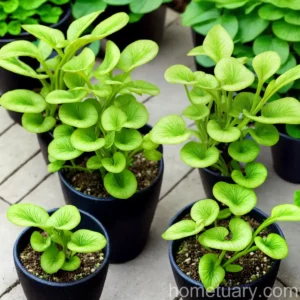
Due to its compact growth habit and moderate care needs, Bethlehem sage, including the ‘Dora Bielefeld’ variety, is well-suited for container gardening. Its preference for shade and moisture makes it an excellent choice for shaded balconies, patios, and urban settings where traditional garden beds are not available. When cultivating Bethlehem sage in containers, ensuring proper drainage and moisture retention is crucial for its well-being.
Common Diseases
Like many plants, Bethlehem sage is susceptible to certain diseases, although it typically exhibits good resilience when provided with suitable growing conditions and care. Understanding the potential diseases that can affect the plant is essential for proactive management and prevention strategies.
Disease Diagnosis
Two common diseases that can impact Bethlehem sage are powdery mildew and leaf spots.
-
Powdery Mildew: This fungal disease often manifests as a powdery, white coating on the leaves, affecting their appearance and potentially inhibiting photosynthesis. It thrives in humid conditions and can be exacerbated by poor air circulation.
-
Leaf Spots: Leaf spots, caused by various fungal pathogens, can present as discoloration or lesions on the foliage, impacting the plant’s overall health and aesthetics.
Preventing these diseases involves promoting good airflow around the plant, avoiding overhead watering, and monitoring the plant for early signs of disease. Using disease-resistant varieties and maintaining overall plant health through proper cultural practices can also help reduce the risk of infection.
Common Pests
Pests can pose challenges to the well-being of Bethlehem sage, particularly in environments conducive to their proliferation. Vigilant monitoring and appropriate pest management techniques can aid in safeguarding the plant from infestations.
Aphids
Aphids, small sap-sucking insects, can colonize Bethlehem sage, particularly in sheltered or crowded growing conditions, causing damage to the plant by draining its sap and potentially spreading viral diseases. Introducing natural predators, such as ladybugs, or using horticultural oil sprays can help control aphid populations.
Slugs
Slugs are another common pest that can target Bethlehem sage, especially in moist or shady locations. Creating physical barriers, such as copper tape or diatomaceous earth, can deter slugs from reaching the plant, while handpicking or using organic slug baits can aid in managing their numbers.
By being attentive to early signs of pest activity and implementing preventive measures, gardeners can foster a healthy and pest-resistant environment for Bethlehem sage.
Botanist’s Tips
Drawing from the wisdom and expertise of botanists, we can gather valuable insights and tips to support the thriving growth and vibrant appearance of Bethlehem sage.
-
Consistent Moisture: Providing consistent moisture, especially during periods of active growth and flowering, can sustain the plant’s vigor and blooming potential. Mulching can aid in moisture retention and temperature moderation, contributing to the plant’s well-being.
-
Adequate Airflow: Ensuring proper airflow around the plant can mitigate the risk of fungal diseases, such as powdery mildew, and support overall plant health. Pruning to maintain an open, airy structure can promote ventilation and reduce the likelihood of disease development.
-
Periodic Division: Periodic division of established clumps of Bethlehem sage not only aids in propagation but also rejuvenates the plant, preventing overcrowding and maintaining its vitality.
-
Companion Planting: Selecting companion plants that thrive in similar shade and moisture conditions can enhance the visual appeal of Bethlehem sage and contribute to a harmonious garden aesthetic. Plants such as hostas, ferns, and astilbes make excellent companions for this shade-loving species.
Fun Facts
-
Medicinal Properties: Traditionally, Bethlehem sage has been recognized for its medicinal properties, particularly in addressing respiratory ailments. Its historical use in herbal medicine underscores its value beyond its ornamental charm.
-
Pollinator-Friendly: The flowers of Bethlehem sage are a valuable source of nectar for pollinators such as bees and butterflies, contributing to the ecological diversity and vitality of the garden.
Now that we’ve covered the culture, care, and characteristics of Bethlehem sage, it’s worthwhile to explore external resources that provide further information on this captivating plant.
Links to External Resources
For a deeper dive into the world of Bethlehem sage, including its growing guide, characteristics, and landscaping applications, consider exploring the following external resources:
-
Royal Horticultural Society – Pulmonaria: The Royal Horticultural Society offers extensive information on Pulmonaria, including specific guidance on growing and caring for different varieties.
-
Missouri Botanical Garden – Pulmonaria saccharata: The Missouri Botanical Garden provides detailed plant profiles, showcasing the features and requirements of Pulmonaria saccharata, including ‘Dora Bielefeld’.
-
University of Maryland Extension – Managing Aphids: This resource offers insights into identifying and managing aphid infestations on trees and shrubs, providing valuable guidance for addressing common pest challenges.
-
American Phytopathological Society – Fungal Leaf Spots: For a comprehensive understanding of fungal leaf spots and their impact on plants, including preventive and management strategies, this resource is an invaluable reference.
By harnessing the knowledge and resources available, gardeners can expand their understanding and appreciation for the enchanting world of Bethlehem sage, empowering them to cultivate and nurture this captivating species with confidence and success.
Conclusion
In the realm of ornamental plants and botanical treasures, Bethlehem sage (Pulmonaria saccharata ‘Dora Bielefeld’) stands out as a remarkable and alluring species. Its vibrant flowers, decorative foliage, and adaptable nature make it a prized addition to shade gardens, woodland landscapes, and container gardens. By adhering to its cultural requirements, addressing potential diseases and pests, and incorporating insights from botanists, gardeners can elevate their gardening experiences and enrich their outdoor spaces with the captivating allure of Bethlehem sage.
As we embrace the wonder of nature’s creations, let us continue to explore, cherish, and cultivate the unique and inspiring world of plants, finding joy and fulfillment in nurturing these living wonders that grace our lives and landscapes.
[Information provided in this article is for educational and informational purposes only. It is important to verify specific advice and care instructions for your individual plant, as variations may exist based on regional or environmental factors.]