Persicaria amplexicaulis ‘Atrosanguinea’ (Mountain Fleece): A Compendium
Plants are an essential and valued component of our natural environment. They bring beauty to the world, provide oxygen, offer habitat and food for wildlife, and contribute to the aesthetics of our homes and gardens. One such plant that encapsulates these characteristics is Persicaria amplexicaulis ‘Atrosanguinea’, commonly known as Mountain Fleece. This stunning perennial flowering plant is a favorite among gardeners and plant enthusiasts for its vibrant blooms, attractive foliage, and low-maintenance nature.
In this comprehensive guide, we delve into the world of Persicaria amplexicaulis ‘Atrosanguinea’, exploring its key characteristics, cultivation practices, uses, and much more. From its cultural requirements to its propagation and common pests and diseases, this article aims to equip you with a thorough understanding of this magnificent plant.
What is Persicaria amplexicaulis ‘Atrosanguinea’ (Mountain Fleece)?
Persicaria amplexicaulis ‘Atrosanguinea’, also known by its common name Mountain Fleece, is a herbaceous perennial plant that belongs to the Polygonaceae family. This stunning plant is native to the Himalayas and western China and is renowned for its striking, long-lasting blooms and ornamental foliage.
Key Takeaways – Persicaria amplexicaulis ‘Atrosanguinea’
Before we delve into the specifics of cultivating and caring for Mountain Fleece, let’s take a closer look at the key takeaways associated with this plant:
- Perennial flowering plants: Mountain Fleece is a perennial plant, meaning it regrows year after year, providing long-lasting beauty in gardens and landscapes.
- Hardy plants for gardens: This plant is known for its resilience and adaptability, making it a favored choice for various garden settings.
- Shade-loving perennials: Mountain Fleece thrives in partial to full shade, making it an excellent option for gardens with limited sunlight.
- Ornamental garden plants: With its vibrant blooms and attractive foliage, Mountain Fleece adds ornamental value to any garden or landscape.
- Tall perennial flowers: The upright growth habit of Persicaria amplexicaulis ‘Atrosanguinea’ makes it a standout feature in garden borders and beds.
- Low-maintenance garden plants: This plant is relatively low-maintenance, making it suitable for both beginner and experienced gardeners.
- Drought-tolerant perennials: Mountain Fleece exhibits a degree of drought tolerance, making it suitable for regions with sporadic rainfall.
- Deer-resistant garden plants: Its deer-resistant nature adds to the appeal of Mountain Fleece in areas with frequent deer activity.
- Hummingbird-friendly plants: The nectar-rich flowers of Persicaria amplexicaulis ‘Atrosanguinea’ attract hummingbirds, contributing to the ecological balance of gardens.
- Long-blooming garden flowers: With its extended blooming period, Mountain Fleece offers enduring beauty in outdoor spaces.
- Low-maintenance flowering plants: Its low-maintenance characteristics extend to its flowering nature, providing a hassle-free garden experience.
By understanding these key takeaways, you’ll gain insight into the exceptional qualities of Persicaria amplexicaulis ‘Atrosanguinea’ that make it a desirable addition to gardens and landscapes.
Culture
Soil
Persicaria amplexicaulis ‘Atrosanguinea’ thrives in well-draining, fertile soil. While it can adapt to various soil types, it prefers moist, humus-rich soils. Before planting, ensure the soil is loamy and has good drainage to prevent waterlogged conditions.
Water
Mountain Fleece benefits from consistent moisture, especially during the growing season. Adequate watering is crucial to support healthy growth and prolific flowering. However, it’s important to avoid overwatering, as excessively wet conditions can lead to root rot and other issues. As a general rule, aim to keep the soil evenly moist, particularly during dry spells.
Sunlight
In terms of sunlight requirements, Persicaria amplexicaulis ‘Atrosanguinea’ prefers partial shade to full sun. It can tolerate dappled shade and thrives in areas with filtered sunlight. When planting Mountain Fleece, consider a location that receives a balance of sun and shade throughout the day for optimal growth and flowering.
Fertilizer
To promote vigorous growth and abundant flowering, it’s beneficial to feed Mountain Fleece with a balanced, slow-release fertilizer in early spring. A fertilizer with equal proportions of nitrogen, phosphorus, and potassium can support the plant’s nutritional needs and enhance its overall performance. Additionally, incorporating organic matter into the soil during the planting process can contribute to the plant’s long-term health and vitality.
Uses
Garden Borders and Beds
Persicaria amplexicaulis ‘Atrosanguinea’ is a popular choice for garden borders, beds, and mixed perennial plantings. Its tall, spiky flower spikes and colorful blooms create an eye-catching display, adding visual appeal to any landscape. When planted in groups or drifts, Mountain Fleece can contribute to a cohesive and charming garden design, especially when combined with complementary plants.
Cut Flowers
The long-lasting flowers of Mountain Fleece make it an excellent option for cut flower arrangements. Whether used in floral bouquets, vases, or other décor, the vibrant blooms of Persicaria amplexicaulis ‘Atrosanguinea’ can bring a touch of nature’s elegance to indoor spaces.
Pollinator Gardens
Given its ability to attract hummingbirds and other pollinators, Mountain Fleece serves as a valuable addition to pollinator gardens and wildlife-friendly landscapes. By incorporating this plant into garden designs, you can support the ecological balance and promote the presence of beneficial insects and birds.
Containers
While Mountain Fleece is commonly grown in garden beds, it can also thrive in large containers and decorative pots. This versatility allows gardeners with limited space or those interested in creating portable garden displays to enjoy the beauty of Persicaria amplexicaulis ‘Atrosanguinea’ on patios, balconies, and other outdoor settings.
Pruning
To maintain the tidy and attractive appearance of Persicaria amplexicaulis ‘Atrosanguinea’, regular pruning and deadheading are recommended. Once the flowering period has concluded, remove spent flower spikes to encourage continuous blooming and prevent the plant from diverting energy into seed production. Additionally, trimming back any overly vigorous growth or leggy stems can help promote a more compact and bushy habit.
Propagation
Mountain Fleece can be propagated through various methods, including division, softwood cuttings, or seed propagation. Division, which involves separating mature clumps into smaller sections, is a common and effective approach for multiplying Persicaria amplexicaulis ‘Atrosanguinea’. The best time to divide the plants is in early spring or early autumn, ensuring that each division has sufficient roots and foliage to support its growth.
Softwood cuttings, taken from young, non-flowering shoots, can also be used to propagate Mountain Fleece. This method typically involves rooting the cuttings in a suitable growing medium, such as a mix of perlite and peat moss, and providing the appropriate moisture and warmth for successful establishment.
Lastly, while Persicaria amplexicaulis ‘Atrosanguinea’ can set seed, propagation from seed is less common due to the potential for variation in flower color and other characteristics. However, if seed propagation is preferred, collecting and sowing the seeds in a controlled environment can yield new plants with unique traits.
Popularity
Persicaria amplexicaulis ‘Atrosanguinea’ is highly regarded in the gardening community, prized for its vibrant blooms, adaptability, and overall attractiveness. Its popularity extends to both amateur gardeners and seasoned horticulturists, who appreciate its numerous ornamental and practical attributes. The enduring appeal of Mountain Fleece lies in its ability to enhance landscapes with minimal effort and its capacity to thrive in diverse growing conditions.
Common Diseases
While Persicaria amplexicaulis ‘Atrosanguinea’ is relatively resilient to many diseases, it may occasionally encounter issues such as fungal infections or powdery mildew. Providing adequate air circulation, avoiding overhead watering, and removing and disposing of any affected plant debris can help prevent the onset and spread of these diseases.
Disease Diagnosis
When observing Mountain Fleece for disease symptoms, be on the lookout for the following signs:
- Powdery Mildew: A white or gray powdery substance on the leaves and stems.
- Fungal Infections: Dark spots, wilting, or discoloration on the foliage.
Prompt intervention, including the use of appropriate fungicidal treatments if necessary, can help address these issues and restore the plant’s health.
Common Pests
Mountain Fleece may encounter certain pests that can affect its growth and appearance. Common pests known to target this plant include aphids, spider mites, and caterpillars. Regular monitoring and proactive pest management can help mitigate the impact of these pests and safeguard the overall health of Persicaria amplexicaulis ‘Atrosanguinea’.
Botanist’s Tips
To ensure the successful cultivation and long-term well-being of Persicaria amplexicaulis ‘Atrosanguinea’, consider the following botanist’s tips:
-
Mulching: Applying a layer of organic mulch around the base of the plant can help retain soil moisture, suppress weed growth, and provide insulation to the roots.
-
Supporting Structures: When growing taller varieties of Mountain Fleece, installing stakes or other supporting structures can help prevent the plants from bending or leaning excessively, especially in windy conditions.
-
Winter Protection: In regions with harsh winters, providing a layer of protective mulch or covering the plants with garden fabric can help shield them from extreme cold and frost damage.
Fun Facts
As we delve deeper into the realm of Persicaria amplexicaulis ‘Atrosanguinea’, let’s uncover some intriguing and delightful fun facts about this remarkable plant:
-
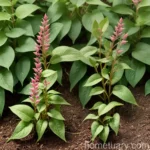
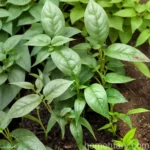
Attractive Foliage: In addition to its striking flowers, Mountain Fleece exhibits attractive, lance-shaped foliage with a pleasing green hue, contributing to its overall aesthetic appeal in gardens and landscapes.
-
Beneficial Wildlife Plant: The nectar-rich blooms of Persicaria amplexicaulis ‘Atrosanguinea’ make it a valuable addition to wildlife gardens, supporting pollinators and beneficial insects.
-
Seasonal Interest: While best known for its summer blooms, Mountain Fleece also offers visual interest in the fall, as the foliage takes on beautiful autumnal hues, adding to the plant’s allure throughout the seasons.
By unveiling these fun facts, we gain a deeper appreciation for the captivating nature of Persicaria amplexicaulis ‘Atrosanguinea’ and its multifaceted contributions to the natural world.
Links to External Resources
To further enrich your understanding of Persicaria amplexicaulis ‘Atrosanguinea’ and explore additional insights, consider delving into the following external resources:
- Royal Horticultural Society – Persicaria amplexicaulis ‘Atrosanguinea’
- University of Arkansas Division of Agriculture – Mountain Fleece Plant Fact Sheet
- Missouri Botanical Garden – Persicaria amplexicaulis ‘Atrosanguinea’
- Perennials.com – Persicaria amplexicaulis ‘Atrosanguinea’ Plant Profile
By leveraging these resources, you can gain access to comprehensive plant profiles, cultivation tips, and expert recommendations, further enhancing your proficiency in growing and caring for Persicaria amplexicaulis ‘Atrosanguinea’.
In conclusion, Persicaria amplexicaulis ‘Atrosanguinea’ (Mountain Fleece) stands as a captivating perennial plant renowned for its enduring beauty, adaptability, and functional versatility. Whether adorning garden borders, attracting pollinators, or gracing indoor arrangements, this remarkable plant continues to captivate enthusiasts and contribute to the rich tapestry of natural landscapes. By embracing the knowledge and insights shared in this comprehensive guide, you’re poised to embark on a rewarding journey of growing and appreciating the exceptional attributes of Persicaria amplexicaulis ‘Atrosanguinea’, gaining a deeper connection with the captivating world of plants.