Philadelphus Lewisii (Wild Mock Orange)
Philadelphus lewisii, commonly known as Wild Mock Orange, is an enchanting flowering shrub native to various regions of North America. Its stunning white.
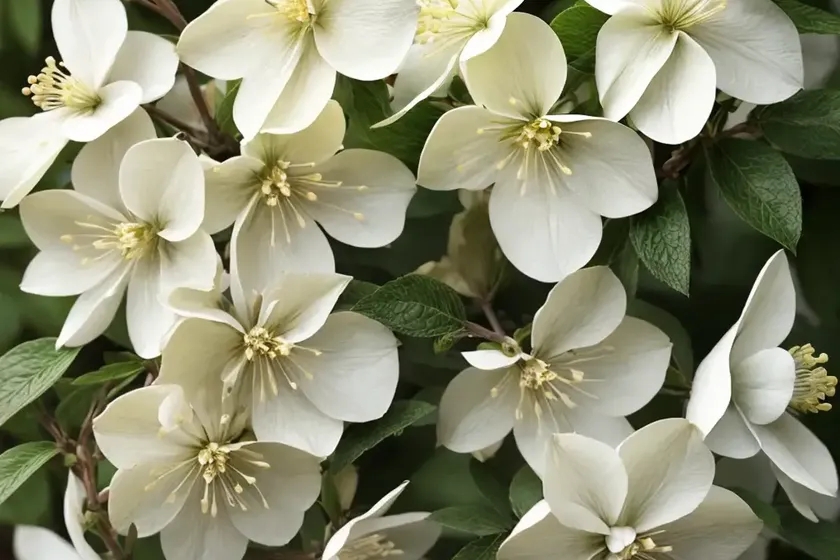
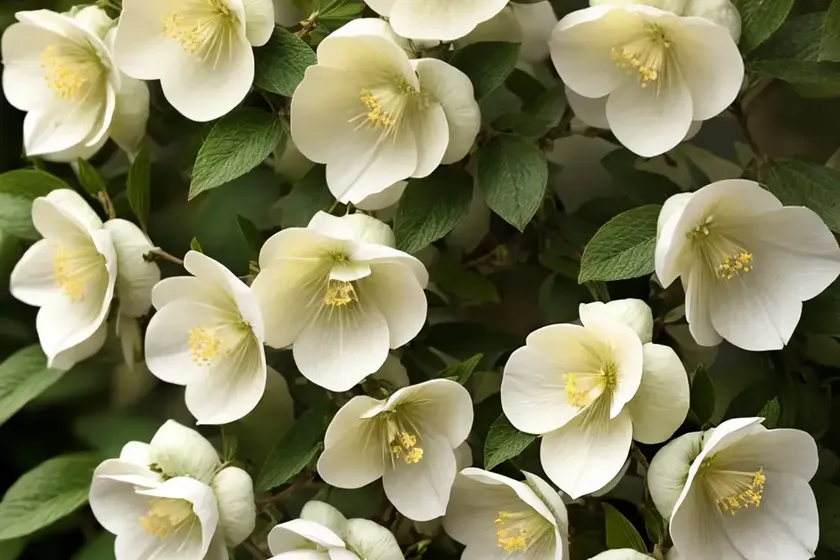
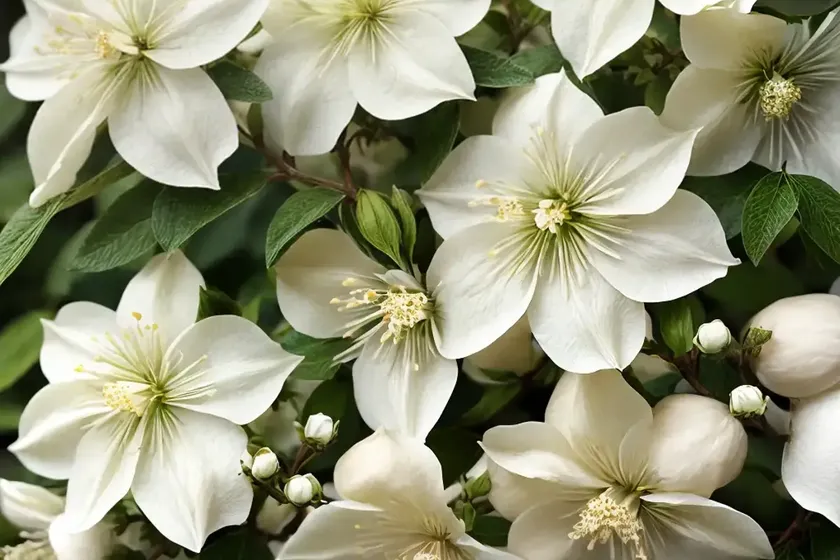
Philadelphus lewisii, commonly known as Wild Mock Orange, is an enchanting flowering shrub native to various regions of North America. Its stunning white flowers and delightful fragrance make it a popular choice for gardeners and landscapers. In this comprehensive guide, we will explore the various aspects of Philadelphus lewisii, including its description, characteristics, habitat, uses, care requirements, and much more.
What is Philadelphus lewisii (Wild Mock Orange)?
Philadelphus lewisii belongs to the Hydrangeaceae family and is known for its graceful arching branches, dark green foliage, and clusters of fragrant blossoms. This deciduous shrub typically reaches a height of 6 to 10 feet and has a spread of 4 to 10 feet. Its delightful white flowers, which bloom from late spring to early summer, exude a sweet citrusy fragrance that attracts bees, butterflies, and other pollinators.
Philadelphus lewisii Description
- Scientific Name: Philadelphus lewisii
- Common Name: Wild Mock Orange
- Family: Hydrangeaceae
- Type: Deciduous shrub
- Height: 6 to 10 feet
- Spread: 4 to 10 feet
- Flower Color: White
- Blooming Period: Late spring to early summer
- Fragrance: Citrusy
Key Takeaways – Philadelphus lewisii (Wild Mock Orange)
Let’s delve into the essential aspects of Philadelphus lewisii, covering its culture, uses, water and sunlight requirements, fertilizer needs, soil preferences, pruning, propagation, container cultivation, popularity, common diseases, and pest management.
Culture
- Hardiness Zone: Philadelphus lewisii is well-suited for USDA hardiness zones 4 to 8.
- Growth Rate: Moderate
- Landscape Uses: Ideal for borders, hedges, and cottage gardens.
Uses
- Landscaping: Adds charm to garden borders and mixed shrub borders.
- Fragrance Garden: Known for its delightful scent, making it a perfect addition to fragrance gardens.
- Wildlife Garden: Attracts bees, butterflies, and hummingbirds, contributing to the biodiversity of the garden.
Water
- Watering: Requires regular watering, especially during the blooming season and dry spells.
- Moisture Levels: Thrives in well-draining soil with moderate moisture levels.
Sunlight
- Sun Requirements: Prefers full sun to partial shade for optimal flowering.
- Light Exposure: Needs at least 6 hours of direct sunlight daily.
Fertilizer
- Feeding: Benefits from an annual application of balanced fertilizer in early spring.
- Nutrient Needs: Requires a fertilizer with balanced NPK (nitrogen, phosphorus, and potassium) ratios.
Soil
- Soil Type: Thrives in loamy, well-draining soil.
- Soil pH: Prefers slightly acidic to neutral soil (pH 6.0 to 7.5).
- Soil Amendments: Incorporating organic matter during planting enhances soil fertility and structure.
Pruning
- Pruning Time: Best pruned after flowering to encourage new growth and maintain its shape.
- Pruning Techniques: Remove dead or damaged wood and selectively thin out old stems to promote air circulation.
Propagation
- Propagation Methods: Can be propagated from cuttings or by division.
- Ideal Time: Cuttings can be taken in late spring or early summer for best results.
Container Popularity
- Container Gardening: Well-suited for growing in containers on patios and balconies.
- Pot Size: Select a large, sturdy container to accommodate its growth.
Common Diseases
- Disease Resistance: Generally resistant to most diseases.
- Common Issues: Watch for powdery mildew in humid conditions.
Disease Diagnosis
- Symptoms: Powdery white spots on leaves and stems.
- Treatment: Apply fungicidal sprays and ensure good air circulation to prevent the spread of the disease.
Common Pests
- Pest Resistance: Relatively resistant to pest infestations.
- Potential Pests: Keep an eye out for aphids and spider mites during dry spells.
Botanist’s Tips
- Native Range: Native to regions of North America, including the Pacific Northwest.
- Fragrance: Known for its delightful fragrance, reminiscent of orange blossoms.
- Bird Attractor: Attracts birds with its dense foliage and abundant flowers.
Fun Facts
- Medicinal Properties: The Native American Kootenai tribe used the bark and flowers of Philadelphus lewisii for traditional medicinal purposes.
- Wildlife Benefits: Provides habitat and food for various insect pollinators and birds.
- Deer Resistant: Shows some resistance to deer browsing in garden settings.
Links to External Resources
Conclusion
In conclusion, Philadelphus lewisii, or Wild Mock Orange, is a captivating shrub that offers much to gardeners and nature enthusiasts. Its alluring fragrance, modest care requirements, and landscape versatility make it a valuable addition to a wide range of outdoor spaces. Whether used in borders, fragrance gardens, or wildlife habitats, this native North American plant is sure to bring joy and visual appeal to any garden setting.
As we appreciate the diverse characteristics and benefits of Philadelphus lewisii, we also recognize its role in supporting local ecosystems and contributing to the overall beauty of our natural landscapes. By incorporating this charming shrub into our gardens, we not only enjoy its aesthetic and olfactory pleasures but also play a part in fostering biodiversity and conservation efforts.
Keywords: Philadelphus lewisii description, Philadelphus lewisii characteristics, Philadelphus lewisii features, Philadelphus lewisii habitat, Philadelphus lewisii native range, Philadelphus lewisii wild mock orange, Wild mock orange plant, Wild mock orange shrub, Philadelphus lewisii flowering, Philadelphus lewisii growth, Philadelphus lewisii care, Philadelphus lewisii pruning, Philadelphus lewisii landscape, Philadelphus lewisii garden, Philadelphus lewisii cultivar, Philadelphus lewisii varieties, Philadelphus lewisii propagation, Philadelphus lewisii pollinators, Philadelphus lewisii uses, Philadelphus lewisii fragrance, Philadelphus lewisii medicinal properties, Philadelphus lewisii wildlife benefits, Philadelphus lewisii drought tolerant, Philadelphus lewisii shade tolerant, Philadelphus lewisii sun requirements, Philadelphus lewisii soil preferences, Philadelphus lewisii pruning tips, Philadelphus lewisii companion plants, Philadelphus lewisii landscaping ideas, Philadelphus lewisii native plant, Philadelphus lewisii wildlife habitat, Philadelphus lewisii bird attractor, Philadelphus lewisii butterfly attractor, Philadelphus lewisii pollinator garden, Philadelphus lewisii fragrance garden, Philadelphus lewisii flower arrangement, Philadelphus lewisii naturalize, Philadelphus lewisii spring bloomer, Philadelphus lewisii summer bloomer, Philadelphus lewisii fall foliage, Philadelphus lewisii winter care, Philadelphus lewisii pruning techniques, Philadelphus lewisii landscaping benefits, Philadelphus lewisii water requirements, Philadelphus lewisii wildlife garden, Philadelphus lewisii hardiness zone, Philadelphus lewisii disease resistance, Philadelphus lewisii pests, Philadelphus lewisii deer resistant, Philadelphus lewisii plant family


