Cherries, Prunus - Flowering Cherry Tree
Prunus ‘The Bride’ (Flowering Cherry)
Prunus ‘The Bride’, also known as the Flowering Cherry, is a breathtaking ornamental tree that adds a touch of elegance and beauty to any landscape. This.
Introduction
Prunus ‘The Bride’, also known as the Flowering Cherry, is a breathtaking ornamental tree that adds a touch of elegance and beauty to any landscape. This stunning tree is admired for its magnificent blossoms, making it a favorite among garden enthusiasts and nature lovers. In this comprehensive guide, we will delve into the characteristics of Prunus ‘The Bride’, its care tips, best practices for growing, diseases, pests, propagation, and much more. Whether you are a seasoned gardener or just starting, this guide will equip you with the knowledge and insights to cultivate and appreciate this mesmerizing species.
What is Prunus ‘The Bride’ (Flowering Cherry)?
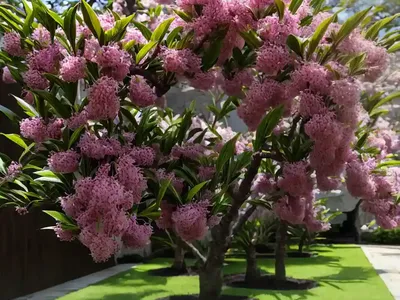
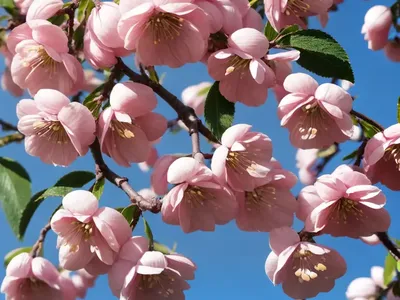
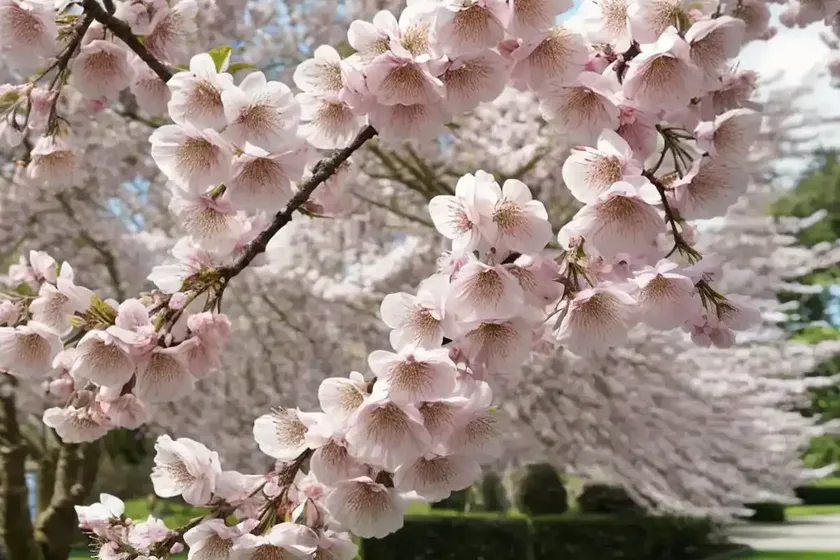
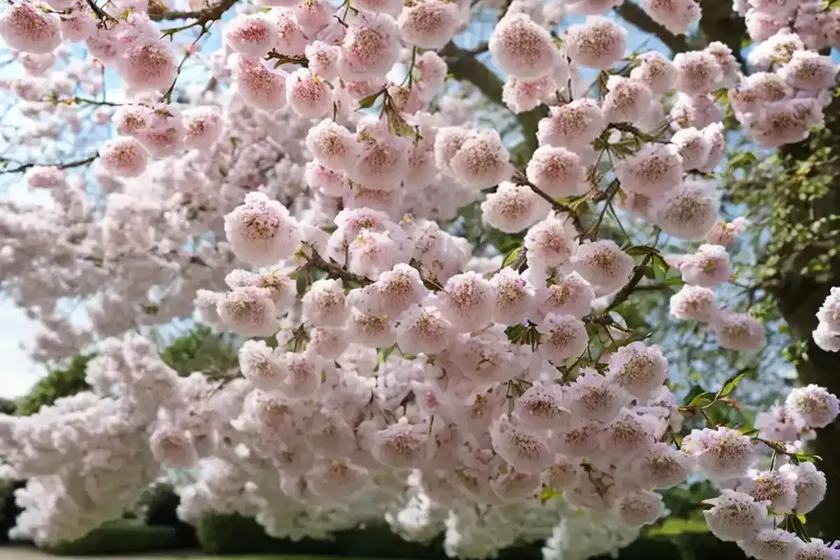
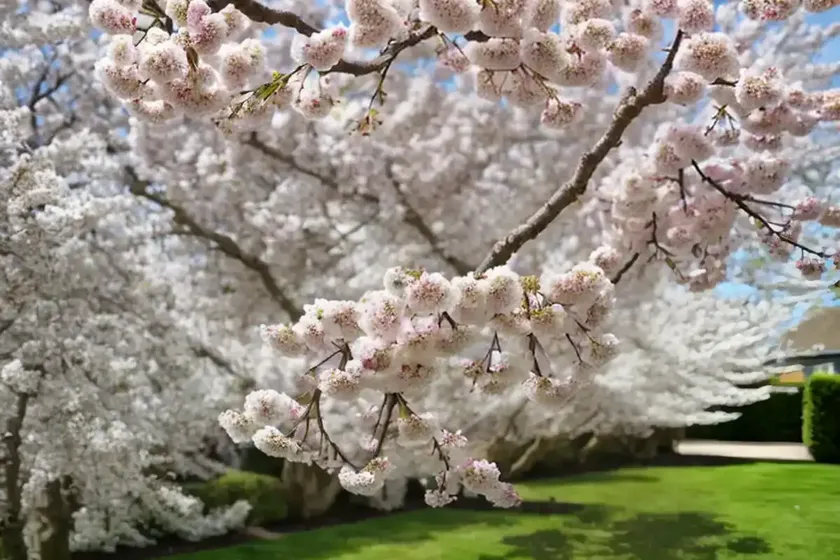
Prunus ‘The Bride’ is a deciduous tree belonging to the genus Prunus and the family Rosaceae. This cultivar is widely recognized for its profusion of delicate, white blossoms that adorn its branches in early spring, creating a spectacular display of beauty. It is characterized by its graceful form, glossy green foliage, and sometimes spectacular autumn foliage color. ‘The Bride’ is a slow-growing ornamental cherry tree that typically reaches a height of 20-30 feet with a similar spread. The tree is an excellent choice for enhancing gardens, parks, and public spaces, adding charm and allure to outdoor environments.
Key Takeaways – Prunus ‘The Bride’ (Flowering Cherry)
1. Prunus ‘The Bride’ Characteristics
- Stunning display of delicate, white blossoms
- Graceful form and glossy green foliage
- Slow-growing, reaching a height of 20-30 feet
- Suitable for gardens, parks, and public spaces
2. Flowering Cherry Tree Varieties
- There are numerous varieties of flowering cherry trees, each with its unique characteristics and appeal. Some well-known varieties include Prunus ‘Kanzan’, Prunus ‘Amanogawa’, and Prunus ‘Shirofugen’.
3. Prunus ‘The Bride’ Care Tips
- Adequate watering is crucial, especially during the tree’s establishment phase.
- Pruning can help maintain the tree’s shape and promote optimal growth.
4. Best Practices for Growing Prunus ‘The Bride’
- Select a suitable location with well-drained soil and ample sunlight.
- Regular monitoring for pests and diseases is essential for the tree’s health and vigor.
5. Beautiful Flowering Cherry Trees
- Flowering cherry trees are renowned for their exquisite blossoms, attracting admirers and pollinators alike.
Culture
Uses
Prunus ‘The Bride’ holds significant ornamental value, serving as a stunning focal point in gardens, urban landscapes, and public parks. Its enchanting blossoms captivate onlookers, making it an ideal choice for enhancing the visual appeal of outdoor spaces. Additionally, the tree’s graceful form and lush foliage contribute to its aesthetic significance.
Water
Proper watering is essential for the health and vitality of Prunus ‘The Bride’. During the tree’s establishment period, consistent and deep watering is crucial to promote robust root development. As the tree matures, it is important to monitor moisture levels in the soil, ensuring that the tree receives adequate hydration, especially during dry spells.
Sunlight
Prunus ‘The Bride’ thrives in full sunlight and benefits from at least six hours of direct sunlight daily. Adequate sunlight is integral to the tree’s overall growth, blossom production, and foliage development. Selecting a location with ample sunlight is paramount to the tree’s health and blooming potential.
Fertilizer
Applying a balanced fertilizer specifically formulated for flowering trees can bolster the growth and vigor of Prunus ‘The Bride’. Fertilization should be carried out in early spring, just before the tree enters its active growth phase. Additionally, organic materials, such as compost, can be incorporated into the soil to enrich its nutrient content and support the tree’s overall wellbeing.
Soil
The ideal soil for Prunus ‘The Bride’ is well-drained and nutrient-rich. Loamy soils with good drainage properties are particularly favorable for the tree’s root development and overall health. Conducting a soil test can provide valuable insights into its composition, allowing for appropriate amendments to be made to create an optimal growing environment for the tree.
Pruning
Pruning plays a crucial role in maintaining the health, form, and aesthetic appeal of Prunus ‘The Bride’. Regular pruning can help eliminate dead or diseased branches, promote air circulation within the tree canopy, and shape the tree to desired specifications. It is recommended to carry out pruning during the dormant season to minimize stress on the tree and facilitate rapid healing of pruning wounds.
Propagation
Propagating Prunus ‘The Bride’ can be achieved through various methods, including grafting, budding, and softwood cuttings. Grafting is a common technique used to propagate ornamental cherry trees, where a scion from the desired cultivar is grafted onto a suitable rootstock. Budding involves the insertion of a bud from the desired cultivar into the bark of a rootstock, while softwood cuttings can be utilized to propagate new trees from established branches.
Container Popularity
While Prunus ‘The Bride’ is often grown in outdoor landscapes, it can also thrive in containers, making it a popular choice for balcony gardens, patios, and urban spaces. When grown in containers, the tree’s compact size, stunning blossoms, and elegant foliage create a captivating display, adding charm to confined outdoor areas.
Container Common Diseases
When grown in containers, Prunus ‘The Bride’ may be susceptible to certain diseases that can impact its overall health. Common container diseases that may affect the tree include:
- Root rot: Over-watering in container environments can lead to root rot, compromising the tree’s root system and causing decline.
- Powdery mildew: Fungal infections such as powdery mildew can occur in container-grown trees, leading to the development of a powdery, white substance on the foliage.
Disease Diagnosis
Early detection and diagnosis of diseases in container-grown Prunus ‘The Bride’ are essential for implementing timely and effective treatments. Regular monitoring for symptoms such as leaf discoloration, wilting, or unusual growth patterns can aid in identifying potential disease issues. Consultation with a plant healthcare professional can provide valuable insights and guidance for addressing and preventing diseases in container-grown trees.
Common Pests
Prunus ‘The Bride’ may be susceptible to various pests that can pose a threat to its health and vitality. Common pests that may affect the tree include:
- Aphids: These tiny insects can infest the tree’s foliage, sucking sap and potentially causing damage.
- Scale insects: Scale insects can attach themselves to the tree’s branches and feed on its sap, leading to weakened growth and vigor.
Regular scouting for pest activity and the implementation of proactive pest management strategies can help minimize the impact of pests on Prunus ‘The Bride’.
Botanist’s Tips
Botanist’s tips to enhance the growth and wellbeing of Prunus ‘The Bride’ include:
- Regular monitoring for moisture levels in container-grown specimens to prevent waterlogged conditions.
- Conducting annual soil tests to assess nutrient levels and pH in container environments.
- Implementing a balanced fertilization regimen to support the tree’s nutrient requirements in container settings.
Fun Facts
- Flowering cherry trees, including Prunus ‘The Bride’, have a rich cultural significance in various traditions, including Japanese hanami festivals, where the blossoming of cherry trees is celebrated.
- Prunus ‘The Bride’ is a valuable source of nectar for pollinators, attracting bees and other beneficial insects to the garden.
- The tree’s blossoms can vary in color, ranging from pure white to a delicate blush hue, adding to its visual allure.
Links to External Resources
For further information and resources on Prunus ‘The Bride’ and flowering cherry trees, refer to the following links:
In conclusion, Prunus ‘The Bride’ is an enchanting ornamental tree that enriches landscapes with its resplendent blossoms and graceful presence. By understanding its care requirements, propagation methods, and potential challenges, you can cultivate and appreciate this charming tree in various outdoor settings. Whether as a centerpiece in a garden or a striking addition to a container, Prunus ‘The Bride’ truly exemplifies natural beauty and allure.