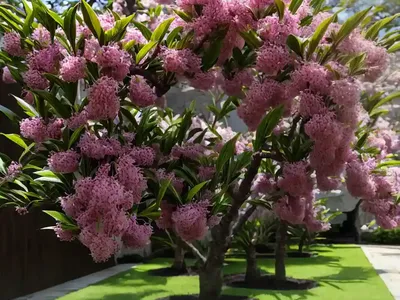
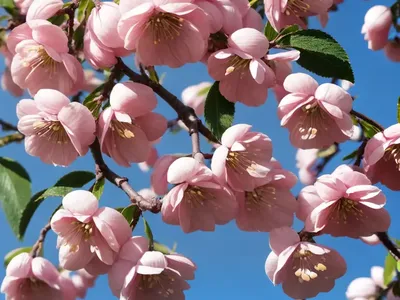
Cherries, Prunus - Flowering Cherry Tree
Prunus ‘Tai-Haku’ (Japanese Flowering Cherry)
As a plant scientist, I am constantly amazed by the diversity and beauty of plant life. One particular plant that has captured the hearts of many is the.
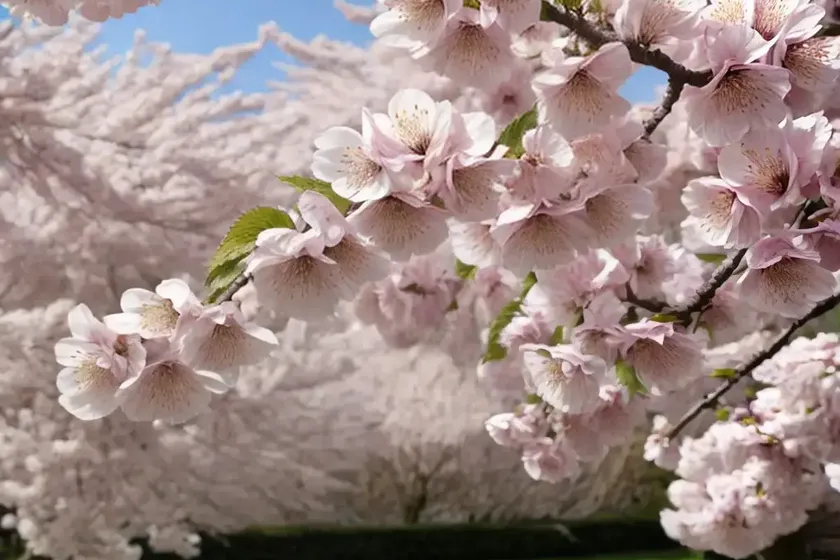
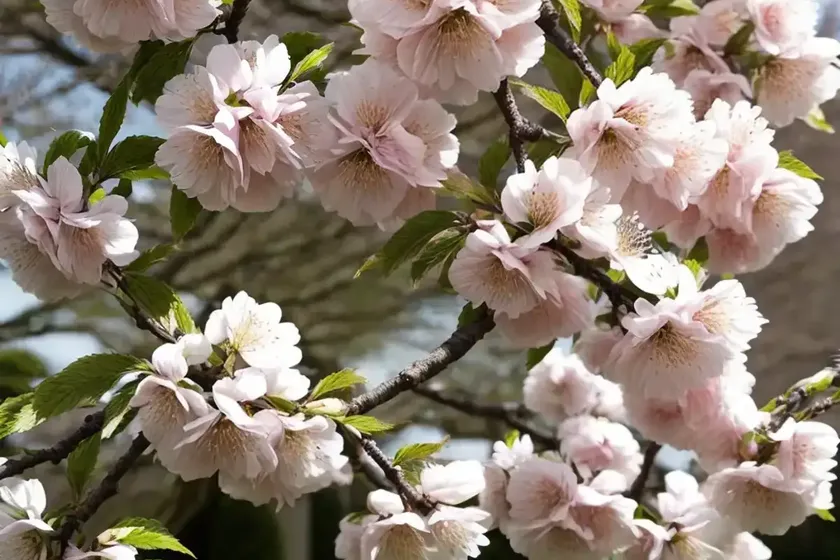
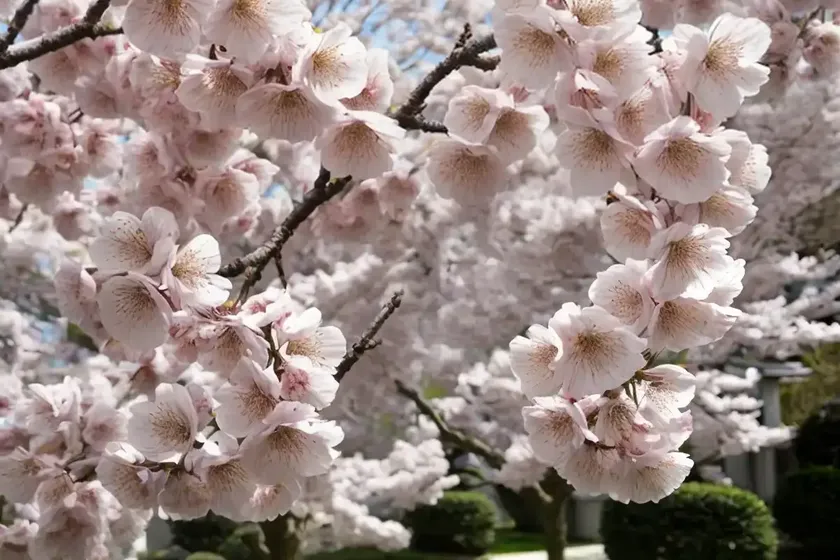
As a plant scientist, I am constantly amazed by the diversity and beauty of plant life. One particular plant that has captured the hearts of many is the Prunus ‘Tai-Haku’, commonly known as the Japanese flowering cherry. In this comprehensive guide, we will explore the cultural significance, characteristics, care, and maintenance of the Prunus ‘Tai-Haku’ tree.
What is Prunus ‘Tai-Haku’ (Japanese Flowering Cherry)?
Prunus ‘Tai-Haku’, also known as the Japanese flowering cherry, is a deciduous tree that belongs to the Rosaceae family. This stunning tree is native to Japan and is renowned for its spectacular display of blossoms. The name “Tai-Haku” translates to “Great White Cherry” in Japanese, an apt description of the tree’s large white blossoms.
Key Takeaways – Prunus ‘Tai-Haku’ (Japanese Flowering Cherry)
Before delving into the specific details of the Prunus ‘Tai-Haku’, let’s take a look at the key takeaways that will be covered in this guide:
- Culture
- Uses
- Water
- Sunlight
- Fertilizer
- Soil
- Pruning
- Propagation
- Container
- Common Diseases
- Disease Diagnosis
- Common Pests
- Botanist’s Tips
- Fun Facts
- Links to External Resources
Now, let’s explore these aspects in detail.
Culture
The culture of the Prunus ‘Tai-Haku’ encompasses its significance in Japanese tradition and its influence in landscapes around the world. The blossoming of the ‘Tai-Haku’ holds special cultural significance in Japan, where cherry blossoms are celebrated during the Hanami festival, marking the arrival of spring. The fleeting beauty of these blossoms symbolizes the transient nature of life and has inspired poets, artists, and nature enthusiasts for centuries.
Uses
The Prunus ‘Tai-Haku’ serves both ornamental and cultural purposes. Besides its cultural significance in Japan, it is widely used in landscape design to provide a stunning focal point with its abundant white blossoms. The tree’s beauty is not limited to its blossoms as it also offers aesthetic appeal with its elegant, spreading canopy and picturesque form.
Water
The water requirements of the Prunus ‘Tai-Haku’ are moderate. It is essential to provide consistent moisture, especially during the tree’s active growing season and flowering period. However, the tree should not be subjected to waterlogged conditions as it may lead to root rot.
Sunlight
Prunus ‘Tai-Haku’ thrives in full sunlight, which is essential for promoting healthy growth and abundant blossoms. Select a planting location that receives at least 6-8 hours of sunlight daily to ensure optimal blooming and overall vigor.
Fertilizer
When it comes to fertilization, the Prunus ‘Tai-Haku’ benefits from a balanced fertilizer specifically formulated for flowering trees. Apply the fertilizer in early spring before the tree enters its active growth phase. Additionally, a light application of a balanced fertilizer in late summer can support the tree’s overall health.
Soil
The ideal soil for Prunus ‘Tai-Haku’ is well-draining and fertile. It thrives in slightly acidic to neutral soil pH levels. Amending the soil with organic matter such as compost can enhance its fertility and drainage, creating a favorable environment for the tree’s root system.
Pruning
Pruning is an essential aspect of maintaining the health and aesthetic appeal of Prunus ‘Tai-Haku’. It is best to prune the tree immediately after flowering to shape its growth and remove any dead or damaged branches. Additionally, regular pruning can promote proper air circulation and reduce the risk of diseases.
Propagation
The propagation of Prunus ‘Tai-Haku’ can be achieved through various methods such as softwood cuttings, hardwood cuttings, and grafting. Softwood cuttings are typically taken in early summer, while hardwood cuttings are collected during the dormant season. Grafting, especially onto rootstocks of related Prunus species, is a widely used propagation technique for preserving the desirable characteristics of the ‘Tai-Haku’ cultivar.
Container
While Prunus ‘Tai-Haku’ is primarily grown as a landscape tree, it can also be cultivated in containers, enabling individuals with limited garden space to enjoy its beauty. When grown in containers, it is essential to ensure proper drainage and to provide adequate space for the tree’s root system to develop.
Popularity
The Prunus ‘Tai-Haku’ has gained popularity not only in its native Japan but also in various parts of the world where its mesmerizing blossoms are cherished. Its popularity is further amplified by its association with traditional Japanese gardens and its role in enhancing the beauty of urban landscapes.
Common Diseases
The ‘Tai-Haku’ is susceptible to certain diseases, and being aware of these potential threats is crucial for maintaining the tree’s health. Common diseases that may affect Prunus ‘Tai-Haku’ include:
- Fungal Diseases: These can manifest as leaf spot, powdery mildew, or cankers, which, if left unmanaged, can compromise the tree’s vigor and ornamental appeal.
- Bacterial Canker: This disease can cause sunken lesions on the tree’s branches and trunk, ultimately leading to dieback if not addressed promptly.
- Root Rot: Excessive soil moisture or poor drainage can contribute to root rot, which can be detrimental to the tree’s overall health.
Disease Diagnosis
When diagnosing diseases in Prunus ‘Tai-Haku’, it is essential to closely monitor the tree for symptoms such as leaf discoloration, wilting, or the presence of unusual growths. Proper diagnosis is crucial for implementing targeted management strategies and preventing the spread of diseases to other nearby plants.
Common Pests
In addition to diseases, Prunus ‘Tai-Haku’ may also be susceptible to pest infestations. Common pests that may affect the tree include aphids, scale insects, and caterpillars. Regular inspection and prompt intervention, if necessary, can help mitigate pest-related issues.
Botanist’s Tips
As a plant scientist, I have several tips to offer for the care and maintenance of Prunus ‘Tai-Haku’:
- Regular Inspection: Periodically inspecting the tree for signs of diseases, pests, or nutritional deficiencies is essential for proactive management.
- Appropriate Pruning: When pruning the ‘Tai-Haku’, adhere to best practices to maintain the tree’s natural form and enhance its blooming potential.
- Proper Watering: Avoid overwatering or underwatering the tree, as both extremes can have detrimental effects on its health.
- Balanced Nutrition: Providing a balanced fertilizer can support the tree’s nutrient needs, promoting vigorous growth and abundant blossoms.
- Cultural Significance: Appreciating and understanding the cultural significance of the ‘Tai-Haku’ can deepen one’s connection with this magnificent tree.
Fun Facts
- The blossoms of Prunus ‘Tai-Haku’ hold great cultural significance in Japan, where the Hanami festival celebrates the transient beauty of cherry blossoms.
- The ‘Tai-Haku’ was first introduced to the United Kingdom in 1922, where it received extensive acclaim for its exceptional beauty and ornamental value.
- The Prunus ‘Tai-Haku’ is often used in landscape design to create stunning focal points in parks, gardens, and urban spaces.
Links to External Resources
Plant Name: Prunus ‘Tai-Haku’ (Japanese Flowering Cherry)
For additional information on Prunus ‘Tai-Haku’, I recommend exploring the following external resources:
- Royal Horticultural Society – Prunus ‘Tai-Haku’
- Missouri Botanical Garden – Japanese Flowering Cherry
- The Plant Encyclopedia – Prunus x yedoensis ‘Tai-Haku’
In conclusion, Prunus ‘Tai-Haku’ is a tree of remarkable beauty and cultural significance, captivating admirers with its magnificent blossoms and graceful form. By understanding its cultural heritage, optimal care requirements, and potential challenges, we can foster the health and vitality of this iconic tree, ensuring that its timeless allure continues to inspire generations to come.