Cherries, Prunus - Flowering Cherry Tree
Prunus ‘Shogetsu’ (Japanese Flowering Cherry)
Prunus ‘Shogetsu’, commonly known as Japanese Flowering Cherry, is an exquisite ornamental tree that captivates with its stunning display of delicate.
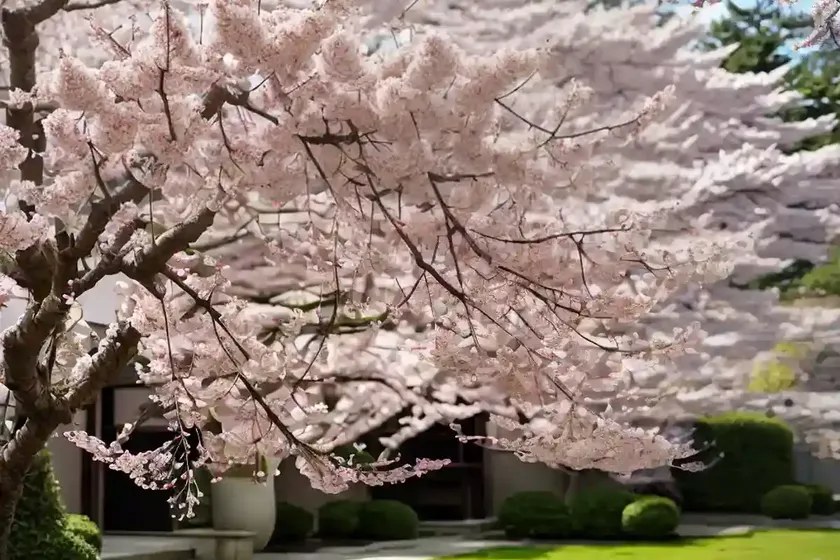
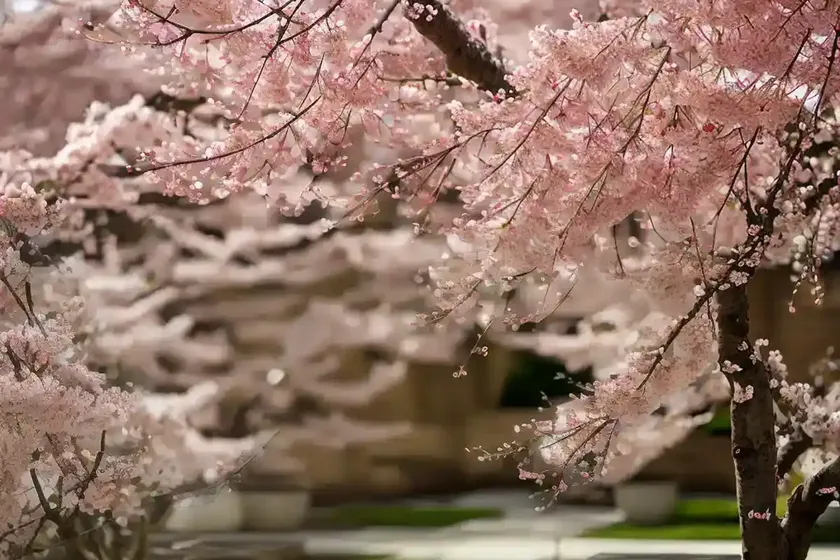
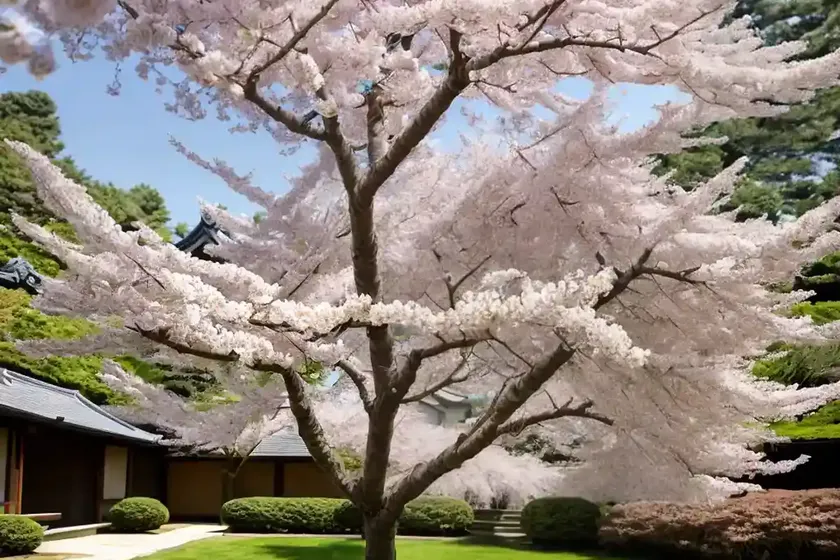
Prunus ‘Shogetsu’, commonly known as Japanese Flowering Cherry, is an exquisite ornamental tree that captivates with its stunning display of delicate flowers in spring. In this comprehensive guide, we will delve into the culture, uses, maintenance, and fascinating characteristics of Prunus ‘Shogetsu’, providing insights and tips for nurturing this esteemed tree.
What is Prunus ‘Shogetsu’ (Japanese Flowering Cherry)?
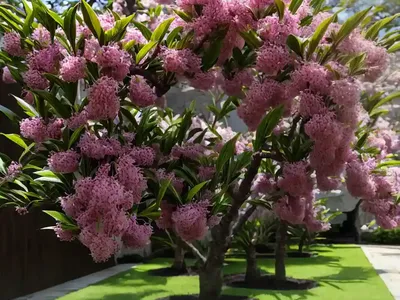
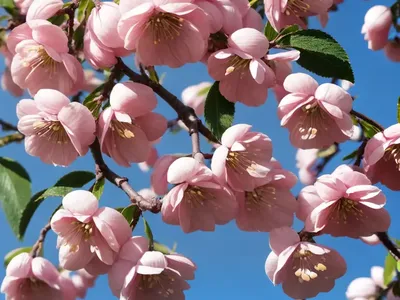
Prunus ‘Shogetsu’ belongs to the family Rosaceae and is a deciduous flowering cherry tree originating from Japan. It is renowned for its abundant and breathtaking display of blossoms, making it a popular choice for gardens, parks, and urban landscapes. The tree features a graceful, spreading canopy adorned with clusters of fragrant, pale pink to white blossoms, creating a picturesque scene during the spring season.
The Prunus genus encompasses a diverse range of species, including ornamental cherries, flowering almonds, and edible fruits like cherries, plums, and apricots. Within this rich gene pool, Prunus ‘Shogetsu’ stands out for its ethereal beauty and cultural significance, especially in Japanese traditions.
Key Takeaways – Prunus ‘Shogetsu’ (Japanese Flowering Cherry)
Let’s explore the essential aspects of cultivating and admiring the alluring Prunus ‘Shogetsu’.
Culture
Prunus ‘Shogetsu’ hails from Japan, where it holds deep cultural significance and is celebrated during the annual cherry blossom festivals, or Hanami. The tree symbolizes the ephemeral nature of life and the beauty of fleeting moments. Its blossoms, known as ‘sakura’ in Japanese, are revered for their transient yet enchanting presence, serving as a reminder to cherish the present.
Uses
- Ornamental Beauty: Prunus ‘Shogetsu’ serves as a captivating ornamental tree, enhancing landscapes with its enchanting blossoms.
- Cultural Symbolism: In Japan, the cherry blossoms are an embodiment of the national ethos and hold profound cultural symbolism, signifying renewal, hope, and the ephemeral nature of life.
Planting and Maintenance
The successful cultivation of Prunus ‘Shogetsu’ depends on providing optimal conditions for its growth and ensuring meticulous care. Let’s delve into the crucial factors that contribute to its well-being.
Water
- Young Trees: Newly planted trees should be watered regularly to establish strong root systems. Ensure that the soil is consistently moist but not waterlogged.
- Mature Trees: Once established, Prunus ‘Shogetsu’ generally shows good drought tolerance. However, during prolonged dry spells, providing supplemental watering can promote healthier growth and prolific flowering.
Sunlight
- Full Sun: Prunus ‘Shogetsu’ thrives in full sunlight, which is vital for the development of abundant blossoms and vigorous growth. Ensure that the tree is situated in a location receiving ample sunlight throughout the day.
Fertilizer
- Balanced Fertilization: Use a balanced, slow-release fertilizer formulated for flowering trees in early spring to promote robust growth and prolific flowering. Avoid excess nitrogen, as it can encourage excessive vegetative growth at the expense of blossoms.
Soil
- Well-Drained Soil: Prunus ‘Shogetsu’ prefers well-drained, loamy soil that provides ample aeration to the roots. Incorporating organic matter such as compost can improve soil structure and fertility, supporting the tree’s vitality.
Pruning
- Pruning Goals: Prune Prunus ‘Shogetsu’ to maintain a graceful structure, remove dead or diseased branches, and enhance air circulation within the canopy. It is advisable to prune immediately after the blossoms fade to minimize disruption to the next season’s flowering.
Propagation
- Propagation Techniques: Prunus ‘Shogetsu’ can be propagated through grafting or budding to preserve desirable traits and ensure genetic consistency. Softwood cuttings can also be used for propagation, particularly for individuals with specific characteristics or traits worth propagating.
Container Popularity
- Container Cultivation: While Prunus ‘Shogetsu’ is typically grown as an ornamental tree in landscapes, it can also thrive in large containers, providing an attractive focal point on patios, balconies, and other urban settings.
Common Diseases and Pests
- Disease Resistance: Prunus ‘Shogetsu’ exhibits good resistance to common cherry tree diseases such as brown rot and leaf spot. However, proper sanitation and vigilant monitoring are essential to prevent potential diseases from taking hold.
- Pest Management: Regular inspections for aphids, scale insects, and caterpillars can help detect pest infestations early, enabling timely intervention to mitigate potential damage.
As a seasoned botanist specializing in ornamental trees, I offer the following tips for nurturing Prunus ‘Shogetsu’ to its full splendor.
Botanist’s Tips
- Selecting a Planting Site: Choose a well-drained location with full sunlight exposure to maximize the tree’s flowering potential.
- Adequate Watering: During the establishment phase, ensure consistent moisture to promote healthy root development.
- Pruning Practices: Prune selectively to maintain a balanced and aesthetically pleasing canopy while fostering the growth of new flowering wood.
Fun Facts
- The cherry blossoms of Prunus ‘Shogetsu’ are celebrated in Japan during the Hanami festival, where people gather to admire the fleeting beauty of the blossoms and partake in festive picnics and cultural events.
- The elegant, cascading form of Prunus ‘Shogetsu’ lends itself beautifully to landscape designs, providing a striking focal point when in full bloom.
Links to External Resources
For further information on Prunus ‘Shogetsu’ and the art of nurturing and appreciating Japanese flowering cherry trees, I recommend exploring the following resources:
- Royal Horticultural Society – Prunus ‘Shogetsu’
- The National Cherry Blossom Festival
- American Public Gardens Association – Cherry Blossom Viewing
By embracing the timeless elegance and cultural significance of Prunus ‘Shogetsu’, we can cultivate a deeper appreciation for the transient yet enchanting beauty of cherry blossoms, enriching our lives and landscapes with their ethereal presence.
As we honor the traditions and symbolism associated with these esteemed trees, let us also embrace the art of nurturing and preserving their breathtaking allure for generations to come.