Cherries, Prunus - Flowering Cherry Tree
Prunus ‘Shirofugen’ (Japanese Flowering Cherry)
Prunus ‘Shirofugen,’ commonly known as the Japanese Flowering Cherry, is a stunning ornamental tree that has captivated gardeners and nature enthusiasts.
Introduction
Prunus ‘Shirofugen,’ commonly known as the Japanese Flowering Cherry, is a stunning ornamental tree that has captivated gardeners and nature enthusiasts for centuries. This iconic tree belongs to the Prunus genus and is renowned for its graceful form, captivating blooms, and cultural significance. In this comprehensive guide, we will delve into the various aspects of Prunus ‘Shirofugen,’ including its culture, uses, maintenance, and more. Whether you are a seasoned gardener or a novice plant enthusiast, there is much to discover about this beloved flowering cherry tree.
What is Prunus ‘Shirofugen’?
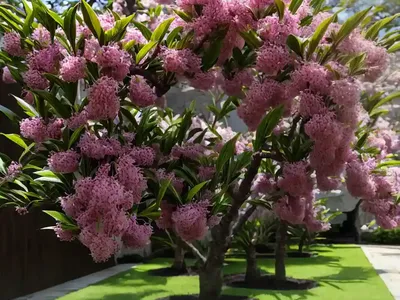
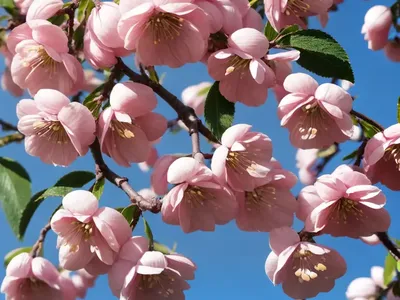
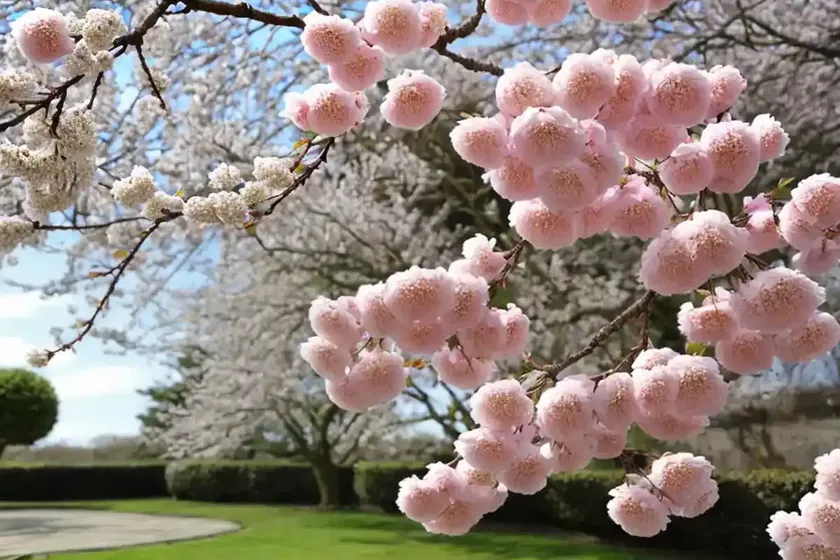
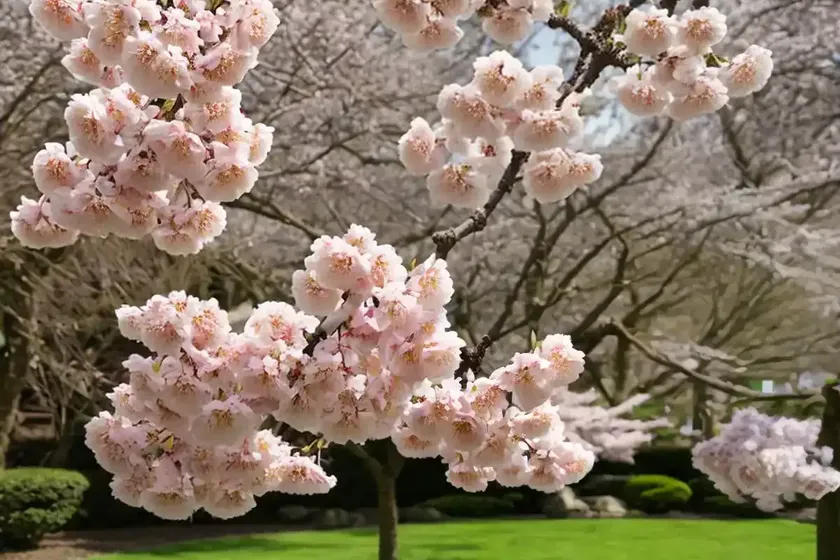
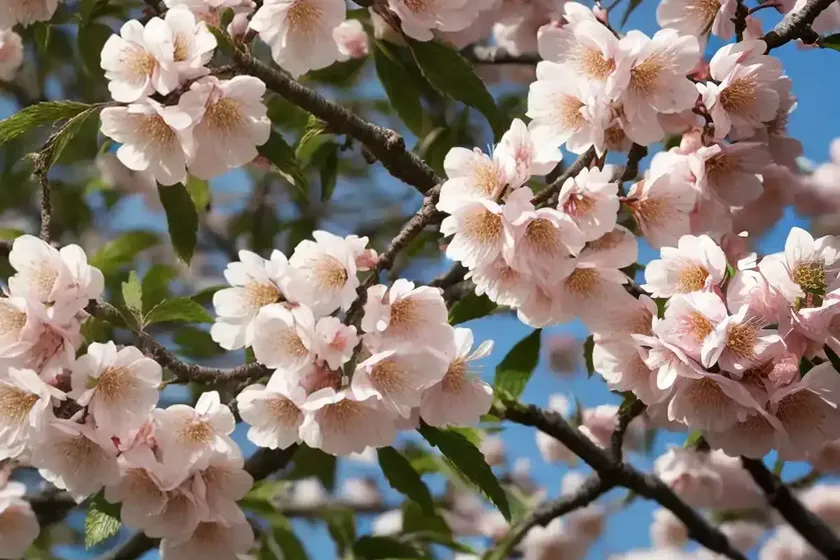
Prunus ‘Shirofugen,’ also known as the Japanese Flowering Cherry or Shirofugen cherry tree, is a deciduous tree that belongs to the Rosaceae family. It is a cultivar of Prunus serrulata, which is native to Japan, Korea, and China. This cultivar is celebrated for its exquisite double-flowered blossoms, which adorn the tree in spring, creating a breathtaking display of white and pink hues. The name “Shirofugen” translates to “white fountain,” alluding to the cascading appearance of its blooms.
This ornamental tree typically reaches a height of 20 to 30 feet and spreads to about 15 to 25 feet, forming a rounded crown that adds elegance to any landscape. The Shirofugen cherry tree’s blossoms emerge before its leaves, creating a mesmerizing spectacle that symbolizes the arrival of spring. Beyond its aesthetic appeal, Prunus ‘Shirofugen’ holds cultural significance in Japanese tradition, where cherry blossoms, known as “sakura,” are revered as a symbol of renewal and the transient nature of life.
Key Takeaways – Prunus ‘Shirofugen’ (Japanese Flowering Cherry)
Culture
Prunus ‘Shirofugen’ is deeply rooted in Japanese culture and is cherished for its exquisite blossoms, which have become emblematic of the ephemeral beauty of life. In Japan, the tradition of hanami, or flower viewing, is a time-honored custom where families and friends gather beneath blooming cherry trees to appreciate their splendor. This tradition dates back centuries and is a testament to the profound impact of the Shirofugen cherry tree on Japanese society.
Uses
The Shirofugen cherry tree holds immense ornamental value and is widely cultivated for its aesthetic appeal. It serves as a striking focal point in gardens, parks, and landscapes, where its spring bloom creates a captivating spectacle. Additionally, the cultural significance of Prunus ‘Shirofugen’ has transcended geographical boundaries, making it a popular choice for ornamental planting in various regions across the globe.
Water
Proper watering is crucial for the health and vigor of Prunus ‘Shirofugen.’ While these trees demonstrate good tolerance to drought once established, they benefit from regular watering, especially during periods of prolonged dryness. When watering, it is important to ensure that the soil is moist but well-draining, as waterlogged conditions can lead to root rot and other issues.
Sunlight
The Shirofugen cherry tree thrives in full sun to partial shade, preferring a location that receives ample sunlight for optimal blooming. Adequate sunlight not only promotes vigorous growth and abundant blossoms but also contributes to the overall health and longevity of the tree. When planting Prunus ‘Shirofugen,’ it is essential to select a site that offers the right balance of sunlight and shade.
Fertilizer
Prunus ‘Shirofugen’ benefits from regular fertilization to support its growth and flowering. A balanced, slow-release fertilizer formulated for flowering trees can be applied in early spring to provide essential nutrients. Additionally, mulching with organic matter around the base of the tree can help improve soil fertility and moisture retention, further enhancing its performance.
Soil
The Shirofugen cherry tree thrives in well-drained, slightly acidic soil with good fertility. While it can adapt to various soil types, including loam and sandy soils, ensuring proper drainage is paramount to prevent waterlogging, which can compromise the tree’s health. Conducting a soil test can help determine the pH and nutrient levels, allowing for targeted amendments if necessary.
Pruning
Pruning is an important aspect of maintaining the health and form of Prunus ‘Shirofugen.’ While this tree exhibits a naturally graceful shape, periodic pruning can help remove dead or diseased branches, improve air circulation, and shape its canopy. The ideal time for pruning is after the tree has finished blooming, as this minimizes the risk of impacting the following year’s floral display.
Propagation
Prunus ‘Shirofugen’ can be propagated through various methods, including softwood cuttings, hardwood cuttings, and grafting. Softwood cuttings taken in early summer and treated with a rooting hormone can develop into new plants, while hardwood cuttings taken in late autumn offer another propagation option. Additionally, grafting onto compatible rootstocks can be employed for precise replication of desired characteristics.
Container Popularity
The compact size and enchanting beauty of Prunus ‘Shirofugen’ make it a popular choice for container planting. Whether in a garden patio or on a balcony, these trees bring a touch of elegance and seasonal splendor to urban and confined spaces. When grown in containers, it is essential to provide adequate care, including regular watering, balanced fertilization, and suitable winter protection in colder climates.
Container Common Diseases
When grown in containers, Prunus ‘Shirofugen’ may be susceptible to certain diseases, including powdery mildew, leaf spot, and root rot. Monitoring the tree for signs of disease, ensuring proper ventilation, and employing preventive measures can help mitigate these issues. Choosing disease-resistant cultivars and maintaining optimal growing conditions can contribute to the tree’s resilience in container culture.
Disease Diagnosis
Diagnosing and addressing diseases in Prunus ‘Shirofugen’ require careful observation and prompt intervention. Common symptoms of diseases in cherry trees may include leaf discoloration, wilting, abnormal growths, and premature leaf drop. Proper identification of the specific disease, often with the assistance of a plant pathologist or experienced arborist, is crucial for implementing targeted management strategies.
Common Pests
While generally resistant to major pest infestations, Prunus ‘Shirofugen’ may occasionally encounter pests such as aphids, scales, and caterpillars. Vigilant monitoring and early intervention, including natural predators and selective insecticides, can help control pest populations without harming beneficial organisms. By maintaining tree vigor and ecological balance, the impact of pests can be minimized.
Botanist’s Tips
As a plant scientist, I offer the following expert tips for cultivating Prunus ‘Shirofugen’:
- Select a well-drained planting site with adequate sunlight for optimal blooming.
- Regularly monitor soil moisture and ensure consistent watering to support tree health.
- Apply a balanced, slow-release fertilizer in early spring to promote vigorous growth and flowering.
- Practice proper pruning techniques to maintain the tree’s form and remove any damaged or diseased branches.
- Implement proactive pest and disease management measures, including regular inspection and appropriate interventions.
Fun Facts
- Prunus ‘Shirofugen’ is one of the many cherry tree varieties that contribute to the renowned springtime cherry blossom festivals in Japan and beyond.
- The ephemeral nature of cherry blossoms has inspired countless works of art, literature, and cultural traditions, reflecting the profound symbolism and emotional resonance associated with these blooms.
- In addition to their ornamental value, cherry blossoms have been celebrated for their culinary uses, with cherry blossom viewing picnics, known as hanami, often featuring cherry blossom-themed treats and beverages.
Links to External Resources
For further information on Prunus ‘Shirofugen’ (Japanese Flowering Cherry), explore the following resources:
- Prunus ‘Shirofugen’ – Royal Horticultural Society
- Japanese Flowering Cherry Trees – Missouri Botanical Garden
- Cherry Blossom Festivals in Japan – Japan National Tourism Organization
In conclusion, Prunus ‘Shirofugen’ (Japanese Flowering Cherry) stands as a timeless symbol of natural beauty, cultural heritage, and botanical allure. From its enchanting blooms to its rich cultural significance, this beloved flowering cherry tree continues to enchant and inspire, embodying the harmony between nature and human creativity. Whether admired in a traditional Japanese garden or gracing urban landscapes, the Shirofugen cherry tree remains a cherished emblem of the ephemeral splendor of spring.