Cherries, Prunus - Flowering Cherry Tree
Prunus ‘Pink Perfection’ (Japanese Flowering Cherry)
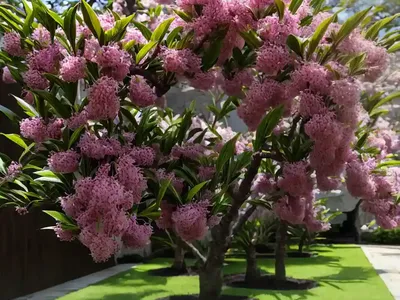
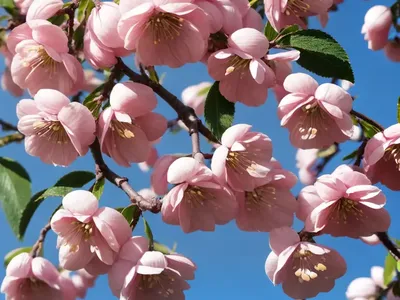
Prunus ‘Pink Perfection’, also known as the Japanese Flowering Cherry, is a beautiful ornamental tree that captivates with its stunning pink blossoms. In.
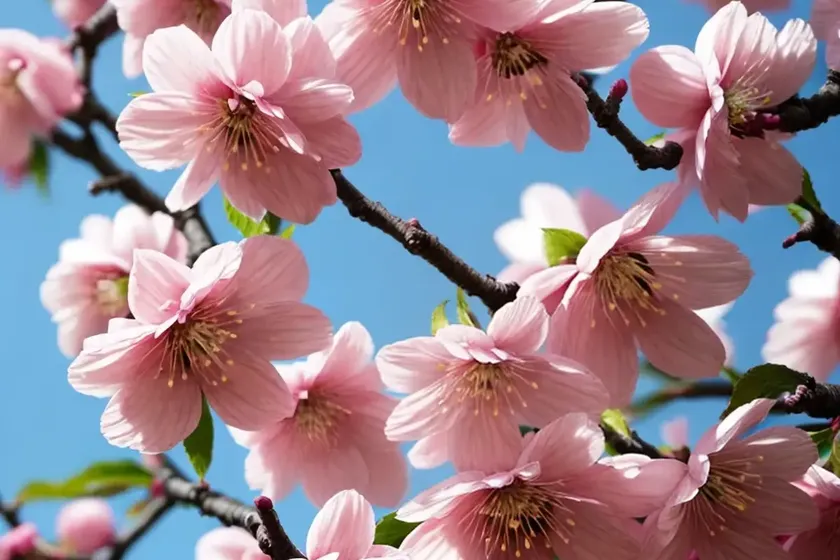
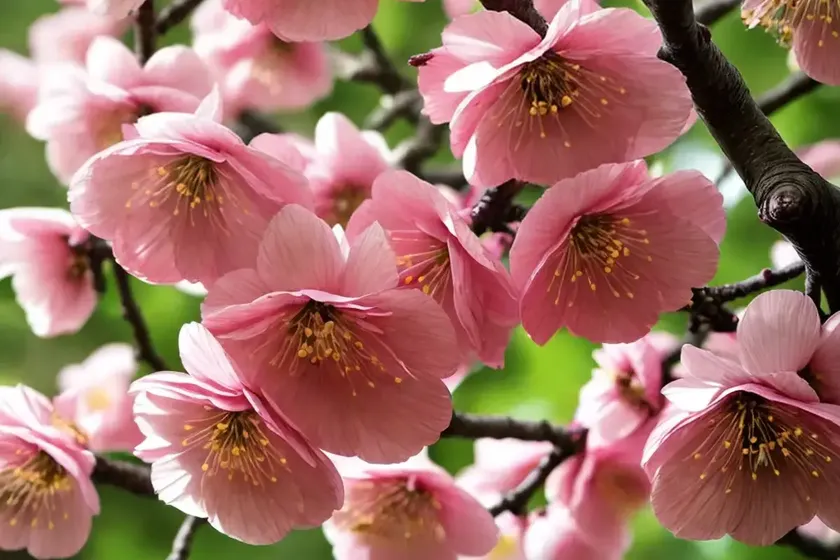
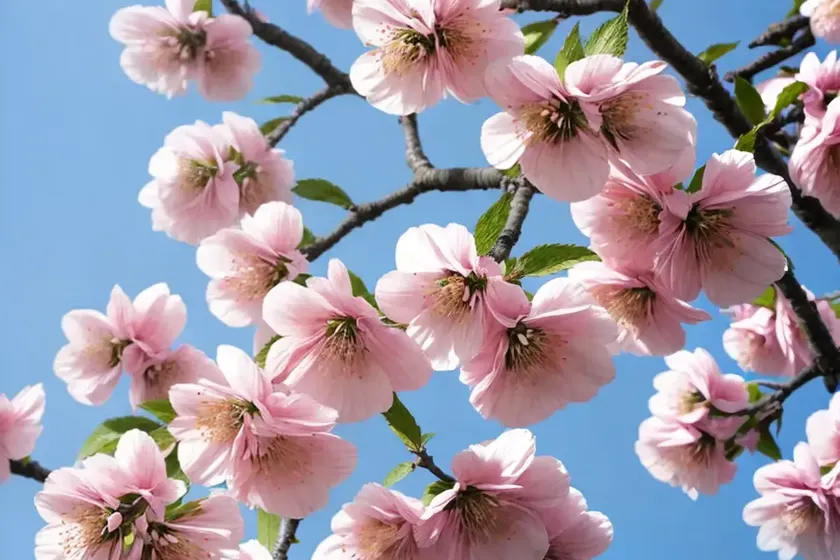
Prunus ‘Pink Perfection’, also known as the Japanese Flowering Cherry, is a beautiful ornamental tree that captivates with its stunning pink blossoms. In this comprehensive guide, we will delve into the various aspects of this charming tree, including its culture, uses, care tips, and much more. From understanding its growth habits to learning about disease prevention, this guide aims to provide a wealth of information for both gardening enthusiasts and plant scientists.
What is Prunus ‘Pink Perfection’ (Japanese Flowering Cherry)?
Prunus ‘Pink Perfection’ is a cultivar of the Prunus serrulata species, which is native to Japan and is widely cultivated for its mesmerizing display of pink blossoms. This ornamental cherry tree belongs to the Rosaceae family and is renowned for its elegant and abundant floral showcases that signify the arrival of spring.
This deciduous tree typically reaches a height of 20 to 25 feet, with a spread of about 25 to 30 feet, creating a lovely, rounded canopy that becomes a focal point in the landscape during its flowering season.
Key Takeaways – Prunus ‘Pink Perfection’ (Japanese Flowering Cherry)
Before delving into the specifics of this captivating tree, let’s outline the key takeaways, providing a sneak peek into the aspects we are going to explore in detail.
-
Popular Japanese Flowering Cherries: Understanding the popularity of Prunus ‘Pink Perfection’ among Japanese cherry varieties.
-
Growth Habits and Characteristics: Exploring the growth habits and unique attributes of Prunus ‘Pink Perfection’.
-
Care Tips and Maintenance: Learning about the optimal care requirements and maintenance practices for this cherry tree.
-
Disease Resistance and Pest Control: Understanding disease prevention and pest management specific to Prunus ‘Pink Perfection’.
-
Landscape Uses and Planting Instructions: Discovering the various landscape applications and proper planting techniques.
Now, let’s dig deeper into each of these aspects to gain a comprehensive understanding of Prunus ‘Pink Perfection’.
Culture
Understanding the cultural requirements of Prunus ‘Pink Perfection’ is essential for its successful growth and development. Let’s delve into the key cultural aspects, including water, sunlight, fertilizer, soil, and pruning.
Water
- Water Needs: Prunus ‘Pink Perfection’ prefers well-drained soil and moderate watering. It is important to establish a regular watering schedule, especially during the tree’s early establishment phase. Once the tree is well established, it exhibits a good level of drought tolerance.
Sunlight
- Sun Exposure: This Japanese flowering cherry thrives in full sun to partial shade. A location that receives at least 6 hours of direct sunlight per day is ideal for promoting abundant flowering and overall vigor.
Fertilizer
- Fertilization: Apply a balanced, slow-release fertilizer in early spring to support healthy growth and flowering. Consider using a fertilizer specifically formulated for flowering ornamental trees to provide the necessary nutrients for robust blossoms.
Soil
- Soil Requirements: Prunus ‘Pink Perfection’ thrives in well-drained, slightly acidic soils with a pH range of 5.5 to 6.5. Amending the soil with organic matter can enhance its drainage and nutrient-retention capacity, contributing to the tree’s overall well-being.
Pruning
- Pruning Practices: Prunus ‘Pink Perfection’ benefits from regular pruning to shape the canopy, remove dead or diseased branches, and promote air circulation within the tree. Pruning is ideally performed after the tree has finished blooming to prevent potential damage to the next season’s buds.
Uses
The versatile uses of Prunus ‘Pink Perfection’ make it a valuable addition to various landscapes and garden settings. Let’s explore the different applications of this ornamental cherry tree.
Landscape Uses
-
Aesthetic Appeal: The stunning pink blossoms of Prunus ‘Pink Perfection’ make it a popular choice for enhancing the aesthetic appeal of residential gardens, public parks, and other outdoor spaces.
-
Focal Point: Its graceful form and profuse flowering make it an ideal focal point in the landscape, drawing attention during the spring blooming season.
-
Street Planting: Due to its ornamental value, this cherry tree is often used for street planting, creating picturesque avenues adorned with delicate pink blossoms.
Container Planting
- Container Gardening: Prunus ‘Pink Perfection’ can be cultivated in large containers, allowing urban and confined spaces to enjoy the beauty of this Japanese flowering cherry. When grown in containers, it’s essential to ensure proper drainage and adequate root space for optimal growth.
Propagation
Propagation of Prunus ‘Pink Perfection’ enables the expansion of its presence across different settings. The propagation methods for this ornamental cherry tree primarily involve grafting and rooted cuttings.
Grafting
- T-budding: Grafting using the T-budding technique is a common method for propagating Prunus ‘Pink Perfection’. It involves attaching a bud from the desired cultivar onto a compatible rootstock, facilitating the production of genetically identical trees.
Rooted Cuttings
- Cutting Propagation: Rooted cuttings offer another viable option for propagating Prunus ‘Pink Perfection’. Selecting healthy, disease-free cuttings and providing them with suitable rooting conditions can lead to successful propagation and the establishment of new trees.
Popularity
The popularity of Prunus ‘Pink Perfection’ is a testament to its captivating beauty and ornamental value. This section explores the factors contributing to its prolific demand among gardening enthusiasts and landscape designers.
Aesthetic Allure
-
Floral Display: The abundant, pink blossoms of Prunus ‘Pink Perfection’ create a breathtaking spectacle, attracting admirers and enthusiasts of ornamental trees.
-
Seasonal Appeal: Its spring-blooming season coincides with the arrival of warmer weather, infusing landscapes with vibrant colors and a sense of rejuvenation.
Symbolism
- Cherry Blossom Symbolism: The cherry blossom holds cultural and historical significance, particularly in Japanese culture, symbolizing the transient yet beautiful nature of life. This symbolism contributes to the widespread admiration for Prunus ‘Pink Perfection’ and other cherry blossom trees.
Common Diseases
While Prunus ‘Pink Perfection’ exhibits good overall resistance to diseases, certain pathogens and environmental factors can pose risks. Understanding common diseases and their prevention strategies is crucial for maintaining the health and vitality of this ornamental cherry tree.
Disease Diagnosis
-
Anthracnose: This fungal disease can cause leaf spots, leaf blight, and twig dieback. Prunus ‘Pink Perfection’ may benefit from fungicidal treatments and proper cultural practices to mitigate the impact of anthracnose.
-
Bacterial Canker: Bacterial canker can lead to cankers on branches and trunks, affecting the tree’s overall vigor. Pruning affected branches and promoting good airflow can minimize the spread of bacterial canker.
Disease Prevention
-
Cultural Practices: Implementing proper watering, mulching, and sanitation practices can reduce the risk of fungal and bacterial diseases, enhancing the tree’s resilience.
-
Fungicidal Treatments: In cases where diseases pose a recurring threat, targeted fungicidal treatments can offer additional protection against common pathogens.
Common Pests
Insect pests can occasionally target Prunus ‘Pink Perfection’, potentially compromising its growth and flowering performance. Identifying common pests and implementing effective pest control measures is vital for preserving the tree’s health.
Pest Identification
-
Aphids: These small, sap-sucking insects can colonize tender shoot tips and foliage, leading to distorted growth and honeydew secretion. Pruning infested parts and deploying natural predators can help manage aphid populations.
-
Scale Insects: Scale insects can infest the branches and trunks of Prunus ‘Pink Perfection’, impacting the tree’s overall vigor. Applying horticultural oil during the dormant season can control scale infestations.
Integrated Pest Management (IPM)
-
Beneficial Insects: Encouraging the presence of beneficial insects, such as ladybugs and lacewings, can contribute to natural pest control within the garden ecosystem, reducing the reliance on chemical interventions.
-
Monitoring and Early Intervention: Regular monitoring of the tree for pest activity enables early detection and intervention, preventing pest populations from reaching damaging levels.
Botanist’s Tips
Receiving insights and recommendations from experienced botanists can offer valuable guidance for the successful cultivation and care of Prunus ‘Pink Perfection’. Here are some expert tips to consider when growing this enchanting Japanese flowering cherry.
Seasonal Maintenance
-
Pruning Timing: Prune Prunus ‘Pink Perfection’ promptly after the blooming season to avoid interference with the formation of next year’s buds.
-
Fertilization Schedule: Apply fertilizer in early spring to provide essential nutrients for robust growth and prolific flowering.
Soil Health
-
Organic Amendments: Incorporating organic matter into the soil can enhance its structure and fertility, promoting optimal root development and nutrient uptake by the tree.
-
Mulching Benefits: Mulching around the base of the tree conserves soil moisture, regulates temperature, and suppresses weed growth, fostering a conducive environment for the tree’s roots.
Environmental Considerations
-
Drought Tolerance: While Prunus ‘Pink Perfection’ demonstrates good drought tolerance once established, supplemental watering during prolonged dry spells can support its overall health.
-
Weather Adaptability: Understanding the tree’s cold and hot weather tolerances can aid in selecting suitable planting locations and providing appropriate care during extreme weather conditions.
Fun Facts
Exploring the intriguing and noteworthy aspects of Prunus ‘Pink Perfection’ adds depth to our appreciation of this enchanting cherry tree. Here are some fun and fascinating facts to enrich your knowledge of this captivating species.
-
Cultural Significance: Cherry blossoms, including those of Prunus ‘Pink Perfection’, are deeply embedded in Japanese culture, symbolizing beauty, renewal, and the transient nature of life.
-
National Symbol: The cherry blossom holds significant status in Japan, where the annual blooming season inspires nationwide celebrations and festivities known as Hanami.
-
Ornamental Diversity: Prunus ‘Pink Perfection’ is just one of the many captivating cultivars and varieties within the Prunus serrulata species, showcasing the wide-ranging ornamental diversity of Japanese flowering cherries.
Links to External Resources
To further enrich your understanding of Prunus ‘Pink Perfection’ and related topics, consider exploring the following external resources for comprehensive insights and practical guidance.
-
American Public Gardens Association – Offers resources and information on the cultivation and uses of Prunus ‘Pink Perfection’ and other ornamental cherries.
-
Royal Horticultural Society – Provides detailed information on Prunus ‘Pink Perfection’, including cultivation advice and ornamental characteristics.
-
University of Florida IFAS Extension – Offers a publication on the management of diseases and pests affecting ornamental cherry trees, including valuable insights for Prunus ‘Pink Perfection’.
In conclusion, Prunus ‘Pink Perfection’ stands as an emblem of beauty and cultural significance, captivating admirers with its exquisite pink blossoms and graceful form. By understanding its unique characteristics, cultural requirements, and maintenance practices, gardening enthusiasts can foster the thriving growth of this enchanting Japanese flowering cherry, adding an enchanting touch to their outdoor spaces and embracing the timeless allure of cherry blossoms.
This complete guide aims to equip you with the knowledge and insights to cultivate and cherish Prunus ‘Pink Perfection’, celebrating its seasonal magnificence and ornamental diversity within the realm of horticulture and botanical appreciation.
Remember, by honoring the natural beauty and resilience of Prunus ‘Pink Perfection’, we contribute to the perpetuation of its timeless charm and the enduring symbolism of cherry blossoms in our landscapes and hearts.
For a fully detailed guide on planting other flowers and plants, check our website Floral Delight.
References
-
Dreistadt, S. H., & James, D. G. (2003). Pests of Landscape Trees and Shrubs: An Integrated Pest Management Guide. University of California Agriculture and Natural Resources.
-
Mathews, D. M. (2012). Cherry Blossoms: The Official Book of the National Cherry Blossom Festival. National Geographic Books.
-
Shurtleff, B. B. (2014). Cherry Blossoms: Traditional Uses, Botany & Breeding. Soyinfo Center.