Cherries, Prunus - Flowering Cherry Tree
Prunus ‘Kursar’ (Flowering Cherry)
The Prunus ‘Kursar’, also known as the Flowering Cherry, is a stunning ornamental tree that is prized for its beautiful and vibrant blooms. This versatile.
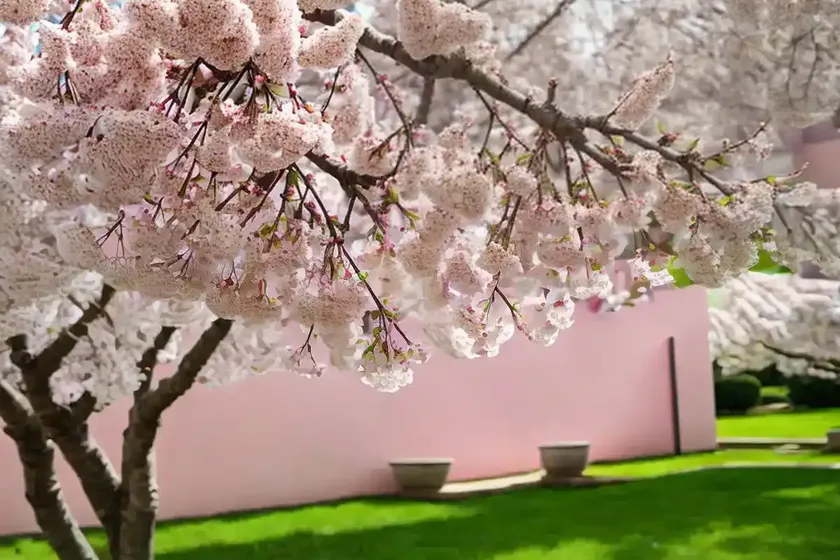
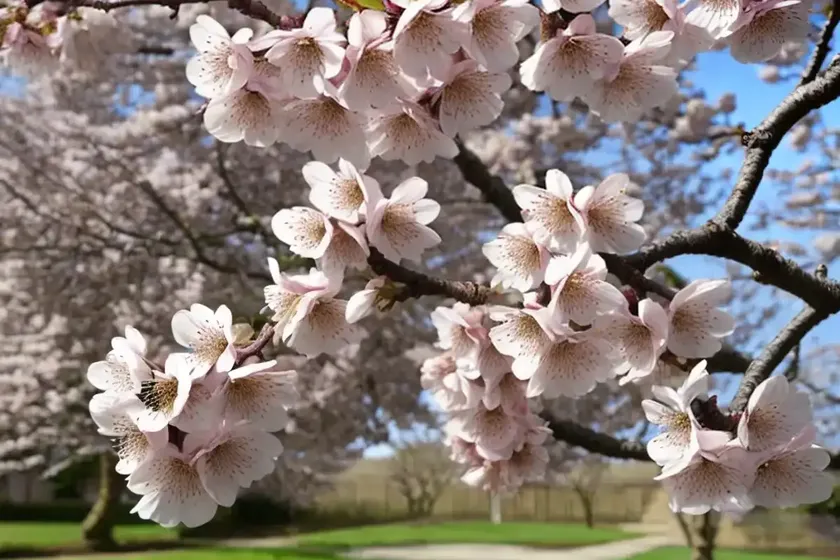
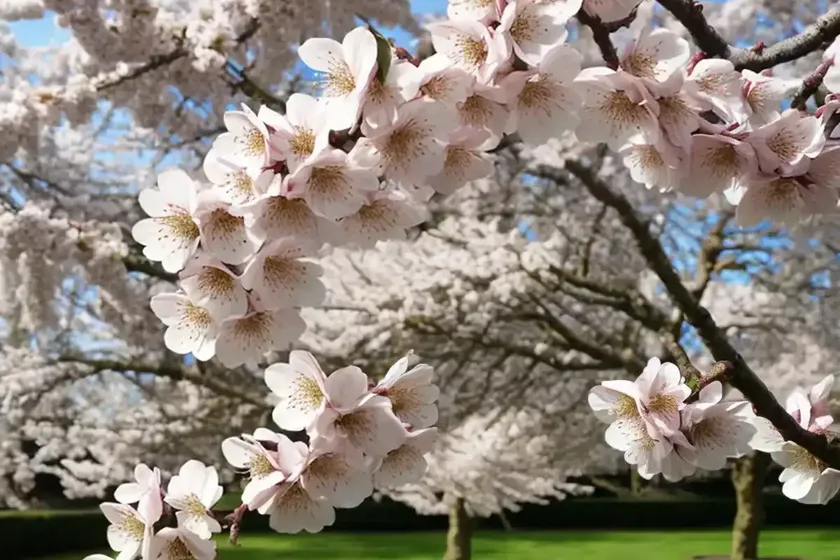
The Prunus ‘Kursar’, also known as the Flowering Cherry, is a stunning ornamental tree that is prized for its beautiful and vibrant blooms. This versatile and hardy tree is a favorite among gardeners and landscaping professionals for its aesthetic appeal and ease of care. In this comprehensive guide, we will delve into the various aspects of the Prunus ‘Kursar’, including its cultural requirements, uses, maintenance, and common issues. Whether you are a seasoned gardener or a novice plant enthusiast, this article aims to provide you with a wealth of information to help you cultivate and enjoy the splendor of the Prunus ‘Kursar’ in your outdoor spaces.
What is Prunus ‘Kursar’ (Flowering Cherry)?
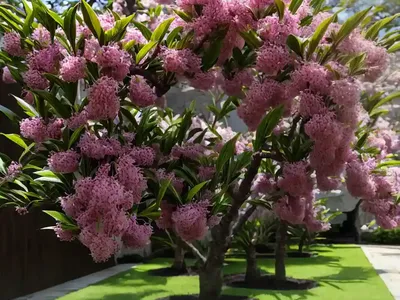
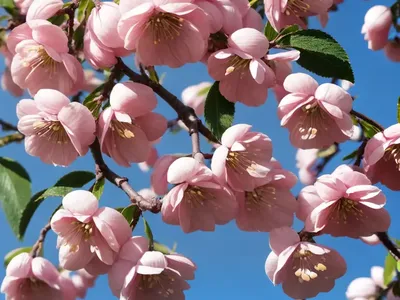
The Prunus ‘Kursar’ is a deciduous tree belonging to the genus Prunus, which encompasses a diverse group of flowering trees, including cherries, plums, and almonds. This particular cultivar is known for its striking display of pink blooms, which emerge in early spring, creating a captivating scene and signaling the arrival of the warmer months. The Prunus ‘Kursar’ is prized for its ornamental value and is commonly used in gardens, parks, and urban landscapes to add a touch of beauty and elegance.
Key Takeaways – Prunus ‘Kursar’ (Flowering Cherry)
Before we delve deeper into the various aspects of the Prunus ‘Kursar’, let’s take a brief look at some key takeaways that will be explored in detail throughout this guide:
- Cultural Requirements: Understanding the ideal conditions for cultivating Prunus ‘Kursar’ and promoting its healthy growth and blooming.
- Uses: Exploring the diverse uses of the Flowering Cherry in landscaping and garden design.
- Maintenance: Learning about the essential maintenance practices, including watering, sunlight requirements, fertilization, soil preferences, and pruning techniques.
- Propagation: Insights into propagating Prunus ‘Kursar’ to expand your collection or share its beauty with others.
- Common Diseases and Pests: Identifying and addressing potential health issues that may affect the Flowering Cherry.
- Botanist’s Tips: Valuable tips and recommendations from plant experts to ensure the success of your Prunus ‘Kursar’ cultivation.
Now, let’s embark on an enlightening journey into the enchanting world of the Prunus ‘Kursar’ and uncover the secrets to nurturing and appreciating this magnificent flowering tree.
Culture
Water
Proper watering is essential for the health and vitality of the Prunus ‘Kursar’. During the tree’s initial establishment phase, it is crucial to provide regular and consistent moisture to promote healthy root development. This is especially important in the first two years after planting, as the young tree requires adequate hydration to establish a strong and extensive root system.
-
Young Trees: For newly planted flowering cherry trees, it is recommended to water them deeply at least once a week, ensuring that the soil is moist but not waterlogged. During periods of prolonged drought or high temperatures, more frequent watering may be necessary.
-
Mature Trees: Once established, mature Prunus ‘Kursar’ trees generally showcase a good degree of drought tolerance. However, during extended dry spells, it is beneficial to water the tree to prevent stress and maintain healthy foliage and blooming.
To determine the watering needs of the Prunus ‘Kursar’, it is advisable to monitor the moisture levels of the soil. A simple way to assess the moisture content is by inserting a finger into the soil to a depth of a few inches. If the soil feels dry at this depth, it indicates that the tree requires watering.
Sunlight
Adequate sunlight is essential for the healthy growth and flourishing of the Prunus ‘Kursar’. As a flowering cherry tree, it thrives in locations that receive ample sunlight, which is typically defined as at least 6-8 hours of direct sunlight per day. When selecting a site for planting the Flowering Cherry, it is advisable to choose a location that offers full sun exposure to ensure optimal blooming and overall vigor.
-
Site Selection: When preparing to plant a Prunus ‘Kursar’, consider the sun exposure in your outdoor space. Look for an area that receives abundant sunlight throughout the day, particularly during the spring months when the tree is adorned with its glorious blossoms.
-
Sunlight Benefits: Adequate sunlight not only contributes to robust blooming but also helps to enhance the tree’s overall health and resistance to diseases and pests. Furthermore, the sun exposure aids in the development of strong and resilient branches, providing a sturdy framework for the beautiful canopy and blossoms.
Fertilizer
Proper fertilization plays a vital role in promoting the growth and blooming of the Prunus ‘Kursar’. Fertilizers provide essential nutrients that support the tree’s overall health, vigor, and blooming capacity. When selecting a fertilizer for the Flowering Cherry, it is important to choose a balanced formulation that provides adequate amounts of nitrogen, phosphorus, and potassium, as well as micronutrients.
-
Spring Application: In early spring, as the Flowering Cherry prepares to bloom, it can benefit from a gentle application of a balanced, slow-release fertilizer. This provides the tree with the necessary nutrients to support healthy growth and vibrant blooming during the upcoming season.
-
Avoid Excessive Nitrogen: When fertilizing the Prunus ‘Kursar’, it is important to avoid excessive nitrogen, especially in the form of quick-release fertilizers. High nitrogen levels can promote rapid but weak growth, potentially compromising the tree’s structure and blooming capacity.
Soil
The soil composition and quality play a crucial role in the overall health and growth of the Prunus ‘Kursar’. This ornamental cherry tree thrives in well-draining soil that is rich in organic matter and nutrients. Additionally, the soil pH level should be within the slightly acidic to neutral range, ideally between 6.0 and 7.0, to support optimal nutrient uptake and root health.
-
Soil Composition: When preparing the planting site for the Flowering Cherry, amend the soil with organic matter such as compost or well-rotted manure to improve its structure and fertility. This creates an environment that promotes healthy root development and overall vigor.
-
Drainage Considerations: Ensure that the planting site offers good drainage to prevent waterlogging, which can lead to root rot and other moisture-related issues. If the soil has poor drainage, consider incorporating organic matter and adjusting the planting depth to facilitate better water movement.
Pruning
Pruning is an essential aspect of maintaining the health, aesthetics, and structure of the Prunus ‘Kursar’. Proper pruning practices help to shape the tree, remove dead or diseased branches, and promote optimal blooming. Additionally, regular pruning aids in enhancing air circulation within the canopy, reducing the risk of disease development.
Pruning Time
The ideal time for pruning the Flowering Cherry is during the dormant season, which typically occurs in late winter to early spring before the new growth emerges. Pruning during this period minimizes the stress on the tree and allows for ample time for it to recover before the blooming season begins.
Pruning Techniques
When pruning the Prunus ‘Kursar’, it is essential to use sharp and clean pruning tools to make precise cuts that promote rapid healing. Begin by removing any dead, damaged, or crossing branches to improve the tree’s structure and overall health. Additionally, selectively thin out crowded branches to allow for improved air circulation and light penetration.
-
Branch Collar: When making pruning cuts, be mindful of the branch collar – the swollen area where the branch attaches to the trunk. To promote proper healing and minimize the risk of disease entry, make cuts just outside the branch collar without leaving stubs.
-
Height Management: For landscape trees, consider maintaining a balanced and uniform canopy by selectively pruning to control the tree’s height and spread. This encourages a pleasing and well-proportioned appearance while preventing the tree from outgrowing its intended space.
Propagation
Propagating the Prunus ‘Kursar’ allows plant enthusiasts and professional growers to expand their collection of these beautiful flowering cherry trees. There are several methods of propagation that can be utilized, including seed propagation, hardwood cuttings, and grafting. Each method offers unique advantages and considerations, and the choice of propagation technique often depends on the desired quantity and genetic traits of the propagated trees.
Seed Propagation
-
Collection: Obtain seeds from mature Prunus ‘Kursar’ trees by collecting the fruits when they mature and carefully extracting the seeds from the fleshy pulp.
-
Germination: Prepare a well-draining seed-starting mix and sow the seeds at the appropriate depth. Maintain consistent moisture and warmth to facilitate germination, and protect the emerging seedlings from extreme conditions.
-
Growth and Transplanting: As the seedlings develop, provide them with adequate light and nutrition. Once they have reached a suitable size, carefully transplant the young trees into individual containers or a prepared outdoor site.
Hardwood Cuttings
-
Cutting Preparation: During the dormant season, select healthy and mature branches to obtain hardwood cuttings. Cut the branches into sections with several nodes, and treat the cut ends with a rooting hormone to encourage the formation of roots.
-
Propagation Medium: Insert the prepared cuttings into a well-draining propagation medium and provide them with the appropriate environmental conditions to stimulate root development.
-
Transplanting: Once the cuttings have developed a sufficient root system, they can be transplanted into individual containers or prepared outdoor sites for further growth and development.
Grafting
-
Graft Compatibility: Identify compatible rootstock and scion wood for the grafting process. This method allows growers to maintain the desired traits of the Prunus ‘Kursar’ while harnessing the beneficial characteristics of the selected rootstock.
-
Grafting Technique: Utilize appropriate grafting techniques, such as whip grafting or T-budding, to secure the union between the rootstock and scion. Carefully monitor the grafted trees to ensure successful integration and growth.
Container Popularity
The Prunus ‘Kursar’ is favored by many gardeners and urban dwellers for its suitability for container cultivation. Its compact size, ornamental value, and relatively manageable root system make it an excellent candidate for container gardening. By growing the Flowering Cherry in containers, individuals can enjoy its beauty on patios, balconies, and urban gardens, adding a delightful touch of nature to confined spaces.
Container Considerations
When cultivating Prunus ‘Kursar’ in containers, several factors should be taken into account to ensure the tree’s health and vitality.
-
Container Size: Select a container with adequate depth and volume to accommodate the tree’s root system and allow for proper growth. Containers with drainage holes are essential to prevent waterlogging and ensure sufficient aeration of the roots.
-
Growing Medium: Use a high-quality potting mix that provides good drainage and aeration while retaining sufficient moisture for the tree. Consider adding organic matter or perlite to improve the soil structure and nutrient retention.
-
Watering and Maintenance: Container-grown Prunus ‘Kursar’ may require more frequent watering than trees planted in the ground, as containers tend to dry out more quickly. Regular monitoring of soil moisture and consistent nutrient supply are crucial for the health and growth of the tree.
Aesthetic Appeal
The captivating blossoms and elegant form of the Prunus ‘Kursar’ make it a prized addition to outdoor spaces. In containers, the tree can serve as a focal point, creating a stunning visual impact and drawing attention with its vibrant display of pink blooms. Whether placed on a patio, terrace, or within a garden setting, the container-grown Flowering Cherry infuses a sense of beauty and tranquility into its surroundings.
Common Diseases
The health of the Prunus ‘Kursar’ may be influenced by various diseases, some of which are specific to the Prunus genus. Understanding the potential diseases that may affect this ornamental cherry tree is crucial for implementing preventive measures and timely interventions to maintain its well-being.
Disease Diagnosis
When observing the Prunus ‘Kursar’ for signs of disease, it is important to be vigilant and proactive in identifying and addressing any issues that may arise. Several common diseases that can affect the Flowering Cherry include the following:
-
Powdery Mildew: This fungal disease appears as a powdery white coating on the leaves, shoots, and sometimes the blossoms of the tree. It can hinder the tree’s overall vigor and blooming capacity if left unmanaged.
-
Leaf Spot: Leaf spot diseases may manifest as dark spots or lesions on the foliage, potentially leading to premature leaf drop and reduced photosynthetic capacity.
-
Silver Leaf: Silver leaf disease, caused by a fungal pathogen, results in silver-gray discoloration of the leaves and can lead to branch dieback if not addressed promptly.
-
Canker Diseases: Canker infections can cause sunken lesions on the branches and trunk, leading to structural weakness and potential dieback of affected areas.
Disease Management
To mitigate the impact of diseases on the Prunus ‘Kursar’, it is critical to implement proactive strategies for disease management and prevention.
-
Cultural Practices: Promote the overall health and resilience of the tree through proper cultural practices, including regular watering, balanced fertilization, and adequate sunlight exposure.
-
Pruning and Sanitation: Remove and dispose of any affected plant material, such as diseased leaves and branches, to prevent the spread of pathogens and reduce the risk of reinfection.
-
Fungicidal Treatments: In cases where disease pressure is high or recurrent, consider utilizing fungicidal treatments following the manufacturer’s instructions and recommended application timing.
Common Pests
While the Prunus ‘Kursar’ is generally resilient, it may encounter pest issues that can impact its growth and health. Knowing how to identify and address common pests is essential for the maintenance of the flowering cherry tree.
Pest Identification
Several pests may pose a threat to the Prunus ‘Kursar’, including aphids, scale insects, caterpillars, and borers. Prompt identification and intervention are crucial for managing pest infestations and preventing potential damage to the tree.
-
Aphids: These tiny insects may gather on the underside of leaves, causing damage through sap feeding and the secretion of honeydew, which can attract sooty mold.
-
Scale Insects: Scale insects are known for their protective outer covering and can cause weakening of the tree through sustained feeding on the plant’s sap.
-
Caterpillars and Borers: Certain caterpillar species and borers may target the Prunus ‘Kursar’, causing damage to the foliage, bark, and branches through their feeding activities.
Pest Management
To effectively manage pest issues, it is important to employ integrated pest management (IPM) strategies that focus on reducing pest populations while minimizing harm to non-target organisms and the environment.
-
Biological Control: Utilize natural predators and beneficial organisms, such as ladybugs and lacewings, to help control aphid populations and other soft-bodied pests.
-
Horticultural Oils: Application of horticultural oils can help suffocate and control scale insects, particularly during their vulnerable life stages.
-
Monitoring and Intervention: Regularly inspect the Prunus ‘Kursar’ for signs of pest infestations, and intervene promptly using targeted control measures to prevent the escalation of pest populations.
Botanist’s Tips
To ensure the successful cultivation and enjoyment of the Prunus ‘Kursar’, consider the following expert tips and recommendations from botanists and horticultural experts:
-
Selecting a Planting Site: Choose a well-drained location with ample sunlight and adequate space for the tree to thrive and develop its ornamental canopy.
-
Routine Inspection: Regularly inspect the tree for signs of disease, pest infestations, and any structural issues that may require attention.
-
Pruning Practices: Adopt proper pruning techniques to maintain the health and aesthetics of the tree while fostering its blooming capacity and structural integrity.
-
Soil Management: Focus on soil improvement through the incorporation of organic matter, proper pH adjustments, and regular soil testing to support the tree’s nutrient uptake and root health.
Fun Facts
As you immerse yourself in the world of the Prunus ‘Kursar’, consider these intriguing and delightful fun facts about the Flowering Cherry:
- The Prunus ‘Kursar’ is native to the United Kingdom and is cherished for its vibrant and captivating display of pink blossoms in spring.
- The Flowering Cherry is a favorite choice for urban gardens and small landscapes, adding a touch of elegance and natural beauty to constrained outdoor spaces.
- In Japanese gardens, the Prunus ‘Kursar’ is celebrated for its aesthetic appeal and symbolic significance, often being included in traditional garden designs and cultural celebrations.
Links to External Resources
For further information and resources on the cultivation and appreciation of the Prunus ‘Kursar’ (Flowering Cherry), we recommend exploring the following reputable sources:
-
Royal Horticultural Society (RHS) – The RHS offers valuable insights and guidance on cultivating ornamental trees, including the Prunus ‘Kursar’, within diverse garden settings.
-
The Morton Arboretum – The Morton Arboretum provides comprehensive information on the care and maintenance of ornamental trees, including tips specific to the Prunus genus.
-
Missouri Botanical Garden – The Missouri Botanical Garden offers a wealth of resources on flowering trees, gardening practices, and sustainable landscape management.
By exploring these reputable sources, you can gain a deeper understanding of the Prunus ‘Kursar’ and harness valuable knowledge to enrich your experience as a plant enthusiast or horticultural professional.
In conclusion, the Prunus ‘Kursar’ (Flowering Cherry) stands as a remarkable ornamental tree celebrated for its enchanting blossoms, resilience, and versatile uses in diverse outdoor settings. Whether you are considering adding this captivating tree to your garden or seeking to enhance your knowledge of ornamental pruning and care, the Prunus ‘Kursar’ embodies the beauty and enduring charm of flowering cherry trees.
Now armed with a wealth of information on its cultural requirements, propagation techniques, and potential challenges, you are well-equipped to embark on a rewarding journey of cultivating and savoring the splendor of the Prunus ‘Kursar’.