Cherries, Prunus - Flowering Cherry Tree
Prunus ‘Kanzan’ (Japanese Flowering Cherry)
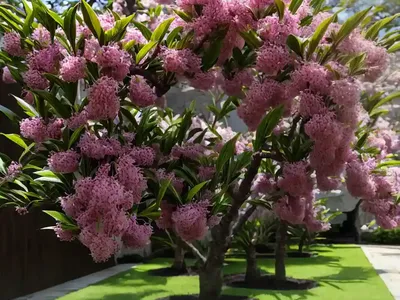
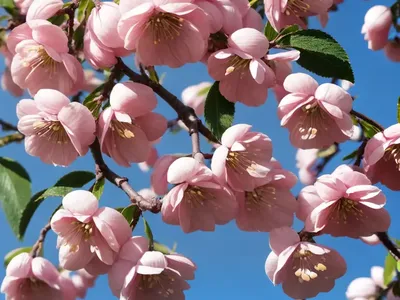
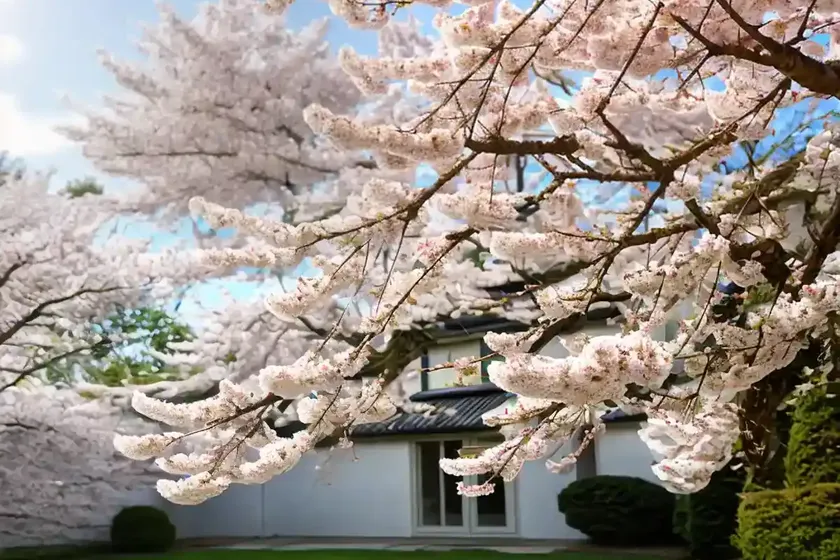
The Prunus 'Kanzan' is a captivating ornamental cherry tree known for its beautiful pink blossoms, adding a touch of elegance and charm to any landscape..
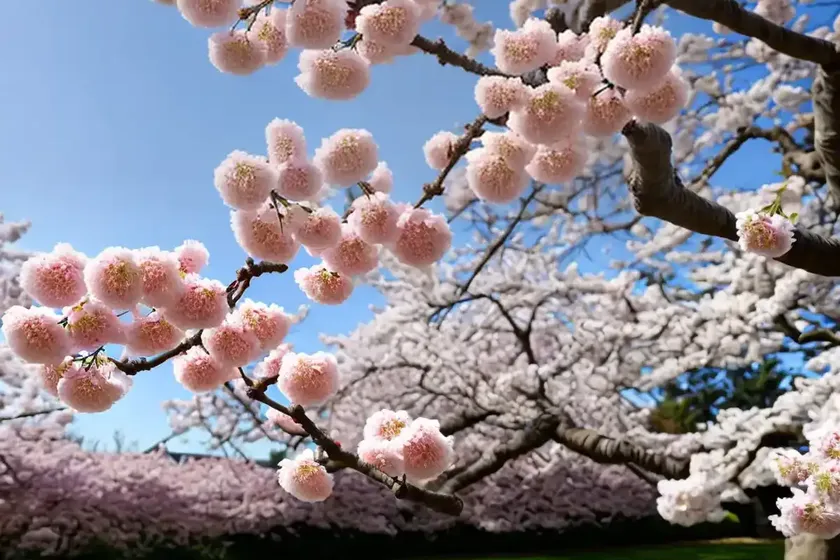
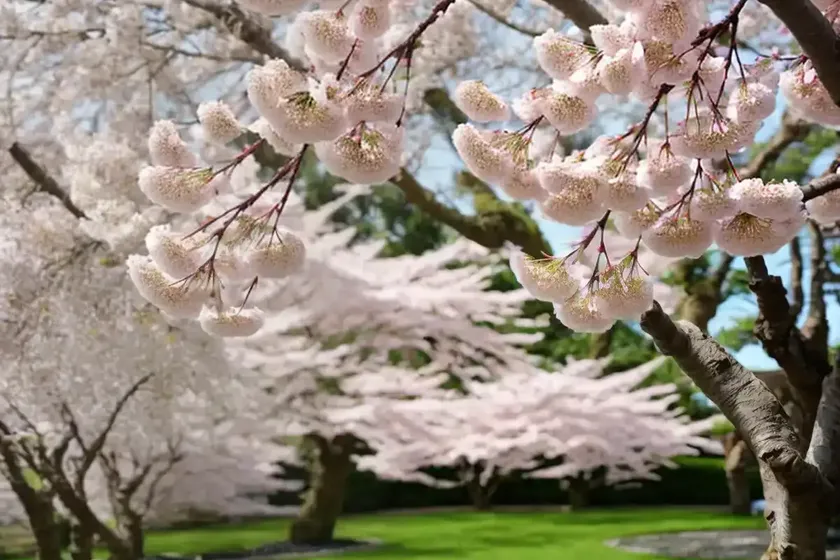
Prunus ‘Kanzan’ (Japanese Flowering Cherry)
What is Prunus ‘Kanzan’?
The Prunus ‘Kanzan’ is a captivating ornamental cherry tree known for its beautiful pink blossoms, adding a touch of elegance and charm to any landscape. As a beloved cultivar of the Japanese flowering cherry, Prunus serrulata, the ‘Kanzan’ variety holds a special place for its outstanding ornamental value and cultural significance. In this comprehensive guide, we will explore the key aspects of Prunus ‘Kanzan’, including its culture, uses, care requirements, common diseases, and propagation techniques, along with botanist’s tips and fascinating fun facts.
Key Takeaways – Prunus ‘Kanzan’ (Japanese Flowering Cherry)
Before delving into the intricate details of the Prunus ‘Kanzan’, let’s overview the key takeaways to grasp a comprehensive understanding of this captivating ornamental tree:
- Plant Name: Prunus ‘Kanzan’ (Japanese Flowering Cherry)
- Botanical Name: Prunus serrulata ‘Kanzan’
- Common Names: Kanzan cherry, Japanese flowering cherry
- Family: Rosaceae
- Type: Deciduous tree
- Flower Color: Vivid pink
- Blossom Type: Double-flowered
- Blossoming Season: Early to mid-spring
- Mature Height: 15-25 feet
- Soil Preference: Well-draining, fertile soil
- USDA Hardiness Zones: 5-9
- Sunlight: Full sun to partial shade
Now, let’s dive deeper into the various aspects of Prunus ‘Kanzan’, from its cultural significance to its care and maintenance.
Culture
As a revered symbol of Japanese culture, the ‘Kanzan’ cherry tree holds immense cultural importance, adored for its spectacular blossoms that mark the arrival of spring. The fleeting beauty of cherry blossoms, also known as sakura in Japan, signifies the transient nature of life and the ephemeral beauty of nature. The annual cherry blossom viewing, or hanami, is a cherished tradition in Japan, where people gather to appreciate the breathtaking display of delicate pink flowers.
Uses
The Prunus ‘Kanzan’ is primarily cultivated for its ornamental value, serving as an enchanting focal point in gardens, parks, and landscapes. It is often planted as a specimen tree or in avenues to create a stunning visual impact, especially during the spring bloom. Additionally, the cherry blossoms hold symbolic significance as a representation of renewal, hope, and the fleeting nature of life, making them a popular choice for wedding ceremonies, festivals, and cultural celebrations.
Care Requirements
Water
Proper watering is crucial for the healthy growth and blooming of Prunus ‘Kanzan’ trees. During the establishment phase, regular watering is essential to promote deep root development. Once established, the tree generally requires moderate watering, especially during dry periods. However, it is important to avoid overwatering, as it can lead to root rot and other water-related issues.
Sunlight
Prunus ‘Kanzan’ thrives in full sun to partial shade, preferring at least 6 hours of direct sunlight daily for optimal blooming and growth. Adequate sunlight exposure ensures robust flowering and overall vigor of the tree. In locations with hot summers, providing some afternoon shade can help protect the tree from excessive heat stress.
Fertilizer
Fertilizing the ‘Kanzan’ cherry tree is recommended to support its growth and flowering. A balanced, slow-release fertilizer formulated for flowering trees can be applied in early spring before the onset of new growth. Avoid excessive nitrogen fertilization, as it can stimulate excessive foliage growth at the expense of flowers.
Soil
Well-draining, fertile soil with a slightly acidic to neutral pH is ideal for Prunus ‘Kanzan’. The tree adapts well to various soil types, including loamy, sandy, and clay soils, as long as they offer good drainage. Amending heavy clay soils with organic matter can improve drainage and soil structure.
Pruning
Pruning Kanzan Cherry Tree
Pruning is an essential aspect of ‘Kanzan’ cherry tree maintenance, contributing to its health, shape, and overall appearance. Proper pruning techniques can help manage the tree’s size, promote better air circulation, and eliminate dead or diseased wood. Pruning should be conducted during the tree’s dormant season to minimize stress and encourage vigorous spring blossoms.
Pruning Techniques
- Deadwood Removal: Regularly inspect the tree for dead, damaged, or diseased branches and promptly remove them to maintain tree health.
- Thinning: Thinning out excessive crossing, crowded, or weak branches helps improve air circulation and light penetration within the canopy, promoting overall tree health.
- Shaping: Careful and selective shaping of the tree through pruning can enhance its aesthetic appeal and structure.
Propagation
Seed Propagation
Prunus ‘Kanzan’ can be propagated through seeds, although it is important to note that the resulting seedlings may exhibit variations in flower color and quality. To propagate from seeds:
1. Collect ripe cherry seeds from the fruit and remove any remaining flesh.
2. Cold-stratify the seeds by storing them in a moist, sealed container in the refrigerator for 2-3 months to simulate winter conditions.
3. After stratification, sow the seeds in well-draining potting mix and keep them consistently moist until germination occurs.
Grafting
Grafting is a preferred method for propagating ‘Kanzan’ cherry trees to maintain the desirable traits of the parent plant. It involves joining a scion (a piece of the desired cherry variety) onto a suitable rootstock to create a new tree. Grafting allows for the precise replication of desirable characteristics and ensures uniformity among propagated trees.
Container Popularity
While Prunus ‘Kanzan’ is typically grown in landscapes, it also exhibits popularity as a container plant, especially for those with limited garden space. When grown in containers, ‘Kanzan’ cherry trees can adorn patios, balconies, or small urban gardens, bringing the allure of spring blossoms to confined spaces. However, it is essential to select a reasonably sized container, provide adequate drainage, and ensure regular maintenance to support the tree’s growth in a container environment.
Common Diseases
Blossom Blight
Blossom blight, caused by the fungal pathogen Monilinia laxa, can affect ‘Kanzan’ cherry trees, leading to the browning and wilting of blossoms. Proper sanitation, including the timely removal of infected flowers and twigs, is essential to limit the spread of the disease. Fungicidal treatments may be necessary in severe cases.
Brown Rot
Brown rot, caused by the fungus Monilinia fructicola, can impact the fruit of ‘Kanzan’ cherry trees, causing rotting and decay. Good cultural practices, including regular pruning to improve air circulation and the removal of infected fruit, can help manage brown rot. Fungicidal sprays may be employed for control in severe cases.
Disease Diagnosis
Effective disease diagnosis involves careful observation of the tree’s symptoms, including changes in foliage, blossoms, or fruit. Additionally, close examination for the presence of fungal growth, cankers, or other signs of disease can aid in accurate diagnosis. Laboratory testing or consultation with a plant pathologist may be necessary in cases of uncertain or severe disease infections.
Common Pests
Aphids
Aphids are common pests that can infest ‘Kanzan’ cherry trees, feeding on the sap and causing foliage distortion. Natural predators such as ladybugs, lacewings, and parasitic wasps help control aphid populations. Additionally, horticultural oils or insecticidal soaps can be used to manage aphid infestations.
Weevils
Weevils, such as the black vine weevil (Otiorhynchus sulcatus), can pose a threat to ‘Kanzan’ cherry trees by feeding on the foliage and causing irregular notching along the leaf margins. Soil drenches with beneficial nematodes or targeted insecticide applications can aid in the control of weevil populations.
Botanist’s Tips
As a plant scientist, I offer the following tips for successfully cultivating and enjoying the beauty of Prunus ‘Kanzan’ trees:
– Site Selection: Choose a well-drained location with ample sunlight for optimal growth and blooming.
– Pruning Practices: Engage in regular pruning to maintain tree health, shape, and abundant blossoms.
– Disease Management: Monitor the tree for signs of diseases and pests, and promptly address any issues to prevent their spread.
– Watering Regimen: Practice mindful watering to ensure adequate moisture without waterlogging the soil.
Fun Facts
- The ‘Kanzan’ cherry tree is a popular subject in Japanese art and literature, symbolizing the transient nature of life and the beauty of ephemeral moments.
- During the annual cherry blossom festivals in Japan, known as hanami, people gather under the blooming ‘Kanzan’ cherry trees to celebrate the arrival of spring.
- ‘Kanzan’ cherry blossoms are renowned for their double-flowered form, boasting an abundance of delicate petals that create a captivating display.
Links to External Resources
For further information on Prunus ‘Kanzan’ (Japanese Flowering Cherry) and related topics, the following links provide valuable insights and resources:
1. The Cherry Blossom Festival: Sakura
2. Growing and Caring for Ornamental Cherry Trees
3. Planting and Pruning Cherry Trees Guide
In conclusion, the Prunus ‘Kanzan’ (Japanese Flowering Cherry) stands as a cherished ornamental tree, evoking the spirit of spring and captivating admirers with its resplendent blossoms. From its rich cultural symbolism to its care and maintenance requirements, the ‘Kanzan’ cherry tree holds a special place in the hearts of nature enthusiasts and admirers of Japanese flora. Whether gracing expansive landscapes or adorning container gardens, the ‘Kanzan’ cherry tree continues to enchant and inspire with its timeless beauty.
In this extensive blog post, we explored the cultural significance, care requirements, and captivating allure of Prunus ‘Kanzan’ (Japanese Flowering Cherry), offering valuable insights into the world of ornamental trees and the enduring charm of cherry blossoms. Whether you are a gardening enthusiast, a nature lover, or simply eager to learn more about this captivating cultivar, the ‘Kanzan’ cherry tree embodies a timeless appeal that transcends borders and seasons, enriching landscapes and touching hearts with its exquisite blooms.
As a plant scientist, I invite you to cultivate and cherish the beauty of Prunus ‘Kanzan’, reveling in the ephemeral splendor of its blossoms and the enduring elegance of this beloved ornamental tree. Thank you for joining me on this insightful journey into the enchanting world of Prunus ‘Kanzan’ (Japanese Flowering Cherry).
References
- Cherry Blossom Tree (n.d.) Available at: https://www.cherryblossomtree.com
- Gardening Know How (n.d.) Available at: https://www.gardeningknowhow.com
- Royal Horticultural Society (n.d.) Available at: https://www.rhs.org.uk
- University of Minnesota Extension (n.d.) Available at: https://www.extension.umn.edu