Prunus Avium ‘Stella’ (Sweet Cherry)
Prunus avium ‘Stella’, commonly known as the Sweet Cherry, is a popular fruit-bearing tree that bears delicious, succulent cherries. As a plant scientist.
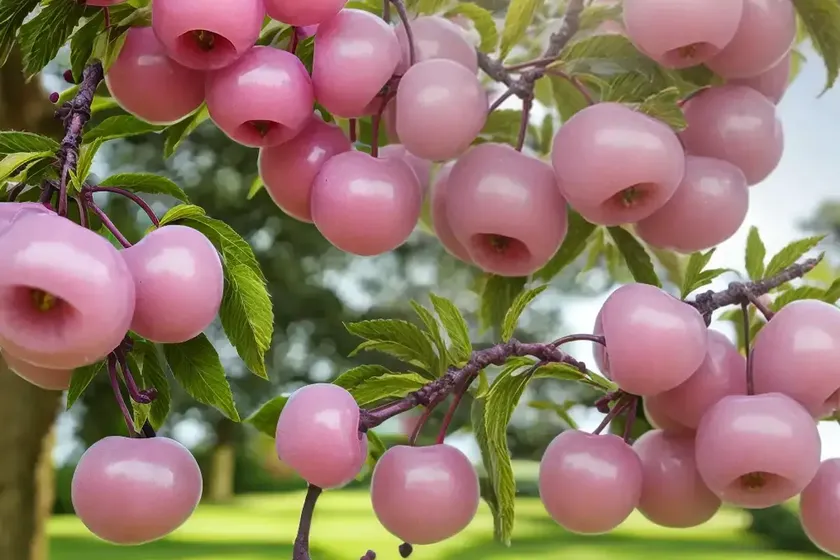
Introduction
Prunus avium ‘Stella’, commonly known as the Sweet Cherry, is a popular fruit-bearing tree that bears delicious, succulent cherries. As a plant scientist, I am excited to delve into the various aspects of this fascinating plant, from its cultural requirements to its propagation and maintenance. In this comprehensive guide, we will explore the key characteristics, uses, cultivation methods, common diseases, and much more related to the Prunus avium ‘Stella’ tree.
Key Takeaways – Prunus avium ‘Stella’ (Sweet Cherry)
Before we delve deeper into the various aspects of Prunus avium ‘Stella’, let’s take a quick look at the key takeaways regarding this sweet cherry cultivar.
- Plant Name: Prunus avium ‘Stella’ (Sweet Cherry)
- Cultural Requirements: Water, Sunlight, Fertilizer, Soil, Pruning
- Propagation: Methods and Considerations
- Container Cultivation: Growing in Pots and Containers
- Common Diseases: Identification and Prevention
- Common Pests: Mitigation Strategies
- Botanist’s Tips: Expert Recommendations for Growing and Caring for Prunus avium ‘Stella’
- Fun Facts: Interesting Tidbits and Trivia
- Links to External Resources: Further Reading and References
Now, let’s dive into each of these aspects in detail to gain a comprehensive understanding of Prunus avium ‘Stella’ and how to cultivate and care for this delightful cherry tree.
What is Prunus avium?
Prunus avium, commonly referred to as wild cherry or sweet cherry, is a species of cherry native to Europe, Western Turkey, and the Caucasus. It belongs to the Rosaceae family and is known for its delicious, edible fruit. The ‘Stella’ cultivar of Prunus avium is particularly prized for its exceptional fruit quality and reliable bearing.
Cultivar Overview: Prunus avium ‘Stella’ (Sweet Cherry)
- Scientific Name: Prunus avium ‘Stella’
- Common Name: Sweet Cherry
- Mature Height: 3-4 meters
- Growth Habit: Upright, Deciduous Tree
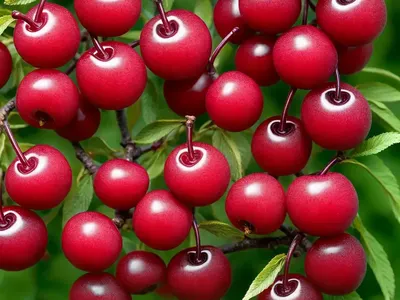
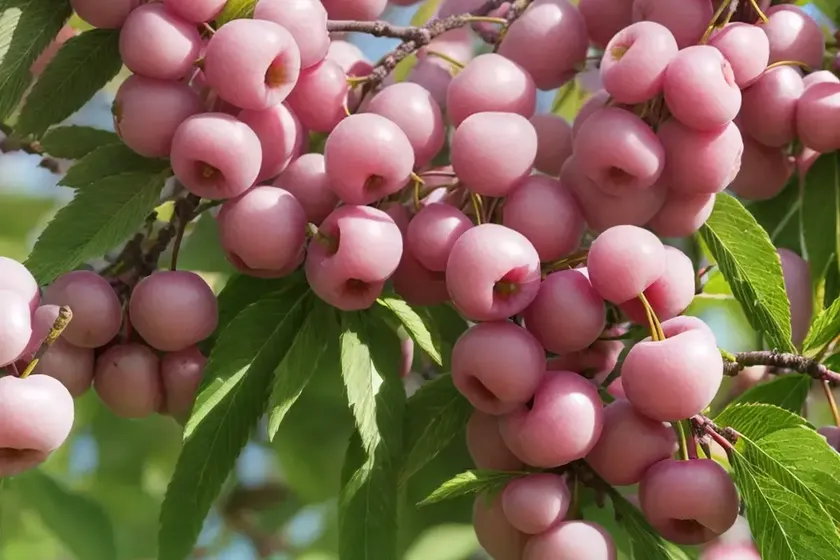
- Fruit: Dark red to black cherries, sweet and flavorful
- Hardiness Zone: 5-8
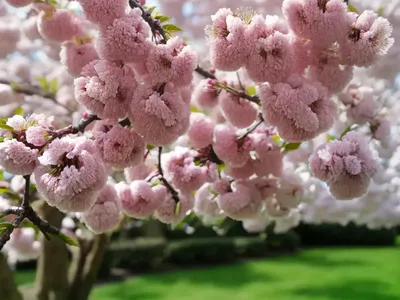
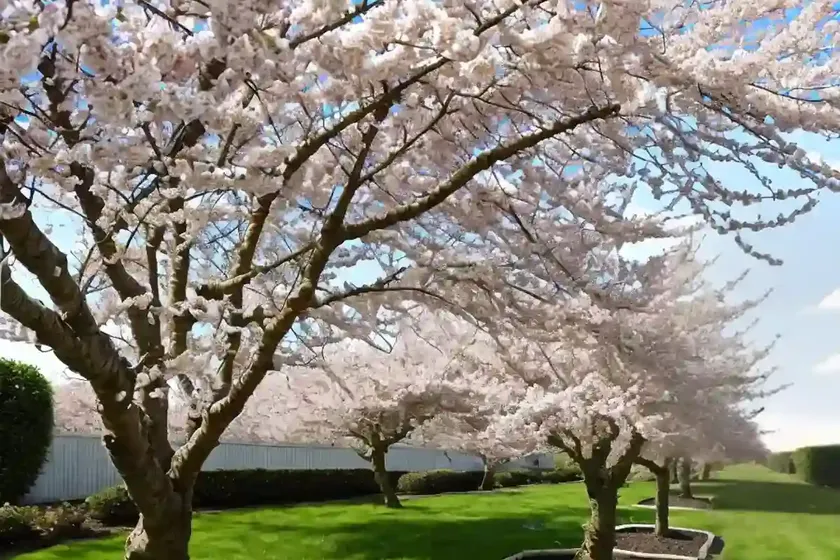
- Flowering: Showy white blossoms in spring
- Pollination: Self-fertile, but benefits from cross-pollination
- Harvest: Mid to Late Summer
Culture
Water
Proper watering is essential for the healthy growth and fruit production of Prunus avium ‘Stella’. Here are some important considerations:
- Establishment Phase: Newly planted trees require regular watering to aid in root establishment. Ensure that the soil remains consistently moist, but not waterlogged, during the first growing season.
- Mature Trees: Once established, sweet cherry trees generally require approximately 1-2 inches of water per week, either through rainfall or supplemental irrigation.
- Soil Moisture: It is important to monitor soil moisture levels, particularly during dry periods, to prevent water stress and promote optimal fruit development.
Sunlight
Proper sunlight exposure is crucial for the growth, fruiting, and overall health of Prunus avium ‘Stella’ trees:
- Full Sun: Sweet cherry trees thrive in full sun, requiring at least 6-8 hours of direct sunlight daily for vigorous growth and bountiful fruit production.
Fertilizer
Appropriate fertilization plays a significant role in enhancing the growth and fruiting capabilities of Prunus avium ‘Stella’:
- Annual Fertilization: In early spring, apply a balanced fertilizer, such as a 10-10-10 formulation, according to the manufacturer’s instructions to promote healthy growth and fruit development.
- Organic Amendments: Incorporating well-rotted compost around the base of the tree can contribute to soil fertility and provide essential nutrients.
Soil
The soil composition and quality greatly influence the development and productivity of Prunus avium ‘Stella’ trees:
- Well-Drained Soil: Cherry trees prefer well-drained, loamy soil with good aeration to prevent waterlogging and root rot.
- Soil pH: Aim for a slightly acidic to neutral soil pH in the range of 6.0-7.0 for optimum nutrient uptake and overall tree health.
Pruning
Proper pruning is essential for maintaining the structure, promoting fruiting, and removing diseased or damaged wood:
- Annual Pruning: Conduct annual pruning during the dormant season to shape the tree, encourage airflow, and remove dead or overcrowded branches.
- Thinning: Thinning the fruit clusters in early summer helps in producing larger and higher-quality cherries.
Uses
The Prunus avium ‘Stella’ tree offers a range of uses, making it a valuable addition to home gardens and orchards:
- Fruit Production: The primary attraction of sweet cherry trees is their bountiful fruit production, providing delectable cherries for fresh consumption, baking, and preserves.
- Ornamental Value: In addition to its fruit-bearing capabilities, the showy blossoms of Prunus avium ‘Stella’ add ornamental appeal to the landscape, especially during the spring flowering season.
Propagation
Prunus avium ‘Stella’ can be propagated through several methods, including:
- Grafting: Budding or grafting onto suitable rootstock is a common propagation method for ensuring the desirable attributes of the ‘Stella’ cultivar.
- Seed Propagation: While possible, propagation from seed is less common, as it may not yield the exact characteristics of the parent tree and can take longer to bear fruit.
Container Cultivation
For individuals with limited space, growing Prunus avium ‘Stella’ in containers can be a viable option:
- Large Containers: Select spacious containers with adequate drainage to accommodate the tree’s growth and root development.
- Growing Medium: Utilize a well-draining potting mix suitable for fruit trees, and ensure that the container is placed in a sunny location to promote optimal growth.
Popularity
The ‘Stella’ cultivar of Prunus avium is highly esteemed for its exceptional fruit quality and ease of cultivation, making it a popular choice for both home gardeners and commercial orchards.
Common Diseases
Prunus avium ‘Stella’ is susceptible to certain diseases that can impact its overall health and fruit production. Common diseases include:
- Brown Rot: A fungal disease that causes the fruit to rot, typically in humid conditions. Regular sanitation and fungicidal treatments can aid in prevention.
- Leaf Spot: Fungal infections can lead to the development of leaf spots, affecting the overall vigor of the tree. Proper airflow and fungicidal sprays can mitigate leaf spot issues.
- Bacterial Canker: This bacterial disease can lead to sunken, dark lesions on the bark and cankers on branches. Pruning and removal of affected wood are essential control measures.
Disease Diagnosis
Prompt diagnosis of diseases is crucial for implementing effective control measures and promoting tree health:
- Symptom Recognition: Familiarize yourself with the typical symptoms of common cherry tree diseases, including leaf discoloration, fruit rot, and bark lesions.
- Professional Consultation: If unsure about a specific disease diagnosis, seek advice from horticultural experts or plant pathologists for accurate identification and treatment recommendations.
Common Pests
Several pests can pose a threat to Prunus avium ‘Stella’, affecting both the foliage and fruit. Common pests include:
- Aphids: These sap-sucking insects can distort new growth and stunt the overall growth of the tree. Natural predators and insecticidal soaps can help control aphid populations.
- Cherry Fruit Fly: The larvae of this pest can cause significant damage to the fruit. Monitoring and targeted insecticide applications can aid in managing cherry fruit fly infestations.
- Scale Insects: Scale insects can affect both leaves and fruit, leading to reduced vigor and yield. Horticultural oils or insecticidal sprays can be employed for scale control.
Botanist’s Tips
As a plant scientist with a passion for sweet cherry trees, I have compiled some valuable tips for successful cultivation and care of Prunus avium ‘Stella’:
- Cross-Pollination: While ‘Stella’ is self-fertile, planting another compatible cherry tree nearby can enhance fruit set and yield.
- Winter Care: Protect cherry trees from extreme cold and frost to prevent damage to flower buds and young fruit.
- Pruning Techniques: Learn and apply proper pruning techniques to maintain a balanced tree structure and encourage fruiting.
- Pest Monitoring: Regularly monitor for pests and manage infestations promptly to minimize damage to the tree and fruit.
Fun Facts
Here are some intriguing and lesser-known facts about Prunus avium ‘Stella’ and sweet cherry trees in general:
- The Sweet Cherry, Prunus avium, is believed to have originated in the area between the Black and Caspian Seas.
- Sweet cherries are rich in antioxidants, vitamins, and dietary fiber, offering numerous health benefits.
- Cherries belong to the same family as peaches, plums, apricots, and almonds, known as the Rosaceae family.
Links to External Resources
For further information on Prunus avium ‘Stella’ and its cultivation, diseases, and maintenance, I recommend exploring the following reputable resources:
- Royal Horticultural Society (RHS) – Growing Cherries
- University of California Division of Agriculture and Natural Resources – Fruit and Nut Research & Information
- United States Department of Agriculture (USDA) – Plant Hardiness Zone Map
By referencing these resources, you can access a wealth of expert knowledge and practical guidance for successfully growing and caring for Prunus avium ‘Stella’ sweet cherry trees.
In conclusion, Prunus avium ‘Stella’ is a delightful and rewarding addition to gardens and orchards, offering delicious fruit and ornamental beauty. By understanding its cultural requirements, propagation methods, disease management, and expert tips, individuals can effectively cultivate and cherish the sweet and flavorful bounty of the ‘Stella’ cherry tree.