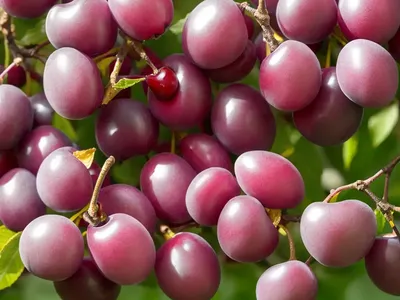
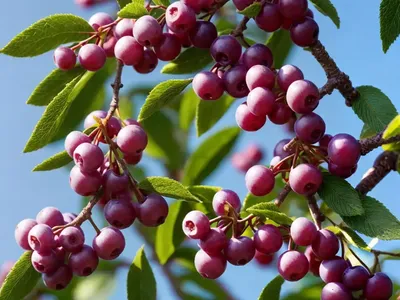
Sweet Cherry (Cerasus Avium)
Sweet cherry (Cerasus avium) is a delightful addition to any garden, prized for its delicious fruit and beautiful blossoms. Whether you are a seasoned.
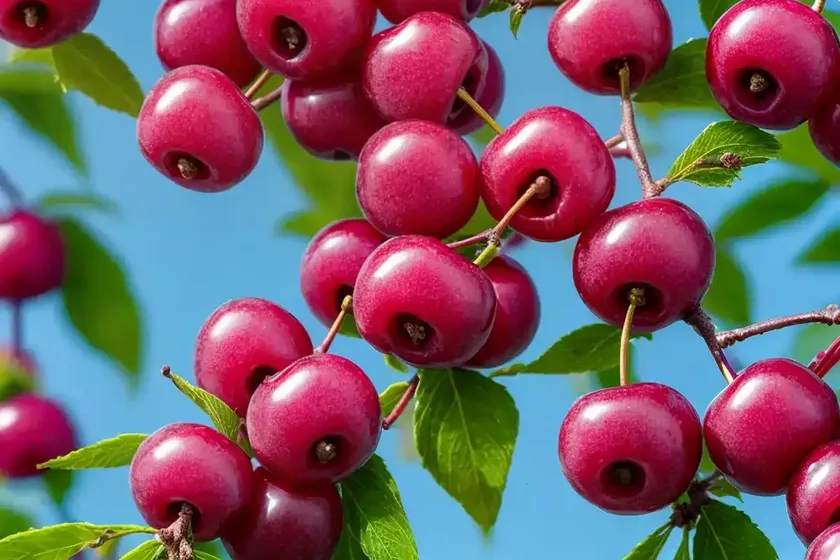
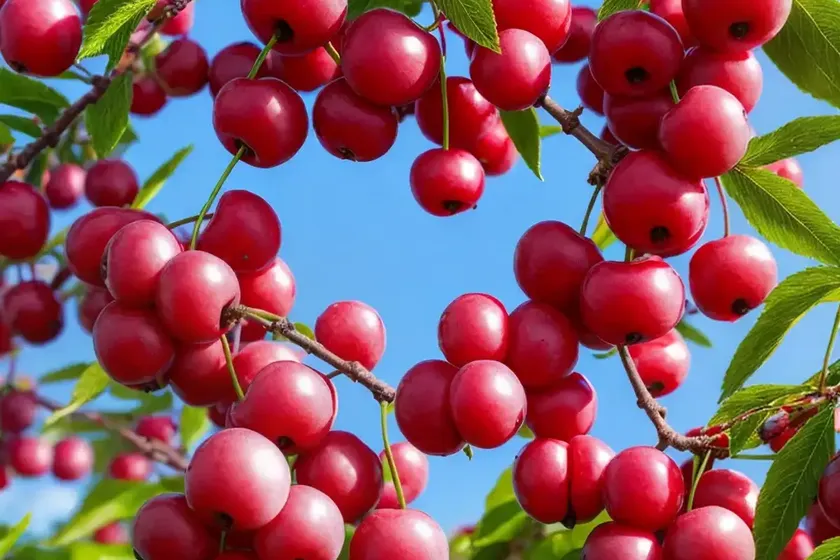
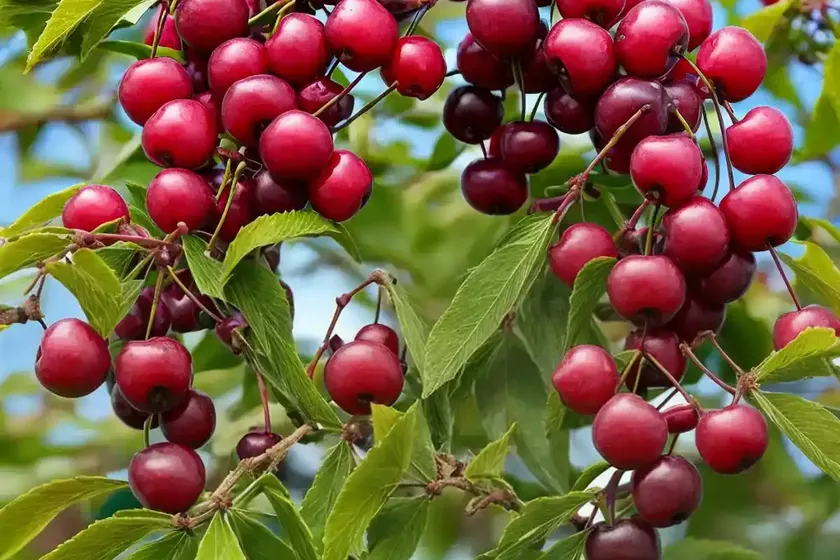
Sweet cherry (Cerasus avium) is a delightful addition to any garden, prized for its delicious fruit and beautiful blossoms. Whether you are a seasoned gardener or a novice looking to try your hand at fruit cultivation, this comprehensive guide will equip you with all the knowledge you need to successfully grow sweet cherry trees in your own backyard.
What is Sweet Cherry (Cerasus Avium)?
Sweet cherry, scientifically known as Cerasus avium, is a species of cherry native to Europe, western Asia, and parts of northern Africa. It belongs to the Rosaceae family, which includes many other economically important fruit-bearing plants. The sweet cherry tree is known for its stunning display of white blossoms in the spring and its delectable, heart-shaped fruits that ripen in early summer.
Key Takeaways – Sweet Cherry (Cerasus Avium)
- Scientific Name: Cerasus avium
- Common Name: Sweet Cherry
- Family: Rosaceae
- Native Habitat: Europe, western Asia, northern Africa
- Fruit Type: Drupe
- Blooming Season: Spring
- Fruit Harvesting Season: Early summer
Culture: Growing Sweet Cherry (Cerasus Avium)
Uses
The sweet cherry tree is primarily grown for its delicious fruit. Sweet cherries are enjoyed fresh, can be used in cooking and baking, and are often preserved through methods such as canning or freezing to enjoy throughout the year.
Water
Adequate water is essential for the healthy growth and fruit production of sweet cherry trees. While they are relatively drought-tolerant once established, consistent watering, especially during dry spells and periods of fruit development, is important.
- Newly planted sweet cherry trees should be watered deeply, providing enough moisture to keep the root ball consistently moist but not waterlogged.
- Once established, sweet cherry trees generally benefit from an inch of water every week, either from rain or supplemental watering.
Sunlight
Sweet cherry trees thrive in full sun, requiring at least six to eight hours of direct sunlight per day to produce an abundant crop of fruit. Planting in a location with ample sunlight exposure is vital for the tree’s overall health and productivity.
Fertilizer
Fertilizing sweet cherry trees is essential to support their growth, fruiting, and overall vigor. The application of a balanced fertilizer can help meet the nutritional needs of the trees.
- Timing: Fertilize sweet cherry trees in early spring before new growth begins and then again in late spring or early summer.
- Type: A balanced, slow-release fertilizer specifically formulated for fruit trees is ideal.
- Application: Spread the fertilizer evenly around the tree, ensuring it is kept a few inches away from the trunk. Water the area thoroughly after applying the fertilizer.
Soil
The soil in which sweet cherry trees are planted plays a critical role in their overall health and productivity. Well-draining soil that is rich in organic matter is key to supporting the growth of healthy cherry trees.
- pH Level: Sweet cherry trees prefer slightly acidic soil with a pH range of 6.0 to 6.8.
- Composition: Loamy soil with good drainage is ideal for sweet cherry trees. Amending heavy clay soil with organic matter can improve its drainage and structure.
- Soil Testing: Conducting a soil test can provide valuable insights into the composition of the soil and its pH level, guiding necessary amendments before planting.
Pruning
Pruning is an important aspect of sweet cherry tree care, helping to maintain tree health, shape, and fruit production.
- Timing: Prune sweet cherry trees during the dormant season, typically in late winter or early spring before bud break.
- Objectives: Pruning aims to remove dead, diseased, or crossing branches, open up the canopy for better air circulation and light penetration, and shape the tree for optimal fruit production.
- Techniques: Employ proper pruning techniques, including making clean cuts and avoiding over-pruning, to encourage the growth of new wood and the development of fruiting spurs.
Propagation
Propagating sweet cherry trees is commonly achieved through grafting or budding onto suitable rootstocks. This allows for the creation of new trees with desirable traits or the replication of exceptional cultivars.
- Grafting: Whip and tongue grafting or other compatible grafting methods are used to join a scion (desired cultivar) to a suitable rootstock.
- Budding: T-budding or chip budding are popular methods of sweet cherry propagation.
Container Popularity
While sweet cherry trees are typically grown in orchards or home gardens, they can also be cultivated in containers, making them suitable for urban environments and smaller spaces.
- Container Size: Use a large container with adequate drainage holes to accommodate the growing tree and its root system.
- Soil: Employ well-draining, loamy potting mix to provide an optimal growing medium for the sweet cherry tree in a container.
- Placement: Position the container in a location that receives ample sunlight and ensure the tree is adequately watered and fertilized.
Common Diseases of Sweet Cherry (Cerasus Avium)
Disease Diagnosis
Spotting and addressing diseases early is crucial to maintaining the health and productivity of sweet cherry trees.
- Common Diseases: Sweet cherry trees can be susceptible to diseases such as powdery mildew, brown rot, leaf spot, and bacterial canker.
- Symptom Identification: Monitor the tree for signs of abnormal leaf discoloration, spotting, wilting, or unusual growth patterns.
- Treatment: Employ appropriate fungicides or cultural practices to manage and prevent the spread of diseases.
Common Pests
Pests can pose a significant threat to the health and fruit production of sweet cherry trees, making regular monitoring and pest management practices essential.
- Key Pests: Aphids, mites, cherry fruit fly, and scale insects are common pests that can infest sweet cherry trees.
- Monitoring: Regularly inspect the tree for pest infestations, paying close attention to the leaves, fruit, and branches.
- Control Measures: Employ integrated pest management strategies, including the use of insecticidal soaps, horticultural oils, and natural predators to manage pest populations.
Botanist’s Tips for Growing Sweet Cherry Trees
Best Practices
Implementing best practices can ensure the successful cultivation and maintenance of sweet cherry trees.
- Site Selection: Choose a sunny, well-drained location for planting sweet cherry trees, providing them with the optimal growing conditions.
- Pruning Techniques: Adhere to proper pruning techniques to maintain tree health and encourage productive fruiting.
- Integrated Pest Management: Embrace a holistic approach to pest management, emphasizing natural predators and minimal chemical interventions wherever possible.
Fun Facts about Sweet Cherry (Cerasus Avium)
- The sweet cherry tree is believed to have originated in the area between the Black and Caspian Seas and was spread throughout the Mediterranean by the Romans.
- Cherries are high in antioxidants, particularly anthocyanins, which are responsible for the vibrant red color of many cherry varieties.
- Sweet cherries are classified as a ‘stone fruit,’ alongside other fruits such as peaches, plums, and apricots, due to their large, hard pits or stones.
As we delve deeper into the cultivation of sweet cherry trees, we uncover a myriad of fascinating details about their biology, growth habits, and practical aspects of care.
For further exploration, here are some valuable external resources that provide detailed insights into sweet cherry cultivation, health benefits, and more:
- University of California Agriculture & Natural Resources – Cherries: Botany, Production and Uses
- National Gardening Association – Growing Cherries
- Royal Horticultural Society – Growing Cherries
As we progress, we will continue to unravel the intricacies of sweet cherry cultivation, addressing topics ranging from cherry tree varieties to best practices for successful fruit production.
Feel free to explore these credible resources for a deeper understanding of sweet cherry cultivation and its various aspects.
In the upcoming segments, we will delve into the nuances of sweet cherry tree varieties, their specific cultivation requirements, and strategies for managing and preventing common pests and diseases that can impact the health and productivity of cherry trees. Additionally, we will explore the nutritional value of sweet cherries and their potential uses beyond the realm of gastronomy. Join me as we embark on a comprehensive journey through the realm of sweet cherries and their cultivation.