Prunus Avium ‘Lapins’ (Sweet Cherry)
Prunus avium, commonly known as the sweet cherry, is a species of cherry that is native to Europe and Western Asia. The ‘Lapins’ variety is particularly.
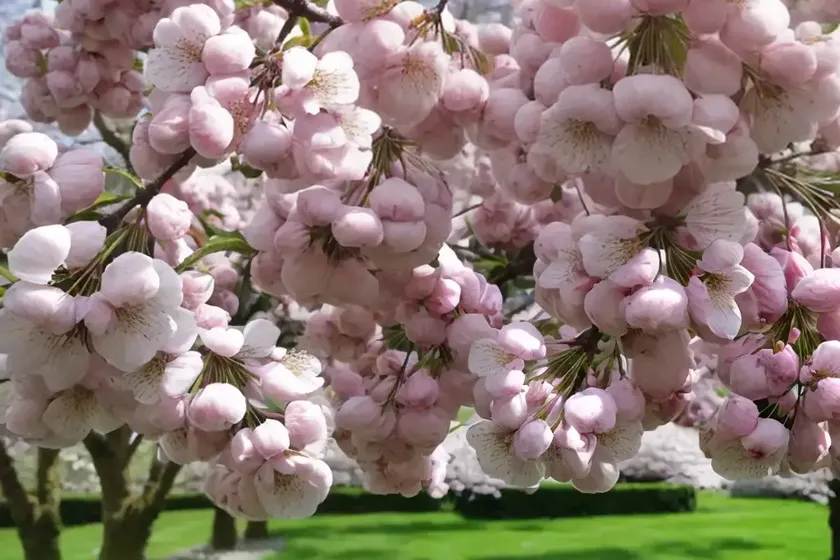
Prunus avium, commonly known as the sweet cherry, is a species of cherry that is native to Europe and Western Asia. The ‘Lapins’ variety is particularly favored for its exceptional taste and reliable performance. In this guide, we will delve into the characteristics, cultivation, care, and maintenance of Prunus avium ‘Lapins’, providing an in-depth understanding of this delightful fruit tree.
What is Prunus avium ‘Lapins’?
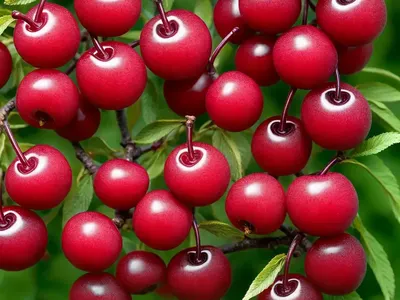
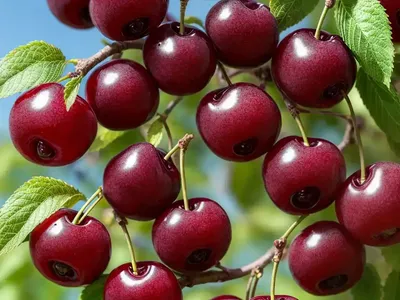
Sweet Cherry ‘Lapins’, scientifically referred to as Prunus avium ‘Lapins’, is a deciduous fruit tree that belongs to the Rosaceae family. ‘Lapins’ is renowned for its large, dark red fruits with excellent flavor and firm texture. This variety is self-fertile, which means it does not require a second pollinator tree for fruit production, making it an ideal choice for home gardeners with limited space.
Prunus avium ‘Lapins’ Characteristics
- Scientific Name: Prunus avium ‘Lapins’
- Common Name: Sweet Cherry ‘Lapins’
- Family: Rosaceae
- Fruit Color: Dark red
- Fruit Flavor: Rich and sweet
- Bearing: Heavy and consistent
- Pollination: Self-fertile
Key Takeaways – Prunus avium ‘Lapins’
Before we delve into the cultivation and care of Prunus avium ‘Lapins’, let’s summarize the key takeaways that this guide will cover:
- Culture
- Uses
- Water
- Sunlight
- Fertilizer
- Soil
- Pruning
- Propagation
- Container Popularity
- Container Common Diseases
- Disease Diagnosis
- Common Pests
- Botanist’s Tips
- Fun Facts
- Links to External Resources
Now, let’s explore each of these aspects in detail.
Culture
Uses
Sweet Cherry ‘Lapins’ is primarily grown for its delectable fruits. It is a popular choice for fresh eating, canning, and preserving. The fruits can also be used in baking, desserts, and various culinary applications.
Water
Proper watering is crucial for the health and productivity of Prunus avium ‘Lapins’. While the tree is establishing its root system, it requires regular watering. Once established, the tree generally requires around 1-2 inches of water per week, especially during dry periods and fruit development.
Sunlight
Prunus avium ‘Lapins’ thrives in full sunlight. It should be planted in a location that receives at least 6-8 hours of direct sunlight per day to ensure optimal fruit production and quality.
Fertilizer
Applying a balanced fertilizer in early spring, before new growth begins, can help promote healthy foliage, blossoms, and fruit. A fertilizer with an N-P-K ratio of 10-10-10 or similar can provide the necessary nutrients for robust growth and fruit development.
Soil
The ideal soil for Sweet Cherry ‘Lapins’ is well-draining, loamy soil with a slightly acidic to neutral pH. The presence of organic matter in the soil can enhance its fertility and structure, supporting the vigorous growth of the cherry tree.
Pruning
Pruning plays a crucial role in the development and maintenance of Prunus avium ‘Lapins’. Proper pruning techniques can help create an open canopy, improve air circulation, and ensure the production of high-quality fruits. Usually, pruning is carried out during the dormant season in late winter to early spring.
Pruning Techniques
- Removing Suckers: Regularly remove any suckers or water sprouts to direct the tree’s energy towards fruit production rather than vegetative growth.
- Thinning Fruits: Thinning the fruit clusters to allow proper spacing between fruits can promote larger and healthier cherries.
- Training Young Trees: Establishing the desired framework of the cherry tree during its early years can contribute to a strong and well-structured tree.
Propagation
Prunus avium ‘Lapins’ can be propagated through various methods, including grafting, budding, and cuttings. Grafting onto suitable rootstocks is a common practice for propagating sweet cherry trees, ensuring the desired characteristics, such as disease resistance and tree vigor.
Container Popularity
The compact nature of some cherry tree varieties, including ‘Lapins’, makes them suitable for container cultivation. This allows gardeners with limited space, such as patios or balconies, to enjoy growing their own cherries.
Container Common Diseases
When growing Prunus avium ‘Lapins’ in containers, it is important to be mindful of common diseases such as:
- Root Rot: Overwatering in containers can lead to root rot, which can be detrimental to the health of the cherry tree.
- Anthracnose: This fungal disease can affect the leaves and fruits of cherry trees, causing dark lesions and fruit rot.
Disease Diagnosis
Being able to identify and diagnose diseases is essential for maintaining the health of Prunus avium ‘Lapins’. Regular monitoring of the tree’s foliage, blossoms, and fruits can help detect potential diseases at an early stage, allowing for timely intervention and management.
Common Pests
Cherry trees, including ‘Lapins’, are susceptible to various pests that can impact their growth and fruit production. Common pests that may affect sweet cherry trees include:
- Cherry Fruit Flies
- Aphids
- Scale Insects
- Spider Mites
- Caterpillars
Implementing integrated pest management practices can help mitigate pest infestations and protect the cherry tree from potential damage.
Botanist’s Tips
Here are some valuable tips from botanists and horticulturists for successfully growing and maintaining Prunus avium ‘Lapins’:
- Prune Wisely: Proper pruning can enhance fruit quality and tree health. Learn and practice appropriate pruning techniques.
- Adequate Pollination: While ‘Lapins’ is self-fertile, ensuring the presence of pollinator plants nearby can improve fruit set and yield.
- Pest Monitoring: Regularly inspect the cherry tree for signs of pest activity and take proactive measures to manage potential infestations.
- Fruit Thinning: Thinning the fruits when they are young can prevent overcrowding and promote the development of larger and healthier cherries.
Fun Facts
- The name “Lapins” means “rabbits” in French, which adds a touch of charm to this cherry variety.
- Sweet Cherries are not only delicious but also packed with nutrients, including antioxidants and vitamins.
Links to External Resources
To further enrich your knowledge about Prunus avium ‘Lapins’ and cherry tree cultivation, explore the following resources:
- University of California, Agriculture and Natural Resources – Backyard Orchard: Sweet Cherries
- Washington State University Extension – Growing Cherries in the Home Garden
- The Royal Horticultural Society – Growing Cherries
The provided resources offer valuable insights into cherry tree care, pest management, and cultivation techniques tailored for home gardeners and enthusiasts.
By delving into the characteristics, cultivation, and care of Prunus avium ‘Lapins’ (Sweet Cherry), we’ve gained a comprehensive understanding of this delightful fruit tree and its management. Whether you’re planning to grow a cherry tree in your home garden or seeking to enhance your horticultural knowledge, the information provided serves as a valuable resource for enthusiasts and green thumbs alike. With proper care and attention, you can savor the bountiful harvest of luscious and flavorful cherries from your very own ‘Lapins’ sweet cherry tree.