Princesstree (Paulownia Tomentosa)
Plants have always held a special place in human society. From their aesthetic appeal to their ecological significance, plants nourish and sustain life in.


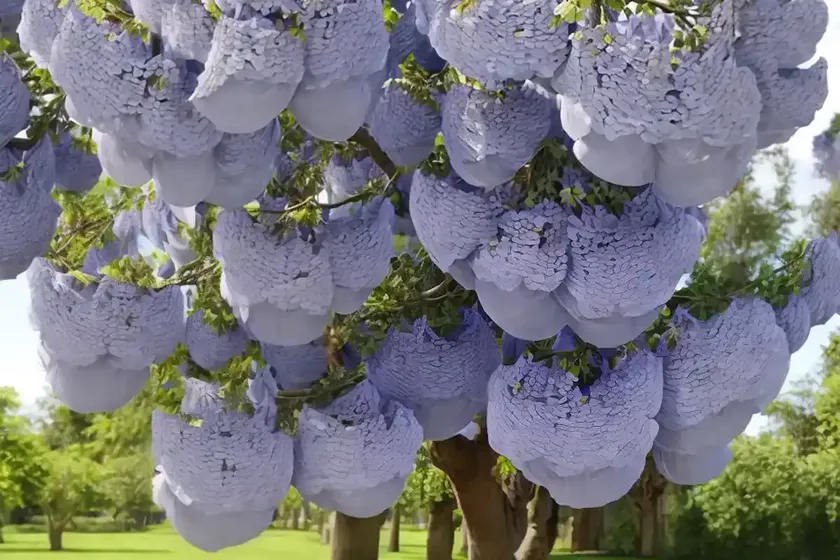
Plants have always held a special place in human society. From their aesthetic appeal to their ecological significance, plants nourish and sustain life in various ways. Among the myriad plant species that adorn our planet, one that particularly stands out with its regal presence is the Princesstree, also known as Paulownia tomentosa. With its remarkable attributes and versatile uses, this deciduous tree has earned its place as a favorite among gardeners, environmentalists, and nature enthusiasts alike.
What is Princesstree (Paulownia tomentosa)?
Princesstree, scientifically referred to as Paulownia tomentosa, is a species of fast-growing, deciduous tree native to China. Belonging to the family Paulowniaceae, this tree is known by many other names, including Empress tree, Princess tree, Royal empress tree, Foxglove tree, Royal paulownia, Kiri tree, and many more. Its botanical name “Paulownia” honors Anna Pavlovna of Russia, while the specific epithet “tomentosa” refers to the dense, woolly hairs on the underside of its leaves. Princesstree has been cultivated for centuries due to its rapid growth, beautiful violet flowers, and valuable timber, which find application in various industries.
Key Takeaways – Princesstree (Paulownia tomentosa)
Before delving into the specific aspects of Princesstree culture, uses, and maintenance, let’s summarize the key takeaways about this remarkable plant:
- Botanical Name: Paulownia tomentosa
- Other Common Names: Empress tree, Princess tree, Royal empress tree, Foxglove tree, Royal paulownia, Kiri tree
- Growth Attributes: Fast-growing, deciduous, shade tree, nitrogen-fixing, prolific bloomer
- Uses: Ornamental, timber production, erosion control, habitat restoration, biomass production, woodworking
- Cultural Needs: Well-drained soil, ample sunlight, moderate watering, periodic pruning
- Special Features: Fragrant flowers, large leaves, rapid growth, low maintenance, disease and pest resistance
Now, let’s delve deeper into the various aspects of Princesstree, from its culture and uses to common diseases and pests that may affect its growth.
Water
Princesstrees are remarkably resilient and adaptable to various soil and moisture conditions. However, they thrive best in well-drained soil, especially during their early years of growth. Adequate soil moisture is essential for young trees, particularly during dry spells, to promote healthy root development and robust growth. Once established, Princesstrees exhibit moderate drought tolerance, making them suitable for regions with sporadic rainfall or limited watering capabilities. While they are hardy in the face of drought, providing regular water during dry periods can contribute to the optimal growth and vigor of these trees.
Sunlight
Being a deciduous tree, Princesstree flourishes in full sunlight. It requires at least six to eight hours of direct sunlight daily to fuel its vigorous growth and abundant flowering. Planting Princesstrees in open, sunny locations ensures that they receive the necessary light for photosynthesis and overall vitality. Additionally, ample sunlight contributes to the development of large, lush leaves and the profusion of violet flowers that adorn the tree during the spring season.
Fertilizer
When it comes to fertilizing Princesstrees, a balanced approach is crucial. During the initial stages of growth, a light application of a well-balanced, slow-release fertilizer can provide the necessary nutrients for young trees to establish healthy roots and shoots. However, once the tree is well-established, it requires minimal fertilization, as excessive nutrients can stimulate rapid growth at the expense of structural strength. Instead, opting for organic mulches or compost around the base of the tree can provide a steady release of nutrients while enhancing soil fertility and moisture retention.
Soil
Princesstrees exhibit remarkable adaptability to a wide range of soil types, including sandy, loamy, and clay soils, provided they are well-drained. While these trees can thrive in various soil pH levels, they tend to prefer slightly acidic to neutral soils. Ensuring proper soil drainage is crucial to prevent waterlogging, which can lead to root rot and other adverse effects on tree health. Amending heavy clay soils with organic matter and ensuring proper aeration can further optimize the soil conditions for Princesstree growth.
Pruning
Pruning plays a vital role in shaping the growth and form of Princesstrees, especially during their early years. Regular pruning can help develop a strong, well-branched structure while removing any dead, damaged, or crossing branches. Additionally, selective pruning can encourage a more open canopy, allowing sunlight to penetrate and promote air circulation within the tree, thus reducing the risk of disease and pest infestations. Inspecting the tree annually and selectively pruning as needed can help maintain its health and aesthetic appeal while managing its size and form within the garden or landscape.
Ornamental
One of the primary uses of Princesstree lies in its ornamental value. Known for its spectacular display of fragrant, violet flowers in the spring and large, lush leaves, this tree adds a touch of elegance and grandeur to any landscape. Its fast growth rate and broad canopy make it an ideal choice for providing shade and creating a stunning focal point in gardens, parks, and urban landscapes. The striking contrast of its foliage and flowers against the backdrop of the changing seasons further enhances its visual appeal, making it a sought-after ornamental tree for landscaping and garden design.
Timber Production
Beyond its ornamental allure, Princesstree holds immense commercial value due to the quality of its timber. The wood of Paulownia tomentosa is renowned for its lightweight, fine texture, and resistance to rot, making it highly sought after for various woodworking applications. It finds extensive use in crafting furniture, musical instruments, cabinetry, and specialty items such as surfboards and wooden boxes. The rapid growth of Princesstree contributes to its sustainability as a timber source, offering an eco-friendly alternative to slower-growing hardwood species for wood-based industries.
Erosion Control
The rapid growth and extensive root system of Princesstree make it an effective ally in erosion control efforts. Planting these trees along hillsides, riverbanks, and other vulnerable areas can help stabilize the soil and prevent erosion, especially in regions prone to heavy rainfall or wind erosion. The dense network of roots provides structural reinforcement to the soil, reducing the risk of landslides and preserving the integrity of the landscape. Additionally, the broad leaves and canopy of the tree intercept rainfall, minimizing the impact of water runoff and soil displacement.
Habitat Restoration
In ecological restoration projects, Princesstree plays a crucial role in re-establishing and diversifying natural habitats. Its fast growth and ability to thrive in various soil conditions make it an ideal candidate for afforestation initiatives aimed at restoring degraded ecosystems. By providing shelter, food, and nesting sites for diverse wildlife, including birds, insects, and small mammals, Princesstree contributes to the restoration of ecological balance and the conservation of biodiversity in both urban and natural landscapes.
Biomass Production
The rapid and prolific growth of Princesstree makes it a promising candidate for biomass production. As a fast-growing, renewable source of woody biomass, this tree can serve as a sustainable raw material for bioenergy production, such as the generation of heat, electricity, and biofuels. Cultivating Princesstrees in dedicated plantations for biomass production presents an environmentally friendly solution to meet energy demands while mitigating carbon emissions and reducing reliance on non-renewable fossil fuels.
Woodworking
The quality of Paulownia tomentosa wood extends beyond its commercial applications, making it a preferred choice for woodworking enthusiasts and artisans. The lightweight nature and fine grain of Princesstree wood lend themselves to a wide range of crafting and creative endeavors. Woodworkers and artisans use it for carving, turning, and crafting intricate designs due to its ease of working and finishing. Its pale, uniform color and smooth texture provide a versatile canvas for creating heirloom-quality pieces and artistic expressions.
Propagation by Seeds
Propagating Princesstree through seeds is a popular and straightforward method that yields reliable results. Here’s a step-by-step guide to propagating Princesstree from seeds:
- Seed Collection: Collect mature seeds from the tree during the fall when they are fully developed and ready for propagation.
- Seed Preparation: Remove the seeds from the seed pods and gently clean off any debris or plant material adhering to them.
- Seed Treatment: Scarification, which involves creating small nicks or scratches on the seed coat, can aid in the germination process by allowing water to penetrate the seed more effectively.
- Germination: Sow the scarified seeds in a well-draining, sterile potting mix, ensuring that they are just below the surface of the soil. Water the seeds lightly to maintain consistent moisture levels.
- Growth: Place the pots in a warm, sunny location and maintain adequate moisture to facilitate seed germination. Once the seedlings develop several sets of true leaves, they can be transplanted to larger containers or directly into the garden.
Propagation by Cuttings
Propagating Princesstree through stem cuttings offers a reliable method to preserve the desired traits of the parent plant. Here’s how to propagate Princesstree from cuttings:
- Cutting Selection: Select healthy, semi-hardwood cuttings from the current season’s growth, typically in late spring or early summer. Each cutting should be 6 to 8 inches long and ideally include a node or leaf joint.
- Preparation: Remove the lower leaves from the cuttings, leaving a few leaves at the tip, and dip the cut ends in a rooting hormone to stimulate root development.
- Planting: Insert the cuttings into a well-draining, sterile rooting medium such as perlite or a mix of peat and sand. Water the cuttings lightly and cover the container with a plastic bag or dome to maintain high humidity and promote root growth.
- Rooting: Place the container in a warm, bright location, avoiding direct sunlight, and mist the cuttings periodically to ensure proper moisture levels.
- Transplanting: Once the cuttings develop a healthy root system, they can be transplanted into individual pots or directly into the garden, where they can continue to thrive and grow into mature Princesstrees.
The versatility and adaptability of Princesstrees make them a popular choice for cultivation in containers. Whether in small urban spaces, balconies, or patios, these trees offer a compact yet impactful green addition to the surroundings. Their fast growth, ornamental value, and low maintenance requirements make them well-suited for container cultivation, allowing individuals with limited garden space to enjoy the beauty and benefits of these trees. Moreover, as container plants, Princesstrees can be easily moved to favorable locations to optimize sunlight exposure and aesthetic appeal.
Container Common Diseases
While Princesstrees are generally resilient and resistant to many diseases, they may occasionally be susceptible to certain common ailments when cultivated in containers. Understanding these diseases and their management can help ensure the health and longevity of Princesstrees in containers.
Powdery Mildew
Powdery mildew, caused by fungal pathogens, can appear as white, powdery patches on the leaves and stems of Princesstrees, particularly in humid conditions. To manage powdery mildew in container-grown Princesstrees:
- Cultural Practices: Promote good air circulation around the tree by spacing out containers and ensuring they are not overcrowded. Avoid overhead watering to minimize the risk of moisture accumulation on foliage.
- Fungicidal Treatments: Apply fungicidal sprays or treatments specifically formulated for powdery mildew, following the instructions and safety precautions outlined on the product label.
Root Rot
Excessive moisture and poor drainage in container soils can lead to root rot, a condition caused by fungal pathogens that attack the roots of the tree. To prevent and manage root rot in container-grown Princesstrees:
- Well-Draining Soil: Use a well-draining potting mix and select containers with drainage holes to facilitate excess water removal.
- Water Management: Adopt a balanced watering approach, allowing the soil to slightly dry out between waterings to prevent waterlogged conditions.
Leaf Spot Diseases
Various fungal and bacterial pathogens can cause leaf spot diseases, manifesting as dark or discolored spots on the foliage. To mitigate leaf spot diseases in container-grown Princesstrees:
- Pruning: Remove and dispose of affected plant material to reduce the spread of the disease.
- Sanitation: Maintain clean containers and tools to prevent the transmission of pathogens between plants.
Diagnosing diseases in Princesstrees is essential for implementing targeted management strategies and safeguarding the tree’s health. By familiarizing oneself with the common signs and symptoms of prevalent diseases, individuals can promptly address any underlying issues and prevent the escalation of plant health problems.
Identification of Common Diseases
Powdery Mildew
- Symptoms: Powdery, white patches on leaves and stems, often accompanied by leaf distortion and reduced vigor.
- Diagnosis: Visual observation of characteristic powdery mildew growth and associated symptoms, especially during periods of high humidity.
- Management: Prune affected plant parts, improve air circulation, and consider the application of fungicidal treatments.
Root Rot
- Symptoms: Yellowing, wilting, or stunted growth, often followed by the decay of roots and a foul odor from the soil.
- Diagnosis: Examination of the root system for discoloration, softness, and signs of decay, along with assessment of soil moisture and drainage conditions.
- Management: Adjust watering practices, ensure proper soil drainage, and reduce the risk of waterlogging to prevent root rot.
Leaf Spot Diseases
- Symptoms: Spots or lesions of varying colors and sizes on the foliage, potentially leading to leaf discoloration and premature defoliation.
- Diagnosis: Visual inspection of the leaves for characteristic spots and patterns, along with consideration of environmental factors conducive to leaf spot diseases.
- Management: Prune affected foliage, maintain plant hygiene, and consider the application of appropriate fungicidal or bactericidal treatments.
Disease Management Strategies
Cultural Practices
- Pruning: Regularly inspect the tree for any signs of disease or pest infestation, and promptly prune affected areas to reduce the spread of pathogens.
- Sanitation: Keep the planting area and containers clean and free of debris to minimize the risk of disease recurrence and transmission.
- Water Management: Adopt balanced watering practices, ensuring the soil is moist but not waterlogged, to mitigate the risk of root diseases such as rot.
Organic Treatments
- Neem Oil: Utilize neem oil-based products to manage powdery mildew and other fungal issues while promoting overall plant health.
- Copper-Based Sprays: Consider the application of copper-based fungicides for the prevention and control of various leaf spot diseases.
Environmental Modifications
- Air Circulation: Arrange containers to maximize air movement around the trees and reduce the likelihood of fungal pathogens thriving in still, humid conditions.
- Avoid Overhead Watering: Direct water to the base of the tree or utilize drip irrigation to prevent prolonged moisture on foliage, minimizing the risk of powdery mildew and other leaf diseases.
Princesstrees are generally resilient to pest infestations, owing to their rapid growth and robust constitution. However, they may occasionally encounter certain common pests that can affect their health and vitality. Understanding these pests and their management approaches is crucial for preserving the well-being of Princesstrees and preventing potential damage.
Aphids
Aphids are small, soft-bodied insects that can congregate on the undersides of leaves and feed on plant sap, potentially causing leaf distortion and honeydew secretion. To manage aphids on Princesstrees:
- Physical Removal: Use a strong stream of water to dislodge aphids from the foliage, reducing their population and minimizing damage.
- Beneficial Insects: Introduce natural predators of aphids, such as ladybugs and lacewings, to the environment to help control aphid populations.
Scale Insects
Scale insects can appear as raised, waxy bumps on the stems and foliage of Princesstrees, often leading to weakened growth and vitality. To address scale insect infestations:
- Pruning and Rubbing: Remove heavily infested plant parts and physically rub off scale insects using a soft cloth or brush to reduce their numbers.
- Horticultural Oils: Apply horticultural oils during the dormant season to suffocate overwintering scale insects and disrupt their life cycle.
Caterpillars
Caterpillars, the larval stage of moths and butterflies, can consume foliage and cause defoliation in severe cases. To mitigate caterpillar damage on Princesstrees:
- Manual Removal: Inspect the foliage for caterpillars and manually remove them from the tree, particularly in the early stages of infestation.
- Biological Controls: Introduce natural predators of caterpillars, such as parasitic wasps or predatory insects, to manage their populations effectively.
As a botanist, I have had the privilege of studying and appreciating the inherent beauty and ecological significance of Princesstree (Paulownia tomentosa). Here are some valuable tips to consider for the successful cultivation and management of Princesstrees:
- Site Selection: Choose a well-drained, open site with ample sunlight to plant Princesstrees, ensuring they have sufficient space to develop their broad canopy and root system.
- Regular Monitoring: Periodically inspect the tree for signs of diseases, pests, and structural issues to address any concerns proactively and promote its overall well-being.
- Consistent Care: Maintain a balanced approach to watering, fertilizing, and pruning, taking into account the specific environmental conditions and growth requirements of Princesstrees.
- Eco-Friendly Applications: Embrace the eco-friendly nature of Princesstrees by exploring their potential in biomass production, habitat restoration, and sustainable timber utilization.
Princesstree (Paulownia tomentosa) is not only a remarkable plant with practical applications and aesthetic appeal, but it also boasts fascinating and intriguing attributes that contribute to its allure. Here are some fun facts about Princesstree that showcase its unique characteristics:
- Rapid Growth: Princesstrees are known for their astonishingly rapid growth rate, with some individuals achieving heights of 20 feet or more in just a few years.
- Floral Abundance: The violet, trumpet-shaped flowers of Princesstree create a stunning spectacle in the spring, covering the tree with an abundance of delightful blossoms.
- Timber Quality: The lightweight, fine-grained wood of Princesstree is prized for its versatility, making it an ideal choice for crafting a wide range of products, from musical instruments to surfboards.
- Nitrogen Fixation: Princesstrees possess the exceptional ability to fix atmospheric nitrogen through symbiotic relationships with specific soil bacteria, enriching the soil and promoting ecosystem health.
- Majestic Canopy: The broad, heart-shaped leaves of Princesstree can grow up to 12 inches in width, creating a lux


