Princess Tree (Paulownia Tomentosa)
Princess tree, scientifically known as Paulownia tomentosa, is an exquisite and fast-growing tree species native to China. This majestic tree has gained.
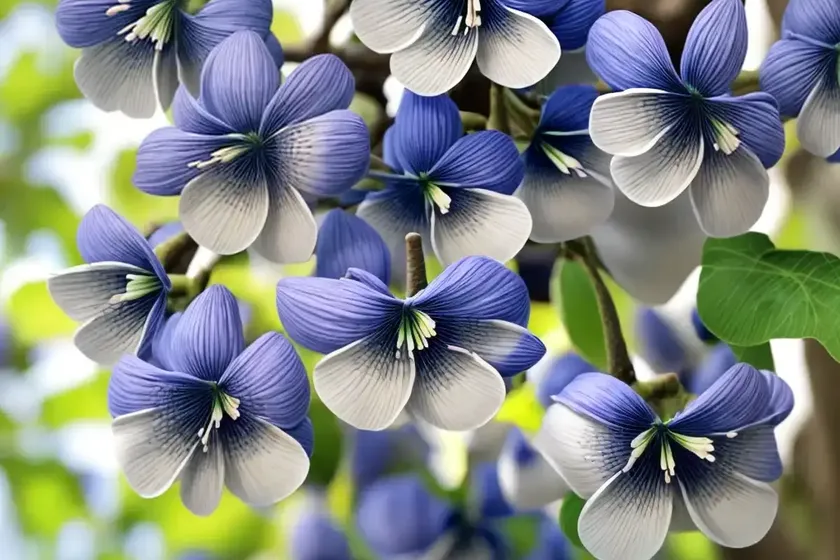
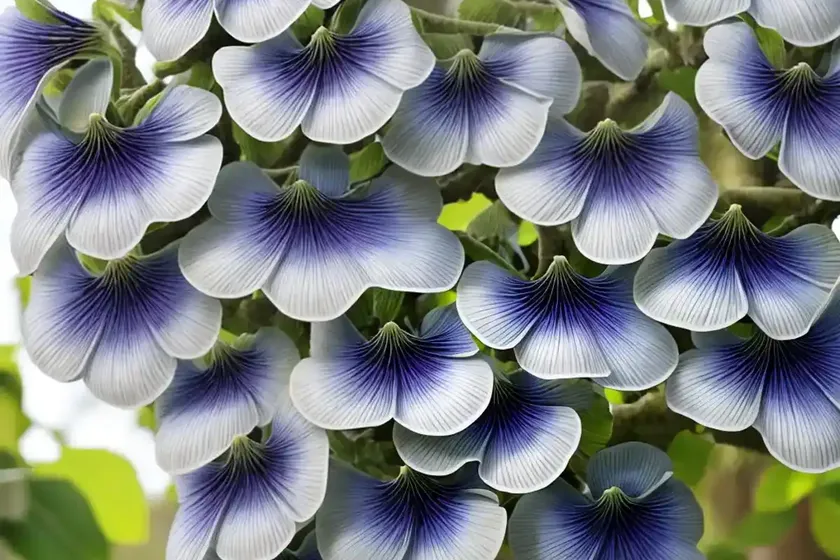
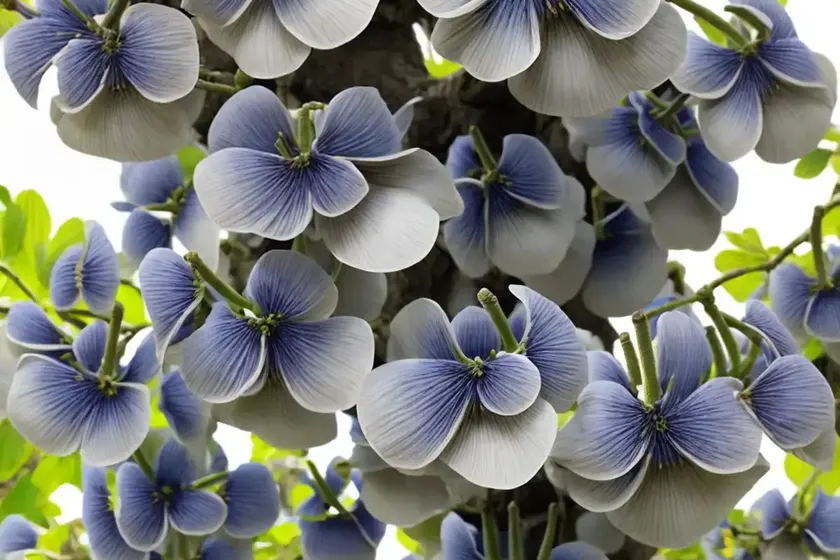
Princess tree, scientifically known as Paulownia tomentosa, is an exquisite and fast-growing tree species native to China. This majestic tree has gained popularity not only for its ornamental value but also for its versatile uses in various fields, such as timber production, medicinal properties, and environmental benefits. In this comprehensive guide, we will delve into the various aspects of the princess tree – from its growth habits and care requirements to its unique characteristics, pests, diseases, and much more.
What is Princess Tree (Paulownia tomentosa)?
Princess tree, or Paulownia tomentosa, belongs to the family Paulowniaceae and is known for its rapid growth and large, heart-shaped leaves. The tree typically grows up to 12 to 15 feet in a single year, making it a popular choice for reforestation and timber production.
Paulownia tomentosa is named after Anna Pavlovna, the queen of the Netherlands, who was a keen botanist and had a particular interest in cultivating the tree. The species has been introduced to many countries around the world due to its aesthetic appeal and versatile uses.
Key Takeaways – Princess Tree (Paulownia tomentosa)
Before we delve deeper into the various aspects of caring for and understanding the princess tree, here are the key takeaways about its unique attributes and uses:
- Princess tree, or Paulownia tomentosa, is a fast-growing and ornamental tree species native to China.
- It is known for its large, heart-shaped leaves and rapid growth, making it an excellent choice for reforestation and timber production.
- The tree has versatile uses, including timber production, medicinal properties, and environmental benefits, making it a valuable addition to landscapes and plantations.
Now let’s explore in detail the various aspects of Princess tree, ranging from its culture, uses, care requirements, and common pests and diseases.
Culture
The culture of the princess tree encompasses a wide range of factors, including its preferred climate, soil conditions, and general care requirements. Understanding the cultural needs of Paulownia tomentosa is essential for cultivating and maintaining healthy and thriving trees.
Water
Princess trees prefer well-drained soil and require regular watering, especially during their initial establishment phase. Adequate water is essential for promoting healthy growth and preventing issues such as wilting and leaf drop.
Sunlight
Paulownia tomentosa thrives in full sun, making it well-suited for open landscapes and sunny garden spots. Adequate sunlight exposure is crucial for the tree’s photosynthesis and overall development.
Fertilizer
When it comes to fertilizing princess trees, it’s important to provide them with a balanced, slow-release fertilizer during the growing season. This helps ensure optimal nutrient uptake and promotes vigorous growth.
Soil
Princess trees prefer well-drained, loamy soil with a slightly acidic to neutral pH. Good soil structure is essential for supporting the tree’s expansive root system and promoting overall health and vitality.
Pruning
Pruning is an important aspect of caring for princess trees, as it helps maintain their shape, remove dead or damaged branches, and promote vigorous growth. Proper pruning techniques are crucial for the tree’s long-term health and aesthetic appeal.
Uses
The princess tree, or Paulownia tomentosa, is renowned for its versatile uses across various domains. From timber production to medicinal properties, this tree offers a wide range of benefits and applications.
Timber Production
One of the primary uses of princess trees is in timber production. The wood of Paulownia tomentosa is lightweight, strong, and has a fine texture, making it highly prized for a variety of applications, such as furniture, musical instruments, and specialty items.
Medicinal Properties
In traditional medicine, parts of the princess tree, including the leaves and bark, have been used for their potential medicinal properties. Research has highlighted the presence of bioactive compounds in Paulownia tomentosa, paving the way for potential pharmaceutical applications.
Environmental Benefits
Princess trees offer significant environmental benefits, including air pollution reduction, soil stabilization, and support for wildlife habitats. The tree’s fast growth rate and extensive root system make it an effective choice for environmental restoration and landscaping projects.
Pruning
Pruning is an essential aspect of caring for princess trees, as it helps maintain their shape, promote healthy growth, and remove any dead or diseased branches. Here are the key pruning techniques for Paulownia tomentosa:
- Formative Pruning: This involves shaping the young tree by removing any unwanted or crossing branches to establish a strong and balanced structure.
- Thinning: Thinning the crown of the tree helps improve air circulation and light penetration, promoting overall tree health.
- Deadwood Removal: Regularly removing dead or diseased branches helps prevent potential issues and promotes the tree’s vitality.
- Crown Reduction: When necessary, selectively reducing the size of the crown helps maintain the tree’s desired shape and size.
Proper pruning techniques help ensure the long-term health and aesthetic appeal of princess trees, making them a beautiful addition to any landscape.
Propagation
Propagation of princess trees involves creating new plants from seeds, cuttings, or tissue culture. Understanding the various propagation techniques is essential for the successful cultivation of Paulownia tomentosa.
Seed Propagation
Propagation from seeds is a common method for establishing new princess tree specimens. The seeds should be collected from mature, healthy trees and sown in well-prepared seedbeds. Adequate moisture and temperature conditions are essential for successful germination.
Cuttings
Using stem cuttings from healthy, mature trees is another effective method for propagating princess trees. The cuttings should be treated with rooting hormone and placed in a suitable growing medium to encourage root development.
Tissue Culture
Tissue culture techniques offer a precise and controlled method of propagation, allowing for the production of genetically identical princess tree plants. This method is particularly valuable for large-scale propagation and conservation efforts.
Container Popularity
Princess trees are increasingly popular choices for container gardening due to their rapid growth and ornamental value. The ability to thrive in containers makes Paulownia tomentosa a versatile and attractive addition to patios, decks, and urban settings.
Container Uses
Some common uses of princess trees in containers include:
- Patio and Garden Display: Princess trees add a touch of elegance to patios and gardens, providing shade and visual appeal.
- Urban Landscaping: Their ability to thrive in containers makes them ideal for urban landscaping and green spaces.
- Seasonal Display: Container-grown princess trees can be used to create stunning seasonal displays, especially during their flowering season.
Common Diseases
While princess trees are generally resilient, they can be susceptible to certain diseases under unfavorable conditions. Being aware of common diseases and their prevention is crucial for maintaining the health of Paulownia tomentosa.
Disease Diagnosis
Some common diseases that can affect princess trees include:
- Powdery Mildew: A fungal disease that appears as a powdery white substance on the leaves, leading to leaf distortion and reduced photosynthetic activity.
- Leaf Spot: This disease presents as dark spots on the leaves, often caused by fungal or bacterial pathogens, and can lead to premature leaf drop.
- Root Rot: Excessive soil moisture can result in root rot, affecting the tree’s overall health and growth.
Common Pests
Princess trees may face challenges from various pests that can affect their growth and overall health. Understanding common pests and implementing effective control measures is essential for protecting Paulownia tomentosa.
Pest Control
Some common pests that can affect princess trees include:
- Aphids: These small insects can infest the leaves and stems, leading to damage and reduced vigor in the tree.
- Caterpillars: Certain caterpillar species may feed on the leaves, causing defoliation and impacting the tree’s overall health.
- Scale Insects: Scale insects can infest the branches and foliage, leading to reduced growth and overall decline in tree health.
Implementing integrated pest management strategies, including the use of beneficial insects and horticultural oils, can help effectively manage pest issues while minimizing the use of traditional pesticides.
Botanist’s Tips
As a plant scientist and botanist, here are some valuable tips for cultivating and caring for princess trees:
- Provide Adequate Space: Princess trees have a robust root system and fast growth habits, so it’s important to provide them with ample space for unrestricted development.
- Monitor Moisture Levels: While princess trees enjoy regular watering, it’s important to avoid waterlogged soil, as excessive moisture can lead to root issues.
- Seasonal Maintenance: Regularly inspect the trees for any signs of pests, diseases, or nutrient deficiencies, and address any issues promptly to maintain their health and vigor.
Fun Facts
Here are some fascinating and lesser-known facts about princess trees:
- The large, heart-shaped leaves of Paulownia tomentosa can measure up to 12 inches in width, adding to the tree’s visual appeal.
- Princess trees are valued for their rapid growth and are often described as “pioneer species” due to their ability to colonize disturbed or bare areas quickly.
- Paulownia tomentosa is also known by the name “empress tree,” highlighting its regal and majestic presence in landscapes.
Links to External Resources
For further information and resources on princess trees, here are some valuable links:
- Royal Horticultural Society – Paulownia tomentosa
- USDA Forest Service – Princess Tree
- Missouri Botanical Garden – Paulownia tomentosa
- University of Florida IFAS Extension – Paulownia tomentosa
Conclusion
In conclusion, princess tree (Paulownia tomentosa) stands out as a magnificent and versatile tree species that offers a multitude of benefits and uses. From its rapid growth and ornamental value to its timber production and environmental benefits, the princess tree holds a special place in horticulture and forestry. By understanding its unique characteristics, cultural needs, and potential challenges, we can continue to appreciate and harness the remarkable attributes of Paulownia tomentosa for various applications and environmental enhancements.
Whether it’s adorning landscapes with its graceful presence, providing valuable timber resources, or contributing to ecological restoration efforts, the princess tree exemplifies resilience, beauty, and practicality in equal measure. With the right care and appreciation for its botanical wonders, Paulownia tomentosa continues to captivate and inspire all who encounter its regal charm and boundless potential.
For more information and detailed guides on Princess tree cultivation and care, we recommend exploring the provided external resources to further enhance your knowledge and appreciation of this exceptional tree species.


