Plant Scientist’s Guide to Primula vulgaris (Primrose)
Introduction
Primula vulgaris, commonly known as the primrose, is a delightful and vibrant flowering plant belonging to the Primulaceae family. It is celebrated for its early spring blooms and its diverse range of colors and forms. Loved by gardeners and horticulturists for centuries, this charming perennial plant has been cultivated for its aesthetic appeal and multiple uses. In this comprehensive guide, we will delve into the various aspects of the Primula vulgaris plant, including its culture, uses, maintenance, and more.
What is Primula vulgaris (Primrose)?
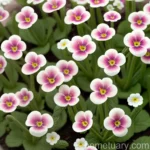
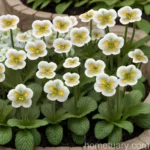
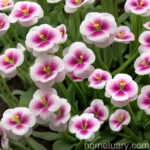
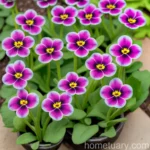
Primula vulgaris, native to western and southern Europe, is a herbaceous perennial plant that typically grows in damp woodland areas, hedge banks, and meadows. It bears clusters of flowers in various shades of yellow, cream, pink, and purple, enhancing the early spring landscape with its delightful blooms.
Key Takeaways – Primula vulgaris (Primrose)
Before delving into the intricacies of this plant species, let’s take a quick look at some key takeaways:
- Scientific Name: Primula vulgaris
- Common Name: Primrose
- Family: Primulaceae
- Native Range: Western and southern Europe
Now, let’s explore the various aspects associated with the cultivation and maintenance of Primula vulgaris.
Culture
Uses
Primula vulgaris is primarily cultivated for ornamental purposes due to its attractive flowers. However, it also has several other uses:
- Ornamental Purposes: Their vibrant and fragrant flowers make them ideal for adding beauty to gardens, balconies, and indoor spaces.
- Medicinal Properties: Certain varieties of primrose are known for their medicinal properties. They are used in traditional herbal medicine for their expectorant and diuretic properties.
Water
Primula vulgaris thrives in moist, well-drained soil. It is important to ensure consistent soil moisture, especially during dry periods, to support healthy growth and prolific flowering.
- Watering Guidelines:
- Water regularly, keeping the soil evenly moist but not waterlogged.
- Avoid letting the soil dry out completely.
Sunlight
The primrose plant prefers partial to full shade, making it an excellent choice for shaded garden areas.
- Sunlight Requirements:
- Plant in areas with dappled or partial shade, especially in regions with hot summers.
- In cooler climates, they can tolerate more sunlight, though they still prefer partial shade.
Fertilizer
Applying a balanced, organic fertilizer can help enhance the growth and flowering of Primula vulgaris.
- Fertilization Tips:
- Use a balanced fertilizer with an N-P-K ratio of 10-10-10 or similar, applied in early spring.
- Alternatively, incorporate organic matter such as compost into the soil during planting and top-dress annually with compost.
Soil
The ideal soil for Primula vulgaris is rich, humusy, and well-draining, mimicking its natural woodland habitat.
- Soil Requirements:
- Plant in a well-draining soil enriched with organic matter, such as peat moss or compost.
- Maintain a slightly acidic to neutral pH level, ideally ranging from 6.0 to 7.0.
Pruning
Regular deadheading and minimal pruning can help maintain the plant’s appearance and encourage continuous blooming.
- Pruning Guidelines:
- Deadhead spent blooms to stimulate the development of new flowers.
- Remove any damaged or yellowing leaves to promote the plant’s overall health.
Propagation
Container Popularity
Primula vulgaris is a popular choice for container gardening, allowing individuals to enjoy its enchanting blooms on patios, balconies, and other confined spaces.
- Key Considerations for Container Gardening:
- Choose a well-draining pot or container with adequate drainage holes.
- Place the container in a shaded area that receives indirect sunlight.
Common Diseases
Primula vulgaris is generally resistant to most diseases, though it may be susceptible to certain issues under unfavorable conditions.
Disease Diagnosis
Some common diseases that may affect Primula vulgaris include:
- Powdery Mildew: Characterized by a white, powdery fungal growth on the leaves.
- Root Rot: Caused by overly wet or waterlogged soil, leading to root damage and wilting of the plant.
Common Pests
While relatively resistant to pests, Primula vulgaris may occasionally attract certain insect pests.
- Potential Pests:
- Aphids
- Spider Mites
- Slugs and Snails
Botanist’s Tips
Fun Facts
Here are some intriguing facts about Primula vulgaris:
- The primrose has a rich history in folklore and is associated with various myths and legends.
- The name “primrose” is derived from the Latin word “prima rosa,” meaning first rose, as it is one of the first flowers to bloom in spring.
Links to External Resources
Conclusion
Primula vulgaris, with its enchanting blooms and versatile uses, holds a special place in the hearts of gardeners and plant enthusiasts. Whether grown in garden beds, containers, or naturalized woodland settings, the primrose adds a touch of elegance and color to any landscape. By understanding its cultural requirements, uses, and maintenance practices, individuals can successfully cultivate and enjoy the beauty of Primula vulgaris in their gardens and indoor spaces.
As a plant scientist, I hope this comprehensive guide has provided valuable insights into the world of Primula vulgaris and its cultivation. By employing the recommended practices mentioned throughout this guide, enthusiasts can foster healthy and thriving primrose plants, and appreciate the beauty and charm they bring to their surroundings.