Primula Sieboldii (Siebold Primrose): A Comprehensive Guide
Introduction
Plants have always been an essential component of the natural world, providing beauty, oxygen, and ecosystem services. One such fascinating plant is the Primula sieboldii, commonly known as Siebold Primrose. This perennial flowering plant is an enchanting addition to any garden owing to its delicate blooms and ease of cultivation. This comprehensive guide aims to explore the various aspects of Primula sieboldii, including its culture, uses, maintenance, and much more.

What is Primula Sieboldii?
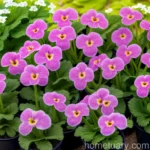
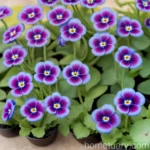
Primula sieboldii, a member of the Primulaceae family, is a native of East Asia, particularly Japan and Korea. It is esteemed for its spherical clusters of dainty flowers that bloom in a spectrum of colors, such as blue, pink, white, and purple. The plant typically reaches a height of 6 to 12 inches and thrives in woodland settings, making it an ideal choice for shaded regions of the garden.
Key Takeaways
Primula sieboldii (Siebold Primrose) is a delightful perennial plant that offers a range of uses and benefits. Let’s delve into the key takeaways that will be discussed in detail in this guide:
- Culture: Understanding the preferred growing conditions and care practices for Primula sieboldii.
- Uses: Exploring the diverse applications and benefits of this plant.
- Water: Discussing the water requirements and best practices for watering.
- Sunlight: Insights into the sunlight preferences and exposure needs of Siebold Primrose.
- Fertilizer: Choosing and applying the right fertilizers for optimal growth.
- Soil: Evaluating the soil prerequisites and suitable soil types for Primula sieboldii.
- Pruning: Learning about the necessity and techniques of pruning this plant.
- Propagation: Exploring the methods of propagating Primula sieboldii.
- Container Popularity: Understanding its adaptability to container gardening.
- Common Diseases: Identifying prevalent diseases and implementing preventive measures.
- Common Pests: Recognizing common pests and pest management strategies.
- Botanist’s Tips: Expert recommendations for cultivating and maintaining Siebold Primrose.
With these key takeaways in mind, let’s embark on a detailed exploration of Primula sieboldii and uncover the secrets to successful cultivation.
Culture
Water
Water Needs: Primula sieboldii thrives in moist, well-drained soil. Adequate watering is essential, particularly during the growing season. It is crucial to ensure that the soil does not dry out completely, as consistent moisture levels contribute to the plant’s health and blooming potential.
Watering Tips:
- Water the plant thoroughly, allowing the excess water to drain away.
- Avoid waterlogging the soil, as excessive moisture can lead to root rot.
- During hot and dry spells, monitor the soil moisture closely and provide supplemental watering if necessary.
Sunlight
Sunlight Requirements: Primula sieboldii exhibits a preference for partial to full shade. It flourishes in dappled sunlight and sheltered locations, making it an excellent choice for woodland gardens. Exposure to direct sunlight should be limited, especially during the peak of the day, to prevent potential leaf scorch.
Sunlight Tips:
- Choose a location with filtered sunlight, such as under the canopy of trees or alongside north-facing walls.
- Shield the plant from intense midday sun to prevent sun damage.
Fertilizer
Fertilization Approach: While Primula sieboldii is not particularly demanding in terms of fertilization, applying a balanced, water-soluble fertilizer during the growing season can bolster its growth and blooming capacity. Opt for a diluted fertilizer to avoid overwhelming the plant with nutrients.
Fertilizer Tips:
- Apply the fertilizer once or twice a month during the growing season, following the manufacturer’s recommended dosage.
- Cease fertilization during the plant’s dormant phase, typically in late summer or early fall.
Soil
Soil Requirements: Primula sieboldii thrives in humus-rich, well-draining soil with a slightly acidic to neutral pH. A blend of organic matter, such as compost or leaf mold, enhances the soil structure and fertility, creating an optimal environment for the plant’s roots.
Soil Tips:
- Prepare the planting site by incorporating organic amendments into the soil.
- Ensure that the soil provides ample aeration and moisture retention without becoming waterlogged.
Pruning
Pruning Practices: Pruning Primula sieboldii primarily involves the removal of spent blooms and withered foliage to maintain a tidy appearance and encourage continuous flowering. It is advisable to prune the plant after the blooming period has ended.
Pruning Tips:
- Use clean, sharp pruners to trim away faded flowers and yellowing leaves.
- Cut the flower stalks at the base to promote the emergence of new blooms.
Propagation
Propagation Techniques: Primula sieboldii can be propagated through divisions, seed sowing, and leaf cuttings. Each method offers its unique advantages and requirements, allowing plant enthusiasts to expand their Primrose collection with ease.
Propagation Tips:
- Division: During the plant’s dormant phase, carefully divide the mature clumps, ensuring that each division possesses viable roots and shoots.
- Seed Sowing: Sow the seeds in a sterile, well-draining medium and maintain consistent moisture levels until germination occurs.
- Leaf Cuttings: Select healthy, mature leaves and place them in a suitable propagation medium, providing the necessary humidity and warmth for successful rooting.
Uses
Landscaping
Primula sieboldii serves as a charming addition to various landscaping settings, including:
- Woodland Gardens: The plant’s affinity for shade makes it an ideal choice for woodland gardens, where it contributes a touch of color and elegance beneath trees and larger shrubs.
- Rock Gardens: Its petite size and delicate flowers make it an excellent candidate for rock gardens and alpine plantings, adding a soft, whimsical appeal to the landscape.
- Borders and Edges: Siebold Primrose can be strategically placed along borders and edges to create visual interest and accentuate pathways and garden beds.
Floral Displays
The blooms of Primula sieboldii are highly prized for their ornamental value, and they can be utilized in several ways to enhance floral displays:
- Cut Flowers: The flowers can be cut and displayed in vases or used as floral adornments in indoor spaces, bringing a touch of natural beauty and freshness to interiors.
- Flower Arrangements: When combined with complementary blooms, the Primula sieboldii flowers contribute to charming and captivating floral arrangements for various occasions and events.
Medicinal Properties
In traditional medicine, certain species of Primula are recognized for their medicinal properties, particularly in alleviating respiratory ailments and soothing skin conditions. While the specific medicinal uses of Primula sieboldii may vary, it is a testament to the diverse utilities of the Primula genus.
Cultural Significance
With its rich history and cultural significance, Primula sieboldii holds a special place in folklore and traditional practices. It is often associated with symbolism, rituals, and stories that reflect the plant’s role in local customs and beliefs.
Common Diseases
Disease Diagnosis
Despite being relatively hardy, Primula sieboldii is susceptible to certain diseases, including:
- Powdery Mildew: Manifests as a powdery, white coating on the leaves, typically caused by fungal infestations favored by humid conditions.
- Botrytis Blight: Results in the development of brown, water-soaked spots on the foliage, often exacerbated by excessively wet and cool environments.
- Crown Rot: Occurs when the crown of the plant becomes infected, leading to wilting, discoloration, and decay.
Disease Prevention
Implementing preventive measures is essential for safeguarding Primula sieboldii from potential diseases:
- Prune Infected Parts: Promptly remove and dispose of any diseased foliage to prevent the spread of pathogens throughout the plant.
- Enhance Air Circulation: Ensure proper air circulation around the plant by spacing them adequately and avoiding overcrowding, minimizing the conditions conducive to fungal diseases.
- Avoid Overhead Watering: Water the plants at the base to reduce moisture on the foliage, mitigating the risk of foliar diseases.
Common Pests
Pest Identification
While Primula sieboldii is relatively resistant to pests, several common adversaries may pose a threat to its well-being:
- Aphids: Small, sap-sucking insects that can cause stunted growth and distortion of leaves and shoots.
- Slugs and Snails: Notorious for consuming tender foliage and leaving behind irregular holes and damage.
- Spider Mites: These microscopic pests feed on plant sap and produce fine webbing, leading to yellowing and wilting of foliage.
Pest Management Strategies
Combatting pesky invaders can be achieved through various pest management tactics:
- Natural Predators: Encourage the presence of natural predators, such as ladybugs and lacewings, which feed on aphids and other small insects.
- Physical Barriers: Protect the plants from slugs and snails by employing barriers, such as copper tape or diatomaceous earth, around the base of the plants.
- Horticultural Oils: Utilize horticultural oils to manage spider mite infestations, suffocating the pests and impeding their reproductive capabilities.
Botanist’s Tips
Growing Tips
For successful cultivation and maintenance of Primula sieboldii, consider the following tips:
- Mulching: Apply a layer of organic mulch, such as bark chips or leaf litter, around the base of the plants to conserve moisture and regulate soil temperature.
- Winter Protection: In regions with harsh winters, provide protective measures, such as covering the plants with straw or evergreen boughs, to shield them from extreme cold and frost.
- Regular Monitoring: Conduct regular inspections of the plants to detect any signs of disease, pest infestations, or environmental stress, allowing for timely intervention and resolution.
Garden Design Ideas
When incorporating Primula sieboldii into garden designs, explore creative ideas such as:
- Understory Planting: Integrate Siebold Primrose beneath the canopy of trees, blending harmoniously with shade-loving companions such as ferns, hostas, and astilbes.
- Seasonal Accents: Utilize the vibrant blooms of Primula sieboldii to introduce seasonal accents, injecting bursts of color and visual appeal into the landscape during spring.
- Container Gardening: Showcase the beauty of Siebold Primrose in containers placed strategically on patios, balconies, or within the garden, enhancing outdoor living spaces with their enchanting presence.
Unique Features
Appreciate the distinctive characteristics and attributes of Primula sieboldii:
- Diverse Flower Colors: Embrace the variety of flower colors available, from soft pastels to vibrant hues, creating captivating displays and visual contrasts.
- Ornamental Foliage: In addition to the blooms, the foliage of Primula sieboldii contributes to its allure, with decorative patterns and textures that enhance its overall appeal.
- Wildlife Interactions: Observe the interactions between the plant and local wildlife, as Primula sieboldii may attract pollinators, such as bees and butterflies, enriching the garden ecosystem.
Fun Facts
Discover intriguing and captivating facts about Primula sieboldii:
- Historical Significance: This species was first introduced to the Western world in the 19th century, captivating botanists and horticultural enthusiasts with its captivating blooms.
- Symbolism: In various cultures, Primula sieboldii is associated with symbolism, representing emotions such as youthfulness, purity, and admiration.
- Winter Dormancy: Primula sieboldii undergoes a period of dormancy during the winter, where the plant conserves energy and prepares for the upcoming growing season.
Links to External Resources
Explore further insights and information about Primula sieboldii from these reputable external sources:
- Royal Horticultural Society – Primula sieboldii
- Missouri Botanical Garden – Siebold Primrose
- American Primrose Society
- University of Illinois Extension – Primula
- The Primula World – A Resource for Primula Enthusiasts
Conclusion
In conclusion, Primula sieboldii, or Siebold Primrose, is a captivating and versatile perennial plant that enriches gardens with its delicate beauty and ornamental value. By understanding its cultural requirements, uses, maintenance practices, and unique attributes, plant enthusiasts can cultivate and appreciate the timeless allure of this charming species. Whether employed in woodland settings, container gardens, or floral displays, Primula sieboldii stands as a testament to the remarkable diversity and charm of the plant kingdom.
With its rich history, cultural significance, and ecological contributions, Primula sieboldii embodies the enduring appeal of ornamental plants and continues to captivate individuals with its timeless elegance.
By embracing the enchanting qualities of Primula sieboldii, we celebrate the inherent beauty and value of the natural world, fostering a deeper connection with the botanical treasures that enrich our lives.
References:
- Royal Horticultural Society. “Primula sieboldii.” link
- Missouri Botanical Garden. “Siebold Primrose.” link
- American Primrose Society. link
- University of Illinois Extension. “Spotlights on Illinois Wildflowers – Primula.” link
- The Primula World. “A Resource for Primula Enthusiasts.” link
This comprehensive guide offers valuable insights into the culture, uses, and unique features of Primula sieboldii, providing plant enthusiasts with an in-depth understanding of this enchanting species.