Petunia ‘Shock Wave Red’)
Petunias are vibrant, versatile, and popular flowering plants that are adored by gardeners for their stunning blooms and ease of care. Among the numerous.
Petunias are vibrant, versatile, and popular flowering plants that are adored by gardeners for their stunning blooms and ease of care. Among the numerous varieties in the petunia family, the ‘Shock Wave Red’ stands out for its striking red flowers and exceptional performance in garden settings. In this comprehensive guide, we will delve into the world of Petunia ‘Shock Wave Red’, exploring its characteristics, optimal growing conditions, maintenance requirements, and much more.
What is Petunia ‘Shock Wave Red’?
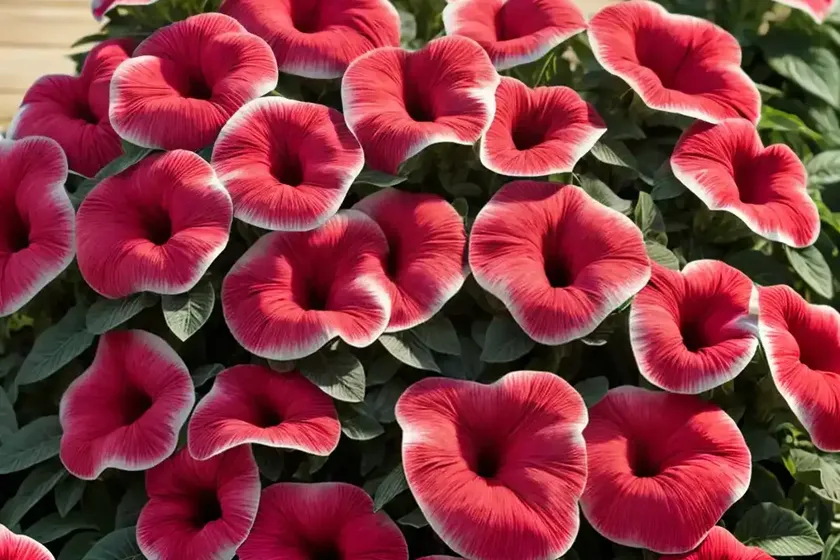
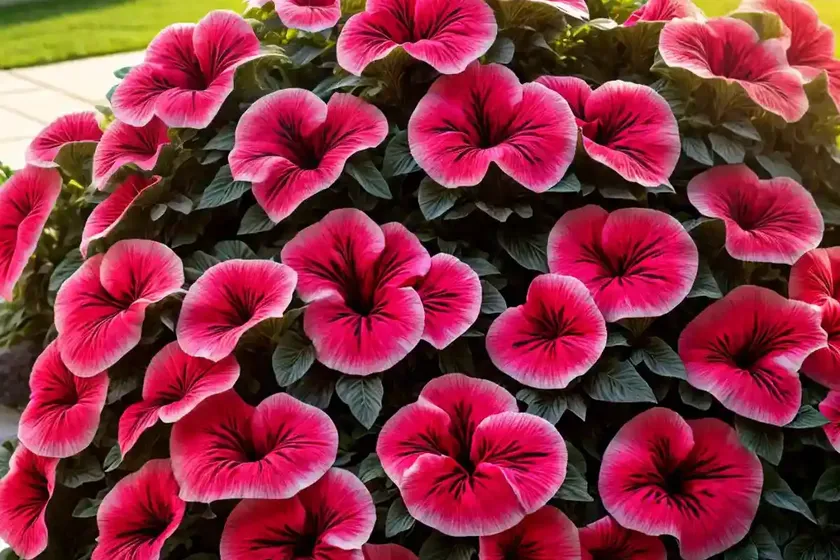
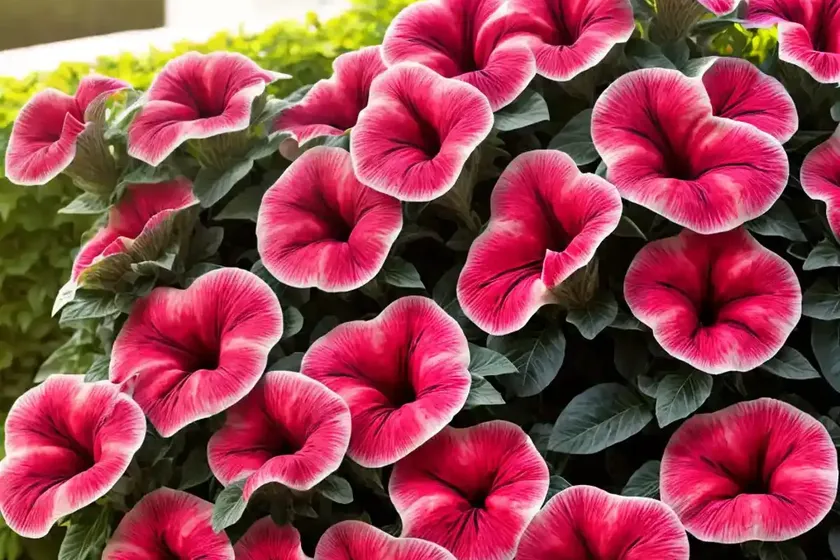
Petunia ‘Shock Wave Red’ is a breathtaking variety of petunia that is renowned for its vibrant crimson-red flowers and compact, cascading growth habit. It is an ideal choice for garden beds, borders, containers, and hanging baskets, adding a burst of intense color and elegance to any outdoor space. This variety belongs to the grandiflora group, characterized by its large, showy blooms and vigorous growth. With proper care, ‘Shock Wave Red’ petunias produce an abundance of blossoms throughout the growing season, creating a visually stunning display.
The ‘Shock Wave Red’ petunia variety has gained popularity not only for its captivating appearance but also for its resilience and adaptability. Whether used as standalone features or combined with other plant species, these petunias can create enchanting landscapes, offering a tapestry of red hues and a prolific flowering performance.
Key Takeaways
Before delving into the specifics of cultivating and caring for Petunia ‘Shock Wave Red’, here are some key takeaways about this remarkable plant:
- Name: Petunia ‘Shock Wave Red’
- Plant Type: Annual flowering plant
- Botanical Family: Solanaceae
- Growth Habit: Compact, trailing
- Flower Color: Red
- Suitable Uses: Garden beds, borders, containers, hanging baskets
- Maintenance Level: Low to moderate
- Special Features: Prolific bloomer, vibrant color, cascading growth
Now, let’s explore the various aspects of successfully growing and maintaining Petunia ‘Shock Wave Red’.
Culture
Uses
Petunia ‘Shock Wave Red’ is incredibly versatile and finds use in a wide array of garden settings and landscaping applications. Some of its common uses include:
- Bedding plant: ‘Shock Wave Red’ petunias make a stunning addition to garden beds, creating captivating swathes of rich red blooms.
- Border plant: The compact, trailing growth habit of these petunias makes them well-suited for defining borders and edges in garden landscapes.
- Container plant: Their cascading nature makes ‘Shock Wave Red’ petunias perfect for spilling over the edges of containers and hanging baskets, adding a pop of color to patios, balconies, and decks.
- Groundcover: When planted en masse, ‘Shock Wave Red’ petunias can serve as an attractive groundcover, carpeting the soil with their vibrant flowers.
- Mixed plantings: These petunias can be combined with other annuals and perennials to create captivating mixed plantings, offering a striking contrast to complementary flower colors and foliage textures.
Water
Proper watering is crucial for the health and vitality of Petunia ‘Shock Wave Red’. While these plants are relatively resilient, they thrive best when provided with consistent moisture. However, it’s important to avoid overwatering, as this can lead to root rot and other moisture-related issues. Here are some essential points to consider when watering ‘Shock Wave Red’ petunias:
- Regular watering: During the active growing season, ensure that the soil remains consistently moist but not waterlogged. This may require watering approximately 1-2 times per week, depending on environmental conditions.
- Soil drainage: Good soil drainage is essential to prevent waterlogging, especially in containers. Use well-draining potting mix and ensure that garden beds have adequate drainage to prevent water accumulation around the roots.
- Morning watering: Where possible, water the petunias in the morning to allow any excess moisture to evaporate during the day, reducing the risk of fungal diseases.
Sunlight
Petunia ‘Shock Wave Red’ thrives in bright, full sunlight, making it an excellent choice for sunny garden spots. Adequate sunlight is essential for promoting vigorous growth and abundant flowering. When planting and caring for ‘Shock Wave Red’ petunias, consider the following sunlight requirements:
- Full sun: Aim to provide at least 6-8 hours of direct sunlight per day for optimal growth and blooming. Choose a location that receives ample sunlight, such as south-facing garden beds or open, sunny areas for container plantings.
- Shade avoidance: While ‘Shock Wave Red’ petunias appreciate sunlight, they can benefit from some shade during the hottest part of the day, particularly in regions with intense summer heat. Providing partial shade during the afternoon can help prevent stress and sunburn.
Fertilizer
To support the robust growth and prolific blooming of Petunia ‘Shock Wave Red’, it’s important to provide a balanced and suitable fertilizer regimen. While these petunias are relatively low-maintenance, they can benefit from regular feeding to ensure long-lasting vitality and abundant flowering. Here are some guidelines for fertilizing ‘Shock Wave Red’ petunias:
- Slow-release fertilizer: Consider using a balanced, granular, slow-release fertilizer formulated for flowering plants. This type of fertilizer provides steady nutrients over an extended period, promoting healthy growth and continuous flowering.
- Application frequency: Apply fertilizer to ‘Shock Wave Red’ petunias every 4-6 weeks during the growing season, following the manufacturer’s recommendations for dosage and application methods.
- Diluted liquid feed: In addition to slow-release fertilizers, occasional applications of diluted liquid fertilizer can provide an extra boost during periods of active growth and blooming.
Soil
The quality of the soil directly impacts the health and performance of Petunia ‘Shock Wave Red’. These petunias thrive in well-draining, fertile soil that provides adequate nutrients and aeration for robust root development. When selecting and preparing the soil for ‘Shock Wave Red’ petunias, consider the following factors:
- Well-draining soil: Use a high-quality potting mix for container planting, ensuring it offers excellent drainage and aeration to prevent waterlogging. In garden beds, amend the soil with organic matter to improve drainage and fertility.
- pH levels: Aim for a slightly acidic to neutral soil pH, ideally in the range of 6.0-7.0. Conduct a soil test if necessary to determine the pH level and make any necessary adjustments using soil amendments.
- Soil structure: Loose, friable soil promotes healthy root development and allows for efficient water infiltration and root oxygenation. Break up compacted soil and remove debris before planting ‘Shock Wave Red’ petunias.
Pruning
Pruning petunias, including the ‘Shock Wave Red’ variety, is an essential aspect of maintenance to promote compact growth, encourage continuous blooming, and remove spent flowers. By incorporating regular pruning into the care routine, gardeners can help these petunias maintain an attractive appearance and vigorous performance. Here’s a guide to pruning Petunia ‘Shock Wave Red’:
- Deadheading: Regularly remove faded, wilted flowers to stimulate the production of new blooms and prevent the formation of seedheads. Snip off the spent flowers at the base of the stem using clean, sharp pruners or scissors.
- Trimming leggy growth: If ‘Shock Wave Red’ petunias become excessively leggy or sprawl beyond their desired boundaries, trim back the stems by up to one-third to encourage branching and compact growth. Focus on cutting back to just above a set of healthy leaves or nodes.
- Maintenance pruning: Throughout the growing season, perform periodic maintenance pruning to remove any damaged, diseased, or overcrowded stems. This helps improve air circulation and prevents the spread of diseases.
Propagation
Propagation allows gardeners to multiply their favorite Petunia ‘Shock Wave Red’ plants, creating new specimens from existing ones. While these petunias are typically grown as annuals, the ability to propagate them from cuttings or seeds enables enthusiasts to perpetuate their preferred varieties. Here are some methods for propagating ‘Shock Wave Red’ petunias:
- Stem cuttings: Propagate ‘Shock Wave Red’ petunias by taking stem cuttings from healthy, actively growing plants. Select a non-flowering stem with several sets of leaves, and trim it to obtain a 4-6 inch cutting. Remove the lower leaves, dip the cut end in rooting hormone, and plant it in a well-draining rooting medium. Keep the cuttings consistently moist until roots develop.
- Seed sowing: Collect seeds from mature ‘Shock Wave Red’ petunia plants, allowing the seed pods to fully ripen and dry on the plant. Sow the seeds in a seed-starting mix, covering them lightly, and maintain the soil moisture until germination occurs. Transplant the seedlings to individual containers or garden beds once they have developed several true leaves.
Container Popularity
Petunia ‘Shock Wave Red’ is a popular choice for container gardening, offering a stunning focal point and a cascade of vibrant red blooms that spill gracefully over the edges. The compact, trailing growth habit of these petunias makes them well-suited for containers of various sizes, from small pots to larger planters. When selecting containers and caring for ‘Shock Wave Red’ petunias in these settings, keep the following points in mind:
- Container size: Choose a pot or planter that provides ample space for the ‘Shock Wave Red’ petunias to grow and spread, ensuring there is adequate room for the roots to develop. Consider the mature size of the plants and select containers that accommodate their growth.
- Drainage: Opt for containers with drainage holes to allow excess water to escape, preventing waterlogging. Use a well-draining potting mix that promotes healthy root development and prevents moisture-related issues.
- Maintenance: Regularly check the moisture levels and nutritional needs of ‘Shock Wave Red’ petunias in containers, as they may require more frequent watering and feeding compared to garden-planted specimens.
Common Diseases
Like all plants, Petunia ‘Shock Wave Red’ is susceptible to certain diseases that can affect its health and appearance. By understanding these potential threats and employing preventive measures, gardeners can safeguard their ‘Shock Wave Red’ petunias from diseases and maintain their vitality. Here are some common diseases that may impact these petunias:
- Botrytis blight: This fungal disease, also known as gray mold, can cause grayish-brown patches on the petals and foliage, often leading to wilting and decay. To prevent botrytis blight, avoid overhead watering, ensure good air circulation, and remove any affected plant parts promptly.
- Powdery mildew: Powdery mildew appears as a dusty white coating on the leaves of ‘Shock Wave Red’ petunias, inhibiting their growth and compromising their visual appeal. Minimize powdery mildew by maintaining proper spacing between plants, reducing humidity, and applying fungicidal sprays as needed.
- Root rot: Excessive moisture and poor drainage can lead to root rot, a condition that causes the roots to decay and the plants to exhibit wilting and stunted growth. To prevent root rot, ensure well-draining soil and avoid overwatering ‘Shock Wave Red’ petunias, especially in container plantings.
Disease Diagnosis
When caring for Petunia ‘Shock Wave Red’, it’s important to monitor the plants regularly and be vigilant for any signs of disease. Early detection and accurate diagnosis are instrumental in implementing prompt and effective treatment measures. If you observe any unusual symptoms or suspect that your ‘Shock Wave Red’ petunias may be affected by a disease, consider the following steps for diagnosis:
- Visual inspection: Examine the leaves, stems, and flowers of ‘Shock Wave Red’ petunias for any unusual spots, discoloration, wilting, or abnormal growth. Note the appearance of any symptoms and their progression over time.
- Research and resources: Refer to reputable gardening resources, books, and websites to identify common plant diseases and compare the observed symptoms with known disease characteristics. Look for illustrations and descriptions that match the symptoms on your ‘Shock Wave Red’ petunias.
- Consultation: If in doubt, seek the advice of local gardening experts, horticulturists, or extension services. They can provide valuable insights and potentially assist in diagnosing the issue based on the observed symptoms and plant health history.
Common Pests
In addition to diseases, Petunia ‘Shock Wave Red’ may also encounter various pests that can compromise their growth and blooming. Vigilance and proactive pest management are essential for preserving the health and aesthetics of these petunias. Here are some common pests that may pose a threat to ‘Shock Wave Red’ petunias:
- Aphids: These small, soft-bodied insects may cluster on the tender shoots and flower buds of ‘Shock Wave Red’ petunias, sucking sap and causing distortion of the foliage. Control aphids by spraying the plants with insecticidal soap or horticultural oil, or by introducing natural predators such as ladybugs.
- Spider mites: Spider mites are tiny arachnids that can infest ‘Shock Wave Red’ petunias, causing stippling and webbing on the leaves. Use a forceful water spray to dislodge spider mites, and apply horticultural oil to suffocate and control their populations.
- Whiteflies: These small, white, moth-like insects can gather on the undersides of leaves, sucking plant juices and excreting honeydew. Combat whiteflies by using sticky traps, releasing beneficial insects, or applying insecticidal soaps.
Botanist’s Tips
To ensure the successful cultivation and care of Petunia ‘Shock Wave Red’, consider the following botanist’s tips, which encompass valuable insights and best practices for growing these stunning petunias:
- Choose healthy plants: When purchasing ‘Shock Wave Red’ petunias, select robust, healthy specimens with vibrant foliage and well-developed roots. Avoid plants with signs of disease or stress.
- Proper spacing: Whether planted in garden beds or containers, provide adequate spacing between ‘Shock Wave Red’ petunias to promote airflow and prevent overcrowding, which can lead to disease and pest issues.
- Mulching: Apply a layer of organic mulch around the base of ‘Shock Wave Red’ petunias to conserve soil moisture, suppress weed growth, and maintain a consistent root environment.
- Regular grooming: Periodically remove any yellowing or damaged leaves from ‘Shock Wave Red’ petunias to maintain plant cleanliness and health.
- Observation and adjustment: Monitor the growth and performance of ‘Shock Wave Red’ petunias closely, making adjustments to watering, fertilizing, and pest management as needed based on plant response and environmental conditions.
Fun Facts
To further illuminate the allure and charm of Petunia ‘Shock Wave Red’, here are some intriguing and delightful fun facts about this captivating plant:
- The vivid red blooms of ‘Shock Wave Red’ petunias symbolize passion, energy, and determination, adding a dynamic, fiery presence to garden landscapes.
- The grandiflora group, to which ‘Shock Wave Red’ petunias belong, is characterized by its large, showy flowers and vigorous growth, making these petunias stand out as bold and prominent garden features.
- ‘Shock Wave Red’ petunias are known for their ability to attract pollinators, including butterflies and hummingbirds, enhancing the ecological diversity and beauty of garden environments.
- The cascading growth habit of ‘Shock Wave Red’ petunias creates stunning visual effects, particularly when planted in hanging baskets, where the vibrant red flowers spill gracefully over the edges, evoking a sense of elegance and charm.
- ‘Shock Wave Red’ petunias bring a dynamic presence to moonlight gardens, where their striking red blooms can enchant and captivate under the ethereal glow of the moon.
Links to External Resources
To further expand your knowledge and appreciation of Petunia ‘Shock Wave Red’ and its care, consider exploring the following external resources for insightful information, tips, and inspiration:
- The Plant Encyclopedia: Petunia ‘Shock Wave Red’
- Gardening Know How: Growing Petunias
- American Horticultural Society: Petunia Care Guide
- The Royal Horticultural Society: Petunia Care Tips
- University of Florida IFAS Extension: Petunia Diseases and Pests
In this comprehensive guide, we’ve delved into the captivating world of Petunia ‘Shock Wave Red’, exploring its cultivation, care, and special attributes. With its striking red blooms, cascading growth habit, and versatile uses, this stunning variety of petunia holds a distinct allure for gardeners and landscaping enthusiasts alike. By applying the insights and recommendations shared in this guide, you can embark on a rewarding journey of nurturing and showcasing the vibrant beauty of Petunia ‘Shock Wave Red’ in your own garden oasis.


