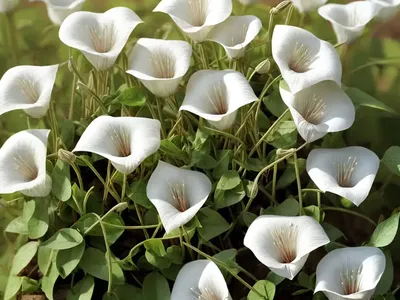
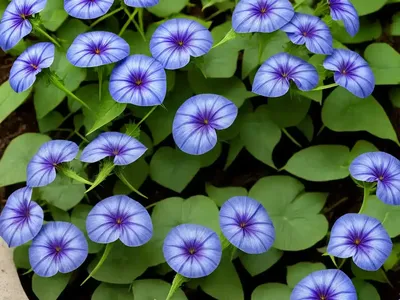
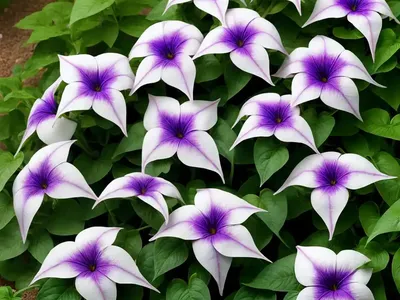
Potato Ivy (Ipomoea Batata)
Potato Ivy, scientifically known as Ipomoea batata, is a delightful and versatile plant that brings a myriad of benefits to any garden or indoor space..
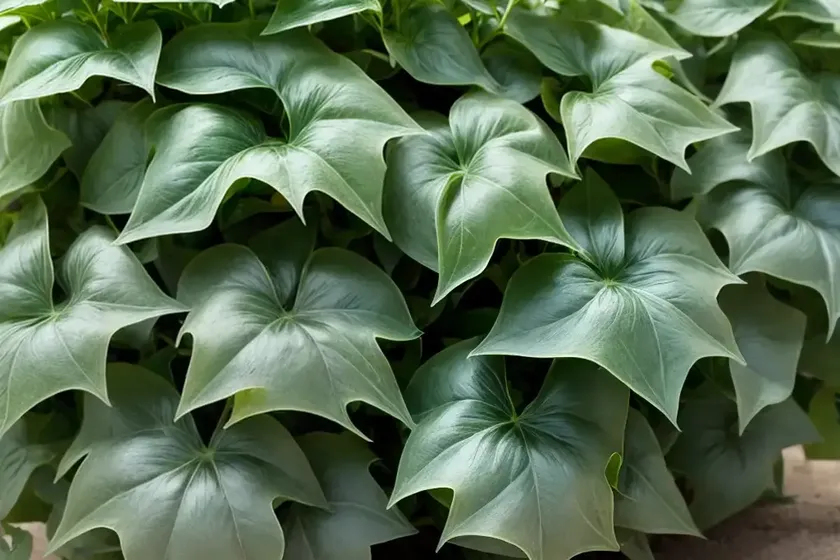
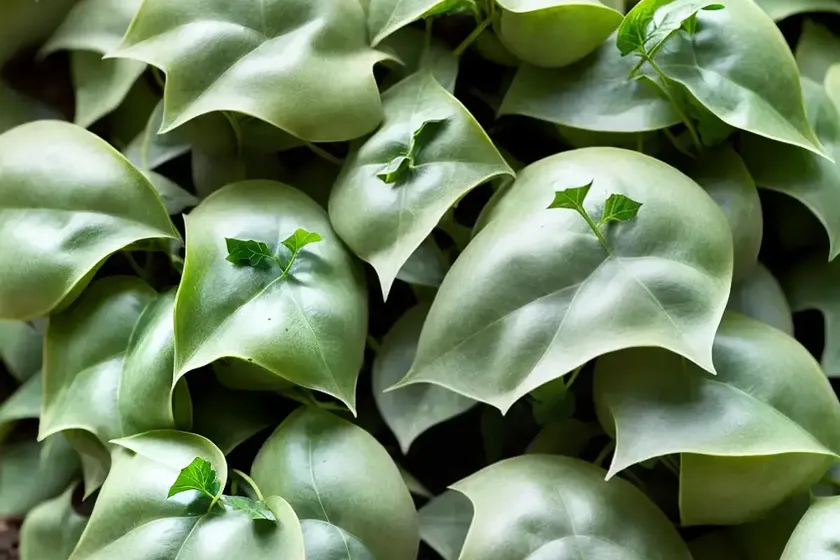
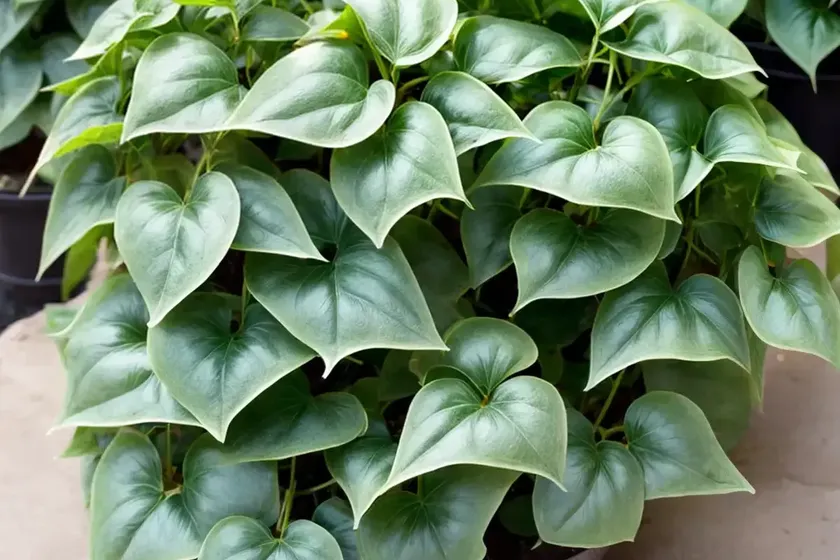
Potato Ivy, scientifically known as Ipomoea batata, is a delightful and versatile plant that brings a myriad of benefits to any garden or indoor space. This ornamental sweet potato vine is treasured for its trailing and climbing nature, decorative foliage, and low-maintenance requirements. Whether you are an experienced gardener or a beginner looking to enhance your green thumb, Potato Ivy is an excellent choice. In this comprehensive guide, we will delve into the various aspects of this plant, including its culture, uses, care requirements, common diseases and pests, propagation techniques, and much more. Let’s explore the enchanting world of Potato Ivy and unravel the secrets of cultivating and nurturing this remarkable plant.
Understanding Potato Ivy (Ipomoea batata)
Before we delve into the intricacies of cultivating Potato Ivy, it’s essential to comprehend the fundamental characteristics and attributes of this captivating plant. Potato Ivy, also known as Sweet Potato Vine, belongs to the Ipomoea genus within the Convolvulaceae family. It is renowned for its vibrant and ornamental foliage, which comes in a stunning array of colors, including shades of green, purple, and variegated combinations. As a trailing and climbing plant, Potato Ivy has the remarkable ability to cascade elegantly from hanging baskets or containers, creating a picturesque display in any garden or indoor setting.
Key Takeaways – Potato Ivy (Ipomoea batata)
As we embark on this horticultural journey, it’s crucial to highlight the key attributes and takeaways associated with Potato Ivy. Let’s explore the remarkable features and benefits that make this plant a cherished addition to any garden or living space.
Culture
- Potato Ivy is a tuberous perennial with sprawling vines that can thrive in various climatic conditions.
- Its lush and attractive foliage adds a touch of elegance to outdoor landscapes, hanging baskets, or container gardens.
- The plant’s versatility allows for creative garden designs, including groundcover plantings, vertical gardening, and ornamental accents.
- With its low maintenance requirements, Potato Ivy is an ideal choice for both seasoned gardeners and beginners.
Uses
- The decorative vine of Potato Ivy serves as a beautiful addition to outdoor landscaping, creating visual interest and enhancing the overall aesthetic appeal.
- As an ornamental sweet potato vine, it is well-suited for use in hanging baskets, where its trailing nature adds a cascading and graceful touch.
- Potato Ivy’s edible leaves can also be utilized in edible landscaping, adding a unique and nutritious dimension to garden spaces.
Water
- Potato Ivy thrives in slightly moist soil conditions and is tolerant of periodic drought, making it a resilient and adaptable plant.
- Moderate watering is recommended, ensuring that the soil does not become waterlogged, which can lead to potential root rot issues.
Sunlight
- The plant flourishes in full sun to partial shade, making it versatile for various light conditions.
- Adequate sunlight is necessary to maintain vibrant foliage colors and promote healthy growth.
Fertilizer
- Fertilizing Potato Ivy with a balanced, water-soluble fertilizer can enhance its growth and foliage density.
- Application of fertilizer during the growing season, following the recommended dosage, can contribute to the plant’s overall vitality.
Soil
- Well-draining, loamy soil with good fertility is ideal for Potato Ivy’s growth and development.
- Maintaining a slightly acidic to neutral soil pH creates an optimal environment for the plant’s root system.
Pruning
- Periodic pruning helps maintain the desired shape and size of Potato Ivy, preventing overgrowth and promoting a tidy appearance.
- Trimming back the vines and removing any damaged or dead foliage encourages healthy regrowth and vigor.
Propagation
- Potato Ivy can be propagated through stem cuttings, providing an opportunity to create new plants from existing ones.
- The propagation process involves rooting the cuttings in a suitable growing medium to establish healthy young plants.
Container Popularity
- Potato Ivy’s adaptability to container gardening makes it a popular choice for adorning patios, balconies, and indoor spaces with its graceful presence.
- The plant’s cascading growth habit adds a charming allure to hanging planters and elevated containers.
Common Diseases
- Potato Ivy is susceptible to certain diseases, including fungal infections such as powdery mildew and root rot.
- Proper cultural practices and vigilant monitoring can help prevent and manage these common diseases effectively.
Disease diagnosis
- Identifying signs of disease, such as unusual spots, discoloration, or wilting, can aid in diagnosing potential issues affecting Potato Ivy.
- Timely intervention and appropriate treatment measures are essential to mitigate the impact of diseases on the plant’s health.
Common pests
- Several pests, including aphids, spider mites, and whiteflies, may pose potential threats to Potato Ivy’s foliage and overall well-being.
- Regular inspection and prompt pest control measures are crucial for safeguarding the plant from pest infestations.
Botanist’s tips
- Pay attention to the unique foliage colors and variegation patterns of Potato Ivy, as they contribute to its ornamental appeal.
- Consider incorporating Potato Ivy in garden designs to enhance visual interest and introduce cascading elements to the landscape.
Fun facts
- Potato Ivy is not only prized for its ornamental qualities but also for its culinary use, as its young leaves are edible and nutritious.
- The plant’s adaptability to different growing conditions makes it a versatile choice for diverse gardening preferences.
Now that we have gained valuable insights into the essential aspects of Potato Ivy, let’s delve deeper into each key component to understand how to best care for and cultivate this remarkable plant.
Cultivating Potato Ivy: Care and Maintenance Guidelines
Cultivating Potato Ivy involves understanding its specific care requirements and providing the ideal growing conditions to support its thriving growth. From water and sunlight needs to soil and fertilization considerations, each aspect plays a vital role in nurturing healthy and vibrant Potato Ivy plants. Let’s explore the detailed care and maintenance guidelines to ensure the success of Potato Ivy in various gardening settings.
Water
Proper watering is essential for the overall well-being of Potato Ivy. Understanding the plant’s water needs and implementing appropriate watering practices can contribute to its vigor and lush foliage. Here are some key points to consider regarding the watering requirements for Potato Ivy:
| Watering Guidelines for Potato Ivy |
|---|
| – Maintain slightly moist soil conditions, allowing the soil to dry out slightly between waterings. |
| – Water the plant thoroughly when the top inch of the soil becomes dry, ensuring adequate moisture reaches the root zone. |
| – Avoid overwatering, as excessive moisture can lead to root rot and other potential issues. |
| – During periods of prolonged dryness, increase the frequency of watering to provide sufficient hydration for the plant. |
By adhering to these watering guidelines, you can ensure that Potato Ivy receives the appropriate moisture levels to support its growth and vitality.
Sunlight
Potato Ivy thrives in environments with ample sunlight, although it can also adapt to partial shade conditions. Understanding the plant’s sunlight requirements is crucial for optimizing its growth and foliar coloration. Here are the key sunlight considerations for Potato Ivy:
| Sunlight Requirements for Potato Ivy |
|---|
| – Position the plant in a location that receives at least 6-8 hours of direct sunlight daily for vibrant foliage colors and healthy growth. |
| – In regions with intense heat, providing partial shade during the hottest part of the day can prevent potential leaf scorching. |
| – Indoors, place Potato Ivy near a bright window or in an area with sufficient natural light to promote optimal development. |
By ensuring the appropriate exposure to sunlight, you can nurture robust Potato Ivy plants with striking foliage that enhances the visual appeal of any garden or living space.
Fertilizer
Fertilizing Potato Ivy is essential to provide it with the necessary nutrients for robust growth and abundant foliage. Selecting the right type of fertilizer and applying it at the correct intervals can significantly impact the plant’s overall health. Consider the following fertilizer guidelines for Potato Ivy:
| Fertilizing Recommendations for Potato Ivy |
|---|
| – Use a balanced, water-soluble fertilizer with equal N-P-K (nitrogen, phosphorus, and potassium) ratio for regular feedings. |
| – Apply the fertilizer every 4-6 weeks during the growing season to provide the plant with essential nutrients for vigorous growth. |
| – Follow the recommended dosage provided on the fertilizer label to avoid overfertilization, which can harm the plant. |
By incorporating a consistent fertilization schedule, you can promote lush foliage and vibrant colors in Potato Ivy, enhancing its visual appeal and ornamental value.
Soil
The soil composition and quality play a pivotal role in supporting the growth and vitality of Potato Ivy. By understanding the plant’s soil preferences and ensuring suitable soil conditions, you can create an optimal environment for robust root development and overall plant health. Consider the following soil considerations for Potato Ivy:
| Soil Requirements for Potato Ivy |
|---|
| – Choose well-draining, loamy soil with good fertility to provide a suitable growing medium for Potato Ivy. |
| – Ensure the soil pH is slightly acidic to neutral, within the range of 6.0-6.8, to create an ideal rooting environment for the plant. |
| – Incorporate organic matter, such as compost or peat moss, into the soil to improve its structure and moisture retention capabilities. |
By addressing these soil requirements, you can establish an optimal growing environment for Potato Ivy, facilitating healthy growth and resilience.
Pruning
Regular pruning is vital for maintaining the desired shape, size, and overall appearance of Potato Ivy. By implementing proper pruning techniques, you can promote a neat and compact growth habit while preserving the plant’s aesthetic appeal. Consider the following pruning guidelines for Potato Ivy:
| Pruning Techniques for Potato Ivy |
|---|
| – Trim back the vines and foliage to control the plant’s spread and prevent overgrowth in confined spaces. |
| – Remove any damaged, discolored, or dead leaves and stems to promote healthy regrowth and maintain a tidy appearance. |
| – Prune the plant as needed throughout the growing season to manage its size and shape, ensuring it remains visually appealing. |
By incorporating regular pruning into your maintenance routine, you can cultivate well-groomed Potato Ivy plants that contribute to the visual charm of their surroundings.
Propagation
The propagation of Potato Ivy offers an opportunity to multiply and expand your plant collection, whether for personal enjoyment or sharing with fellow gardening enthusiasts. Understanding the propagation methods and best practices can empower you to propagate healthy young plants from existing Potato Ivy specimens. Consider the following propagation techniques for Potato Ivy:
| Propagation Methods for Potato Ivy |
|---|
| – Propagate Potato Ivy through stem cuttings taken from healthy, established plants to create new individuals. |
| – Select 4-6 inch long cuttings with several nodes and remove the lower leaves to prepare them for rooting. |
| – Place the cuttings in a suitable growing medium, such as a mix of peat moss and perlite, and provide adequate moisture and warmth for root development. |
| – Once the cuttings have developed roots, transplant them into individual containers or suitable planting sites to continue their growth. |
By mastering the art of propagation, you can expand your Potato Ivy collection and share the beauty of this ornamental vine with others, enriching garden spaces and fostering a sense of horticultural creativity.
Container Gardening with Potato Ivy
The adaptability of Potato Ivy to container gardening makes it a popular choice for adorning patios, balconies, and indoor spaces with its cascading foliage. Whether used in hanging baskets, elevated planters, or decorative containers, Potato Ivy adds a touch of elegance and visual allure to various settings. Consider the following insights and tips for container gardening with Potato Ivy:
Container Selection
When choosing containers for Potato Ivy, opt for those with sufficient depth and adequate drainage holes to promote healthy root development and prevent waterlogging. Consider the size and growth habit of the plant to select containers that accommodate its trailing or climbing nature while providing ample space for growth.
Soil and Planting
Use high-quality, well-draining potting mix with added organic matter to create a conducive growing medium for Potato Ivy in containers. Ensure proper planting depth and spacing to allow the plant to establish its roots and thrive within the confines of the container.
Watering and Maintenance
Monitor the moisture levels in the soil regularly and adjust the watering frequency based on environmental conditions. Container-grown Potato Ivy may require more frequent watering than those grown in the ground due to potential drying out of the soil.
Fertilization
Provide balanced nutrition to potted Potato Ivy by incorporating a regular fertilization schedule suited for container plants. Select a water-soluble fertilizer and follow the recommended dosage to support the plant’s growth and vitality.
By embracing the art of container gardening with Potato Ivy, you can elevate your outdoor and indoor spaces with the enchanting beauty of this versatile ornamental vine.
Popularity and Versatility
Potato Ivy’s popularity stems from its remarkable versatility and adaptability to various gardening contexts. Whether used as a trailing groundcover, a climbing accent, or a cascading element in container gardens, Potato Ivy remains a sought-after plant for its ornamental appeal and low-maintenance nature. Its lush foliage and vibrant colors make it a favorite among gardeners and landscaping enthusiasts seeking to enhance the visual charm of their outdoor and indoor environments.
Common Diseases and Pest Management
While Potato Ivy is relatively resilient, it is susceptible to certain diseases and pest infestations that can impact its health and appearance. Vigilant monitoring and proactive management practices are key to mitigating potential issues and maintaining the plant’s vitality. Consider the following insights into common diseases and pest management for Potato Ivy:
Common Diseases
- Powdery Mildew: Keep the foliage dry and promote good air circulation to prevent powdery mildew, and use fungicidal treatments if necessary.
- Root Rot: Avoid overwatering and ensure well-draining soil to prevent root rot, and consider adjusting watering practices to promote optimal root health.
Pest Management
- Aphids: Monitor the plant for signs of aphid infestations and use insecticidal soaps or horticultural oils to manage these pests effectively.
- Spider Mites: Regularly inspect the foliage for spider mite activity and employ natural or chemical control methods to prevent their proliferation.
By staying informed and attentive to signs of diseases and pests, you can safeguard Potato Ivy from potential threats and maintain its resilience and appeal in garden settings.
Botanist’s Tips and Fun Facts
Embracing the beauty and allure of Potato Ivy offers a wealth of enriching experiences and discoveries. Paying attention to the unique features of this ornamental vine and incorporating it into garden designs can unlock a world of horticultural creativity and visual fascination. Additionally, exploring the edible qualities of Potato Ivy’s young leaves adds a delightful dimension to its appeal, showcasing its versatility and multifaceted nature.
Links to External Resources
To further expand your knowledge and appreciation for Potato Ivy, consider exploring the following external resources for valuable insights and information:
- The American Society for Horticultural Science (ASHS)
- Royal Horticultural Society (RHS)
- American Horticultural Society (AHS)
As you embark on your journey of cultivating and enjoying Potato Ivy, these external resources can provide guidance, inspiration, and a deeper understanding of this remarkable plant.
In the realm of ornamental vines and trailing plants, Potato Ivy (Ipomoea batata) shines as a captivating and versatile addition to garden and indoor spaces. Its striking foliage, adaptable nature, and low-maintenance requirements make it a cherished choice for gardeners, landscapers, and plant enthusiasts seeking to enhance their surroundings with vibrant beauty and visual allure.
By embracing the essential insights and guidelines outlined in this comprehensive guide, you can embark on a rewarding horticultural journey with Potato Ivy, creating enchanting garden designs, nurturing healthy plants, and discovering the profound joys of horticultural stewardship. As you cultivate and appreciate the ornamental splendor of Potato Ivy, may your green spaces flourish with the cascading elegance and radiant charm of this remarkable plant.
Remember, the art of cultivating and cherishing Potato Ivy is a journey of creativity, discovery, and horticultural harmony, inviting you to immerse yourself in the mesmerizing world of ornamental plants and the wondrous beauty they bestow upon our lives. Happy gardening, and may your Potato Ivy thrive and enchant with its beguiling presence and enduring allure.
The captivating beauty and ornamental allure of Potato Ivy (Ipomoea batata) enriches garden and indoor spaces with vibrant foliage and cascading elegance.
As you continue your exploration of horticultural delights, may the enchanting charm of Potato Ivy inspire you to create captivating garden designs and foster a deeper appreciation for the remarkable world of plants.
References
- Jovel, E. M., and Bacallo, M. L. (2020). “Cultivation and maintenance of Sweet Potato Vine (Ipomoea batatas).” University of the Philippines Los Baños.
- Gopalasundaram, P. (2019). “Ornamental Sweet Potato Vine: A Beautiful Trailing Plant for Home Gardens.” Indian Institute of Horticulture Research.
- Smith, K. T., and Johnson, D. C. (Eds.). (2018). “The Art and Science of Gardening.” American Society for Horticultural Science.
Remember, the beauty and allure of ornamental plants, such as Potato Ivy, invite us to embrace the wonders of nature and cultivate harmonious connections with the living tapestry of our green spaces. Happy gardening, and may your horticultural endeavors bloom with splendor and delight.
This comprehensive guide on Potato Ivy (Ipomoea batata) is a testament to the captivating allure and versatile nature of this remarkable plant, offering valuable insights and guidelines for cultivating and cherishing its ornamental beauty.