Dwarf Morning Glory (Convolvulus Tricolor)
When it comes to adding color and charm to your garden, the Dwarf Morning Glory, scientifically known as Convolvulus tricolor, is an excellent choice. With.
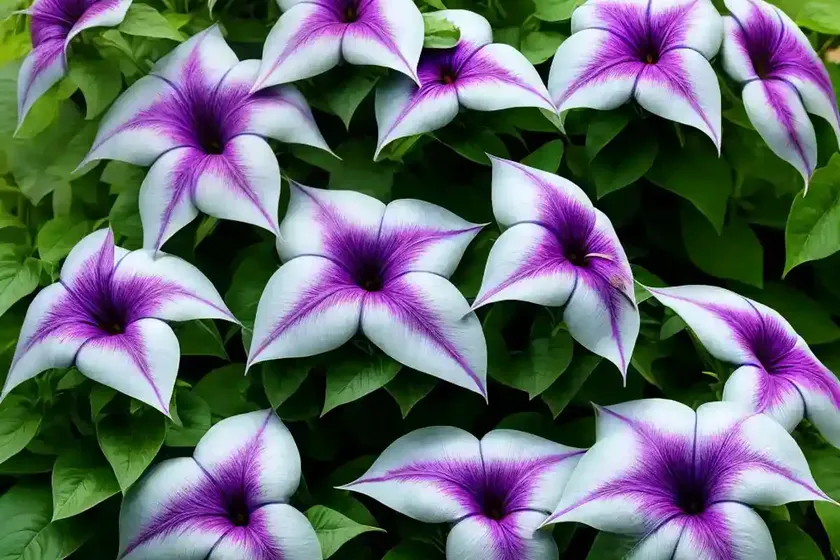
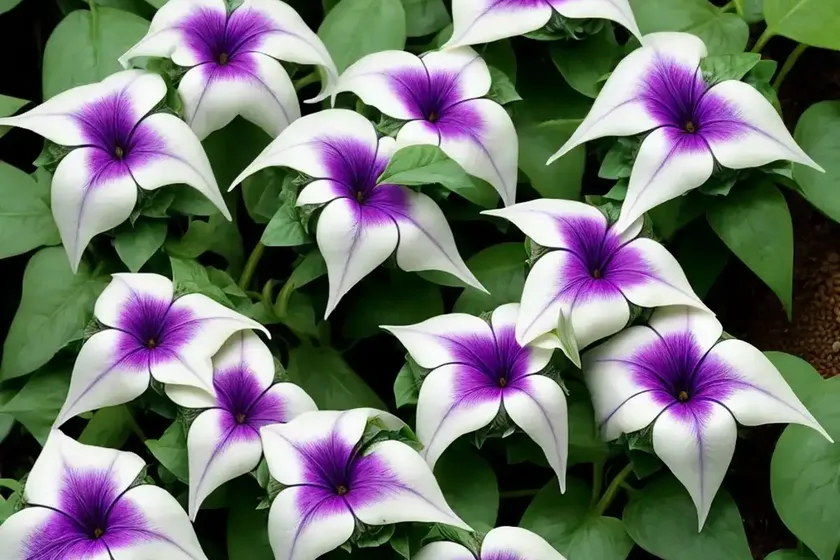
When it comes to adding color and charm to your garden, the Dwarf Morning Glory, scientifically known as Convolvulus tricolor, is an excellent choice. With its vibrant flowers and easy-going nature, this plant has become a popular selection for both beginner and experienced gardeners. In this comprehensive guide, we’ll explore everything you need to know about caring for and growing the Dwarf Morning Glory, from its cultural needs to common diseases and pests.
What is the Dwarf Morning Glory (Convolvulus Tricolor)?
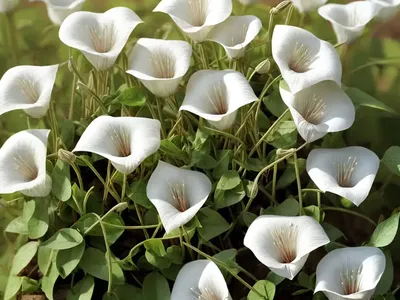
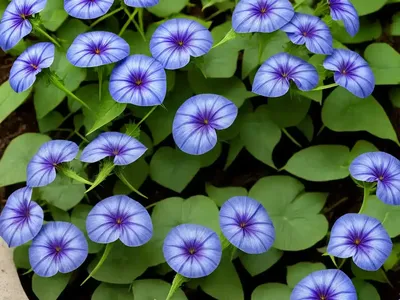
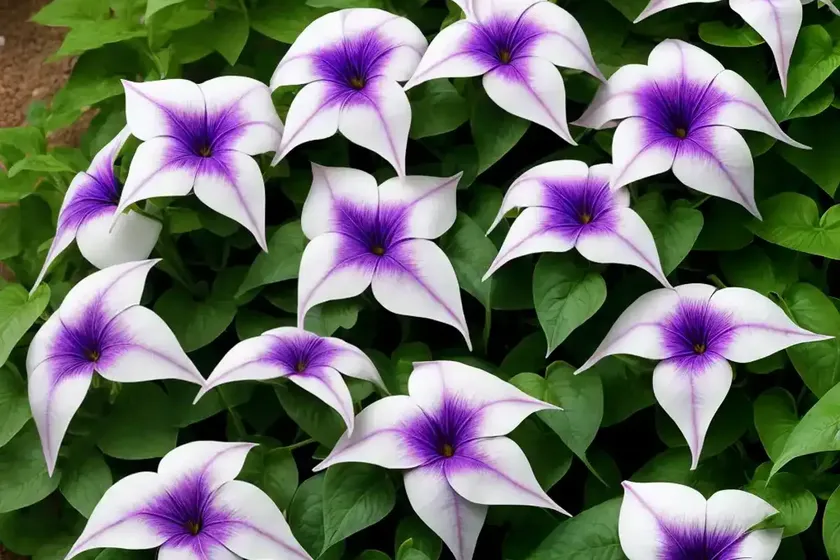
The Dwarf Morning Glory, or Convolvulus tricolor, is a low-growing annual plant that belongs to the Convolvulaceae family. This species is native to the Mediterranean region and is known for its striking, funnel-shaped flowers that come in a variety of colors, including blue, white, and pink. The plant typically reaches a height of 6 to 12 inches and spreads about 12 inches across, making it an ideal choice for borders, rock gardens, containers, or as ground cover.
Key Takeaways
Before we dive into the details of caring for the Dwarf Morning Glory, here are some key takeaways about this delightful plant:
- Scientific Name: Convolvulus tricolor
- Plant Type: Annual
- Mature Size: 6-12 inches tall, 12 inches spread
- Sunlight: Full sun
- Watering: Regular watering, well-draining soil
- Soil Type: Loamy, well-drained
- Flower Colors: Blue, white, pink
- Bloom Time: Summer to early fall
- Uses: Borders, rock gardens, containers, ground cover
Now that we have a basic understanding of what the Dwarf Morning Glory is, let’s explore the specific care requirements and growing tips for this beautiful plant.
Culture
Water
Proper watering is essential for the health and growth of Dwarf Morning Glory plants. While the plant prefers consistently moist soil, it’s important to ensure that the soil has excellent drainage to prevent waterlogging, which can lead to root rot. In hot and dry weather, regular watering is crucial to keep the soil evenly moist, but not waterlogged. Watering in the early morning or late afternoon is ideal to reduce water loss through evaporation.
Sunlight
Dwarf Morning Glory plants thrive in full sunlight. Select a planting location that receives at least 6-8 hours of direct sunlight each day. Insufficient sunlight may result in leggy growth and reduced flowering. In regions with extremely hot summers, some afternoon shade can be beneficial to prevent the plants from wilting.
Soil
When it comes to soil, Dwarf Morning Glory plants prefer a well-draining, loamy soil with a slightly acidic to neutral pH. Amending the soil with organic matter, such as compost, can help improve its overall structure and fertility. It’s important to ensure that the soil does not become compacted, as this can hinder the plant’s root development and overall growth.
Fertilizer
Dwarf Morning Glory plants benefit from a balanced, all-purpose fertilizer applied according to the manufacturer’s recommendations. A fertilizer with a slightly higher phosphorus content can promote blooming. It’s advisable to fertilize the plants at the beginning of the growing season and then periodically throughout the summer to support continuous growth and flowering.
Pruning
Pruning is not typically required for Dwarf Morning Glory plants, as they naturally maintain a compact and bushy shape. However, removing spent flowers, or deadheading, can encourage the plants to produce more blooms and prolong the flowering period. Additionally, if the plants begin to sprawl or become unruly, light pruning can help maintain a tidy appearance.
Propagation
Dwarf Morning Glory plants are commonly propagated from seeds, which can be sown directly into the garden after the last frost date. To enhance germination, it’s advisable to scarify the seeds by gently rubbing them with sandpaper or soaking them in warm water for a few hours before planting. When sowing the seeds, lightly cover them with soil and keep the area consistently moist until germination occurs, typically within 1-2 weeks.
Container Popularity
The Dwarf Morning Glory is well-suited for container gardening due to its compact size and vibrant flowers. When planting in containers, ensure that the pots have adequate drainage holes to prevent waterlogging. A high-quality, well-draining potting mix is essential for optimal growth. Place the containers in a sunny location and monitor the soil moisture regularly, as containerized plants may require more frequent watering compared to those in the ground.
Common Diseases and Pests
Disease Diagnosis
Dwarf Morning Glory plants are relatively resistant to diseases, especially when grown in well-drained soil and under optimal conditions. However, they can be susceptible to fungal diseases, such as powdery mildew and leaf spot, if the foliage remains overly damp or if air circulation is poor. To prevent these issues, avoid overhead watering and provide adequate spacing between plants to promote air circulation.
Common Pests
While Dwarf Morning Glory plants are generally low-maintenance, they may attract certain pests, including aphids and spider mites. Regularly inspect the plants for any signs of pest infestations, such as distorted growth, stippled leaves, or the presence of insects. If pests are detected, consider using natural methods of pest control, such as spraying the plants with a strong stream of water or applying insecticidal soap.
Botanist’s Tips
To ensure the health and vitality of your Dwarf Morning Glory plants, consider the following botanist’s tips:
- Select a well-draining planting location with ample sunlight.
- Monitor soil moisture regularly, especially during periods of hot and dry weather.
- Deadhead spent flowers to encourage continuous blooming.
- Avoid over-fertilization, as excessive nitrogen can lead to lush foliage at the expense of flowers.
- Watch for signs of pest infestations and act promptly to address any issues.
Fun Facts
Did you know?
- The Dwarf Morning Glory is not a true morning glory (Ipomoea species), but it shares similar characteristics, such as its climbing habit and vibrant flowers.
- The common name “morning glory” stems from the flowers’ tendency to bloom and unfurl their petals in the early morning hours.
- Dwarf Morning Glory plants are often used as colorful ground cover or in mixed container plantings for a pop of color.
Now that we’ve delved into the cultural needs, uses, and unique characteristics of the Dwarf Morning Glory, let’s explore additional resources and tips for cultivating and caring for this charming plant.
Links to External Resources
To further expand your knowledge and enhance your gardening experience with Dwarf Morning Glory, consider exploring the following external resources:
- The Spruce – How to Grow and Care for Dwarf Morning Glory (Convolvulus Tricolor)
- Gardening Know How – Dwarf Morning Glory Care: Tips For Growing Dwarf Morning Glory
- American Meadows – How to Grow Convolvulus Tricolor (Dwarf Morning Glory) from Seed
In summary, the Dwarf Morning Glory (Convolvulus tricolor) is a delightful and adaptable plant that can bring vibrant color and visual interest to a variety of garden settings. By understanding its specific cultural needs, uses, and potential challenges, you can cultivate and care for these charming plants with confidence, beautifying your outdoor space and enjoying their unique appeal throughout the growing season.
Whether you’re a seasoned gardener or just beginning your horticultural journey, the Dwarf Morning Glory is a rewarding and low-maintenance addition to any garden, providing a cheerful display of colorful blooms and a touch of natural beauty.
Remember to personalize the care and maintenance of your Dwarf Morning Glory plants based on your local climate and growing conditions, and don’t hesitate to experiment with different varieties to discover the full spectrum of colors and forms available within this delightful species.
The article provides an extensive guide on the cultural needs, uses, and unique characteristics of the Dwarf Morning Glory (Convolvulus tricolor). It covers essential aspects such as watering, sunlight, soil, fertilizer, pruning, propagation, container gardening, common diseases, pests, botanist’s tips, and fun facts about this delightful plant. Additionally, it includes links to external resources for further information and guidance.