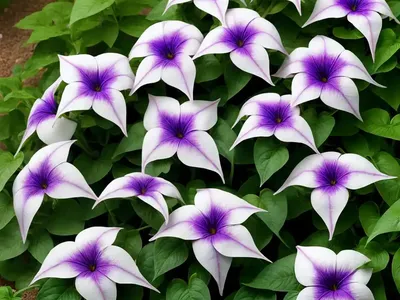
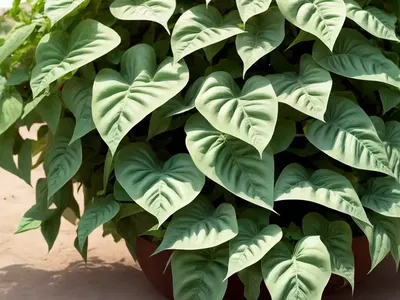
Field Bindweed (Convolvulus Arvensis)
Field bindweed (Convolvulus arvensis) is a perennial broadleaf plant that belongs to the morning glory family, Convolvulaceae. This vine-like plant is.

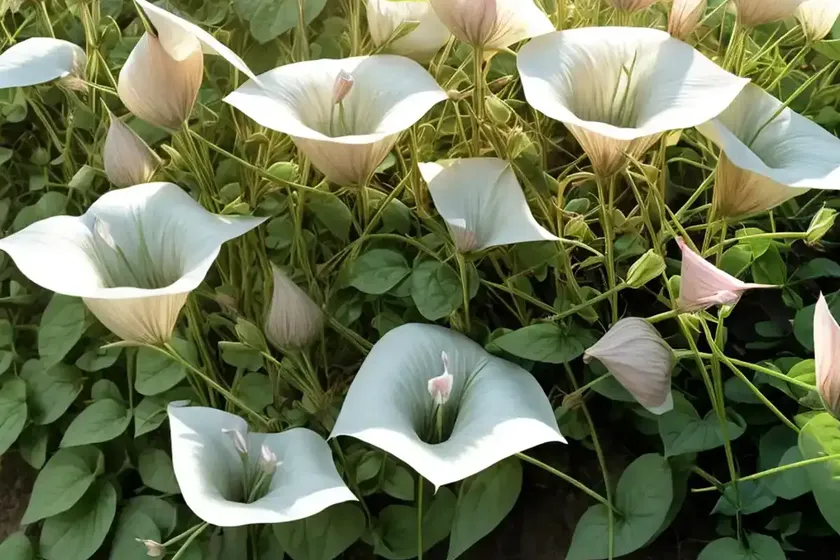
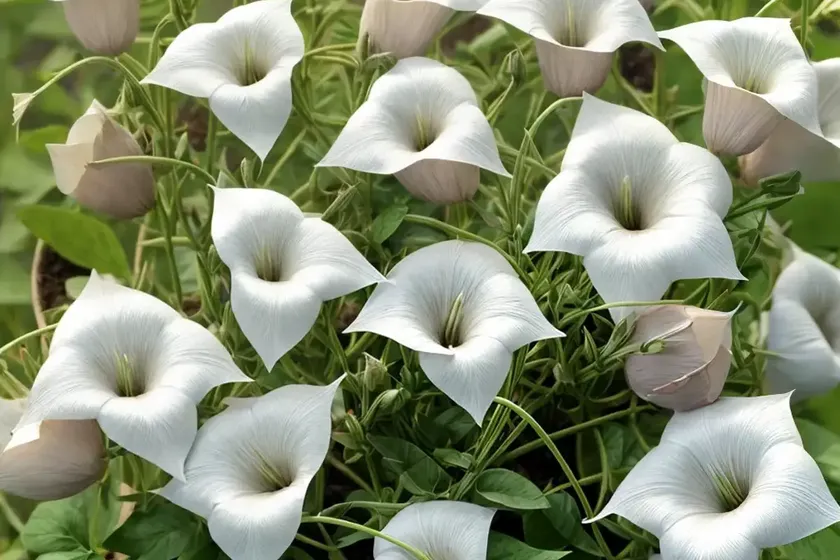
Field bindweed (Convolvulus arvensis) is a perennial broadleaf plant that belongs to the morning glory family, Convolvulaceae. This vine-like plant is known for its climbing behavior and the white to pink funnel-shaped flowers that bloom from spring to fall. While it may appear aesthetically pleasing, field bindweed is notorious for its invasive nature and ability to compete with crops, causing significant economic and ecological impacts.
In this comprehensive guide, we will delve into all aspects of field bindweed, from its characteristics and growth habits to management and control strategies. Whether you are a gardener, agricultural professional, or simply interested in learning about this plant, this article aims to provide valuable insights into understanding and managing field bindweed effectively.
Key Takeaways – Field Bindweed (Convolvulus arvensis)
Before we delve into the various aspects of field bindweed, let’s highlight some key takeaways about this plant:
- Scientific Name: Convolvulus arvensis
- Family: Convolvulaceae
- Plant Type: Perennial vine
- Flower Characteristics: White to pink funnel-shaped flowers
- Invasiveness: Highly invasive with significant economic and ecological impacts
- Growth Habit: Climbing behavior with long, creeping roots
- Challenges: Competes with crops, difficult to eradicate, and resilient to control measures
Now that we have a brief overview, let’s explore the essential aspects of understanding, managing, and controlling field bindweed.
What is Field Bindweed (Convolvulus arvensis)?
Field bindweed, scientifically known as Convolvulus arvensis, is a perennial herbaceous plant native to Europe and Asia. However, due to its invasive nature, it has spread to various parts of the world, including North America, Australia, and New Zealand. The plant typically thrives in agricultural fields, gardens, and disturbed habitats, where it can quickly establish and spread through its extensive root system and abundant seed production.
Characteristics of Field Bindweed
Understanding the physical characteristics of field bindweed can help in identifying and differentiating it from other plant species. Here are some key characteristics of Convolvulus arvensis:
- Leaves: The leaves are arrowhead-shaped, generally alternate along the stem, and possess a deep, rounded base.
- Stems: The stems of field bindweed are thin, twining, and capable of climbing upright structures or sprawling across the ground.
- Flowers: Field bindweed produces showy white to pink flowers with five fused petals, forming a funnel-shaped structure.
- Root System: The plant develops a robust and extensive root system, consisting of both deep taproots and creeping underground rhizomes.
Growth Habits of Field Bindweed
Field bindweed exhibits vigorous growth habits, making it a formidable competitor in various ecosystems. Understanding its growth patterns and lifecycle is crucial for devising effective management strategies. Here are some key growth habits of Convolvulus arvensis:
- Climbing Behavior: The plant is renowned for its climbing behavior, utilizing its twining stems to wrap around support structures or other plants for vertical growth.
- Seed Production: Field bindweed is prolific in seed production, with a single plant capable of producing hundreds of seeds that remain viable in the soil for many years.
- Persistence: Despite control efforts, the plant can exhibit remarkable persistence due to its extensive root system, enabling it to resprout from underground rhizomes.
Now that we have established an understanding of the plant’s characteristics and growth habits, let’s explore various aspects of its culture, including its requirements for water, sunlight, soil, and fertilizer.
Culture
Cultivating field bindweed or managing its presence in agricultural and horticultural settings requires a comprehensive understanding of its cultural requirements and optimal growing conditions. By understanding these factors, one can effectively implement control measures and prevent the plant from establishing a stronghold in desired areas.
Water
Field bindweed exhibits a degree of adaptability to different moisture conditions, being capable of tolerating both dry and moist soils. However, its aggressive nature can be fueled by watering regimes that favor its growth, potentially leading to increased invasiveness. Understanding the plant’s water requirements and implementing appropriate watering practices is essential for controlling its proliferation.
Watering Considerations:
- Avoid Overwatering: Excessive soil moisture can promote the growth of field bindweed, especially in areas where moisture levels are favorable for its establishment.
- Prolonged Dry Periods: While the plant can tolerate drought conditions, prolonged periods of dryness may inhibit its growth and spread, potentially serving as a natural control mechanism.
Sunlight
Like many plants, field bindweed’s growth and development are influenced by sunlight availability. Understanding its sunlight requirements can aid in devising strategies to limit its proliferation and mitigate its impacts on crops and native vegetation.
Sunlight Preferences:
- Full Sun: Field bindweed thrives in full sunlight and can exhibit robust growth when provided with ample light.
- Partial Shade: While the plant prefers full sun, it can also establish and spread in areas with partial shade, albeit with slightly reduced vigor.
Fertilizer
The impact of fertilization on field bindweed is a subject of consideration, especially in agricultural settings where soil fertility management is crucial for crop productivity. Understanding the plant’s response to soil nutrients and fertilizer applications can help in devising integrated management strategies.
Fertilization Practices:
- Nitrogen Impact: Excessive nitrogen fertilization can potentially promote the growth of field bindweed, as the plant can capitalize on increased soil fertility to fuel its aggressive spread.
- Balanced Fertilization: Implementing balanced fertilization practices that cater to the needs of desired crops while considering the competitive abilities of field bindweed is crucial for managing its impact.
Soil
The relationship between field bindweed and soil characteristics plays a pivotal role in determining its establishment and spread. Recognizing the plant’s adaptability to different soil types and its preferences can aid in developing soil-based management approaches.
Soil Considerations:
- Adaptability: Field bindweed demonstrates adaptability to a wide range of soil types, including sandy, loamy, and clayey soils.
- Soil Disturbance: The plant often thrives in areas with disrupted soil, such as agricultural fields, gardens, and areas with increased human activity.
Pruning
In the context of field bindweed management, the concept of pruning takes on a different perspective compared to traditional horticultural practices. Since the plant’s growth habits involve twining and creeping, the role of pruning primarily focuses on containment and preventing the production of seeds to limit its spread.
Pruning Techniques:
- Regular Removal: Periodically removing the above-ground growth of field bindweed can help in restricting its spread and preventing the production of new seeds.
- Containment: Pruning or cutting back the plant to prevent it from climbing and spreading onto desired vegetation or support structures can aid in control efforts.
Propagation
Understanding the reproductive biology and propagation strategies of field bindweed is essential for developing effective control and management approaches. By recognizing the plant’s reproductive capabilities, measures can be implemented to limit its propagation and prevent the establishment of new infestations.
Reproductive Strategies:
- Seed Production: Field bindweed is prolific in seed production, capable of producing numerous seeds with high viability.
- Underground Rhizomes: The plant’s extensive underground rhizomes serve as a means of vegetative propagation, allowing it to spread rapidly and establish new growth points.
Container Popularity
While field bindweed is not typically cultivated as an ornamental plant due to its invasive nature, its presence in containers may occur inadvertently or as a result of its ability to spread via seeds or rhizomes. Understanding the challenges associated with managing field bindweed in containers is essential for preventing its proliferation and maintaining the desired plantings or crops.
Container Considerations:
- Seed Dispersal Prevention: When cultivating plants in containers, implementing measures to prevent the establishment of field bindweed from dispersed seeds is crucial.
- Rhizome Containment: Vigilance in monitoring and preventing the spread of field bindweed through rhizomes within container plantings is essential for containment.
Common Diseases
Field bindweed, with its robust growth habits and extensive propagation strategies, exhibits resilience to various environmental stressors and pathogens. However, understanding the plant’s susceptibility to diseases and disorders can provide insights into potential avenues for its management and control.
Disease Susceptibility:
- Limited Disease Impact: Field bindweed is known for its resilience to many conventional plant diseases, with limited documented instances of significant disease impact on its population.
- Focus on Management: While diseases may not pose a significant threat to the plant, effective management and control strategies are essential to address its vigorous growth and competitive abilities.
Disease Diagnosis
Despite the plant’s limited susceptibility to diseases, instances of abnormal growth or discoloration may require diagnostic efforts to rule out potential issues. However, in the context of field bindweed management, the focus is primarily on confirming its identity and implementing control measures rather than diagnosing specific diseases.
Diagnostic Considerations:
- Focused Identification: Confirming the presence of field bindweed and distinguishing it from other plant species is a primary consideration in managing its impact.
- Growth Patterns: Observing the plant’s growth patterns and morphological characteristics can aid in confirming its identity and devising control strategies.
Common Pests
While field bindweed’s competitive abilities and ecological impact are primarily attributed to its invasive nature, understanding its interactions with pests and potential avenues for biological control is essential for integrated management approaches.
Pest Interactions:
- Limited Pest Impact: Field bindweed exhibits resilience to many conventional plant pests, with limited recorded instances of significant pest pressure affecting its population.
- Biological Control Considerations: Exploring the potential for biological control agents, such as insects or pathogens, to target field bindweed may offer alternative strategies for managing its impact.
Now that we have explored various aspects of field bindweed, from its cultural requirements to common diseases and pests, let’s delve into a botanist’s tips for effectively managing and controlling this invasive plant.
Botanist’s Tips
As a botanist, managing field bindweed involves a combination of systematic approaches, persistence, and a deep understanding of the plant’s characteristics and ecological impact. Here are some botanist’s tips to aid in the effective management of field bindweed:
- Identify Early: Early detection and confirmation of field bindweed’s presence are crucial for implementing timely control measures and preventing its establishment.
- Integrated Control: Utilize a combination of control measures, including mechanical, cultural, and potentially chemical methods, to address field bindweed’s competitive abilities.
- Monitoring and Persistence: Regular monitoring and persistence in control efforts are essential, as field bindweed’s resilience and persistence require consistent management.
- Prevent Seed Production: Implement measures to prevent seed production, such as regular removal of flowers and seed heads, to limit the plant’s spread and minimize its seed bank.
Fun Facts
Despite its negative reputation as an invasive species, field bindweed has several interesting and remarkable aspects that contribute to its ecological significance and adaptability. Here are some fun facts about field bindweed:
- Pollinator Attraction: Despite its invasiveness, field bindweed’s flowers attract pollinators, including bees and butterflies, contributing to local ecosystems.
- Medicinal Uses: In traditional medicine, certain formulations have utilized extracts from field bindweed for their potential medicinal properties, although caution must be exercised due to its toxic nature.
- Wildlife Shelter: The dense growth of field bindweed can serve as shelter for small wildlife species, highlighting its ecological role in providing habitat components.
Now that we have explored the intriguing aspects of field bindweed, it is essential to provide access to authoritative external resources for further learning and reference.
Links to External Resources
To expand on the knowledge presented in this article and provide readers with additional insights, the following external resources offer authoritative information on field bindweed (Convolvulus arvensis):
- USDA National Invasive Species Information Center – Field Bindweed
- University of California Integrated Pest Management Program – Field Bindweed Management Guidelines
- Royal Botanic Gardens, Kew – Convolvulus arvensis Information
- Global Invasive Species Database – Convolvulus arvensis
- Plantwise Knowledge Bank – Field Bindweed Control and Prevention
By providing detailed insights into the characteristics, culture, and management of field bindweed (Convolvulus arvensis), this article aims to serve as a comprehensive resource for understanding and addressing the challenges associated with this invasive plant species. From its growth habits and propagation strategies to botanist’s tips and fun facts, the information presented offers valuable guidance for professionals and enthusiasts alike.
Whether you are an agricultural practitioner seeking effective control methods or a plant enthusiast interested in understanding the ecological impact of invasive species, the intricate details of field bindweed presented here aim to foster a deeper appreciation for the complexities of plant management and conservation.