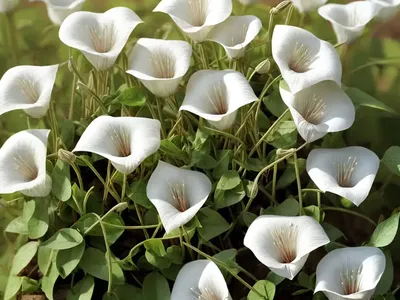
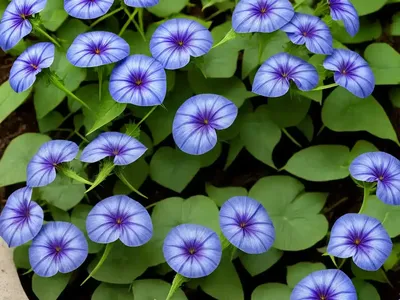
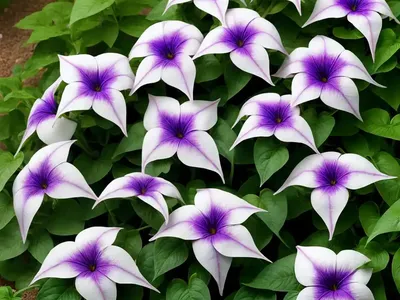
Sweet Potato Vine (Ipomoea Batatas)
The Sweet Potato Vine (Ipomoea Batatas) is a versatile and attractive plant that is widely popular for its ornamental use, edible tubers, and numerous.
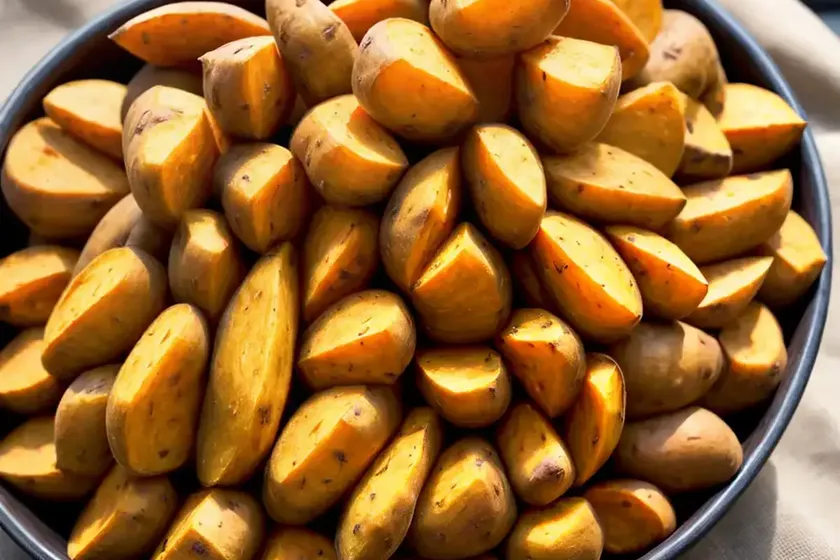
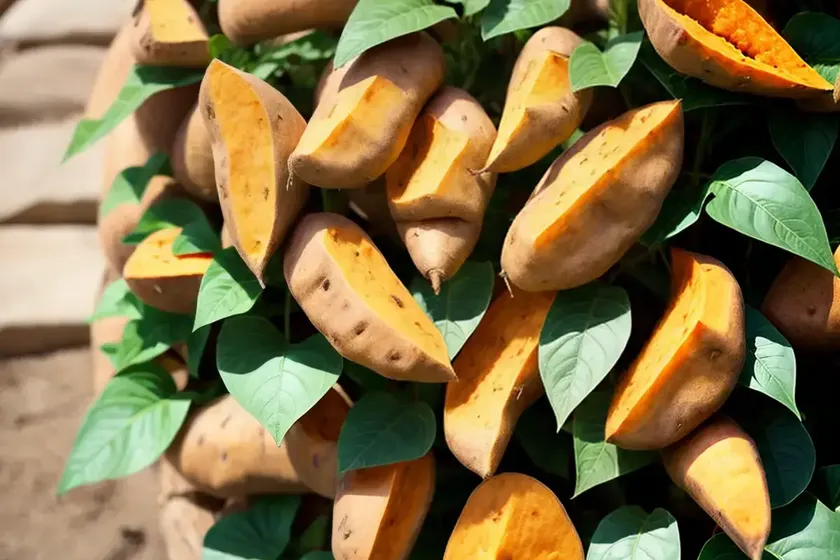
The Sweet Potato Vine (Ipomoea Batatas) is a versatile and attractive plant that is widely popular for its ornamental use, edible tubers, and numerous health benefits. In this comprehensive guide, we will delve into the intricacies of the Sweet Potato Vine, exploring its cultural requirements, propagation, common uses, and addressing issues related to diseases and pests. Whether you are a seasoned horticulturist or a novice gardener, this guide is designed to provide valuable insights into maximizing the potential of this remarkable plant.
What is the Sweet Potato Vine (Ipomoea Batatas)?
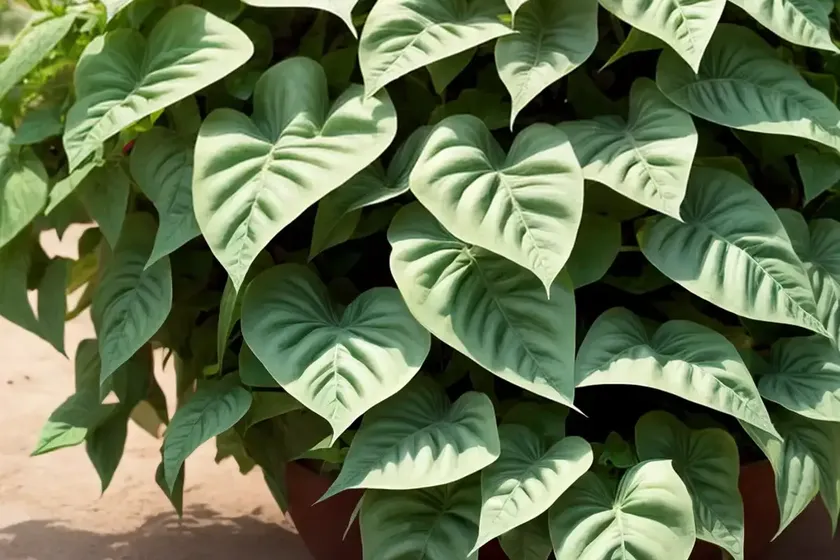
The Sweet Potato Vine, scientifically known as Ipomoea Batatas, is a perennial vine native to the tropical regions of the Americas. It belongs to the family Convolvulaceae and is renowned for its vibrant, heart-shaped leaves and trailing stems. While the plant is cultivated predominantly for its edible tubers, it has also gained immense popularity as an ornamental plant, adorning gardens, landscapes, and containers with its lush foliage.
Key Takeaways – Sweet Potato Vine (Ipomoea Batatas)
Before we delve further into the intricacies of the Sweet Potato Vine, let’s briefly summarize its key characteristics and benefits:
- Sweet Potato Vine Varieties: The Sweet Potato Vine encompasses a wide array of cultivars with varying leaf colors, including chartreuse, purple, and variegated patterns.
- Growing Sweet Potato Vine: This plant thrives in warm, tropical climates and requires well-drained soil and ample sunlight for optimal growth.
- Sweet Potato Vine Propagation: Propagation can be achieved through stem cuttings, making it an accessible plant to multiply and share among gardening enthusiasts.
- Sweet Potato Vine Benefits: In addition to its ornamental appeal, the Sweet Potato Vine also offers edible tubers that are packed with essential nutrients and health benefits.
With these key takeaways in mind, let’s embark on a journey to explore the cultural requirements, uses, and maintenance of the Sweet Potato Vine.
Culture of Sweet Potato Vine (Ipomoea Batatas)
Cultivating the Sweet Potato Vine requires an understanding of its specific cultural requirements to foster healthy growth and maximize its potential as an ornamental and nutritional plant.
Water
The Sweet Potato Vine thrives in moist but well-drained soil. Adequate watering is crucial, particularly during the active growth phase, to ensure that the soil remains consistently moist. However, it is important to avoid waterlogged conditions, as excessive moisture can lead to root rot and other fungal diseases.
Sunlight
This plant thrives in full sunlight, necessitating at least six to eight hours of direct sunlight for optimal growth. In regions with scorching summers, some varieties may benefit from partial shade during the peak of the day to prevent leaf scorching.
Fertilizer
When it comes to fertilization, the Sweet Potato Vine responds well to regular applications of a balanced, all-purpose fertilizer throughout the growing season. A slow-release fertilizer can be particularly beneficial in promoting sustained growth and vibrant foliage.
Soil
The ideal soil for cultivating Sweet Potato Vine is well-drained and loamy, rich in organic matter. A slightly acidic to neutral pH range of 5.8 to 6.2 is optimal for robust growth. Amending the soil with compost can enhance its structure and nutrient content, providing an ideal foundation for the plant to thrive.
Pruning and Maintenance
Pruning is an essential practice for maintaining the vigor and aesthetics of the Sweet Potato Vine. Regular pruning helps control its growth, shapes the plant, and encourages branching, thereby promoting a fuller and lusher appearance.
- Pruning Tips: Trim the vine regularly to control its spread and remove any leggy or overgrown stems. Additionally, periodic deadheading of spent flowers can prolong the plant’s blooming period and bolster its overall appearance.
Propagation of Sweet Potato Vine
Propagating the Sweet Potato Vine is a straightforward process that allows gardening enthusiasts to multiply their plants and share them with others. Stem cuttings serve as the primary method of propagation, offering a reliable means of creating new plants with genetic characteristics identical to the parent.
- Propagation Methods: Select healthy, non-flowering stems for propagation, ensuring that each cutting possesses at least two to three leaf nodes. Once rooted, the cuttings can be transplanted into individual containers or directly into the garden, allowing them to establish and flourish.
Container Gardening with Sweet Potato Vine
The Sweet Potato Vine is exceptionally well-suited for container gardening, adding a vibrant and lush element to patios, balconies, and outdoor living spaces. When it comes to container gardening with the Sweet Potato Vine, a few key considerations can help ensure successful growth and visual impact.
- Container Selection: Opt for spacious containers with adequate drainage holes, allowing for unrestricted root growth and efficient water drainage.
- Soil Mix: Utilize well-draining, nutrient-rich potting mix to provide an optimal growing medium for the Sweet Potato Vine.
- Watering: Container-grown Sweet Potato Vines may require more frequent watering, as the soil in containers tends to dry out more rapidly. Monitor the soil moisture consistently and adjust the watering frequency as needed to maintain ideal growing conditions.
- Fertilization: Regular applications of a balanced liquid fertilizer can supplement the nutrient requirements of container-grown Sweet Potato Vines, promoting healthy growth and vibrant foliage.
Popularity and Common Uses
The Sweet Potato Vine has garnered widespread popularity for its versatile uses, encompassing both ornamental and culinary applications.
Ornamental Uses
The plant’s vibrant and intricately shaped foliage makes it a prized addition to gardens, landscapes, and containers. With its striking display of heart-shaped leaves and trailing growth habit, the Sweet Potato Vine serves as an excellent choice for:
- Ground Cover: When planted en masse, the Sweet Potato Vine forms a dense carpet of foliage, effectively covering bare ground and suppressing weed growth.
- Trailing Vines: Its cascading growth habit makes it an ideal candidate for hanging baskets, window boxes, and elevated planters, where its lush stems can drape gracefully, creating a visually captivating display.
- Landscape Design: Incorporating the Sweet Potato Vine into landscape designs adds a dynamic element, particularly in areas that can benefit from a touch of vibrant foliage and a cascading texture.
- Vertical Gardening: Utilizing trellises and other vertical structures, the Sweet Potato Vine can be trained to climb, adding a vertical dimension to outdoor spaces and making efficient use of limited ground area.
Culinary Uses and Nutritional Benefits
In addition to its ornamental appeal, the Sweet Potato Vine offers edible tubers that are rich in essential nutrients and possess numerous culinary uses. The tubers are cultivated for their:
- Nutritional Value: Sweet Potato tubers are a rich source of vitamins, minerals, and dietary fiber, offering a nutrient-dense addition to a balanced diet.
- Culinary Versatility: Sweet Potatoes can be prepared in a multitude of ways, ranging from roasting and mashing to incorporating them into soups, stews, and baking recipes.
- Health Benefits: The consumption of Sweet Potatoes is associated with various health benefits, including improved digestion, enhanced immune function, and better blood sugar regulation.
Common Diseases and Disease Diagnosis
The Sweet Potato Vine is generally resilient to diseases and can thrive with minimal intervention. However, like all plants, it is susceptible to certain diseases and disorders that can affect its overall health and vitality. Identifying and addressing these issues promptly is crucial for mitigating their impact and preserving the plant’s well-being.
Common Diseases
- Powdery Mildew: This fungal disease manifests as a powdery white coating on the plant’s foliage, leading to leaf distortion and premature defoliation. It thrives in humid conditions and can be controlled through proper air circulation and fungicidal treatments.
- Root Rot: Excessive moisture and waterlogged soil can predispose the Sweet Potato Vine to root rot, leading to wilting, stunted growth, and eventual plant decline. Addressing underlying drainage issues and adjusting watering practices can prevent this condition.
- Leaf Spot Diseases: Various fungal and bacterial pathogens can cause leaf spot diseases, resulting in the formation of conspicuous lesions on the foliage. Maintaining good air circulation and practicing proper sanitation can help manage and prevent these diseases.
Disease Diagnosis
Diagnosing diseases affecting the Sweet Potato Vine involves thorough observation of the plant’s symptoms and an understanding of the prevailing environmental conditions. Accurate diagnosis is vital for implementing targeted treatment measures and preventing the spread of diseases within the garden or landscape.
- Symptom Identification: Carefully examine the plant for any abnormal symptoms, including discoloration, lesions, wilting, or unusual growth patterns.
- Environmental Assessment: Evaluate the cultural conditions, including watering practices, soil drainage, and sunlight exposure, to identify any factors that may predispose the plant to diseases.
- Expert Consultation: If unsure about the nature of a disease affecting the Sweet Potato Vine, seek guidance from experienced horticulturists or plant pathologists for accurate diagnosis and treatment recommendations.
Common Pests and Pest Control
Pests can pose a significant threat to the health and aesthetics of the Sweet Potato Vine, necessitating diligent monitoring and proactive measures to prevent infestations and mitigate their impact.
Common Pests
- Aphids: These small, sap-sucking insects can congregate on the foliage of the Sweet Potato Vine, causing leaf distortion and honeydew secretion. Regular inspection and the use of insecticidal soaps can help manage aphid populations.
- Spider Mites: Spider mites are microscopic pests that thrive in dry conditions, causing stippling and webbing on the plant’s leaves. Increased humidity, periodic foliar sprays, and natural predators can aid in controlling spider mite infestations.
- Whiteflies: These tiny, white, moth-like insects can congregate on the undersides of the Sweet Potato Vine’s leaves, sapping the plant’s sap and leading to leaf yellowing and reduced vigor. Yellow sticky traps and insecticidal measures can help curb whitefly populations.
Pest Control
Integrated pest management (IPM) practices form the cornerstone of effective pest control for the Sweet Potato Vine, emphasizing a holistic and sustainable approach to managing pests.
- Cultural Practices: Implement cultural practices that promote overall plant health, including appropriate watering, adequate fertilization, and optimal sunlight exposure, to bolster the plant’s natural defenses against pests.
- Biological Control: Encourage the presence of natural predators and beneficial insects that prey on common pests, such as ladybugs, lacewings, and predatory mites, to maintain pest populations at manageable levels.
- Minimal Intervention: Exercise restraint in pesticide application, opting for targeted treatments only when pest populations surpass tolerable thresholds, and employ least-toxic options to minimize environmental impact.
Botanist’s Tips for Growing Sweet Potato Vine
To assist gardening enthusiasts in optimizing the cultivation of the Sweet Potato Vine, here are some valuable tips and insights from seasoned botanists and horticulturists:
- Varied Cultivars: Explore the diverse range of Sweet Potato Vine varieties, encompassing various leaf colors and unique growth habits, to add visual interest and diversity to garden spaces.
- Overwintering Techniques: In regions with frost-prone winters, consider overwintering potted Sweet Potato Vines indoors to ensure their survival and transplant them back into the garden once the threat of frost has passed in spring.
- Adaptive Uses: Experiment with the edible tubers of the Sweet Potato Vine in culinary preparations, exploring their versatility and nutritional benefits for a wholesome and sustainable lifestyle.
Fun Facts about the Sweet Potato Vine
To impart a touch of fascinating trivia about the Sweet Potato Vine, here are some intriguing fun facts that highlight the distinctive characteristics and uses of this remarkable plant:
- The Sweet Potato Vine is botanically related to the morning glory (Ipomoea purpurea), encapsulating the same enchanting allure and vigorous growth habit.
- The leaves of some Sweet Potato Vine varieties exhibit a striking color transformation, intensifying from chartreuse to deep purple under the influence of varying light intensities and temperatures.
- In addition to its floral appeal and edibility, the Sweet Potato Vine serves as a natural dye resource, producing various hues of pink, mauve, and maroon from its tubers, catering to artisanal and traditional craftsmanship.
- The Sweet Potato Vine can serve as an excellent companion plant, aiding in natural pest control and enhancing the overall biodiversity of garden ecosystems.
- Certain trailing varieties of the Sweet Potato Vine are well-suited for vertical gardening applications, cascading elegantly from elevated planters and trellises, creating striking visual displays.
Links to External Resources
For those seeking further detailed information and practical insights into the cultivation of the Sweet Potato Vine, the following external resources provide valuable guidance and comprehensive coverage of the plant’s attributes and uses:
- Clemson Cooperative Extension – Sweet Potato Production Guide: This comprehensive guide offers in-depth coverage of all aspects of sweet potato production, including cultivation, pest management, and harvesting.
- Mississippi State University Extension – Sweet Potato Cultivars: Explore the diverse array of sweet potato cultivars and their unique traits, guiding selection and cultivation practices for optimal growth and productivity.
- University of Florida IFAS Extension – Sweet Potato Diseases: A detailed resource delving into the diseases affecting sweet potatoes, offering valuable diagnostic insights and integrated disease management strategies.
By integrating insights from these external resources with the practical guidance presented in this comprehensive guide, gardening enthusiasts and plant aficionados can foster thriving and visually captivating Sweet Potato Vine specimens, embracing the plant’s ornamental and nutritional attributes with confidence and proficiency.
In conclusion, the Sweet Potato Vine (Ipomoea Batatas) stands as an exemplar of versatile and compelling horticultural prowess, captivating enthusiasts with its striking foliage, culinary potential, and overall charm as an ornamental addition to outdoor environments. Embracing the sustainable benefits and aesthetic allure of this remarkable plant unlocks a world of possibilities for gardeners and landscape enthusiasts, enriching outdoor spaces and lifestyles with its exuberant presence.
I. Batatas https://en.wikipedia.org/wiki/Sweet_potato
II. Batatas Varieties. https://www.gardeningknowhow.com/edible/vegetables/sweet-potato/sweet-potato-vine-types.htm
III. Batatas Care. https://www.almanac.com/plant/sweet-potatoes
IV. Batatas Propagation. https://www.smallfootprintfamily.com/grow-sweet-potato-slips
V. Sweet Potato Vine Cultivars. https://www.reference.com/science/sweet-potato-plant-eaten-b3859f9a192c26c2
VI. Sweet Potato Vine Ground Cover. https://homeguides.sfgate.com/use-sweet-potato-vine-ground-cover-43570.html
VII. Sweet Potato Vine Culinary Uses. https://food.unl.edu/plant-sweet-potato-vine-ornamental-or-edible
VIII. Sweet Potato Vine Pests. https://www.maximumyield.com/growing-the-sweet-potato-vine/2/1294#:~:text=Common%20pests%20and%20problems%20with%20sweet%20potato%20vines,are%20known%20to%20bother%20this%20plant
IX. Sweet Potato Vine Diseases. https://www.rhs.org.uk/advice/profile?PID=939
X. Sweet Potato Vine Container Gardening Tips. https://www.gardeningknowhow.com/edible/vegetables/sweet-potato/grow-sweet-potatoes-in-containers.htm