Japanese Holly (Ilex crenata ‘Sky Pencil’): A Comprehensive Guide
Introduction
When it comes to adding an element of elegance and sophistication to your garden or landscape, Japanese holly (Ilex crenata ‘Sky Pencil’) stands out for its striking appearance and versatility. This evergreen plant is beloved for its slender, columnar shape and compact size, making it an ideal choice for those looking to create a vertical accent or a screen in a limited space. In this comprehensive guide, we will delve into various aspects of the Japanese holly, including its culture, uses, care requirements, common diseases, and propagation techniques. Whether you are a seasoned gardener or a novice plant enthusiast, this guide will equip you with the knowledge to cultivate and maintain this unique ornamental plant successfully.
What is Japanese Holly (Ilex crenata ‘Sky Pencil’)?
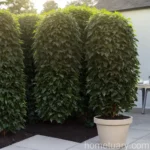
Japanese holly (Ilex crenata) is a species of evergreen holly native to eastern China, Korea, and Japan. It belongs to the Aquifoliaceae family and is prized for its compact, upright growth habit. The ‘Sky Pencil’ cultivar, in particular, is renowned for its narrow, columnar form, reaching heights of 6 to 10 feet and widths of only 2 to 3 feet at maturity. This distinctive growth pattern sets it apart from other holly varieties and makes it an ideal choice for vertical landscaping, borders, and containers.
Key Takeaways – Japanese Holly (Ilex crenata ‘Sky Pencil’)
Before diving into the specifics of cultivating and caring for Japanese holly, let’s take a look at the key takeaways that encapsulate its unique characteristics and attributes.
- Plant Name: Japanese holly (Ilex crenata ‘Sky Pencil’)
- Species: Ilex crenata
- Cultivar: ‘Sky Pencil’
- Family: Aquifoliaceae
Culture
Uses
Japanese holly (Ilex crenata ‘Sky Pencil’) has a wide range of uses, thanks to its compact and narrow growth habit. Some common applications include:
- Vertical Accent: Its tall, narrow form makes it an excellent choice for creating vertical accents in the landscape or garden.
- Privacy Screen: When planted in rows, it can serve as a dense and attractive privacy screen or hedge.
- Containers: Its slender profile makes it suitable for container gardening, even in small spaces.
Water
Proper watering is crucial for the health and vitality of Japanese holly, particularly during its establishment phase. Here are some essential considerations for watering this plant:
- Initial Establishment: Newly planted Japanese holly should be watered regularly, ensuring that the soil remains consistently moist but not waterlogged.
- Established Plants: Once established, Japanese holly is relatively drought-tolerant but will benefit from regular watering during dry spells, especially in containers or when grown in sandy soils.
Sunlight
Japanese holly (Ilex crenata ‘Sky Pencil’) performs best when grown in the following light conditions:
- Full Sun to Partial Shade: It thrives in full sun to partial shade, although it may exhibit reduced growth in dense shade.
- Protection from Harsh Afternoon Sun: In hot climates, providing some protection from harsh afternoon sun can help prevent leaf scorch.
Fertilizer
Proper fertilization is essential for promoting healthy growth and lush foliage in Japanese holly. Consider the following guidelines:
- Balanced Fertilizer: Use a balanced, slow-release fertilizer formulated for acid-loving plants in spring, following the manufacturer’s recommendations.
- Avoid Excessive Nitrogen: Excessive nitrogen can lead to excessive foliar growth, making the plant more susceptible to pests and diseases.
Soil
The right soil conditions are essential for supporting the growth and development of Japanese holly. Here’s what to keep in mind when it comes to soil:
- Well-Draining Soil: Japanese holly prefers well-draining, slightly acidic soils with a pH range of 5.0 to 6.5.
- Organic Matter: Amending the soil with organic matter, such as peat moss or compost, can improve both drainage and soil structure.
Pruning
Pruning is an important aspect of Japanese holly (Ilex crenata ‘Sky Pencil’) maintenance, helping to shape the plant, promote denser growth, and remove any dead or diseased branches. Here are some key pruning tips to keep in mind:
- Timing: Prune Japanese holly in late winter or early spring before new growth emerges.
- Sanitize Pruning Tools: Use clean, sharp pruning tools to make precision cuts and minimize the risk of introducing diseases.
Propagation
Propagating Japanese holly can be achieved through various methods, including stem cuttings and seeds. Here’s an overview of the propagation techniques for this versatile plant:
- Seed Propagation: Propagating from seeds is possible, but it may take several years for the plant to reach maturity.
- Stem Cuttings: Taking stem cuttings in late spring or early summer and rooting them in a well-draining medium is a more reliable method for propagating Japanese holly.
Container Popularity
Japanese holly (Ilex crenata ‘Sky Pencil’) is highly popular for container gardening, thanks to its attractive, narrow form. When grown in containers, it can add an elegant touch to patios, porches, and other outdoor spaces with limited planting area.
Container Care
Proper care is critical to ensure the well-being of Japanese holly when grown in containers. Consider the following tips:
- Drainage: Ensure that the containers have adequate drainage holes to prevent waterlogging.
- Regular Watering: Container-grown plants may require more frequent watering, particularly during hot, dry periods.
- Fertilization: Use a controlled-release fertilizer or feed the plant with a dilute liquid fertilizer during the growing season.
Common Diseases
Like all plants, Japanese holly is susceptible to certain diseases, though it is generally considered relatively disease-resistant. Here are some common diseases to watch out for:
Disease Diagnosis
- Phytophthora Root Rot: This fungal disease can cause wilting, yellowing leaves, and eventual decline. Ensure proper drainage and avoid overwatering to prevent it.
- Leaf Spot: Fungal leaf spot diseases may occur, causing dark spots on the foliage. Remove and destroy affected leaves to prevent the spread of the disease.
Common Pests
While generally resistant to pests, Japanese holly may occasionally encounter pest issues. Some common pests to be aware of include:
- Scale Insects: These sap-feeding insects can cause yellowing of the leaves and a sticky substance on the plant. Control may involve horticultural oil or insecticidal soap.
- Spider Mites: These tiny pests may cause stippling and webbing on the leaves. Regularly spraying the plant with water can help deter them.
Botanist’s Tips
For those looking to maximize the visual impact and health of Japanese holly (Ilex crenata ‘Sky Pencil’), consider the following expert tips:
- Regular Inspection: Periodically inspect the plant for signs of pests, diseases, or nutrient deficiencies and take appropriate action.
- Mulching: Applying a layer of organic mulch around the base of the plant can help conserve moisture and regulate soil temperature.
Fun Facts
- Japanese holly (Ilex crenata ‘Sky Pencil’) is a member of the Aquifoliaceae family, which includes other holly species known for their distinctive red berries.
- The ‘Sky Pencil’ cultivar was selected for its unique columnar growth habit, making it a standout choice for vertical landscaping.
Links to External Resources
To further enhance your knowledge of Japanese holly (Ilex crenata ‘Sky Pencil’) and its cultivation, check out the following external resources:
- American Holly Society: Explore comprehensive information about holly species and their cultivation.
- Missouri Botanical Garden Plant Finder: Look up detailed plant profiles and growing information.
By understanding the key aspects of Japanese holly (Ilex crenata ‘Sky Pencil’) culture, care, and maintenance, you can confidently introduce this elegant and versatile plant into your garden or landscape. With its striking appearance, compact size, and adaptability, this ornamental holly is sure to make a lasting impression in any setting. Whether grown as a vertical accent, privacy screen, or container plant, the ‘Sky Pencil’ cultivar stands out as a top choice for adding a touch of sophistication to outdoor spaces. Remember to refer back to this guide for expert tips and valuable insights as you embark on your journey of cultivating Japanese holly.