Chinese Holly (Ilex cornuta): A Comprehensive Guide
In the world of ornamental shrubs, Chinese holly, scientifically known as Ilex cornuta, holds a special place. With its glossy evergreen leaves and vibrant berries, Chinese holly is not just visually stunning but also holds cultural and medicinal significance. This comprehensive guide will delve into the nuanced care, uses, and characteristics of Chinese holly, exploring everything from its growth habits to its ecological importance and propagation techniques.
What is Chinese Holly (Ilex cornuta)?
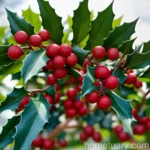
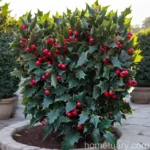
Chinese holly, or Ilex cornuta, is a species of evergreen holly native to China and Korea. This dense and multi-stemmed shrub belongs to the family Aquifoliaceae and is widely cultivated for its ornamental value. The most distinct feature of Chinese holly is its glossy, spiny leaves, and bright red or orange berries, which persist throughout the winter season. It has a slow to medium growth rate and can adapt well to various environmental conditions.
Key Takeaways – Chinese Holly (Ilex cornuta)
- Family: Aquifoliaceae
- Native to: China and Korea
- Growth Habit: Evergreen shrub
- Notable Features: Glossy leaves, spiny edges, vibrant berries
- Cultural Significance: Ornamental and medicinal uses
- Importance: Ecological and landscape value
Culture
Understanding the cultural considerations for Chinese holly is crucial for its successful growth and development. This section will outline the key aspects of its care, ensuring that enthusiasts can cultivate healthy and vibrant Chinese holly shrubs.
Water
Proper watering is essential for sustaining healthy Chinese holly plants. While it is drought-tolerant once established, adequate moisture is crucial, especially during the establishment period. The following guidelines can help maintain an appropriate watering regimen:
| Water Requirements | Details |
|---|---|
| Young Plants | Regular watering, ensuring the soil remains consistently moist |
| Established Plants | Infrequent, deep watering to promote deep root growth |
| Watering Schedule | Adjust based on environmental conditions and soil moisture levels |
| Avoid Overwatering | Ensure well-draining soil to prevent waterlogged conditions |
Sunlight
Chinese holly thrives in partially shaded to fully sunlit environments, making it a versatile choice for various landscapes. When planning for its placement, consider the following sunlight requirements:
- Sunlight: Full sun to partial shade
- Optimal Conditions: 4-6 hours of direct sunlight
- Shade Tolerance: Can adapt to partial shade conditions
- Winter Sun Exposure: Ensure protection from harsh winter sun to prevent leaf burn
Fertilizer
Proper fertilization can significantly impact the growth and vibrancy of Chinese holly plants. Organic or slow-release fertilizers are preferred to sustain a consistent nutrient supply. Consider the following guidelines for fertilizing Chinese holly:
- Fertilizer Type: Balanced, slow-release fertilizer
- Application: In early spring or late fall
- Avoid Over-fertilization: Follow recommended dosage to prevent nutrient imbalance
Soil
The soil composition plays a crucial role in the overall health and growth of Chinese holly. Well-draining soil with a slightly acidic to neutral pH is ideal for cultivating these shrubs. Consider the following soil preferences:
- Type: Well-draining, loamy soil
- pH Level: Slightly acidic to neutral (pH 6.0 – 6.5)
- Soil Amendments: Organic matter for improving soil structure and nutrient retention
Pruning
Pruning is essential for maintaining an attractive form and density in Chinese holly shrubs. Understanding proper pruning time and technique is vital to ensure minimal stress and enhanced growth. Consider the following pruning guidelines:
- Pruning Time: Late winter to early spring before new growth emerges
- Technique: Regular removal of dead or diseased branches, shaping for desired form
- Avoid Heavy Pruning: Limit to selective trimming to prevent stress
Propagation
Propagation allows enthusiasts to expand their collection of Chinese holly plants while maintaining genetic diversity. Several techniques, including cuttings and seeds, can be employed for successful propagation. Consider the following propagation methods:
| Propagation Method | Details |
|---|---|
| Cuttings | Semi-hardwood cuttings in late summer or early fall |
| Seeds | Collect and sow ripe seeds in a prepared seedbed or container |
Container Popularity
Chinese holly’s compact and dense growth habit makes it suitable for container gardening. This versatility opens up opportunities for urban landscapes, patio gardens, and interior décor. Consider the following factors for successful container cultivation:
- Container Size: Ensure adequate space for root development
- Drainage: Provide sufficient drainage holes to prevent waterlogging
- Soil Quality: Well-draining potting mix with added compost for nutrients
- Sunlight: Position containers in areas with adequate sunlight exposure
Common Diseases
Chinese holly, like many plants, is susceptible to certain diseases that can hinder its growth and vitality. Understanding the symptoms and preventive measures for these diseases is crucial for effective management. Some common diseases include:
- Leaf Spot: Circular lesions on leaves, caused by fungal pathogens
- Powdery Mildew: White powdery growth on leaves, favored by high humidity
- Root Rot: Soil-borne pathogens leading to root decay and wilting
Disease Diagnosis
When encountering signs of disease, prompt diagnosis and intervention are essential to prevent further spread and damage. Consider the following diagnostic steps for managing and treating potential diseases in Chinese holly:
- Visual Inspection: Examine leaves, stems, and roots for signs of discoloration, lesions, or abnormal growth
- Consultation: Seek guidance from local extension services or plant health experts for accurate diagnosis
- Treatment: Implement appropriate fungicides or treatments based on the identified disease
Common Pests
Pests can pose a significant threat to the health and vigor of Chinese holly plants. Being aware of common pests and their respective management strategies is vital for preventing infestations. Common pests include:
- Spider Mites: Tiny arachnids causing stippling and webbing on leaves
- Scale Insects: Hard or soft scales that attach to stems and leaves, sapping plant nutrients
- Whiteflies: Small, white-winged insects that feed on plant sap, leading to wilting
Botanist’s Tips
Seasoned botanists often provide valuable insights and tips for the successful cultivation of Chinese holly plants. The following tips can enhance the overall care and management of these ornamental shrubs:
- Mulching: Apply a layer of organic mulch around the base of Chinese holly plants to retain moisture and suppress weeds
- Companion Planting: Consider compatible companion plants to complement the ornamental value of Chinese holly while offering ecological benefits
- Winter Protection: Shield young plants from harsh winter conditions, especially frost and desiccating winds, to prevent damage
Fun Facts
Chinese holly, apart from its ornamental and ecological significance, holds diverse attributes that make it a fascinating subject of study and cultivation. Consider the following intriguing facts about Chinese holly:
- Symbolism: In Chinese folklore, holly is associated with protection and good fortune
- Medicinal Uses: Certain parts of the plant have been used in traditional Chinese medicine for various ailments
- Wildlife Habitat: Provides food and shelter for birds, contributing to biodiversity in landscapes
Now that we have explored the cultural considerations, uses, and unique attributes of Chinese holly, it’s essential to delve into the diverse varieties and cultivars that enrich the horticultural landscape.
Chinese Holly Varieties
The diverse array of Chinese holly varieties offers a spectrum of sizes, leaf shapes, and berry colors, catering to various landscaping needs and preferences. Understanding the distinct characteristics of these varieties allows enthusiasts to select the most suitable options for their specific ornamental and ecological objectives.
Chinese Holly Varieties
| Variety | Key Features |
|---|---|
| Burfordii | Small, compact form with abundant red berries |
| Carissa | Low spreading habit, glossy leaves, red berries |
| Emily Bruner | Upright growth, dark green leaves, red berries |
| Needlepoint | Narrow, elongated leaves, dense growth habit |
| Rotunda | Round form, dense foliage, abundant berries |
From vibrant berries to diverse leaf shapes, these varieties enrich landscapes with their distinct characteristics, contributing to a visually appealing and ecologically valuable environment. Now, let’s explore the art of pruning Chinese holly to maintain its form and vigor.
Chinese Holly Pruning
Pruning Chinese holly is an art that balances aesthetic appeal with plant health and functionality. Understanding proper pruning techniques and the optimal timing is essential for achieving desired shapes and densities while promoting vigorous growth.
Pruning Guidelines for Chinese Holly
When embarking on the pruning journey for Chinese holly, consider the following essential guidelines for a successful and effective pruning process:
- Timing: Plan pruning sessions in late winter to early spring before the onset of new growth
- Pruning Tools: Use sharp, clean pruning shears for precise cuts without causing unnecessary stress
- Selective Trimming: Focus on removing dead or diseased branches and shaping the plant to maintain its natural form
- Caution: Avoid excessive pruning, especially in older plants, to prevent stress and potential decline in vigor
- Safety Measures: Wear appropriate gear and take precautions while working with sharp tools and spiny plants
Proper pruning not only enhances the aesthetic appeal of Chinese holly but also stimulates new growth and maintains a healthy and robust form. By employing the right techniques, enthusiasts can create visually appealing landscapes adorned with well-maintained Chinese holly shrubs. This leads us to the next important aspect: planting Chinese holly to establish thriving and resilient specimens.
Chinese Holly Planting
The successful establishment of Chinese holly plants lays the foundation for their long-term health and vitality. This section will offer comprehensive insights into the planting process, encompassing site selection, soil preparation, and post-planting care for Chinese holly.
Planting Guidelines for Chinese Holly
Site Selection
Selecting an optimal planting site forms the cornerstone of successful establishment and vigorous growth for Chinese holly plants. Consider the following factors when assessing potential planting locations:
- Sunlight: Identify areas with partial to full sun exposure, ensuring adequate light for healthy growth
- Soil Quality: Opt for well-draining, loamy soil with a slightly acidic to neutral pH for optimal root development
- Space Availability: Plan for adequate spacing between plants to accommodate their mature spread and prevent overcrowding
- Protection: Consider wind protection to shield young plants from desiccating winds, especially in open landscapes
Soil Preparation
Preparing the soil to provide an ideal environment for root establishment is vital for the successful planting of Chinese holly. Follow these guidelines for effective soil preparation:
- Amendments: Incorporate organic matter such as compost to enhance soil structure and nutrient retention
- Soil Testing: Conduct soil tests to determine the pH level and nutrient content, adjusting as necessary to meet Chinese holly’s preferences
- Drainage: Ensure proper drainage to prevent waterlogged conditions, especially in heavy soils
Planting Process
Employing the right techniques during the planting process is essential for minimizing stress and promoting healthy establishment for Chinese holly plants. Consider the following steps for successful planting:
- Digging Holes: Create planting holes twice as wide and just as deep as the root ball to accommodate the plant without crowding the roots
- Planting Depth: Position the plant at the same level as its previous container or root ball, ensuring that the top of the root ball is at or slightly above the soil level
- Backfilling: Fill the hole with soil, gently tamping around the root ball to remove air pockets and promote good soil-to-root contact
- Watering: Provide generous watering after planting to settle the soil and ensure initial root hydration
Post-Planting Care
Supporting newly planted Chinese holly through appropriate care practices reinforces their vigor and resilience for long-term growth. Consider the following post-planting care guidelines:
- Watering: Maintain consistent moisture levels during the establishment period, ensuring the soil does not dry out excessively
- Mulching: Apply a layer of organic mulch around the base of the plant to retain moisture, suppress weeds, and moderate soil temperature
- Protection: Shield young plants from harsh environmental conditions, especially hot, dry winds and extreme temperature fluctuations
- Observation: Monitor the plant for signs of stress or potential issues, providing necessary intervention as required
By adhering to these planting guidelines, enthusiasts can establish robust and resilient Chinese holly plants, setting the stage for their long-term health and ornamental value. As the plants mature, understanding their growth habits and seasonal requirements becomes essential for providing tailored care.
Chinese Holly Growth and Seasonal Care
The growth habits and seasonal changes of Chinese holly play a pivotal role in determining its care requirements and management practices. This section will explore the growth rate, leaf characteristics, seasonal nuances, and wildlife habitat attributes of Chinese holly, shedding light on their ecological importance and care considerations.
Growth Rate
Chinese holly exhibits a slow to medium growth rate, gradually developing into dense and compact shrubs over time. Understanding its growth rate enables enthusiasts to plan for its long-term management and provide appropriate care for consistent vigor and ornamental appeal.
- Young Plants: Initially slow growth as the plant establishes its root system and acclimates to its environment
- Established Plants: Gradual increase in growth rate, reaching mature size and density over several years
- Management: Plan for infrequent, selective pruning to maintain shape and density while accommodating the plant’s natural growth rate
Leaf Characteristics
The glossy, spiny leaves of Chinese holly contribute to its ornamental appeal and ecological significance. Understanding the distinct leaf characteristics aids in plant identification and informs management practices.
- Leaf Shape: Varied, including ovate, elliptical, or lanceolate, depending on the specific variety
- Leaf Color: Dark green with a glossy finish, providing visual interest throughout the year
- Spines: A prominent feature, especially along the leaf margins, contributing to the plant’s dense and protective structure
Seasonal Changes
Seasonal variations influence the growth and appearance of Chinese holly, requiring tailored care to address specific needs during different times of the year. Consider the following seasonal changes and care considerations for Chinese holly:
Spring
- New Growth: Emergence of fresh leaves and potential flowering in some varieties
- Pruning: Time for selective pruning to shape and maintain plant form
- Fertilization: Application of balanced fertilizers to support new growth and vigor
Summer
- Sun Protection: Shield young plants from excessive sun exposure to prevent leaf burn and stress
- Watering: Maintain consistent moisture, especially during hot and dry periods, to support growth and berry development
- Mulching: Apply mulch to regulate soil temperature and moisture levels
Fall
- Berries: Formation of vibrant berries, enhancing ornamental value and providing food for wildlife
- Preparation for Winter: Ensure proper moisture levels and protection from harsh weather conditions
Winter
- Winter Care: Shield plants from frost, desiccating winds, and extreme temperature fluctuations
- Observation: Monitor for signs of stress, especially in young plants, and provide necessary protection
Understanding the seasonal changes and growth habits of Chinese holly enables enthusiasts to provide targeted care throughout the year, ensuring their long-term health and ornamental value. Additionally, the ecological significance of Chinese holly extends to its role as a wildlife habitat, enriching landscapes with its biodiversity contributions.
Chinese Holly Wildlife Habitat
Chinese holly serves as a vital resource for wildlife, offering shelter, food, and nesting sites for various species. Its ecological importance contributes to the overall biodiversity and ecological balance within landscapes. Consider the following wildlife habitat attributes of Chinese holly:
- Berries: Provide a food source for birds, including thrushes, mockingbirds, and finches, especially during the winter season
- Shelter: Dense, evergreen foliage offers protection and nesting sites for small mammals and birds
- Biodiversity: Contributes to the overall diversity of wildlife within landscapes, enhancing ecological resilience
By recognizing the ecological role of Chinese holly, enthusiasts can cultivate these ornamental shrubs with a deeper appreciation for their contribution to biodiversity and ecological balance. This leads us to explore the diverse uses and cultural significance of Chinese holly beyond its ornamental value.
Chinese Holly Uses
The uses of Chinese holly extend beyond its ornamental appeal, encompassing diverse cultural, ecological, and medicinal significance. This section will explore the multifaceted uses of Chinese holly, shedding light on its ecological importance, landscaping applications, and potential medicinal properties.
Landscaping Applications
Chinese holly holds a prominent place in landscaping, offering diverse applications and ornamental contributions to various environments. Consider the following landscaping uses of Chinese holly:
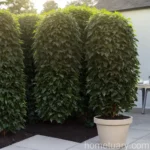
- Hedging and Screening: Dense growth habit and spiny foliage make it suitable for creating privacy hedges and screening barriers
- Foundation Plantings: Adds visual interest and structure when used as foundation plantings around buildings and structures
- Ornamental Specimen: Serves as an eye-catching specimen plant, especially when showcasing vibrant berries
Ecological Importance
The ecological contributions of Chinese holly encompass its role as a wildlife habitat, soil stabilizer, and biodiversity enhancer within landscapes. Consider the following ecological importance of Chinese holly:
- Wildlife Food Source: Provides essential food for birds during the winter season, contributing to overall biodiversity
- Soil Stabilization: Assists in preventing erosion and maintaining soil structure, especially on slopes and embankments
- Carbon Sequestration: Contributes to carbon sequestration and environmental sustainability through its dense foliage
Medicinal Properties
Certain parts of Chinese holly have been employed in traditional Chinese medicine with reputed medicinal properties. While caution and consultation with healthcare professionals are essential, consider the following potential medicinal uses of Chinese holly:
- Traditional Remedies: Leaves and berries used in traditional Chinese medicine for ailments such as arthritis, fever, and inflammation
- Caution: Limited scientific evidence exists, and consumption should be guided by healthcare professionals
By recognizing the diverse uses and significance of Chinese holly, enthusiasts can cultivate these shrubs with a broader perspective on their cultural, ecological, and potential medicinal contributions. Now, let’s explore the unique characteristics and cultural significance of Chinese holly, shedding light on its symbolism and natural habitat.
Characteristics and Cultural Significance
The distinct characteristics and cultural significance of Chinese holly enrich its portrayal as an ornamental shrub with multifaceted attributes. Understanding its characteristics, symbolism, and natural habitat provides a holistic perspective on the significance of Chinese holly within diverse cultural landscapes.
Symbolism
Chinese holly holds cultural symbolism as a harbinger of protection and good fortune, resonating with its traditional use in festivals, ceremonies, and decorative motifs. Consider the following symbolic significance of Chinese holly:
- Protection: Associated with warding off negative energy and bestowing protection upon dwellings and inhabitants
- Good Fortune: Represents prosperity, abundance, and positive energy within Chinese cultural beliefs
- Festive Decor: Utilized in decorative arrangements and wreaths during special occasions and festivities
Natural Habitat
Chinese holly inhab