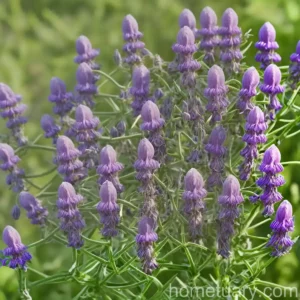
Popcorn Plant (Senna Didymobotrya): A Fascinating Addition to Your Garden
Plants have fascinated humans for centuries with their diverse shapes, sizes, and colors. They not only beautify our surroundings but also contribute to our well-being through various uses. One such captivating plant is the Popcorn Plant, scientifically known as Senna Didymobotrya. In this comprehensive guide, we will explore everything you need to know about caring for, propagating, and using the Popcorn Plant in your garden.
What is the Popcorn Plant (Senna Didymobotrya)?
The Popcorn Plant, also known as Senna Didymobotrya, is a unique and visually striking plant that belongs to the Senna genus within the Fabaceae family. It is native to East Africa and is known for its distinctive yellow flowers and strong popcorn-like fragrance. This plant is primarily cultivated for ornamental purposes, but it also holds significance in traditional medicine and culinary practices in certain regions.
Key Takeaways – Popcorn Plant (Senna Didymobotrya)
Let’s delve into the key takeaways about the Popcorn Plant, covering its culture, uses, water, sunlight, fertilizer, soil, pruning, propagation, containers, popularity, common diseases, disease diagnosis, common pests, and botanist’s tips.
Culture
- Scientific Name: Senna Didymobotrya
- Common Names: Popcorn Plant, Cassia, African Senna
- Family: Fabaceae
- Origin: East Africa
- Popularity: Gaining popularity as an ornamental plant
Uses
- Ornamental: Known for its vibrant yellow flowers and unique fragrance
- Medicinal: Historically used in traditional medicine for various ailments
- Culinary: Certain regions use the plant for its aromatic properties in cooking
Water
- Water Requirements: Moderate, well-draining soil; avoid waterlogging
- Propagation: Through seeds or stem cuttings
- Sunlight: Full sun to partial shade
Fertilizer
- Fertilization: Moderate feeding during the growing season
- Soil: Well-draining, fertile soil
Pruning
- Pruning: Regular pruning to maintain shape and size
Propagation
- Propagation: Can be propagated through seeds or stem cuttings
- Container: Suitable for container gardening
Common Diseases
- Diseases: Susceptible to fungal diseases; watch for leaf spots and root rot
Common Pests
- Pests: Potential infestation by aphids, whiteflies, and spider mites
Botanist’s Tips
- Tip 1: Keep the soil consistently moist but not waterlogged
- Tip 2: Prune the plant regularly to promote healthy growth
- Tip 3: Protect the plant from common pests by monitoring and addressing issues promptly
Popcorn Plant (Senna Didymobotrya) Care Guide
Popcorn Plant Care Overview
The Popcorn Plant, or Senna Didymobotrya, requires proper care to thrive and maintain its visual appeal and fragrance. Whether you’re a beginner or an experienced gardener, understanding the plant’s care requirements is essential for its successful cultivation.
Water Requirements
The Popcorn Plant thrives in moderately moist but well-draining soil. It is crucial to avoid waterlogging, as excessive moisture can lead to root rot and other fungal diseases. When watering the plant, ensure that the soil is allowed to dry out slightly before the next watering to prevent water-related issues.
Sunlight Needs
In terms of sunlight requirements, the Popcorn Plant prefers full sun to partial shade. Providing adequate sunlight is crucial for promoting healthy growth and vibrant flowering. When grown indoors, ensure that the plant receives sufficient sunlight through a sunny window or artificial grow lights.
Fertilization
During the growing season, the Popcorn Plant benefits from moderate feeding with a balanced fertilizer. A slow-release fertilizer or organic compost can be applied to the soil to provide essential nutrients for optimal growth and blooming.
Soil Preferences
Well-draining and fertile soil are ideal for the Popcorn Plant. A rich potting mix with good drainage properties promotes healthy root development and overall plant vigor. Consider amending the soil with organic matter to enhance its fertility and structure.
Pruning
Regular pruning is essential for maintaining the compact and attractive form of the Popcorn Plant. Prune the plant to remove dead or overgrown branches, encourage bushy growth, and shape the plant to your desired aesthetic preferences. Additionally, removing spent flowers can stimulate continuous blooming.
Propagation
The Popcorn Plant can be propagated through seeds or stem cuttings. When propagating from seeds, sow them in a well-draining potting mix and provide adequate moisture and warmth for germination. Stem cuttings can be rooted in water or a suitable rooting medium to establish new plants.
Container Gardening
Due to its manageable size and ornamental appeal, the Popcorn Plant is well-suited for container gardening. Select a container with drainage holes and a well-draining potting mix. Container-grown Popcorn Plants can be placed on patios, balconies, or indoor spaces to add a touch of natural beauty.
Popcorn Plant – A Visual Delight
The Popcorn Plant, scientifically known as Senna Didymobotrya, is an exquisite addition to gardens, landscapes, and indoor spaces. With its bright yellow flowers, distinctive fragrance, and ornamental foliage, this plant captivates the eye and the senses. Its visual appeal is complemented by its intriguing uses and cultural significance.
Popcorn Plant Blooms
The Popcorn Plant produces clusters of vibrant yellow flowers that brighten up any setting. The striking contrast between the yellow blooms and the green foliage adds a touch of elegance to gardens and landscapes. The flowers not only contribute to the plant’s aesthetic charm but also emit a pleasant fragrance reminiscent of freshly popped popcorn.
Leaf Shape and Texture
The foliage of the Popcorn Plant exhibits unique characteristics, featuring elongated, lance-shaped leaves with a glossy texture. The deep green color of the leaves provides a lush backdrop for the bright yellow flowers, creating a visually appealing ensemble. The leaf texture and color contribute to the plant’s overall attractiveness and resilience.
Fragrance and Visual Appeal
One of the most captivating aspects of the Popcorn Plant is its unmistakable fragrance, which resembles the scent of freshly popped popcorn. The aroma is released from the flowers and foliage, creating a delightful sensory experience for gardeners and visitors alike. The combination of visual and olfactory elements makes the Popcorn Plant a standout feature in any setting.
Seasonal Changes and Blooming Period
The Popcorn Plant exhibits seasonal changes in its growth and blooming patterns. In favorable conditions, it produces abundant flowers during the growing season, adding a burst of color and fragrance to outdoor and indoor spaces. Understanding the plant’s seasonal behavior can help in optimizing its care and ensuring continuous blooming.
Popcorn Plant – A Botanical Wonder
The Popcorn Plant, also known by its scientific name Senna Didymobotrya, is a botanical wonder with captivating characteristics and a range of uses. From its unique flower colors and fragrances to its traditional and culinary significance, this plant offers a multifaceted experience for plant enthusiasts and horticulturists.
Flower Colors and Pollination
The vibrant yellow flowers of the Popcorn Plant attract pollinators such as bees, butterflies, and other beneficial insects. The striking coloration and fragrance of the flowers play a vital role in enticing pollinators and supporting the ecological balance of the surrounding environment. Understanding the plant’s pollination strategies can deepen appreciation for its ecological role.
Botanical Name and Family
The Popcorn Plant, scientifically classified as Senna Didymobotrya, belongs to the Fabaceae family, commonly known as the legume or pea family. Its botanical name and familial association provide valuable insights into its taxonomic identity, evolutionary relationships, and botanical characteristics. Exploring its botanical classification enriches the understanding of this intriguing plant.
Unique Features and Adaptations
A closer examination of the Popcorn Plant’s unique features reveals its adaptability and evolutionary traits. From its popcorn-like fragrance to its nutrient-rich seeds, the plant has developed distinctive adaptations that contribute to its survival and propagation. Unraveling the plant’s unique features offers a glimpse into its evolutionary journey and ecological interactions.
Wildlife Benefits and Ecological Role
The Popcorn Plant provides essential benefits to wildlife and contributes to the ecological balance of its habitat. The flowers attract pollinators, ensuring the pollination of nearby plants and supporting biodiversity. Furthermore, the plant’s foliage and seeds may serve as a food source for certain wildlife species, underscoring its ecological significance.
The Versatile Popcorn Plant: Beyond Ornamental Beauty
While the ornamental appeal of the Popcorn Plant is undeniable, its versatility extends beyond visual charm. This remarkable plant holds cultural, culinary, and medicinal significance, enriching diverse aspects of human and environmental well-being.
Medicinal Uses and Traditional Knowledge
In certain regions, the Popcorn Plant has a history of traditional medicinal uses. Various parts of the plant, including the leaves, roots, and seeds, are utilized in local herbal remedies for specific ailments. The plant’s bioactive compounds and therapeutic attributes are valued in traditional healing practices, reflecting its cultural and medicinal importance.
Culinary Uses and Aromatic Properties
The aromatic fragrance of the Popcorn Plant is not only a delight to the senses but also holds culinary potential in certain cultural cuisines. The plant’s distinctive scent is utilized as a flavoring or aromatic ingredient in traditional cooking, adding a unique touch to culinary creations. Exploring the plant’s culinary uses offers insights into its cultural relevance and sensory contributions.
Botanical Properties and Ethnobotanical Significance
From its chemical composition to its bioactive compounds, the Popcorn Plant possesses botanical properties that contribute to its ethnobotanical significance. Understanding the plant’s chemical constituents and potential health benefits enhances appreciation for its diverse attributes and underscores its value in traditional and contemporary botanical practices.
Wildlife Habitat and Environmental Influence
The Popcorn Plant’s presence in natural habitats serves as a vital component of wildlife habitat and ecological balance. Its role in supporting pollinators, providing shelter, and contributing to nutrient cycles enriches the local ecosystem. Recognizing the plant’s environmental influence fosters a deeper understanding of its broader ecological context.
Embracing the Popcorn Plant: Cultivation and Gardening Tips
Whether you are a novice gardener or an experienced horticulturist, the Popcorn Plant offers a unique and rewarding cultivation experience. By incorporating it into your garden or indoor space, you can explore its diverse uses, care for its needs, and appreciate its captivating allure.
Gardening Tips for Success
- Tip 1: Provide well-draining soil to prevent waterlogging and promote healthy root development.
- Tip 2: Choose a sunny location for optimal growth and vibrant flowering.
- Tip 3: Implement regular pruning to maintain the plant’s shape and stimulate continuous blooming.
- Tip 4: Monitor for common pests and diseases, addressing issues promptly to maintain plant health.
- Tip 5: Learn about the plant’s cultural significance, uses, and ecological roles to deepen appreciation for its presence in your surroundings.
Landscaping Possibilities
The Popcorn Plant serves as a versatile and visually striking element in landscape design. Whether used in borders, plant beds, or mixed plantings, its vibrant flowers and unique fragrance can enhance the aesthetic appeal of outdoor spaces. Consider incorporating the Popcorn Plant into your landscaping projects to introduce a touch of natural beauty.
Container Gardening Ideas
For those with limited outdoor space or those interested in indoor gardening, the Popcorn Plant is well-suited for container cultivation. Select decorative containers and placement locations that showcase the plant’s captivating blooms and fragrance. Container-grown Popcorn Plants can be an eye-catching addition to patios, balconies, or interior spaces.
Companion Plants and Garden Design
When planning your garden design, consider the Popcorn Plant’s compatibility with other ornamental and beneficial plants. Select companion plants with similar cultural requirements and complementary aesthetics to create harmonious plant arrangements. Embrace creative garden designs that highlight the Popcorn Plant’s unique features alongside compatible flora.
Exploring the Fascinating Popcorn Plant
As we delve deeper into the captivating world of plants, the Popcorn Plant emerges as a captivating specimen that combines visual appeal, culinary potential, and cultural significance. Its striking yellow flowers, popcorn-like fragrance, and diverse uses make it a compelling addition to gardens, landscapes, and horticultural explorations.
Further Plant Care Resources and Information
For additional information on caring for the Popcorn Plant and exploring its cultural and botanical significance, consider the following resources:
- The Royal Horticultural Society (RHS)
- Botanical Gardens and Arboreta
- Plant Science and Botany Journals
- Ethnobotanical Research and Publications
Gardening and Horticultural Communities
Engage with gardening and horticultural communities to connect with fellow plant enthusiasts, exchange knowledge, and discover new insights about the Popcorn Plant and other botanical wonders. Platforms such as local gardening clubs, online forums, and social media groups offer valuable opportunities for learning and sharing experiences.
Continuing the Exploration
The exploration of the Popcorn Plant, or Senna Didymobotrya, extends beyond its ornamental allure. By delving into its care requirements, cultural uses, and ecological interactions, we enrich our understanding of the plant and its significance. Whether in the garden, in ethnobotanical research, or in eco-conscious landscaping, the Popcorn Plant entices us to embrace its multifaceted charm.
In conclusion, the Popcorn Plant, scientifically known as Senna Didymobotrya, offers a captivating blend of visual beauty, aromatic allure, and cultural significance. From its vibrant yellow flowers to its traditional and culinary uses, the plant invites us to explore its diverse dimensions. Embracing the care, uses, and ecological roles of the Popcorn Plant enables us to appreciate and celebrate the rich tapestry of nature’s offerings.