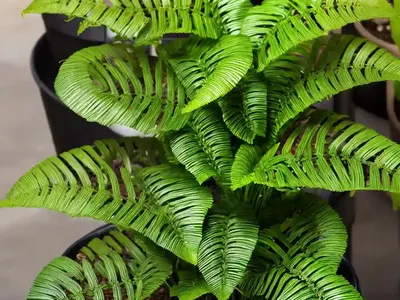
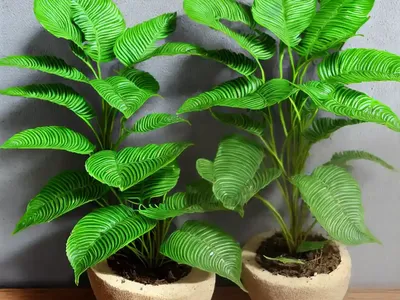
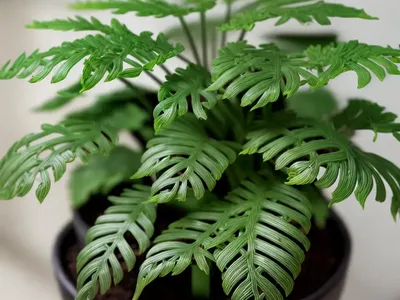
Birds Nest Fern (Asplenium Crissie)
Welcome to the wonderful world of plants! Today, we are going to delve into the enchanting realm of the Birds Nest Fern, scientifically known as Asplenium.
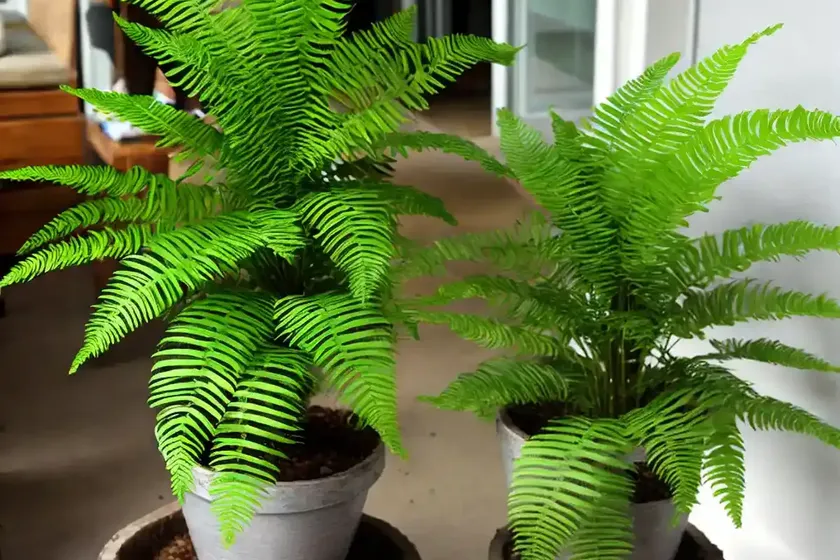
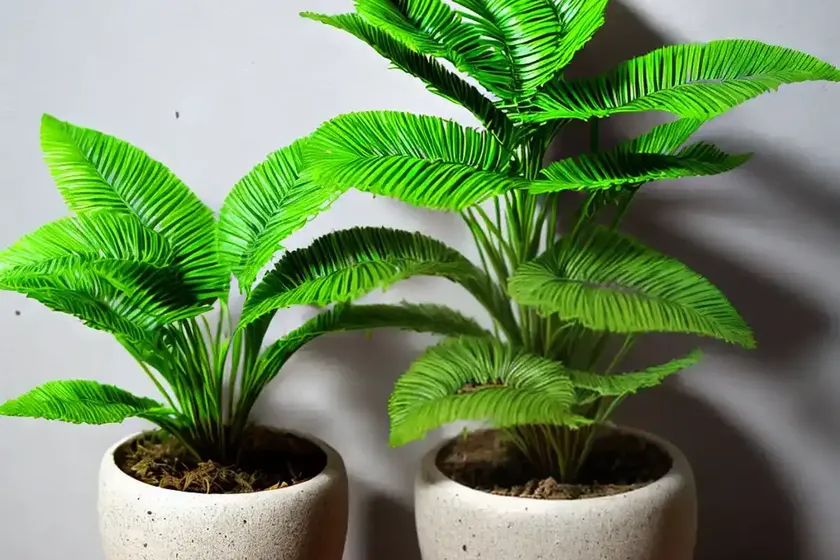
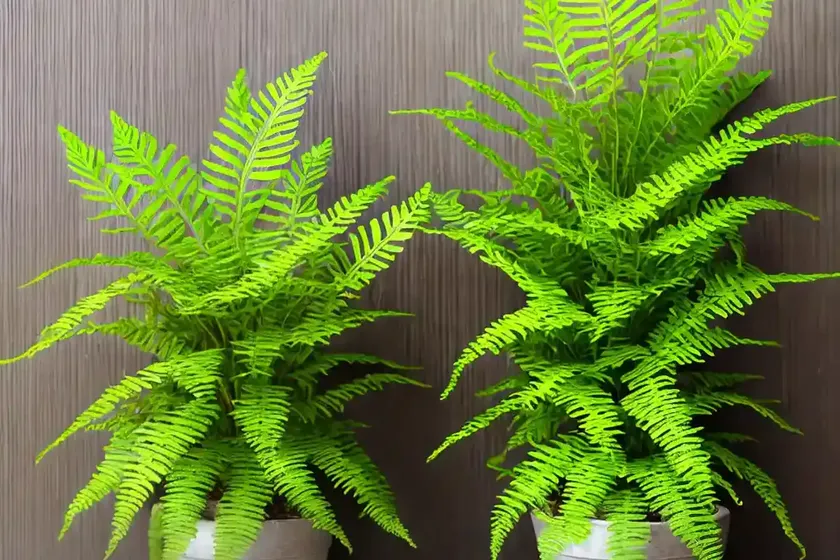
Welcome to the wonderful world of plants! Today, we are going to delve into the enchanting realm of the Birds Nest Fern, scientifically known as Asplenium Crissie. This magnificent fern variety is a truly unique and exotic species that has captured the hearts of plant enthusiasts around the globe. From its striking appearance to its low-maintenance care requirements, the Birds Nest Fern is a fascinating addition to any indoor or outdoor plant collection.
What is a Plant: Birds Nest Fern (Asplenium Crissie)?
The Birds Nest Fern, or Asplenium Crissie, is a stunning fern that belongs to the Aspleniaceae family. Native to tropical and subtropical regions, this plant is renowned for its graceful fronds and distinctive nest-like growth habit. The name “Birds Nest Fern” is derived from the plant’s characteristic rosette formation, which resembles a bird’s nest, and its unique ability to hold water in its center, providing a safe harbor for small creatures in its natural habitat.
The Asplenium Crissie is an epiphytic fern, meaning it grows on the surface of other plants or structures, and it is often found thriving in the humid, shaded understory of forests. This intriguing plant has become a sought-after choice for both indoor and outdoor gardens due to its elegant foliage and relatively undemanding care requirements.
Key Takeaways – Birds Nest Fern (Asplenium Crissie)
Let’s explore the key takeaways associated with the Birds Nest Fern, encompassing its cultural significance, uses, care requirements, and other essential aspects that make it a beloved addition to the world of horticulture.
Culture
The Birds Nest Fern holds cultural significance in various regions due to its attractive appearance and symbolic representation of longevity, vitality, and renewal. In some cultures, the fern is believed to bring good luck and prosperity to households, making it a popular choice for decorative purposes and gift-giving.
Uses
The Asplenium Crissie has a wide range of uses, including:
- Indoor decoration: The elegant fronds of the Birds Nest Fern make it a favored choice for embellishing interior spaces, adding a touch of natural beauty to homes, offices, and other indoor environments.
- Outdoor landscaping: Its adaptability to shaded outdoor areas and its ability to thrive in humid conditions make it a valuable component of landscaping projects, particularly in tropical and subtropical regions.
- Air purification: The Birds Nest Fern is celebrated for its air-purifying qualities, effectively removing toxins and airborne impurities, thereby contributing to a healthier indoor environment.
Water
Proper watering is crucial for the health and vitality of the Birds Nest Fern. While this plant appreciates consistently moist conditions, it’s essential to avoid overwatering, as it can lead to root rot and other moisture-related issues. The soil should be kept evenly moist, and water should be provided when the top inch of the soil feels slightly dry.
Sunlight
The Asplenium Crissie prefers bright, indirect light, making it an excellent choice for locations with filtered sunlight. Avoid placing the plant in direct sunlight, as it can cause leaf scorch and damage the delicate fronds. Shaded areas with dappled light are ideal for the Birds Nest Fern, mimicking its natural habitat.
Fertilizer
Regular fertilization is beneficial for the Birds Nest Fern, aiding in healthy growth and lush foliage. A balanced liquid fertilizer can be applied at half strength every two to four weeks during the growing season, from spring to early fall. However, it’s crucial to avoid over-fertilizing, as this can result in chemical burns and foliage damage.
Soil
The ideal soil mix for the Asplenium Crissie should be well-draining and rich in organic matter. A combination of peat moss, perlite, and pine bark is recommended to ensure adequate aeration and moisture retention. Additionally, a slightly acidic pH range of 5.5 to 6.5 is suitable for this fern species.
Pruning
Pruning is essential for maintaining the attractive appearance of the Birds Nest Fern and removing any damaged or discolored fronds. Use clean, sharp scissors to trim away unwanted foliage, ensuring that the cuts are made at the base of the fronds to promote healthy regrowth.
Propagation
The Birds Nest Fern can be propagated through division, spores, or rhizome cuttings. Division is the most common method, where the plant’s root system is carefully separated into individual sections, each containing healthy fronds and roots. Spore propagation involves collecting and germinating the fern spores to grow new plants, while rhizome cuttings can be taken from the plant’s underground stems to produce offspring.
Container Popularity
The Birds Nest Fern is often cultivated in containers, showcasing its versatility and adaptability to indoor spaces. Its compact growth habit and eye-catching foliage make it an appealing choice for container gardening, terrariums, and other contained environments.
Common Diseases
Despite being relatively resilient, the Birds Nest Fern is susceptible to certain diseases and ailments that can affect its overall health. Some common diseases and their potential diagnosis include:
Disease Diagnosis
- Root rot: Excessive moisture or waterlogged soil can lead to root rot, causing the plant’s roots to become mushy and discolored. Symptoms include wilting, yellowing fronds, and a foul odor emanating from the soil.
- Leaf spot: Fungal infections such as leaf spot can result in the formation of dark, water-soaked spots on the plant’s foliage. If left untreated, it can lead to widespread browning and yellowing of the fronds.
- Powdery mildew: A powdery, white substance on the fronds indicates the presence of powdery mildew, a common fungal disease that thrives in humid conditions.
Common Pests
In addition to diseases, the Birds Nest Fern can fall victim to various pests that may compromise its well-being. Some common pests include:
- Scale insects: These minuscule pests can infest the fern, appearing as small, brown bumps on the fronds and stems. They feed on the plant’s sap, causing wilting and stunted growth.
- Mealybugs: Mealybugs are soft-bodied insects that leave a sticky residue on the fern’s foliage. They can quickly multiply and weaken the plant if not addressed promptly.
- Spider mites: These tiny arachnids can wreak havoc on the Birds Nest Fern, resulting in stippled, discolored foliage and the formation of fine webbing on the plant’s surface.
Botanist’s Tips
To ensure the optimal growth and well-being of the Birds Nest Fern, here are some valuable tips from seasoned botanists and plant experts:
- Maintain adequate humidity: As a tropical species, the Asplenium Crissie thrives in high humidity environments. Regular misting or placing the plant near a humidifier can help create the moisture levels it requires.
- Monitor watering practices: Carefully observe the soil moisture and adjust the watering frequency as needed. Avoid allowing the soil to dry out completely or become waterlogged, as both extremes can negatively impact the fern.
- Protect from drafts: Shield the Birds Nest Fern from drafts and sudden temperature fluctuations, as these can stress the plant and make it more susceptible to pests and diseases.
Fun Facts
The Birds Nest Fern is full of fascinating characteristics and captivating attributes. Here are some intriguing fun facts about this remarkable plant:
- The unique rosette formation of the Birds Nest Fern serves as a reservoir for rainwater and organic debris, providing a microhabitat for small creatures such as insects, frogs, and lizards in its natural environment.
- In some cultures, the Asplenium Crissie is regarded as a symbol of protection and nurturing, representing the sheltering and nurturing qualities associated with a bird’s nest.
- The fronds of the Birds Nest Fern exhibit a mesmerizing ripple effect, creating a visually appealing and textural display that adds depth and dimension to its overall appearance.
Links to External Resources
For further exploration of Birds Nest Fern care and cultivation, here are some valuable external resources:
- The American Fern Society: Fern Plant Care for Beginners.
- Royal Horticultural Society: Growing Ferns Indoors.
- Better Homes & Gardens: Fern Plant Care Guide.
As we conclude our journey into the captivating world of the Birds Nest Fern, we hope that this exploration has deepened your appreciation for this extraordinary plant. Whether adorning your living space or enriching your garden, the Asplenium Crissie brings a touch of elegance and natural splendor that is truly unparalleled. Thank you for joining us on this botanical adventure, and may your gardening endeavors continue to flourish and thrive!