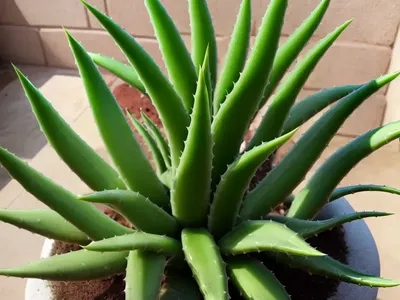
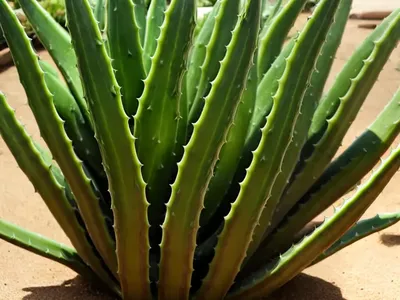
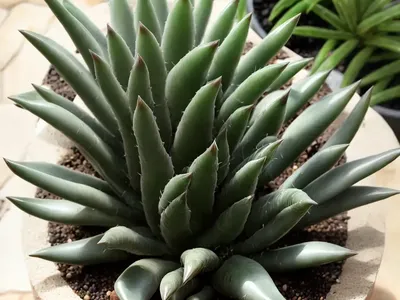
Haworthia Maimi (Haworthia Wandera ‘miami’)
Haworthia is a diverse and intriguing genus of small succulent plants. The Haworthia Maimi, also known as Haworthia Wandera ‘Miami’, is a captivating.
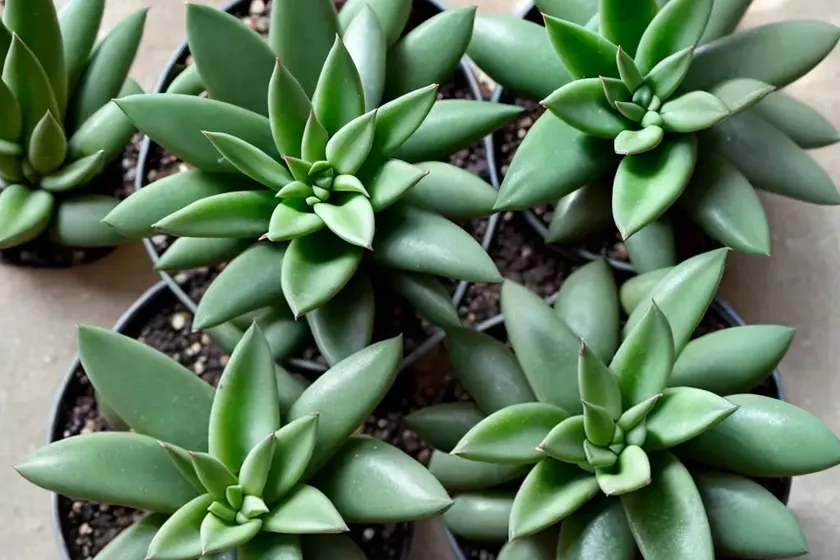
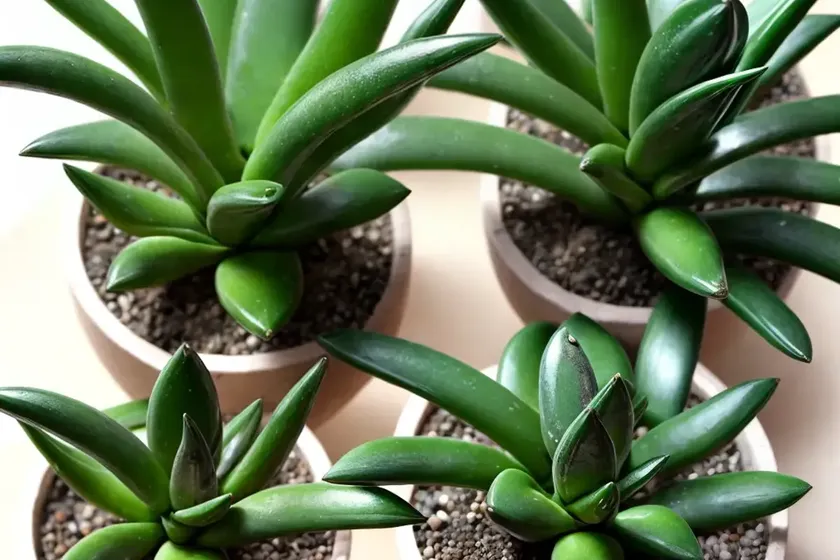
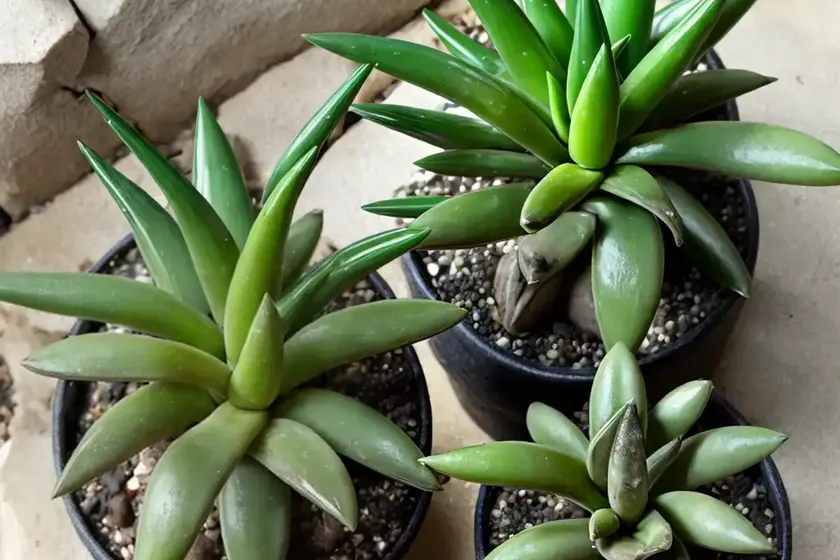
Haworthia is a diverse and intriguing genus of small succulent plants. The Haworthia Maimi, also known as Haworthia Wandera ‘Miami’, is a captivating species within this genus. Renowned for its unique appearance and relatively low maintenance requirements, the Haworthia Maimi has become increasingly popular among plant enthusiasts and indoor gardeners. In this guide, we will explore the various aspects of caring for this fascinating succulent, including its culture, uses, and common diseases. By the end of this article, you will have a comprehensive understanding of how to successfully cultivate and enjoy the beauty of the Haworthia Maimi.
What is Haworthia Maimi?
The Haworthia Maimi, scientifically referred to as Haworthia Wandera ‘Miami’, is a distinctive succulent plant that belongs to the Asphodelaceae family. It is a cultivar of the Haworthia genus, which encompasses numerous species known for their rosette-shaped, fleshy leaves and low-growing, clump-forming habits.
Key Takeaways
Before delving into the specific care requirements, let’s outline some key takeaways about the Haworthia Maimi, which will serve as a quick reference for its cultivation and maintenance:
- Scientific Name: Haworthia Wandera ‘Miami’
- Common Name: Haworthia Maimi
- Family: Asphodelaceae
- Type: Succulent plant
- Native to: Cultivated variety
- Foliage Color: Variegated green and white
- Growth Habit: Compact rosettes
- Uses: Indoor decoration, terrariums, succulent gardens
- Maintenance: Low
Now, let’s explore each aspect of caring for the Haworthia Maimi in detail.
Culture
Uses
The Haworthia Maimi has gained popularity for various uses, primarily due to its visually appealing foliage and adaptability to indoor environments. Some common uses of the Haworthia Maimi include:
-
Indoor Decoration: The striking appearance of the Haworthia Maimi makes it an ideal choice for interior decoration. Its compact growth habit and unique leaf patterns lend a touch of natural beauty to any indoor space, be it a home, office, or public setting.
-
Terrarium Plant: This succulent is well-suited for terrariums and miniature gardens, adding texture and visual interest to these enclosed ecosystems. Its ability to thrive in the relatively high humidity of terrarium environments makes it a popular choice for such setups.
-
Succulent Gardens: Whether in individual pots or combined with other succulent species, the Haworthia Maimi can be an excellent addition to outdoor succulent gardens. Its low water requirements and compact size make it an appealing option for xeriscaping and rock gardens.
Water
Proper watering is essential for the health and vitality of the Haworthia Maimi. As a succulent plant, it is adapted to survive in arid conditions and has evolved specific mechanisms to store water in its leaves. Here are some key points to consider regarding watering:
-
Frequency: Water the Haworthia Maimi sparingly and allow the soil to dry out between waterings. Overwatering can lead to root rot and other issues, so it’s crucial to err on the side of underwatering rather than overwatering.
-
Watering Technique: When watering, apply water directly to the soil at the base of the plant. Avoid wetting the leaves excessively, as this can make the plant susceptible to fungal diseases.
-
Seasonal Adjustments: During the growing season, typically spring and summer, the Haworthia Maimi may require more frequent watering. In contrast, reduce watering during the winter months when the plant’s growth slows down.
Sunlight
Proper sunlight exposure is key to ensuring the Haworthia Maimi thrives and maintains its attractive appearance. Here are some guidelines for providing adequate sunlight:
-
Indoor Placement: Place the Haworthia Maimi in a location that receives bright, indirect sunlight. The plant appreciates natural light but should be shielded from intense, direct sunlight, especially during the hottest part of the day.
-
Outdoor Considerations: If grown outdoors, provide the Haworthia Maimi with partial shade, particularly in regions with intense or prolonged sunlight. A site with filtered sunlight or partial shade is generally ideal for this succulent.
-
Adjusting for Seasonal Changes: Monitor the plant’s sunlight exposure throughout the year. In some climates, the intensity and angle of the sun may change seasonally, requiring adjustments in the plant’s placement.
Fertilizer
Proper fertilization can support the growth and overall health of the Haworthia Maimi. However, due to its relatively slow growth rate and adaptation to nutrient-poor environments, this succulent does not have high fertilizer requirements. Here are some points to consider about fertilizing the Haworthia Maimi:
-
Frequency: Fertilize the Haworthia Maimi sparingly, typically during the active growing season. A general recommendation is to apply a diluted, balanced fertilizer once every two to three months.
-
Fertilizer Type: Choose a specialized fertilizer formulated for succulent plants or a balanced, water-soluble fertilizer with a low concentration. Avoid using excessive amounts of fertilizer, as this can harm the plant.
-
Application Method: Apply the fertilizer to damp soil, ensuring that it does not come into contact with the plant’s leaves. Following the application, water the plant lightly to help distribute the nutrients.
Soil
The choice of soil is crucial for ensuring optimal growth and overall well-being of the Haworthia Maimi. Succulent plants, including the Haworthia Maimi, have specific soil requirements that promote good drainage and air circulation around the roots. Consider the following soil-related aspects:
-
Well-Draining Medium: Use a well-draining succulent or cactus mix as the primary growing medium for the Haworthia Maimi. These specialized mixes often contain materials like sand, perlite, or pumice to facilitate quick drainage and aeration.
-
Additional Amendments: If you are preparing a potting mix at home, consider adding coarse sand or perlite to improve drainage and prevent waterlogging. The goal is to create a substrate that allows excess water to escape readily.
-
Container Considerations: Ensure that the containers used for growing the Haworthia Maimi have drainage holes to prevent water from accumulating at the bottom. Without proper drainage, the plant’s roots can suffer from excessive moisture.
Pruning
Pruning requirements for the Haworthia Maimi are minimal due to its slow growth and compact habit. However, occasional pruning or removal of dead or withered leaves can help improve the plant’s overall appearance and health. Follow these guidelines when pruning the Haworthia Maimi:
-
Remove Dead Leaves: Periodically inspect the plant for any dead, yellowing, or dried-out leaves. Gently pluck these leaves from the base, taking care not to damage the healthy foliage.
-
Sterilize Tools: If using pruning tools, such as scissors or small shears, ensure they are clean and sterilized before use. This reduces the risk of transmitting diseases or pathogens to the plant through open wounds.
-
Minimal Intervention: In general, the Haworthia Maimi does not require extensive pruning. Focus on minimal, targeted removal of unsightly or damaged foliage to maintain the plant’s natural shape.
Propagation
Propagating the Haworthia Maimi can be an enjoyable and rewarding process, allowing you to expand your plant collection or share this captivating succulent with others. Several methods can be used to propagate the Haworthia Maimi, including leaf cuttings and offsets. Here’s an overview of the propagation techniques suited to this succulent:
Leaf Cuttings
Leaf cuttings are a common and effective method for propagating many succulent plants, including the Haworthia Maimi. Follow these steps to propagate the plant from leaf cuttings:
-
Select Healthy Leaves: Choose a healthy, mature leaf from the Haworthia Maimi. The leaf should be plump and free from signs of damage or disease.
-
Allow Callusing: After removing the leaf from the plant, place it in a warm, dry location and allow the cut end to callus over. This typically takes a few days to a week.
-
Planting the Cutting: Once callused, place the leaf cutting on top of a suitable succulent potting mix. Ensure that the cut end makes contact with the soil without burying the entire leaf.
-
Root Development: Keep the soil lightly moist and provide indirect sunlight. Over time, the leaf cutting should develop roots from the callused end and eventually produce new plantlets.
-
Transplanting Offsets: Once the new plantlets have developed sufficiently, they can be carefully separated from the parent leaf and transplanted into individual pots.
Offsets
The Haworthia Maimi often produces offsets or “pups” around its base, which can be detached and propagated to create new plants. Here’s how to propagate the Haworthia Maimi from offsets:
-
Identify Healthy Offsets: When the Haworthia Maimi produces offsets, allow them to grow and establish their own root system. Once the offsets are sizable enough, they can be carefully removed from the parent plant.
-
Prepare for Transplanting: Gently pry the offset away from the main plant, taking care to avoid damaging the roots or the offset itself.
-
Planting the Offset: Plant the offset in a small pot filled with well-draining succulent mix. Bury the roots in the soil and water the plant lightly to encourage rooting.
-
Care After Transplanting: Place the newly potted offset in a location with bright, indirect light and maintain slightly moist soil until it establishes itself in the new pot.
Container Popularity
As the popularity of succulent plants continues to grow, the Haworthia Maimi has garnered significant attention among both seasoned plant enthusiasts and individuals new to growing succulents. Its unique appearance, compact size, and relatively undemanding nature make it an attractive choice for container cultivation. Whether placed individually in small pots or included in larger succulent arrangements, the Haworthia Maimi adds a touch of natural elegance to any indoor or outdoor space.
Common Diseases
Although the Haworthia Maimi is generally resilient and not prone to severe disease issues, it can occasionally face certain health challenges. Understanding common diseases that may affect this succulent will help you identify and address any issues promptly. Some of the potential diseases affecting the Haworthia Maimi include:
-
Root Rot: Overwatering or poorly-draining soil can lead to root rot in the Haworthia Maimi. Symptoms include wilting, yellowing of leaves, and a foul odor emanating from the soil.
-
Fungal Infections: Prolonged exposure to overly wet conditions can make the plant susceptible to fungal diseases such as powdery mildew or leaf spot. These typically manifest as discolored patches or powdery growth on the leaves.
-
Pest-Induced Damage: While not a disease, pest infestations can cause significant harm to the Haworthia Maimi. Common pests that may target this succulent include spider mites, mealybugs, and aphids.
Disease Diagnosis
Diagnosing and addressing potential diseases in the Haworthia Maimi requires keen observation and timely intervention. Here’s a brief overview of how to diagnose and manage common diseases that may affect this succulent:
-
Physical Examination: Regularly inspect the plant for any signs of changes in leaf color, texture, or overall vigor. Look for wilting, yellowing, or browning of the leaves and check the soil for excessive moisture.
-
Root Inspection: If the plant shows signs of decline, gently remove it from the pot and examine the roots. Healthy roots are firm and white, while rotted roots may appear mushy, brown, or have a foul odor.
-
Pest Identification: Examine the plant, particularly the undersides of the leaves and the junctions between leaves, for any signs of pest activity. Look for small insects, webbing, or sticky residue, which may indicate a pest infestation.
-
Treatment: If disease or pest issues are detected, take appropriate measures such as adjusting the watering frequency, improving air circulation, or using horticultural oils or insecticidal soaps to address pest problems.
Common Pests
The Haworthia Maimi, like many succulent plants, can fall victim to pest infestations under certain conditions. Understanding the common pests that may target this succulent will help you take proactive measures to prevent and address such issues. Some of the pests that may affect the Haworthia Maimi include:
-
Spider Mites: These tiny arachnids can cause stippling and webbing on the leaves. Spider mites thrive in dry conditions, making succulent plants like the Haworthia Maimi susceptible to infestation.
-
Mealybugs: Mealybugs are small, white, cottony insects that can cluster on the leaves and stems of the Haworthia Maimi. They feed on plant juices and can cause stunted growth and yellowing of the foliage.
-
Aphids: These small, soft-bodied insects may appear as clusters on new growth or the undersides of leaves. Aphids can cause leaf distortion and excrete a sticky substance known as honeydew, which can lead to sooty mold growth.
Botanist’s Tips
To provide a comprehensive understanding of caring for the Haworthia Maimi, it can be beneficial to offer insights and tips from the perspective of a botanist or experienced plant enthusiast. Here are some expert tips regarding the cultivation and enjoyment of the Haworthia Maimi:
-
Provide Adequate Drainage: Ensuring proper drainage in the growing containers is crucial for preventing issues related to overwatering and root rot. Select pots with drainage holes and use well-draining soil mixtures to promote a healthy root environment.
-
Avoid Overhandling: Limit excessive handling of the Haworthia Maimi, especially in the context of propagation or transplanting. Succulents, including the Haworthia Maimi, are sensitive to root disturbance and may benefit from minimal intervention.
-
Monitor Light Levels: Regularly assess the plant’s light exposure, particularly when grown indoors. The Haworthia Maimi thrives in bright, indirect light, so ensure it receives adequate illumination without being subjected to harsh, direct sunlight.
-
Mindful Watering: Practice a “less is more” approach when it comes to watering the Haworthia Maimi. Slightly underwatering is generally preferable to overwatering, as succulents are adapted to thrive in arid conditions and store water in their fleshy leaves.
-
Resist Overcrowding: When incorporating the Haworthia Maimi in succulent arrangements or group plantings, give each plant sufficient space to grow and expand. Overcrowding can lead to competition for resources and hinder the plants’ development.
Fun Facts
To further engage readers and deepen their appreciation for the Haworthia Maimi, sharing some fun and intriguing facts about this succulent can add an element of fascination. Here are some captivating fun facts about the Haworthia Maimi:
-
Aesthetic Diversity: The Haworthia Maimi exhibits a captivating range of leaf patterns and colors, making each plant unique and visually appealing. Variations in variegation and leaf arrangement contribute to the plant’s distinct beauty.
-
Low Maintenance Charm: Despite its striking appearance, the Haworthia Maimi requires relatively minimal care, making it an excellent choice for busy plant enthusiasts or individuals new to succulent cultivation. Its adaptability to indoor conditions further enhances its appeal.
-
Terrarium Favorite: Due to its compact size, attractive foliage, and ability to thrive in relatively high humidity, the Haworthia Maimi is a popular choice for inclusion in terrariums and miniature garden arrangements.
-
Tolerant of Neglect: The inherent resilience of the Haworthia Maimi allows it to tolerate occasional neglect and brief periods of suboptimal growing conditions. This makes it a forgiving plant for those still honing their gardening skills.
-
Aesthetic Complement: The Haworthia Maimi can serve as an ideal complement to various decor styles, from modern and minimalist to eclectic and bohemian. Its architectural form and intriguing leaf patterns make it a versatile choice for interior decoration.
Links to External Resources
To further expand on the information provided in this guide, below are links to external resources that offer additional insights, tips, and visual references related to the Haworthia Maimi:
- The American Horticultural Society: Caring for Succulent Plants
- New York Botanical Garden: Indoor Plant Care
- Succulent Plant Propagation Techniques
In conclusion, the Haworthia Maimi, with its intriguing leaf patterns and low maintenance requirements, is a captivating addition to any indoor or outdoor plant collection. By understanding and implementing the tailored care guidelines outlined in this comprehensive guide, you can cultivate a thriving and visually stunning display of Haworthia Maimi plants.
Remember to provide adequate sunlight, prioritize well-draining soil and mindful watering, and remain vigilant for any signs of potential disease or pest issues. With a thoughtful approach to its care, the Haworthia Maimi is sure to reward you with its enduring charm and distinctive beauty.
It is my hope that this complete care guide has equipped you with the knowledge and confidence to embark on a fulfilling journey of cultivating and enjoying the unique allure of the Haworthia Maimi. Happy gardening!
NLP/LSI Keywords: Haworthia Wandera ‘miami’ varieties, Succulent plants for indoor gardening, Miami Haworthia Wandera cultivar, Tips for growing Haworthia Maimi, Haworthia Wandera ‘miami’ care guide, Best succulent species for beginners, Haworthia Wandera ‘miami’ propagation, Indoor plants with unique leaf patterns, Caring for Miami Haworthia Wandera plants, Haworthia Maimi and its different varieties, Low maintenance succulents for plant enthusiasts, Growing Haworthia Wandera ‘miami’ indoors, Unique characteristics of Haworthia Maimi plants, Miami Haworthia Wandera plant varieties, Tips for successful Haworthia Wandera ‘miami’ cultivation, How to identify Haworthia Maimi plant species, Popular indoor plants with Miami Haworthia Wandera, Haworthia Wandera ‘miami’ and its growth requirements, Cultivating unique succulents like Maimi Haworthia, Miami Haworthia Wandera for home decor, Care tips for Haworthia Wandera ‘miami’, Common issues in growing Haworthia Maimi plants, Differentiating Haworthia Wandera ‘miami’ from other varieties, Miami Haworthia Wandera: A popular succulent choice, Indoor gardening with Haworthia Maimi plants, Haworthia Wand