Pomegranate (Punica Granatum ‘Wonderful’)
The pomegranate, scientifically known as Punica granatum ‘Wonderful’, is a deciduous shrub or small tree that belongs to the family Lythraceae. Known for.
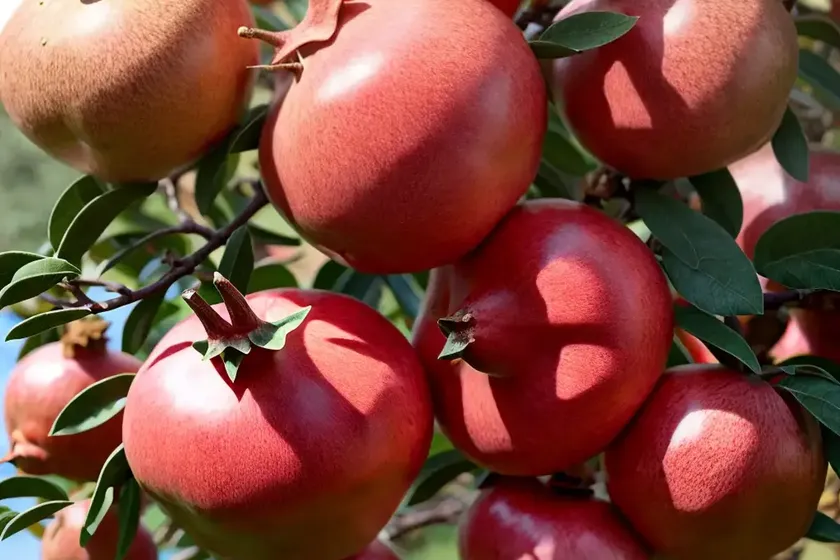
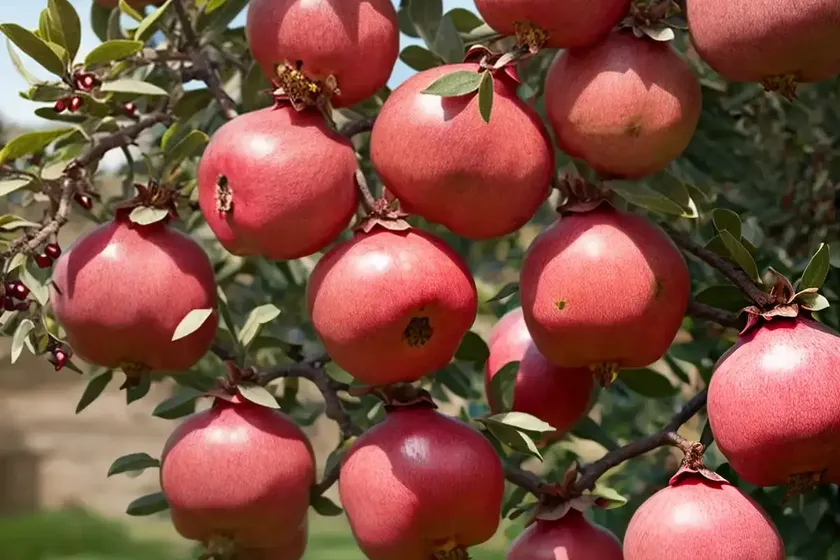
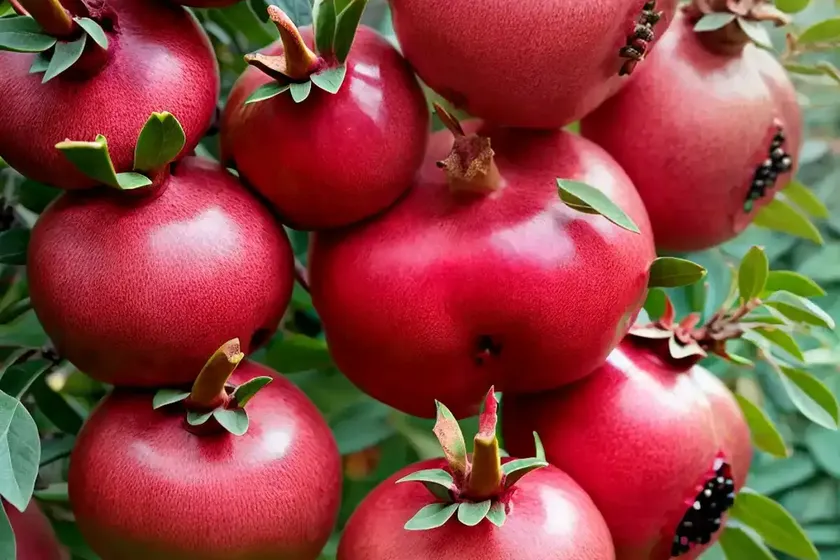
The pomegranate, scientifically known as Punica granatum ‘Wonderful’, is a deciduous shrub or small tree that belongs to the family Lythraceae. Known for its vibrant red fruit capsules and rich history, the pomegranate has been cultivated for thousands of years for its culinary, medicinal, and ornamental purposes. This article aims to delve into various aspects related to the pomegranate plant, from its culture and uses to common diseases and pests, offering essential insights for enthusiasts and horticulturists alike.
What is Pomegranate (Punica granatum ‘Wonderful’)?
The ‘Wonderful’ pomegranate, a cultivar of Punica granatum, is renowned for its abundant production of large, red, and juicy fruit. This variety, in particular, is prized for its delectable flavor and high antioxidant content. ‘Wonderful’ pomegranates typically grow as dense, multi-stemmed shrubs or small trees, reaching a height and spread of approximately 6 to 12 feet. Its glossy, dark green leaves provide an attractive backdrop for the striking red flowers and later the vibrant fruits, making it a favorite in home gardens and orchards.
Key Takeaways – Pomegranate (Punica granatum ‘Wonderful’)
Culture
- The pomegranate (Punica granatum ‘Wonderful’) is a versatile plant that thrives in various climates, ranging from arid to semi-tropical regions.
- It can be grown as a shrub or trained into a small tree, offering options for different landscaping preferences.
- Pomegranates are self-pollinating, but cross-pollination may increase fruit production.
Uses
- The fruit of the pomegranate (‘Wonderful’) is widely used for juicing, eaten fresh, or as a flavoring agent in both sweet and savory dishes.
- Its juice is not only prized for its refreshing taste but also for its potential health benefits, including its high levels of antioxidants and anti-inflammatory properties.
Water
- Pomegranates are relatively drought-tolerant once established but require regular watering during the first few years for proper establishment and maximal fruit production.
Sunlight
- The ‘Wonderful’ pomegranate thrives in full sun, requiring at least 6 to 8 hours of direct sunlight daily to ensure optimal growth and fruiting.
Fertilizer
- A balanced fertilizer, such as a 10-10-10 NPK (nitrogen, phosphorus, potassium) ratio, is suitable for pomegranates.
- Fertilization should be done in early spring before new growth emerges and again in late spring to early summer to support fruit development.
Soil
- Well-draining soil with a slightly acidic to neutral pH (6.0-7.0) is ideal for pomegranates.
- Organic matter, such as compost, can be incorporated into the soil to improve its structure and fertility.
Pruning
- Regular pruning is essential to maintain the shape of the plant, promote better fruit production, and remove dead or diseased wood for overall plant health.
Propagation
- Pomegranates can be propagated from seeds, cuttings, or through layering.
- Propagation from cuttings or layering tends to ensure that the new plant retains the desired characteristics of the parent plant, such as fruit quality and consistency.
Container Popularity
- The ‘Wonderful’ pomegranate is well-suited for container gardening, allowing individuals with limited garden space to enjoy the beauty and fruits of this plant.
Container Common Diseases
- Potted pomegranate plants are susceptible to similar diseases as their counterparts in the ground, with care needed to prevent issues such as root rot and fungal diseases due to overwatering or poor air circulation.
Disease Diagnosis
- Common diseases that afflict pomegranates include fungal infections like powdery mildew and various bacterial infections, which can impact overall plant health and fruit production.
Common Pests
- Pomegranates may be affected by pests such as aphids, mealybugs, and fruit borers, which can damage the plant and reduce fruit yield if not adequately managed.
Botanist’s Tips
- When planting pomegranates, choosing the right location, ensuring proper drainage, and providing adequate sunlight are key factors in promoting healthy growth and ample fruit production.
- Regular monitoring for signs of disease and pests is crucial for early intervention and effective management.
Fun Facts
- The pomegranate is a symbol of abundance, fertility, and good luck in various cultures and has been featured in art, literature, and mythology for centuries.
- Pomegranates can be stored for extended periods under the right conditions, making them a popular fruit during the winter months.
Links to External Resources
Conclusion
In conclusion, the ‘Wonderful’ pomegranate, a cultivar of Punica granatum, offers a wealth of culinary, horticultural, and cultural value. From its adaptability to different climates to its ornamental beauty and nutritious fruit, the pomegranate continues to captivate enthusiasts and researchers alike. Understanding its cultivation, care, and potential challenges is essential for reaping the full benefits of this wonderful plant.
For more detailed information on pomegranates and their cultivation, feel free to explore the links provided and immerse yourself in the fascinating world of Punica granatum ‘Wonderful’.
Keywords: Pomegranate tree, Wonderful pomegranate, Punica granatum, Growing pomegranates, Pomegranate benefits, Pomegranate varieties, Pomegranate cultivation, Pomegranate health benefits, Wondering about Punica granatum, Pomegranate plant care, Pomegranate fruit, Wonderous pomegranate plant, Punica granatum cultivar, Pomegranate growth, Pomegranate farming, Pomegranate cultivation practices, Wondering about pomegranate varieties, Punica granatum nutrition, Pomegranate plant diseases, Pomegranate planting guide, Wonderfulness of Punica granatum, Pomegranate gardening, Pomegranate harvesting, Pomegranate tree care, Wondering about pomegranate benefits, Punica granatum ‘Wonderful’ characteristics, Pomegranate soil requirements, Pomegranate pruning techniques, Pomegranate propagation methods, Wondering how to grow Punica granatum, Pomegranate pests, Pomegranate watering needs, Pomegranate fruiting season, Punica granatum ‘Wonderful’ description, Pomegranate fertilizer requirements, Pomegranate diseases and treatment, Pomegranate tree lifespan, Punica granatum ‘Wonderful’ varieties, Pomegranate pollination, Pomegranate tree size, Wondering about Punica granatum origin, Pomegranate planting tips, Pomegranate tree pruning schedule, Pomegranate tree flowering, Punica granatum ‘Wonderful’ uses, Pomegranate tree maintenance, Wondering about pomegranate planting methods, Pomegranate tree diseases, Pomegranate fruit nutrition, Pomegranate tree frost resistance.


