Pomegranate Tree (Punica Granatum)
Pomegranate tree, botanically known as Punica granatum, is a stunning and versatile fruit-bearing plant that has been cultivated for centuries for its.
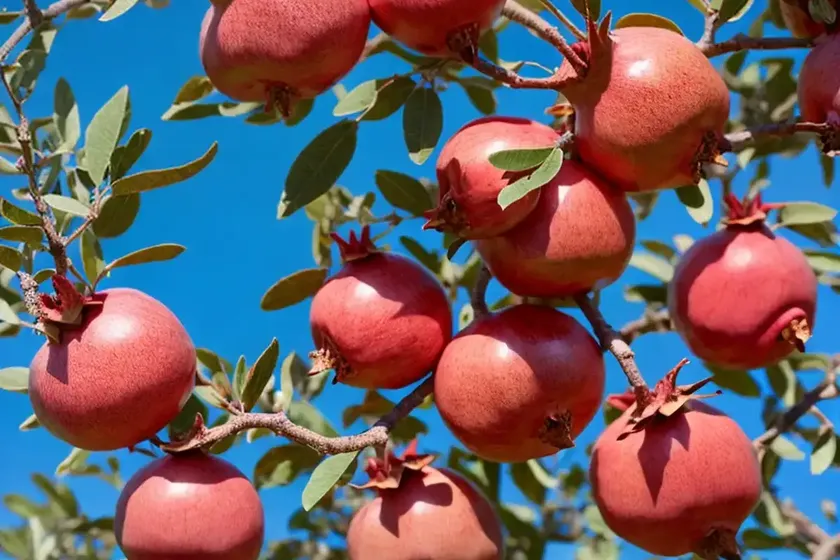
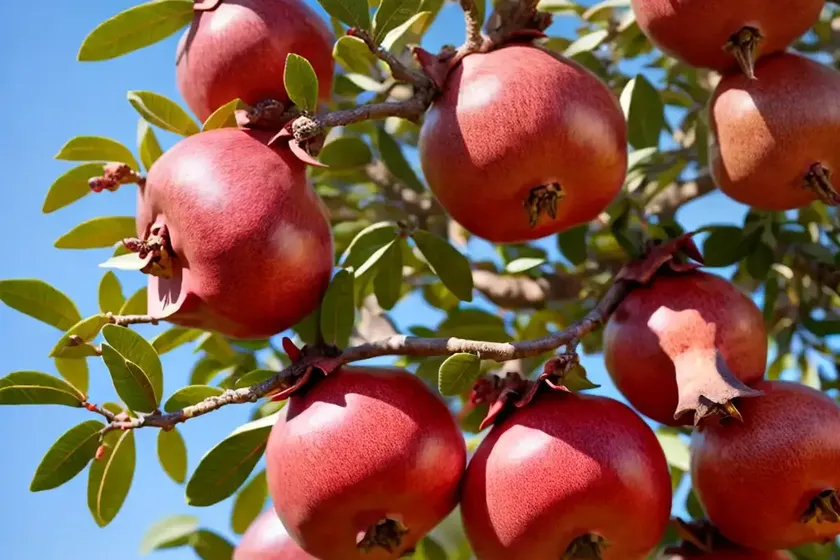
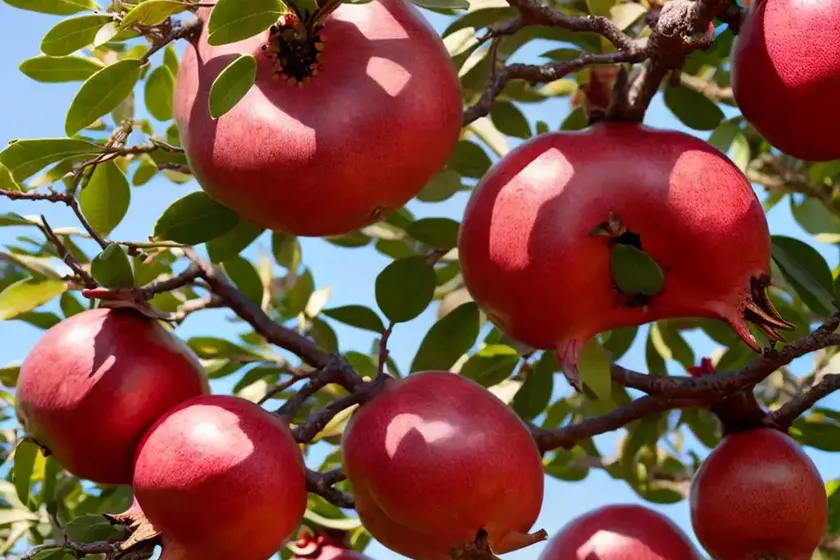
Pomegranate tree, botanically known as Punica granatum, is a stunning and versatile fruit-bearing plant that has been cultivated for centuries for its sweet, tangy, and nutrient-rich fruits. In addition to its delicious fruits, the Pomegranate tree also presents ornamental value with its attractive orange-red blooms and glossy green leaves. In this comprehensive guide, we will delve into the various aspects of Pomegranate tree cultivation, including its requirements, care, propagation, and common issues that may arise.
What is a Pomegranate Tree (Punica granatum)?
The Pomegranate tree, scientifically known as Punica granatum, is a fruit-bearing shrub or small tree native to the region extending from Iran to the Himalayas in northern India. It belongs to the family Lythraceae and is known for producing vibrant, nutrient-rich pomegranate fruits that are valued for their culinary, medicinal, and ornamental purposes.
Key Takeaways – Pomegranate Tree (Punica granatum)
Before delving into the specifics of Pomegranate tree care and cultivation, let’s summarize the key takeaways associated with this fascinating plant. Below is an overview of the various aspects we will explore in detail throughout this guide.
- Culture
- Uses
- Water
- Sunlight
- Fertilizer
- Soil
- Pruning
- Propagation
- Container Popularity
- Container Common Diseases
- Disease Diagnosis
- Common Pests
13 Botanist’s Tips - Fun Facts
- Links to External Resources
Culture of Pomegranate Trees
Understanding the cultural requirements of Pomegranate trees is crucial for successful cultivation. From suitable climate conditions to planting guidelines, the cultural aspects play a significant role in the growth and productivity of these trees.
Pomegranate Health Benefits
The pomegranate fruits are not only delicious but also offer a myriad of health benefits. They are rich in antioxidants and have been traditionally used for their anti-inflammatory properties and potential cardiovascular health benefits. Pomegranate juice is also known for its high concentration of polyphenols, which contribute to its antioxidant properties.
Uses
Apart from being a popular fruit for consumption, pomegranates are also utilized in the production of juices, wines, and culinary garnishes. Additionally, the tree’s flowers and fruits are aesthetically pleasing, making it a valuable ornamental plant in gardens and landscapes.
Water Requirements
Water is a vital component for the healthy growth and fruit production of Pomegranate trees. Understanding the optimal watering schedule and techniques is essential for maintaining the plant’s health.
Optimal Watering Schedule for Pomegranate Tree
Pomegranate trees thrive in well-drained soil, and their watering needs vary based on the climate and soil conditions. Adequate moisture is important, especially during the flowering and fruit development stages, to ensure optimal fruit yield and quality.
Sunlight Requirements
Pomegranate trees are known for their preference for sunny and warm conditions. Adequate exposure to sunlight is essential for their photosynthesis, flowering, and fruit development processes.
Pomegranate Tree Sunlight Requirements
Ideally, Pomegranate trees should be planted in locations that receive full sunlight for the majority of the day. This ensures vigorous growth, proper fruit set, and the development of vibrant foliage.
Fertilizer Requirements
Applying the right fertilizers at the correct time plays a critical role in enhancing the growth, flowering, and fruiting of Pomegranate trees.
Pomegranate Tree Fertilizer Requirements
Pomegranate trees benefit from regular fertilization, particularly with a balanced fertilizer that provides essential macronutrients such as nitrogen, phosphorus, and potassium. Additionally, applying organic matter can improve soil fertility and support the overall health of the trees.
Soil Requirements
The type of soil in which Pomegranate trees are planted significantly influences their growth, fruit production, and overall health.
Best Soil for Punica granatum
Pomegranate trees thrive in well-drained, loamy soils with a slightly acidic to neutral pH. Soil that is rich in organic matter and has good water retention capacity is ideal for the successful cultivation of Pomegranate trees.
Pruning Techniques for Punica granatum
Pruning plays a crucial role in shaping the structure of Pomegranate trees, promoting healthy growth, and maintaining fruiting vigor.
Pruning Tips for Pomegranate Tree
Pruning should be performed to remove dead or disease-affected branches, shape the tree, and encourage the growth of new shoots. It is typically carried out during the dormant season to prevent excessive bleeding and improve the overall form of the tree.
Propagation of Pomegranate Trees
Understanding the methods of propagating Pomegranate trees is essential for expanding their cultivation and producing new plants.
Methods for Growing Punica granatum from Seeds
Pomegranate trees can be propagated from seeds, although this method may result in variations in fruit quality and characteristics. It is important to select healthy seeds from ripe fruits and provide the necessary conditions for successful germination and early growth.
Punica granatum Tree Propagation Methods
Apart from seed propagation, Pomegranate trees can also be propagated via cutting or layering. Cutting propagation involves utilizing stem cuttings from mature trees to establish new plants, while layering allows roots to develop on stems before detaching them for individual growth.
Container Popularity
The trend of growing plants in containers has become increasingly popular, and Pomegranate trees are no exception. Their ornamental value and fruit-bearing capability make them an appealing choice for container cultivation.
Steps to Grow Punica granatum in Containers
Pomegranate trees can be successfully grown in containers, provided that the proper pot size, soil, and care considerations are met. Selecting a large container with adequate drainage holes, using well-draining potting mix, and incorporating regular maintenance are essential for container-grown Pomegranate trees.
Common Diseases of Pomegranate Trees
Despite their resilience, Pomegranate trees are susceptible to certain diseases that can impact their growth and fruit production.
Disease Diagnosis
Diagnosing and identifying common diseases such as powdery mildew, root rot, and bacterial blight is crucial for implementing effective control measures. Regular monitoring and proper cultural practices can help mitigate the occurrence and severity of diseases.
Common Pests Affecting Pomegranate Trees
Pests can pose a threat to the well-being of Pomegranate trees, leading to damage to foliage, buds, and fruits.
Pest Control Methods for Pomegranate Tree
Preventing and managing pest infestations through techniques such as integrated pest management, biological control, and selective pesticide application can help safeguard the health and productivity of Pomegranate trees.
Botanist’s Tips for Successful Pomegranate Cultivation
Drawing from botanical expertise, certain tips and guidelines can enhance the overall success of cultivating Pomegranate trees.
Tips for Successful Pomegranate Cultivation
- Select disease-resistant varieties suitable for the local climate and soil conditions.
- Implement regular irrigation and mulching to maintain soil moisture and temperature.
- Monitor and manage pest and disease issues promptly to prevent widespread damage.
- Provide adequate support for young branches and fruit-laden limbs to prevent breakage.
Fun Facts about Pomegranate Trees
Delving into the intriguing aspects and trivia about Pomegranate trees can provide insights into their historical, cultural, and ecological significance.
Fun Facts
- The Pomegranate has been cultivated for over 5,000 years and is associated with symbolism in various cultures and religions.
- Pomegranate trees can live for over 200 years and continue bearing fruits throughout their extended lifespan.
- The name “Pomegranate” is derived from the Latin words “pomum” (apple) and “granatus” (seeded), referring to its juicy, seed-filled fruits resembling an apple in shape.
Links to External Resources
For further exploration and in-depth information, here are some valuable external resources related to Pomegranate tree cultivation and care:
- Growing Pomegranates at Home – University of California Agriculture and Natural Resources
- Pomegranate Health Benefits – National Institutes of Health
- Pomegranate Tree Care Guide – University of Florida IFAS Extension
- Pomegranate Tree Diseases and Treatments – University of Georgia Extension
- Pomegranate Tree Pruning Tips – University of California Agriculture and Natural Resources
- Growing Punica granatum from Seeds – Texas A&M AgriLife Extension
In conclusion, the cultivation of Pomegranate trees, scientifically known as Punica granatum, encompasses a rich tapestry of cultural, horticultural, and ecological elements. With the right care, attention to details, and respect for its natural requirements, Pomegranate trees can thrive and reward growers with their delightful fruits and ornamental beauty. By adhering to the principles outlined in this guide and leveraging the resources provided, individuals can embark on a fulfilling journey of nurturing and enjoying the remarkable Pomegranate tree.
Remember, successful Pomegranate cultivation is an endeavor that combines the art and science of horticulture, fostering a deep appreciation for the wonders of nature and the joy of growing one’s own fruits.


