Polypodium Cambricum (Welsh Polypody)
Plants have been a source of fascination and wonder for humans since the beginning of time. From their ecological importance to their aesthetic appeal.
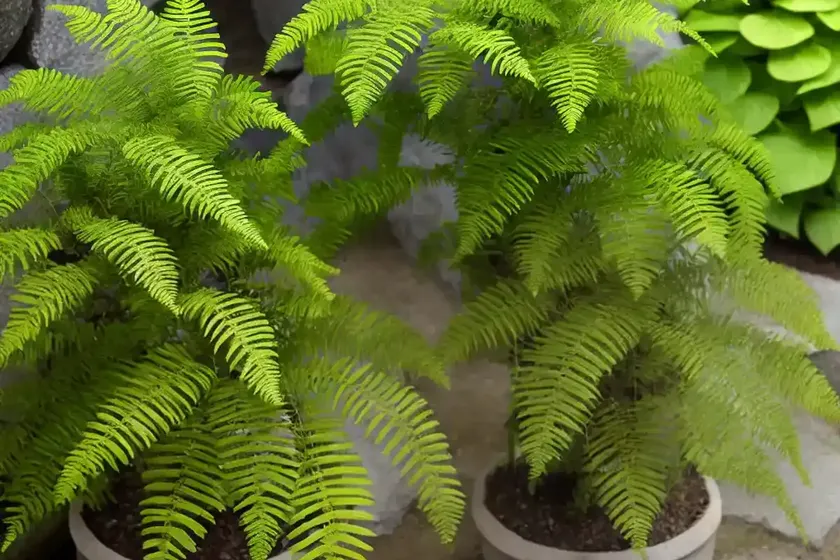
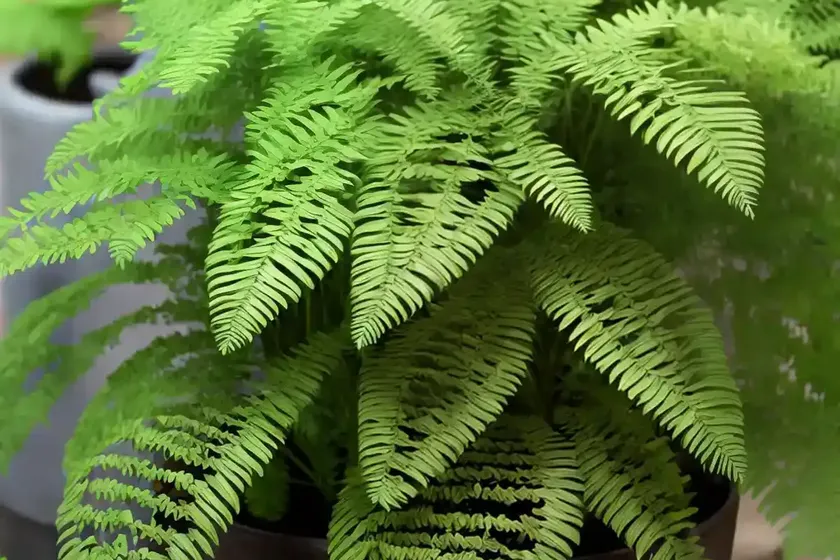
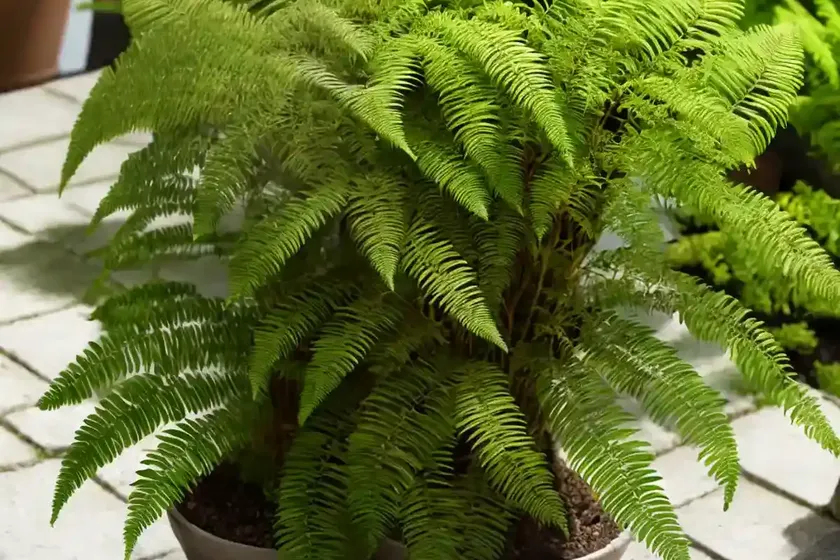
Plants have been a source of fascination and wonder for humans since the beginning of time. From their ecological importance to their aesthetic appeal, plants play a vital role in our lives. In this article, we will delve into the captivating world of Polypodium cambricum, commonly known as Welsh Polypody. This ancient plant holds a wealth of cultural significance and ecological importance, making it a fascinating subject of study for botanists and plant enthusiasts alike.
What is Polypodium cambricum (Welsh Polypody)?
Polypodium cambricum, commonly known as Welsh Polypody, is a species of fern native to Europe and North Africa. Belonging to the Polypodiaceae family, this perennial plant is renowned for its lush foliage and ability to thrive in a variety of habitats. With its graceful fronds and distinctive growth habits, Welsh Polypody has garnered attention from botanists, horticulturists, and nature enthusiasts around the world.
Key Takeaways – Polypodium cambricum (Welsh Polypody)
Before we delve into the specific aspects of cultivating and caring for Welsh Polypody, let’s highlight some key takeaways about this fascinating plant:
- Scientific Name: Polypodium cambricum
- Common Name: Welsh Polypody
- Family: Polypodiaceae
- Native Habitat: Europe and North Africa
- Growth Habit: Perennial fern
- Distinctive Features: Lush fronds, rhizomatous growth
- Ecological Importance: Habitat for wildlife, erosion control
- Cultural Significance: Folklore, traditional uses
Now that we have an overview of Welsh Polypody, let’s explore the essential aspects of its cultivation, care, and ecological significance.
Culture
Cultivating Welsh Polypody requires an understanding of its native habitat and growth requirements. By emulating its natural environment, we can create optimal conditions for the plant to thrive. Let’s delve into the cultural aspects of growing Welsh Polypody.
Native Habitat
Welsh Polypody is native to the woodlands, rocky slopes, and shady areas of Europe and North Africa. It often thrives in moist, well-drained soils, and can be found in both limestone and non-limestone habitats. Understanding its natural habitat is crucial for successful cultivation.
Water
Proper hydration is essential for the health of Welsh Polypody. While it thrives in moist soil, it is crucial to avoid waterlogging, as this can lead to root rot. Regular watering, especially during dry periods, helps maintain the plant’s vigor and lush foliage.
Sunlight
As a shade-loving plant, Welsh Polypody prefers dappled or partial shade. Direct sunlight can scorch its delicate fronds, so it is best to provide it with filtered light or gentle shade. Understanding its light requirements is key to ensuring its healthy growth.
Fertilizer
While Welsh Polypody is not heavy feeder, occasional fertilization can support its growth. A balanced, water-soluble fertilizer applied at half strength during the growing season can provide the necessary nutrients for healthy frond development.
Soil
Well-drained, humus-rich soil is ideal for Welsh Polypody. It thrives in soils with good moisture retention without becoming waterlogged. A combination of organic matter and good drainage is essential for creating an optimal growing medium.
Pruning
Pruning Welsh Polypody primarily involves removing dead or damaged fronds to maintain its attractive appearance. It is important to remove spent foliage to encourage the growth of new fronds. Additionally, removing any debris or fallen leaves from the base of the plant can help prevent disease and maintain a tidy appearance.
Propagation
Welsh Polypody can be propagated through division or spores. Division involves separating the rhizomes to create new plants, while spore propagation requires careful collection and cultivation of spores. Both methods require attention to detail and patience to successfully propagate Welsh Polypody.
Container Popularity
Welsh Polypody’s compact size and graceful fronds make it a popular choice for container gardening. Its ability to thrive in shaded areas makes it an excellent addition to indoor or outdoor container gardens, adding a touch of greenery to any space.
Common Diseases
While Welsh Polypody is relatively resistant to diseases, it can occasionally fall victim to fungal infections or foliar diseases. Adequate air circulation, proper watering practices, and regular inspection can help prevent the onset of diseases.
Disease Diagnosis
Diagnosing diseases in Welsh Polypody involves careful observation of its fronds and overall appearance. Symptoms such as discoloration, wilting, or unusual spots may indicate potential issues that require prompt attention.
Common Pests
Welsh Polypody is generally resistant to pest infestations. However, it can attract certain pests such as aphids, scales, or mites under stressed conditions. Regular inspection and maintaining plant health can help prevent pest infestations.
Botanist’s Tips
Here are some valuable tips from botanists and horticulturists for cultivating and caring for Welsh Polypody:
- Ensure adequate moisture without waterlogging.
- Provide filtered or dappled light for optimal growth.
- Regularly inspect for signs of pests and diseases.
- Prune and remove dead fronds to maintain plant health.
- Use well-draining, humus-rich soil for cultivation.
Fun Facts
Welsh Polypody has intrigued botanists and plant enthusiasts for centuries. Here are some fascinating fun facts about this captivating fern:
- Welsh Polypody has been the subject of folklore and traditional uses in various cultures.
- It is a source of inspiration for garden designs and landscape architecture.
- The plant’s ability to thrive in shaded areas makes it a versatile addition to indoor and outdoor spaces.
Links to External Resources
For further exploration of Welsh Polypody and related topics, the following external resources provide valuable insights and information:
- The Royal Horticultural Society – Polypodium cambricum
- Botanic Gardens Conservation International – Polypodium cambricum
- Plantlife – Welsh Polypody
By delving into these resources, enthusiasts can gain a deeper understanding of Welsh Polypody and its ecological significance.
In conclusion, Polypodium cambricum, or Welsh Polypody, is a captivating plant with cultural, ecological, and aesthetic appeal. Its graceful fronds, shade-loving nature, and ability to thrive in various habitats make it a valuable addition to gardens, landscapes, and natural environments. By understanding its cultivation, care requirements, and ecological significance, we can appreciate the beauty and importance of this ancient fern.
In this comprehensive guide, we have explored the diverse aspects of Welsh Polypody, shedding light on its cultural significance, growth requirements, and ecological importance. Whether in a garden, container, or natural habitat, Welsh Polypody continues to captivate and inspire all who encounter its lush foliage and graceful presence.
As a plant scientist, I find immense joy in unraveling the mysteries and marvels of the plant kingdom, and Welsh Polypody stands as a testament to the enduring allure of nature’s wonders. I hope this guide serves as a source of inspiration and knowledge for plant enthusiasts and nature lovers alike.


