Rock Polypody (Polypodium Virginianum)
As a plant scientist with a passion for botany and horticulture, I am thrilled to delve into the world of rock polypody (Polypodium virginianum) with you..
As a plant scientist with a passion for botany and horticulture, I am thrilled to delve into the world of rock polypody (Polypodium virginianum) with you. In this comprehensive guide, we will explore the intricate details of this fascinating plant, from its cultural requirements and uses to its ecological significance and historical uses.
What is Rock Polypody (Polypodium virginianum)?
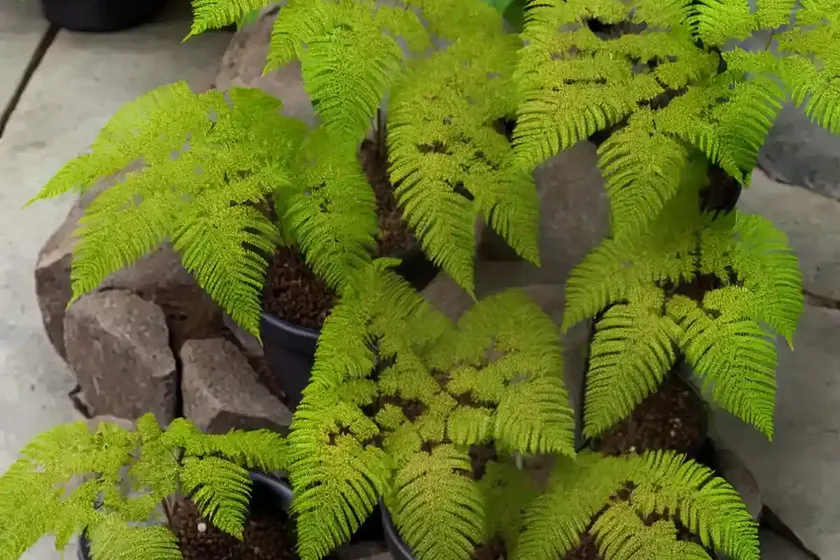
Rock polypody, scientifically known as Polypodium virginianum, is a species of fern native to North America. It belongs to the Polypodiaceae family and is commonly found in rocky woodlands, ravines, and along stream banks. This evergreen fern is characterized by its leathery, dark green fronds and a creeping rhizome that allows it to colonize and thrive in various natural habitats.
Key Takeaways – Rock Polypody (Polypodium virginianum)
Before we dive deeper into the specific aspects of rock polypody care and cultivation, let’s take a moment to highlight the key takeaways associated with this plant:
- Scientific Name: Polypodium virginianum
- Family: Polypodiaceae
- Native Range: North America
- Habitat: Rocky woodlands, ravines, stream banks
- Foliage Characteristics: Leathery, dark green fronds
- Growth Habit: Rhizomatous, creeping
- Ecological Significance: Erosion control, wildlife attractor
Culture
Understanding the cultural requirements of rock polypody is essential for ensuring its optimal growth and vitality. From water and sunlight needs to soil preferences and pruning practices, every aspect of the plant’s culture contributes to its overall health and appearance.
Uses
Rock polypody serves various functional and aesthetic purposes in both natural and cultivated settings. Some of its primary uses include:
- Ornamental Plant: The attractive foliage and ability to thrive in rocky environments make rock polypody a sought-after fern for ornamental plantings.
- Erosion Control: Due to its rhizomatous nature and ability to form dense colonies, rock polypody is often used in erosion control efforts in natural landscapes.
- Wildlife Habitat: The dense foliage of rock polypody provides cover and habitat for small wildlife such as insects and amphibians, contributing to the biodiversity of natural ecosystems.
Water
Watering is a crucial aspect of rock polypody care, especially when establishing the plant and during dry periods. Understanding the watering needs of this fern is essential for preventing moisture-related stress.
- Establishment Phase: During the early stages of growth, rock polypody benefits from regular watering to support root establishment and foliar development.
- Dry Periods: In periods of prolonged drought or dry conditions, supplemental watering may be necessary to maintain adequate soil moisture and prevent wilting.
Sunlight
Rock polypody exhibits a preference for shaded or partially shaded environments, making it well-suited for cultivation in areas with limited direct sunlight.
- Shade Tolerance: Thriving in dappled sunlight or full shade, rock polypody can be cultivated in woodland gardens, under the canopy of trees, or in shaded borders.
- Avoiding Direct Sun: Exposure to direct, intense sunlight should be avoided, as it can lead to leaf scorch and reduced vitality in rock polypody.
Fertilizer
While rock polypody is adapted to nutrient-poor environments in the wild, supplemental fertilization can enhance its growth and vigor when cultivated in gardens or containers.
- Fertilizer Application: A balanced, slow-release fertilizer can be applied sparingly in early spring to provide essential nutrients for the growing season.
- Minimal Nutrient Requirements: Due to its natural adaptation to nutrient-poor soils, rock polypody generally requires minimal fertilization to thrive.
Soil
The choice of soil and the overall soil environment significantly impact the growth and health of rock polypody, especially considering its preference for rocky habitats.
- Well-Drained Soil: Rock polypody thrives in well-drained, aerated soils with a preference for slightly acidic to neutral pH levels.
- Organic Matter: While not particularly demanding in terms of soil fertility, the presence of organic matter can contribute to improved soil structure and moisture retention.
Pruning
Pruning is minimal with rock polypody, primarily focused on the removal of old fronds and tidying up the plant’s appearance.
- Old Frond Removal: Periodic removal of old or damaged fronds helps maintain the plant’s aesthetic appeal and promotes the growth of new, healthy foliage.
- Tidying Up: Trimming away any unsightly or withered fronds can help rejuvenate the plant’s appearance and encourage fresh growth.
Propagation
The propagation of rock polypody can be achieved through several methods, allowing for the expansion of its presence in gardens and natural landscapes.
Container Popularity
In addition to its use in traditional garden settings, rock polypody has gained popularity as a container plant due to its adaptability and aesthetic appeal.
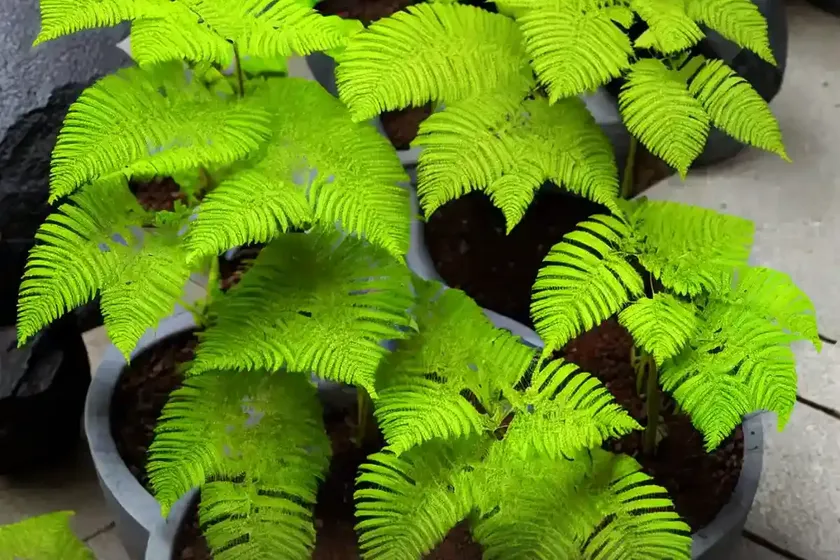
- Container Plantings: The compact growth habit and attractive foliage make rock polypody well-suited for container plantings on patios, balconies, and shaded outdoor spaces.
- Indoor Cultivation: Its shade tolerance and suitability as a houseplant further contribute to the increasing popularity of rock polypody in containers.
Propagation Methods
Rock polypody can be propagated through spores or divisions, allowing for the creation of new plants from existing specimens.
- Spore Propagation: By collecting and sowing spores, it is possible to propagate rock polypody and produce new ferns for ornamental or conservation purposes.
- Division: Dividing established clumps of rock polypody allows for the creation of multiple plants, facilitating its spread in garden settings.
Common Diseases
While generally resilient to pests and diseases, rock polypody may encounter certain issues that warrant attention and management.
Disease Diagnosis
Identifying and understanding common diseases of rock polypody is essential for implementing appropriate control measures and preserving the plant’s health.
- Leaf Spot: Fungal pathogens may cause leaf spot on rock polypody, leading to the development of dark lesions on the foliage.
- Rhizome Rot: Excessive moisture or poor drainage can result in rhizome rot, potentially causing wilting and decline in affected plants.
Common Pests
Despite its resilience, rock polypody may attract certain pests that can affect its overall condition and vitality.
Botanist’s Tips
Drawing upon botanical insights and practical observations, here are some expert tips for cultivating and caring for rock polypody.
- Mulching: Applying a layer of organic mulch around the base of rock polypody helps conserve soil moisture and suppress weed growth, contributing to its overall health and vigor.
- Naturalistic Plant Pairings: Combining rock polypody with other shade-loving plants such as wild ginger (Asarum canadense) or foamflower (Tiarella cordifolia) creates visually appealing and ecologically beneficial plant communities in woodland gardens.
Fun Facts
Uncover some intriguing and lesser-known facts about rock polypody that showcase its unique characteristics and ecological significance.
- Historical Uses: Native American tribes historically utilized rock polypody for its medicinal properties, incorporating it into various remedies and treatments.
- Air Purification: Similar to other fern species, rock polypody contributes to indoor air purification by removing pollutants and enhancing air quality.
Links to External Resources
For further exploration and in-depth information on rock polypody and related topics, consider the following external resources:
- The American Fern Society
- Lady Bird Johnson Wildflower Center
- United States Department of Agriculture – Plants Database
The intricate world of rock polypody encompasses a rich tapestry of ecological significance, cultural uses, and horticultural possibilities. By understanding and appreciating the nuances of this remarkable fern, we can cultivate and conserve it with care and admiration.
In closing, I hope this comprehensive guide has provided valuable insights and inspiration for your exploration of rock polypody, whether in your garden, natural landscape, or the realm of botany and plant science. As we continue to cherish and safeguard the wonders of nature, may the enduring beauty and resilience of rock polypody serve as a beacon of appreciation for the intricate web of life that surrounds us.


