Polypodium Californicum (California Polypody)
Polypodium californicum, commonly known as California Polypody, is a fascinating fern species native to the coastal regions of California. This plant.
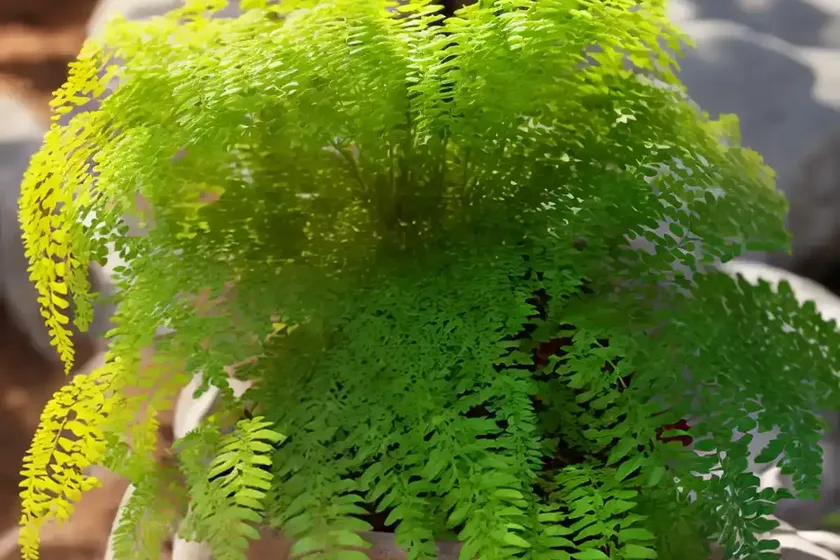
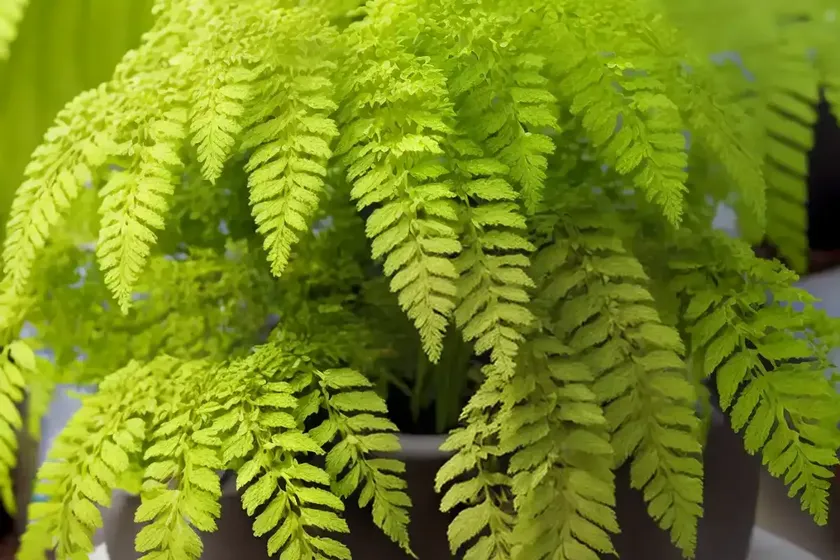
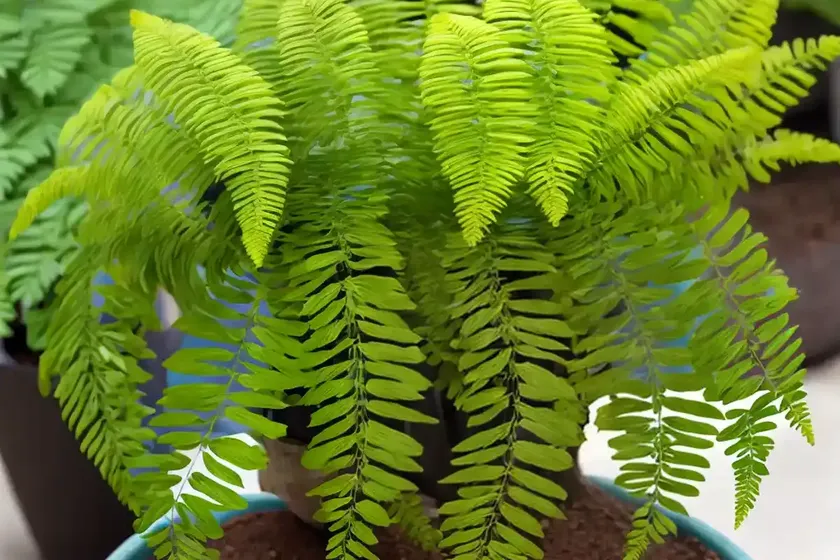
Polypodium californicum, commonly known as California Polypody, is a fascinating fern species native to the coastal regions of California. This plant belongs to the Polypodium genus and is characterized by its unique fronds and adaptability to various growing conditions. In this comprehensive guide, we will delve into the detailed aspects of Polypodium californicum, including its cultivation, maintenance, ecological significance, and much more.
What is Polypodium californicum?
Polypodium californicum, also known as California Polypody, is a perennial fern species that belongs to the family Polypodiaceae. This plant is native to California and is often found growing on shaded cliffs, mossy banks, and forest habitats. It features intricate, dark green fronds that form dense clusters, creating a visually appealing ground cover.
Key Takeaways – Polypodium californicum
Before we delve into the specific aspects of California Polypody, here are some key takeaways about this fascinating fern species:
- Scientific Name: Polypodium californicum
- Common Name: California Polypody
- Family: Polypodiaceae
- Native Range: Coastal regions of California
- Habitat: Shaded cliffs, mossy banks, and forest habitats
- Characteristics: Intricate, dark green fronds forming dense clusters
With these key takeaways in mind, let’s explore the various aspects of cultivating and caring for Polypodium californicum.
Culture
The culture of Polypodium californicum revolves around creating a suitable environment that mimics its natural habitat. Understanding its preferred growing conditions is crucial for successfully cultivating this native California fern.
Uses
California Polypody has several uses, including:
- Ornamental Purposes: Due to its visually appealing fronds, Polypodium californicum is often used for ornamental landscaping in shaded gardens and native plant landscapes.
- Ecological Importance: This fern species plays a vital role in maintaining biodiversity and stabilizing soil in its natural habitat.
Growing Conditions
To ensure the healthy growth of Polypodium californicum, it is essential to provide the right growing conditions in terms of water, sunlight, soil, and fertilizer.
Water
California Polypody thrives in moderately moist conditions. While it prefers well-draining soil, it also has a degree of drought tolerance once established. However, it is crucial to provide regular watering, especially during dry periods, to prevent the soil from drying out completely.
Sunlight
As a native fern of California, Polypodium californicum naturally grows in shaded environments. It prefers partial to full shade and does not tolerate direct sunlight for prolonged periods. When cultivating this fern, it is important to ensure that it is protected from intense sun exposure, especially during the peak hours of the day.
Fertilizer
When it comes to fertilization, Polypodium californicum does not have high nutrient requirements. A balanced, diluted fertilizer can be applied during the growing season to support healthy frond development. However, it is essential to avoid over-fertilization, as this can lead to adverse effects on the plant.
Soil
California Polypody thrives in humus-rich, well-draining soil with a slightly acidic to neutral pH. It is crucial to provide a suitable growing medium that allows for adequate moisture retention while preventing waterlogging, as excessive moisture can lead to root rot.
Maintenance
Maintaining Polypodium californicum involves regular care and occasional pruning to ensure its health and vigor.
Pruning
Pruning is an essential aspect of California Polypody maintenance, especially when it comes to removing old or damaged fronds. Additionally, periodic trimming can help to maintain the plant’s compact growth habit and overall aesthetic appeal.
Propagation
Propagating Polypodium californicum can be achieved through various methods, including spores and division.
Spore Propagation
To propagate California Polypody from spores, the following steps can be followed:
- Collect mature fronds containing sporangia.
- Place the fronds in a paper bag to allow the spores to be released.
- Sow the spores on a suitable growing medium and provide the necessary conditions for germination.
Division
Dividing established clumps of Polypodium californicum is another effective propagation method. By carefully dividing the rhizomes and ensuring that each division has sufficient roots and fronds, new plants can be established.
Container Popularity
Due to its compact growth habit and ornamental appeal, Polypodium californicum is popular for container gardening, particularly in shaded outdoor spaces and indoor environments.
-
Outdoor Containers: When grown in outdoor containers, California Polypody can be an excellent addition to shaded patios, balconies, and garden borders.
-
Indoor Containers: In indoor settings, this fern species can thrive in well-lit areas with indirect sunlight, making it an ideal choice for adding greenery to interior spaces.
Common Diseases
While Polypodium californicum is relatively resilient, it can be susceptible to certain diseases and pests under unfavorable growing conditions.
Disease Diagnosis
Some common diseases that may affect California Polypody include:
-
Fungal Diseases: These can manifest as leaf spots or powdery mildew on the fronds.
-
Bacterial Infections: Symptoms may include wilting and discoloration of fronds.
Common Pests
Pests that can potentially affect Polypodium californicum include:
-
Aphids: These sap-sucking insects can infest the fronds, leading to distorted growth and sticky honeydew deposits.
-
Scale Insects: These pests can appear as small, waxy bumps on the fronds and can cause yellowing and wilting of the plant.
Botanist’s Tips
For botanists and plant enthusiasts interested in cultivating Polypodium californicum, here are some valuable tips:
-
Ensure Adequate Drainage: Proper drainage is essential to prevent waterlogging, which can be detrimental to this fern species.
-
Regular Monitoring: Periodic inspection of the plant for signs of pests or diseases can help in early intervention and prevention of potential issues.
Fun Facts
To further appreciate the uniqueness of Polypodium californicum, here are some fun facts about this native fern:
- California Polypody is a vital component of the native flora of California, contributing to the region’s biodiversity and ecological balance.
- Its intricate fronds can form dense clusters, creating visually striking ground cover in shaded environments.
- Polypodium californicum has been traditionally used by indigenous communities for various medicinal and cultural purposes.
Links to External Resources
For additional information and resources on Polypodium californicum, the following external links may be valuable:
With its unique characteristics and ecological significance, Polypodium californicum stands as a distinctive fern species that enriches the natural landscapes of California. By understanding its cultivation, maintenance, and cultural significance, we can further appreciate the value of this native plant and its role in supporting biodiversity and environmental conservation.
In conclusion, Polypodium californicum, the California Polypody, embodies the beauty and resilience of native ferns, serving as a testament to the rich botanical heritage of California’s coastal regions. Whether cultivated in outdoor gardens, indoor containers, or natural habitats, this species continues to captivate plant enthusiasts and conservationists alike with its remarkable attributes and ecological significance.


